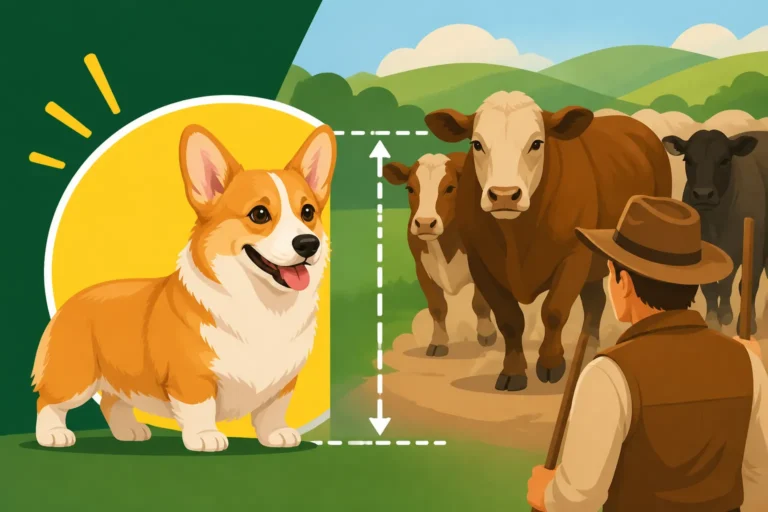
Corgis Against the Other Herding Breeds
Many aspiring dog parents find themselves drawn to the charm and intelligence of herding breeds, but the short-legged, long-bodied Corgi often stands apart from the typical image of a Border Collie or Australian Shepherd. It's easy to wonder how these compact companions truly compare to their taller, more athletic cousins in the herding world, and whether their care, temperament, and health needs are fundamentally different. This comprehensive guide will explore the unique characteristics of Corgis within the broader context of herding breeds, helping you understand their specific traits and what sets them apart.
Understanding the Herding Group: Beyond the Farm Gates
The Herding Group is a fascinating collection of dog breeds, all historically developed to control the movement of other animals, primarily livestock. While their working environments might have been vast pastures or rugged hillsides, the core instinct remains: to gather, drive, and protect. However, the methods and physical attributes needed for these tasks vary wildly, leading to the diverse array of dogs we see today.
Defining the Herding Instinct
At its heart, the herding instinct is a predatory sequence, modified by centuries of selective breeding. Instead of the kill, the final step is inhibited, leaving the dog with a strong drive to stalk, chase, and gather. This translates into behaviors like eye-stalking (common in Border Collies), circling, nipping, and barking – all focused on manipulating the movement of a flock or herd. These aren't just tricks; they're deeply ingrained patterns that allow these dogs to be incredibly effective and valuable partners to shepherds and ranchers. Even if a Corgi never sees a sheep in its life, that instinct is still bubbling just beneath the surface, often redirected towards family members, children, or even other pets.
Diversity Within the Group
The Herding Group is anything but monolithic. You have the intense, focused stare of the Border Collie, the boisterous enthusiasm of the Australian Shepherd, the steady guardian presence of the Old English Sheepdog, and the agile, watchful nature of the German Shepherd. Each breed was developed for specific livestock, terrain, and climate, resulting in distinct physical builds, coat types, and temperaments. Some, like the Belgian Malinois, are prized for their athleticism and drive, often excelling in protection work or police roles, while others, like the Shetland Sheepdog, are smaller and more sensitive, often suited to being devoted family companions. Understanding this diversity is key to appreciating where the Corgi fits in, and how its unique history shaped its modern characteristics.
Corgi's Unique Herding Style: A Low-Rider's Approach
When you think of a herding dog, you probably picture a dog running around a flock, pushing them from the outside. Corgis, however, employed a very different, rather daring strategy. Their entire physique is designed for this specialized "heeling" style of herding, which is quite distinct from many of their upright counterparts.
Nipping at Heels and Driving Cattle
The Corgi's signature move on the farm was to dart in and nip at the heels of cattle, effectively driving them forward. Their low stature was not a disadvantage but a brilliant adaptation. By staying close to the ground, they could avoid being kicked by powerful hooves, maneuvering quickly under and around the cattle's legs. This method is incredibly brave and requires a dog that is quick, agile, and utterly fearless. That heel-nipping instinct, so vital for their historical job, is still very much alive in many Corgis today. Owners often discover this when their Corgi tries to "herd" them, their children, or other pets by gently (or not so gently!) nipping at ankles. It's a behavior that needs careful management and redirection, as highlighted in topics like The Cattle-Driving Nip a Corgi Still Has.
The Advantage of Low Stature
Imagine trying to maneuver a herd of stubborn cattle with a standard-sized dog. It might work, but it also puts the dog directly in the line of fire. The Corgi's low center of gravity and powerful, short legs gave them an incredible advantage. They could weave through legs, turn on a dime, and escape danger in ways a taller dog simply couldn't. This design isn't just for show; it's a testament to centuries of breeding for a very specific, demanding job. It also means their body mechanics are very different, impacting everything from how they run and jump to their overall spinal health, which we'll delve into later. The way their backs are built, specifically for low-impact, ground-level work, is a crucial aspect of understanding their physical needs.
Temperament Traits: Corgi vs. Classic Herders
While all herding breeds share an underlying drive, their personalities and how they express that drive can be quite different. Corgis, with their big personalities in small packages, offer a unique blend of intelligence, independence, and sheer stubbornness that sets them apart from the eager-to-please nature often seen in other herding dogs.
Corgi Assertiveness and Intelligence
Corgis are incredibly smart dogs, but their intelligence often comes with a strong will and an independent streak. Unlike some herding breeds that live to work for their handler's approval, a Corgi often feels perfectly capable of making its own decisions. This can manifest as adorable sass or outright defiance during training, leading to situations where an owner might feel their Corgi is "talking back" or simply choosing not to comply. They learn quickly, but they're not always keen to perform just because you ask. This assertiveness is a direct echo of their past as cattle drovers, where they often worked with minimal direct supervision, relying on their own judgment to manage the herd. Successfully Training a Corgi That Makes Its Own Decisions often requires patience, consistency, and a good sense of humor.
Herding Drive in a Companion Dog
Many classic herding breeds, like Border Collies, can become neurotic or destructive if their intense mental and physical needs aren't met. They need a "job." Corgis also possess a strong herding drive, but it often expresses itself differently in a companion setting. Instead of needing to manage a flock, they might try to herd family members, chase smaller pets, or vigilantly guard their territory through barking. Corgi Barking and How Much Is Normal is a common concern for owners, as their watchful nature and desire to "report" anything out of place can lead to quite a vocal household. Their drive can be channeled into appropriate activities like scent work, trick training, or even modified agility, rather than requiring actual livestock.
Social Dynamics with Other Herders
When it comes to social interactions, Corgis often punch above their weight class. They were bred to stand their ground against much larger, heavier animals, and this confidence (or perhaps stubbornness) often extends to their interactions with other dogs. While generally friendly, a Corgi is rarely intimidated by a larger breed and may try to boss them around or take charge, particularly if another dog isn't asserting itself. This can lead to amusing situations but also potential conflicts if not managed, particularly in off-leash environments. They tend to be brave and outgoing, eager to engage, but they also have clear boundaries and won't hesitate to communicate them.
Physical Differences: Beyond Just Size
It's obvious that a Corgi is smaller and lower to the ground than, say, an Australian Shepherd or a Collie. But the differences extend far beyond simple height and weight measurements. Their entire anatomical structure is tailored for their historical purpose, with implications for their health and care.
Size, Stature, and Build
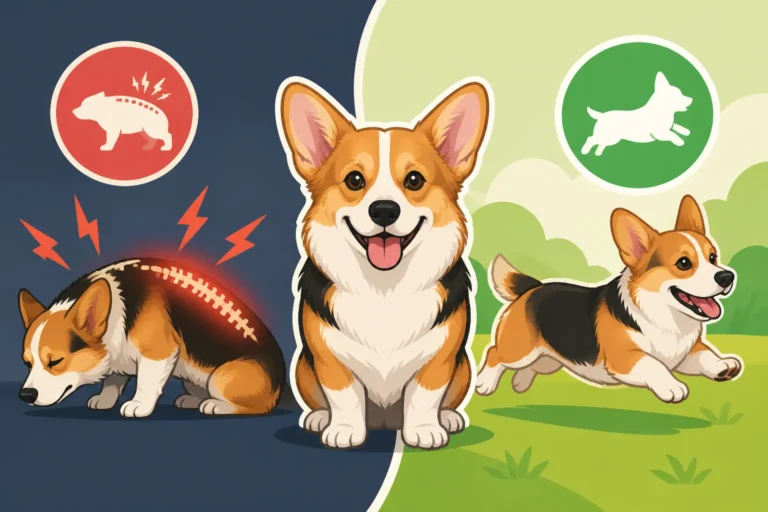
The most striking physical difference is, of course, their size and unique body shape. Corgis are a chondrodystrophic breed, meaning they have disproportionately short limbs relative to their body length. This characteristic, which allowed them to effectively work cattle by dodging kicks, is a defining feature. Contrast this with the lean, athletic builds of a German Shepherd or the elegant, agile frame of a Shetland Sheepdog. Other herding breeds are built for speed, endurance, and jumping, often with long legs and flexible spines. The Corgi's long back and short legs mean a different distribution of weight and stress on their spine, making them predisposed to conditions like intervertebral disc disease (IVDD). Disc Disease in a Long-Backed Corgi is a serious consideration for Corgi owners, requiring careful management of their environment and activity.
Coat Types and Grooming Demands
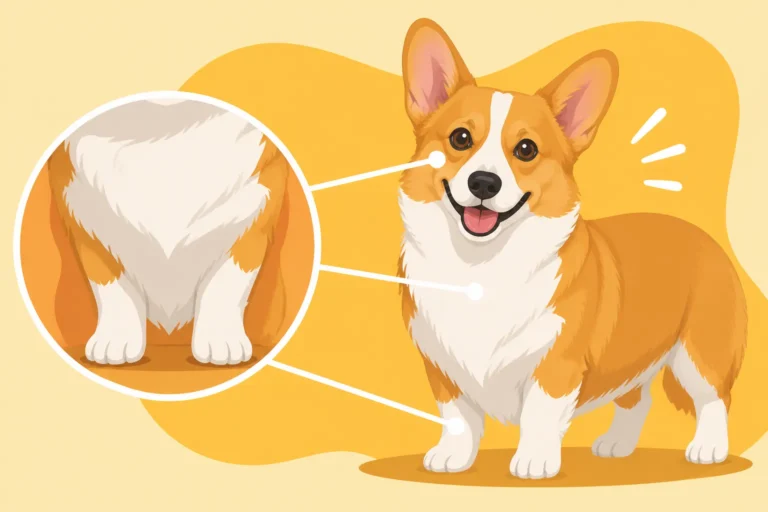
While many herding breeds, like Collies or Shetland Sheepdogs, boast magnificent double coats, the Corgi's coat also has its own distinct characteristics and grooming needs. Corgis possess a thick, weather-resistant double coat – a dense undercoat for insulation and a coarser outer coat for protection. This coat sheds a lot, often described as a "Corgi glitter" that pervades every corner of the home, all year round, with seasonal "blows" that are truly epic. Other herding breeds might also shed, but the sheer volume and constant nature of Corgi shedding are often a surprise to new owners. Regular brushing with tools like a deshedding rake or undercoat comb, which you can easily find on sites like Chewy, is essential. Topics such as The Rake and Comb a Corgi Coat Actually Needs can offer more insights into managing this fluffy challenge. In contrast, a smooth-coated herder like a Beauceron has significantly less intensive grooming requirements.
The Corgi Tail Question
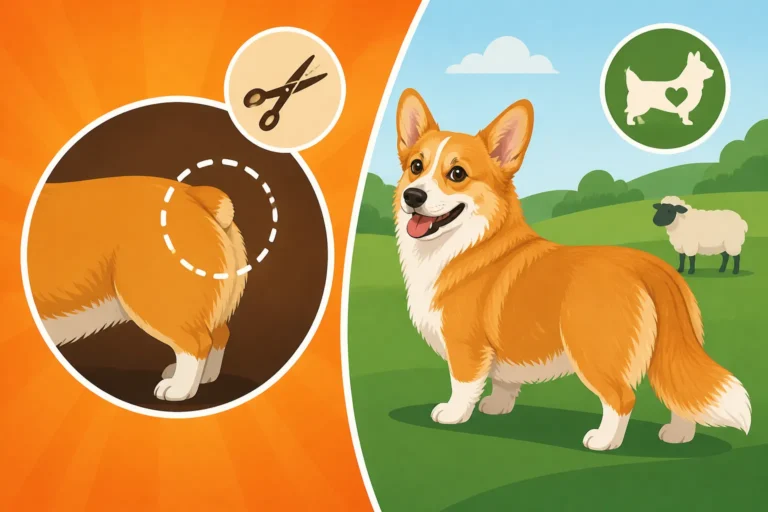
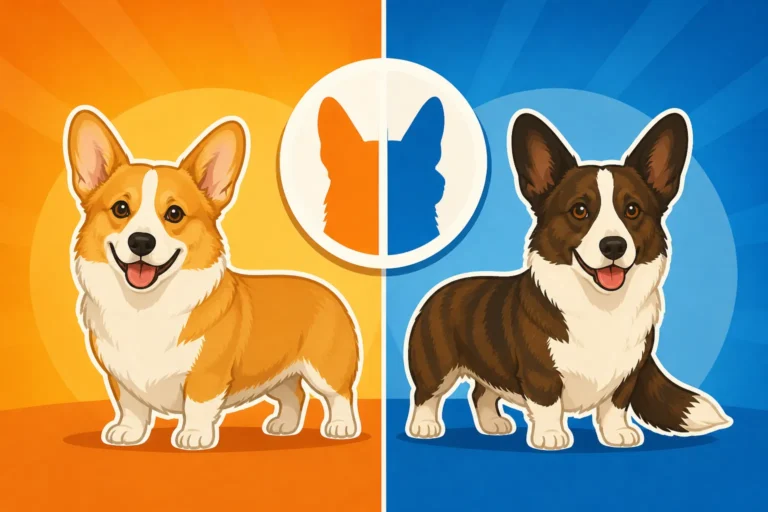
Another noticeable physical distinction is the tail (or lack thereof). Many Pembrokes are born with a naturally bobbed tail or traditionally had their tails docked, historically for practical reasons to prevent injury while working livestock. Cardigan Welsh Corgis, however, always have a long, fox-like tail. Most other herding breeds, such as Australian Shepherds (which can also be naturally bobbed) or Border Collies, typically have full, expressive tails that play a crucial role in balance, communication, and steering during herding tasks. The presence or absence of a tail can affect a dog's balance, especially in fast turns, and its ability to communicate through body language. Whether an Undocked Pembroke Can Be Shown is a topic of discussion among breed enthusiasts, reflecting changing views on tail docking practices.
Health Considerations: Shared Risks and Corgi Specifics
All purebred dogs come with certain predispositions, and herding breeds are no exception. While some health issues are common across the group, Corgis have particular concerns tied directly to their unique conformation and genetics.
Common Herding Breed Ailments
Many herding breeds share certain genetic health concerns. For example, some lines of Collies, Australian Shepherds, and Shetland Sheepdogs can be affected by Collie Eye Anomaly (CEA) or multi-drug sensitivity (MDR1 mutation), which impacts how they process certain medications. Hip and elbow dysplasia are also common orthopedic issues across many larger, active breeds, including some herders, due to the stresses placed on their joints. Reputable breeders for all herding dogs understand the importance of genetic testing and screening to minimize these risks. Ensuring a puppy comes from health-tested parents is paramount, as discussed in The DNA Tests a Corgi Breeder Should Run.
Corgi-Specific Health Concerns
Beyond general herding breed issues, Corgis face distinct health challenges primarily due to their chondrodystrophic build. The most prominent is Intervertebral Disc Disease (IVDD), where the cushioning discs between the vertebrae bulge or rupture, causing pain, nerve damage, and potentially paralysis. This is a very real and often heartbreaking risk for Corgi owners. The Corgi Years When the Back End Gives Out typically occur in middle to older age, but injuries can happen at any time.
Other Corgi-specific concerns include Degenerative Myelopathy (DM), a progressive neurological disease affecting the spinal cord, and Von Willebrand's Disease (vWD), a bleeding disorder. While DM is seen in other breeds, Corgis, particularly Pembrokes, have a higher prevalence of the SOD1 gene mutation associated with it. Understanding these specific risks is crucial for proactive care and breeding decisions.
Importance of Genetic Testing
For any herding breed, and especially for Corgis, genetic health testing is not just a recommendation; it's a necessity. Responsible breeders screen for conditions prevalent in their lines, such as DM, vWD, and potentially hip and elbow evaluations, and eye clearances. This proactive approach helps reduce the incidence of these debilitating diseases. As a prospective Corgi owner, asking about the health testing results of both parents is one of the most important questions you can pose to a breeder. Websites like Chewy also provide a wealth of information and products, from joint supplements to specialized dog food, that can support a Corgi's unique health needs.
Training and Work Ethic: A Corgi's Independent Spirit
Training any dog requires patience, consistency, and an understanding of the breed's natural inclinations. With herding breeds, this often means channeling their innate drives into productive activities. However, the Corgi brings its own distinct flavor to the training arena, often perceived as more independent than some of its eager-to-please relatives.
Corgi Stubbornness vs. Biddability
Many classic herding breeds, like Border Collies or German Shepherds, are renowned for their biddability – their strong desire to work with their handler and their eagerness to please. This makes them highly trainable for complex tasks and competitive dog sports. Corgis, while intelligent, often have a more independent and sometimes stubborn streak. They might understand a command perfectly but choose not to perform it if they don't see the immediate benefit or are otherwise occupied. This isn't a lack of intelligence; it's a difference in their historical work ethic, where they often had to make independent decisions on the fly. Training a Corgi requires a clear understanding of their motivations, often involving high-value treats and making training feel like a fun game rather than a chore. Consistency is key, and getting ahead of unwanted behaviors like excessive barking or nipping is easier if started early.
Mental Stimulation Requirements
All herding breeds thrive on mental stimulation. Without an outlet for their intelligent minds, they can become bored, leading to destructive behaviors, excessive barking, or anxiety. A Border Collie might need complex puzzle toys and advanced training, while a Corgi also benefits immensely from mental challenges. Scent work, puzzle feeders, learning new tricks, or even short bursts of obedience training can keep their sharp minds engaged. Just because they don't herd sheep doesn't mean their brains aren't wired for work. Many owners find that redirecting their natural instincts into structured play or training sessions is far more effective than simply trying to suppress them.
Corgis in Modern Dog Sports
While a high-flying agility course might seem ill-suited for a Corgi's long back and short legs, Corgis can and do excel in many dog sports, often with modifications to suit their physical structure. Herding trials, even with ducks or goats, can be a fantastic outlet for their innate drive. They also shine in obedience, rally, and particularly scent work or nose work, which taps into their excellent sense of smell and doesn't put stress on their spine. Owners must be mindful of their Corgi's physical limitations, especially concerning jumping heights in agility. The goal is to provide a fulfilling mental and physical challenge without risking injury. Whether Agility Is Safe for a Corgi's Spine is a common question, emphasizing the need for caution and proper training.
Living with a Corgi Compared to Other Herding Dogs
Bringing any dog into your home means adapting your lifestyle to meet their needs. For herding breeds, this often involves managing their energy and instincts. Corgis, despite their small size, come with a distinct set of considerations that differ from their larger or more traditionally athletic herding cousins.
Space Requirements and Adaptability
Many larger herding breeds, like German Shepherds or even Australian Shepherds, often do best with ample space, a large yard, or an active rural lifestyle where they can truly stretch their legs and work. Corgis, by contrast, can be surprisingly adaptable to various living situations, including apartments, provided their exercise and mental stimulation needs are met. Their low stature means they don't require vast fields to run, though they certainly enjoy them. What they do need is a safe environment that minimizes jumping onto and off furniture, which can put strain on their delicate backs. Ramps for sofas and beds, and careful management of stairs, are often necessary precautions. Ramps and Steps That Save a Corgi's Back are common recommendations for Corgi households.
Family Life and Children
Herding breeds generally make excellent family dogs due to their intelligence and loyalty. However, their herding instincts can sometimes manifest as nipping at the heels of running children or trying to "round up" family members. This is particularly true for Corgis due to their specific herding style. Proper socialization and teaching children how to interact respectfully with a Corgi are essential. While a German Shepherd might gently nudge a child into place, a Corgi might try to use its mouth. For families with very young children, understanding A Corgi That Herds a Toddler is crucial for ensuring safe interactions and preventing unwanted behaviors.
Vocalization: The Corgi's Bark
Herding dogs are often tasked with guarding their flock and alerting their handler to potential threats, making many of them naturally vocal. Corgis, however, often take this trait to another level. They are renowned for their enthusiastic barking, whether it's at the mailman, a leaf blowing across the yard, or simply to express their opinions. While a Border Collie might bark to gather sheep, a Corgi often barks to announce. This characteristic can be a significant consideration for those living in apartments or close-knit communities, as discussed in Whether a Corgi Suits Shared Walls. Training a "quiet" command from a young age is often essential for harmonious living.
Activity Levels and Exercise Needs
It's a common misconception that because Corgis are small and have short legs, they don't require much exercise. Nothing could be further from the truth! Like all herding breeds, Corgis are working dogs at heart, and they have the stamina and drive to prove it. Their exercise needs, while different from a high-energy Border Collie, are still substantial and crucial for their physical and mental well-being.
More Than Just Short Legs
While they might not cover ground as quickly as a long-legged herder, Corgis possess remarkable stamina and agility. They were bred to work long days, running for miles under the bellies of cattle. This means they need more than just a quick stroll around the block. A healthy adult Corgi typically requires at least 45-60 minutes of brisk exercise daily, often broken into two sessions. This could include fast-paced walks, controlled playtime in a securely fenced yard, or engaging in mentally stimulating activities like fetch or hide-and-seek. Simply letting them out in the yard isn't enough; they need interactive, engaging exercise to truly satisfy their physical needs. The Forty-Five Minutes a Corgi Needs Daily is not a suggestion, but often a minimum requirement for a well-adjusted Corgi.
Satisfying the Herding Urge
Beyond physical exercise, Corgis need outlets for their inherent herding instincts. This doesn't mean you need to buy a flock of sheep, but it does mean providing alternatives. Puzzle toys, interactive games, and structured training sessions can help channel their drive to problem-solve and "work." Many Corgis enjoy supervised playdates with other well-socialized dogs, where they can engage in natural chasing and play behaviors. Even a game of "find the treat" hidden around the house can be a great way to engage their minds and burn off some energy without putting undue stress on their back. For energetic Corgis, exploring sports like scent work or low-impact rally obedience can be highly fulfilling.
Avoiding Overexertion
While Corgis are energetic, their unique body structure demands careful consideration to prevent injury. Unlike a German Shepherd, which might happily go for a long hike over rugged terrain, a Corgi's long back and short legs make them more susceptible to spinal injuries. High-impact activities, repetitive jumping (especially from heights), and vigorous roughhousing with much larger dogs should be approached with caution or avoided altogether.
It's also essential to manage their weight. An overweight Corgi places even more strain on their spine and joints, exacerbating potential health issues. Feeding a Corgi So Its Spine Carries Less is a critical component of their long-term health plan. Owners should always be mindful of their Corgi's breathing and stamina, especially in hot weather, as their double coat can make them prone to overheating. A general rule of thumb is to err on the side of caution and prioritize steady, controlled exercise over intense, high-impact bursts.
Comparing Corgis to Other Popular Herding Breeds
To truly appreciate the Corgi's place in the herding world, it's helpful to see how they stack up against a few other well-known breeds from the same group.
| Feature | Pembroke Welsh Corgi | Border Collie | Australian Shepherd | German Shepherd Dog | Shetland Sheepdog |
|---|---|---|---|---|---|
| Size/Stature | Small, low-slung, long body, short legs (chondrodystrophic) | Medium, athletic, agile, balanced | Medium, robust, athletic, slightly longer than tall | Large, strong, muscular, longer than tall | Small-to-medium, graceful, agile |
| Herding Style | Heelers, drive cattle by nipping at heels, low to ground | Eye-stalkers, gather and control flock with intense gaze | All-around drovers, gather, drive, and guard | Natural herders, often used for police/military work | Nippers, smaller scale herding, very watchful |
| Typical Temperament | Bold, intelligent, independent, sometimes stubborn, vocal | Highly intelligent, energetic, intense, sensitive, biddable | Intelligent, energetic, playful, loyal, eager to please | Loyal, courageous, intelligent, protective | Intelligent, sensitive, devoted, sometimes reserved |
| Exercise Needs | Moderate-high: 45-60 min brisk activity + mental stimulation | Very high: 90-120 min intense activity + complex mental work | High: 60-90 min vigorous activity + mental challenges | High: 60-90 min vigorous activity + training | Moderate-high: 45-60 min activity + mental games |
| Grooming Needs | High: Daily brushing during shed, heavy year-round shedding | Moderate-high: Regular brushing, seasonal shedding | Moderate-high: Regular brushing, seasonal shedding | Moderate: Regular brushing, seasonal shedding | High: Regular brushing to prevent mats, heavy shedding |
| Common Health Concerns | IVDD, DM, vWD, hip dysplasia | CEA, hip dysplasia, epilepsy, TNS | Hip/elbow dysplasia, eye issues (MDR1), epilepsy | Hip/elbow dysplasia, DM, bloat | CEA, hip dysplasia, vWD, patellar luxation |
Conclusion: The Enduring Spirit of the Corgi Herder
The Corgi is undeniably a unique jewel in the crown of the herding group. While they may not fit the conventional image of a sheepdog gracefully guiding a flock across vast plains, their courage, intelligence, and specialized herding style speak volumes about their working heritage. From their distinctive body shape designed to avoid cattle kicks, to their assertive personalities and vocal nature, every aspect of a Corgi tells a story of a capable and independent working dog.
Understanding these traits, both the charming and the challenging, is essential for any Corgi owner. It means appreciating their need for mental stimulation, managing their strong herding instincts, and proactively caring for their unique physical structure, particularly their long back. Owning a Corgi isn't just about having a cute, fluffy companion; it's about sharing your life with a miniature cattle dog, brimming with intelligence and a history as rich and fascinating as any other herding breed.
Disclaimer
This article is for general informational purposes only and does not constitute professional advice. Laws, prices and regulations vary by location and change over time. Consult a qualified professional for guidance on your specific situation.