A Corgi That Herds a Toddler
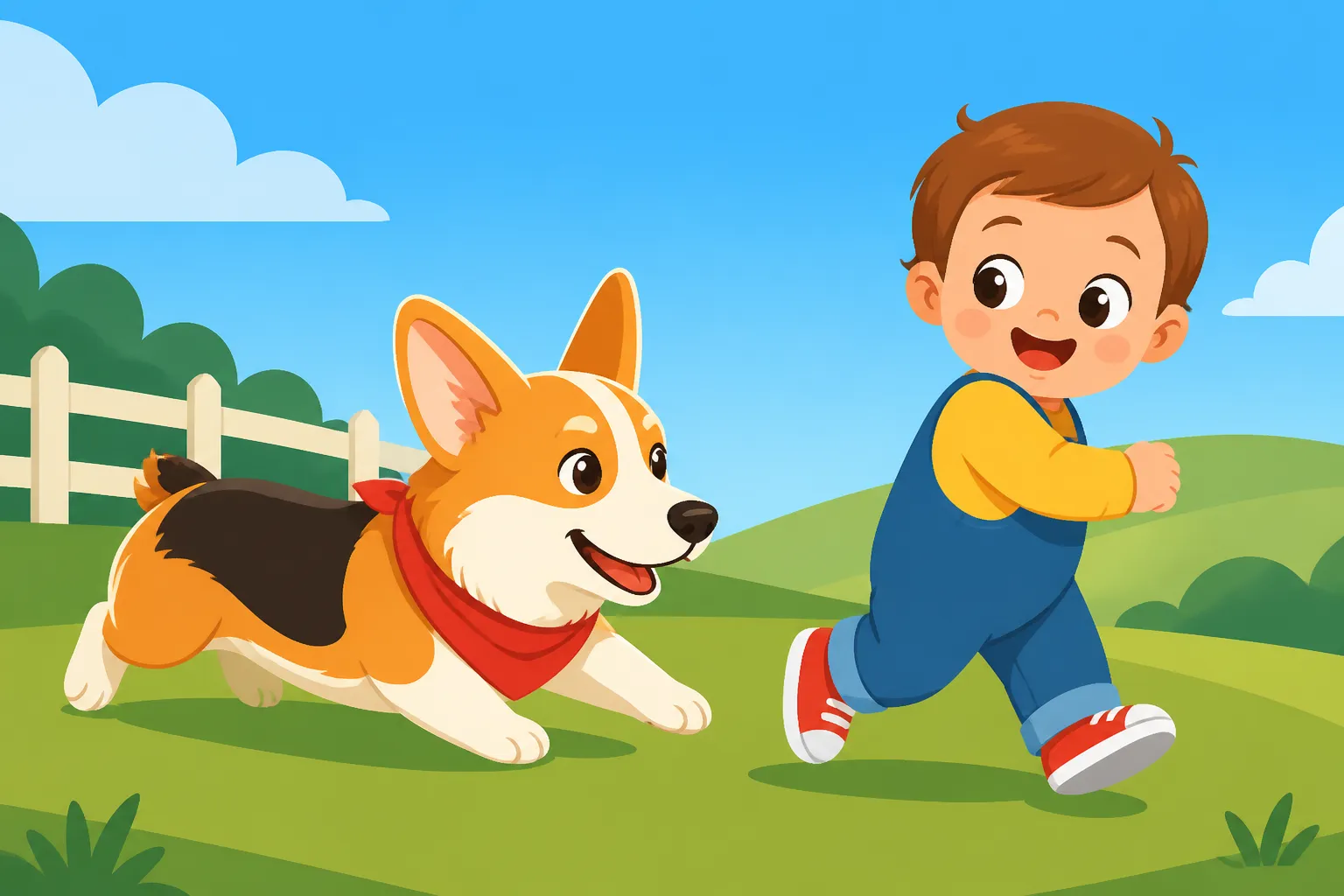
It's an adorable image in theory: your tiny Corgi, a pint-sized package of fluff and personality, "herding" your even tinier human. But let's be real, when that playful herding turns into nipping, nudging, or incessant circling, it quickly moves from charming to downright frustrating and, more importantly, potentially unsafe for your toddler. This comprehensive guide will delve into why your Corgi acts this way, how to decipher their intentions, and, most importantly, provide actionable steps to manage and redirect that powerful herding instinct into behaviors that keep everyone, two-legged and four-legged, happy and safe in your home.
The Instinct Behind the "Toddler Herding"
It's easy to look at our domestic Corgis, lounging on the sofa, and forget their rich history as working dogs. They weren't just pets; they were integral to farm life, specifically bred for a very demanding job. Understanding this deep-rooted past is the first step in addressing their present-day behaviors, especially when it comes to the wobbly, unpredictable movements of a toddler.
The Herding Breed Instinct
Corgis, whether Pembroke or Cardigan, come from a long line of cattle drivers. They're what we call "heeling" or "droving" dogs, meaning their job wasn't to gather sheep from a distance like a Border Collie, but to nip at the heels of stubborn cattle to get them moving. Imagine trying to move a large, slow-moving cow – you need a dog that's low to the ground, agile, quick, and persistent. That's your Corgi in a nutshell. This instinct is so deeply ingrained in their DNA that it often surfaces even in dogs that have never seen a cow in their life. When they see something moving in a way they perceive as uncontrolled or needing direction, their natural inclination is to try and gather it, to control its movement. For a Corgi, a toddler often fits this description perfectly.
The breed's history is fascinating, showcasing generations of selective breeding for these very traits. This isn't just a quirky habit; it's a profound part of who they are. It’s why you might also see behaviors like A Corgi That Nips Running Children or even A Corgi That Grabs Trouser Legs. It's not malice; it's instinct.
The Lure of Movement and Unpredictability
Toddlers are, to put it mildly, unpredictable. They run, they stumble, they crawl, they shriek, they change direction on a dime, and their movements are often erratic and uncoordinated. To a Corgi, this kind of movement can be a huge trigger for their herding instinct. It’s like a flashing neon sign saying, "Someone needs to bring order to this chaos!" The lower height of a Corgi also means they are eye-level with a toddler, making the interaction feel even more direct and intense for both parties. Your Corgi isn't necessarily trying to be mean; they're responding to a primal urge to control the movement of a "flock" member they perceive as straying or moving too erratically.
Think about it from your Corgi's perspective: a small, fast-moving object that sometimes squeals or laughs. It's a high-value target for a dog bred to manage livestock. The excitement of the chase, even if it's just a small child wobbling down the hallway, can be incredibly reinforcing for them.
Misinterpretation of Play
One of the biggest challenges is that Corgis might perceive a toddler's movements and even some of their reactions as part of a game. A child running away, for example, might be seen as an invitation to chase and "herd" even harder. A squeal or a laugh could be interpreted as excitement, fueling the Corgi's drive. It’s a vicious cycle where the child's natural reactions inadvertently reinforce the Corgi's unwanted behavior. This isn't to blame the child, of course; they're just being toddlers! But it highlights why simply telling your Corgi "no" often doesn't work – they don't understand the context from our human perspective.
This is why understanding canine body language is so crucial. What looks like playful chasing to some might be a more intense herding drive to others, escalating quickly into unwanted nipping.
Understanding the "Herding" Behavior
Before you can effectively manage the behavior, you need to understand exactly what your Corgi is doing and what signals they are giving off. Not all "herding" is created equal, and some signs are more indicative of a problem than others.
Nipping, Bumping, and Circling
A Corgi's herding behavior can manifest in several ways:
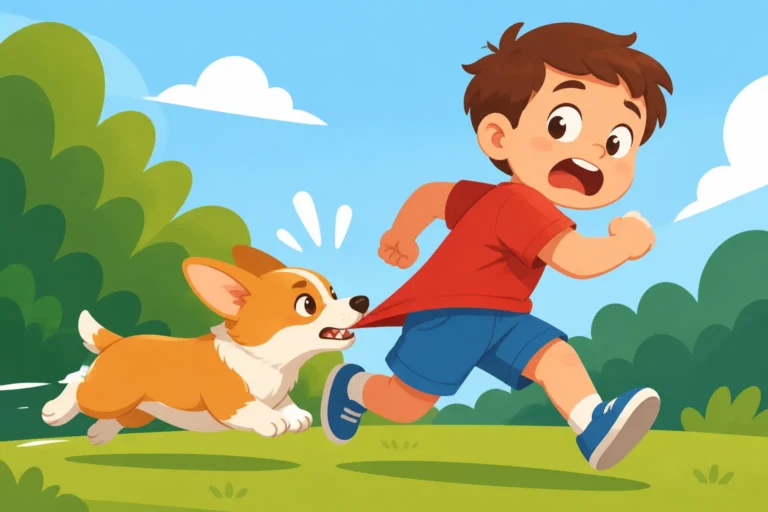
- Nipping: This is perhaps the most concerning. Originating from their cattle-driving days, a Corgi might nip at a toddler's ankles or calves to get them to move in a desired direction. While often not intended to cause serious injury, even a "play nip" from a Corgi can be painful and frightening for a small child, and can easily break the skin.
- Bumping: Your Corgi might physically bump into the toddler with their body, trying to steer them or stop their movement. This is another way they exert control over a "straying" flock member.
- Circling: They might run circles around the toddler, trying to gather them into a smaller, more controllable space. This is a classic herding maneuver.
- Staring/Fixating: Before any physical action, you might notice your Corgi intently staring at your toddler, almost "stalking" them. This is often the precursor to a herding attempt.
It's vital to differentiate between these behaviors and general puppy nipping. While puppies explore with their mouths, herding-related nips often have a specific context – directed at movement, especially quick or erratic movement. For more on this, you might find The Cattle-Driving Nip a Corgi Still Has helpful.
Body Language Clues
Your Corgi will tell you a lot about their intentions through their body language long before they make contact. Learning to read these signals can help you intervene before the behavior escalates.
- Low Stance: A Corgi ready to herd might crouch low, almost like a predator stalking prey, before darting forward.
- Intense Gaze: Their eyes will be fixed on the toddler, often with dilated pupils.
- Tail Wag (Contextual): A wagging tail doesn't always mean happiness. A stiff, rapid tail wag in a low position, combined with intense focus, can indicate heightened arousal and an impending herding attempt, rather than joyful play.
- "Eye" and Stance: Like other herding breeds, Corgis might exhibit "the eye," a focused, intense stare that tries to control movement. Their body might be tense, leaning forward.
If you see these signs, it's a clear indicator that your Corgi is entering "work mode" and it's time to interrupt and redirect their attention. Understanding what their body is communicating can be a lifesaver in preventing unwanted interactions.
Toddler Reactions and Escalation
It’s completely natural for a toddler to react to a dog’s nipping or chasing by crying, running faster, or even hitting out in fear. Unfortunately, these reactions often inadvertently reinforce the Corgi's herding drive.
- Running Away: To a herding dog, a fleeing "flock member" is a signal to chase and gather. The faster the toddler runs, the stronger the instinct to pursue.
- Crying/Screaming: High-pitched noises can increase a dog's arousal and excitement, potentially making them even more persistent in their herding attempts.
- Swatting/Hitting: While understandable, a child hitting a dog can sometimes escalate the situation. The dog might interpret it as rough play or even become defensive, leading to a more serious nip.
This creates a frustrating and potentially dangerous cycle. The Corgi acts on instinct, the toddler reacts naturally, and the cycle continues. Breaking this pattern requires consistent intervention from you, the owner. We need to teach the Corgi what to do, and the toddler how not to inadvertently trigger the herding.
Managing and Redirecting Herding Instincts
Effective management and redirection are key to living harmoniously with a Corgi and a toddler. This isn't about punishing your dog for being a Corgi; it's about channeling their natural drives into appropriate outlets and teaching them impulse control around your child.
Consistent Supervision and Management
When you have a Corgi and a toddler, 100% supervision is non-negotiable. This means you must be actively engaged when they are in the same space.
- Physical Presence: Never leave your Corgi and toddler unsupervised, not even for a second. Accidents happen incredibly quickly. This isn't just about preventing bites, but also teaching your Corgi that you are in control of their interactions.
- Leash Management: In the initial stages, consider having your Corgi on a leash, even indoors, when your toddler is present. This allows you to immediately and gently guide your Corgi away if you see early signs of herding. A lightweight house line that they can drag can be invaluable for this, giving you a safe way to intervene without grabbing their collar.
- Baby Gates and Pens: Creating physical barriers is one of the most effective management tools. Use baby gates to separate your Corgi and toddler, especially when you can't offer your undivided attention. An indoor playpen for your dog can also offer them a safe, quiet space to observe the toddler without being able to interact inappropriately. Brands like Amazon offer a wide variety of sturdy baby gates and dog pens that can be invaluable in a Corgi household.
- "Place" Command: Teach your Corgi a strong "place" command. This means they go to a designated bed or mat and stay there until released. This provides a safe, calm alternative when your toddler is active. Reward heavily for staying on their "place" while the toddler moves around nearby.
The goal here isn't to punish the Corgi, but to prevent the rehearsing of unwanted behaviors and give you the chance to intervene and redirect.
Teaching Alternative Behaviors
Instead of constantly telling your Corgi "no," focus on teaching them what you do want them to do around your toddler. This involves positive reinforcement and redirection.
- "Leave It" Command: This is a crucial command. Teach your Corgi to "leave it" when they focus on the toddler. Start with high-value treats and gradually increase the distractions. When they ignore the toddler's movement to "leave it," reward them profusely.
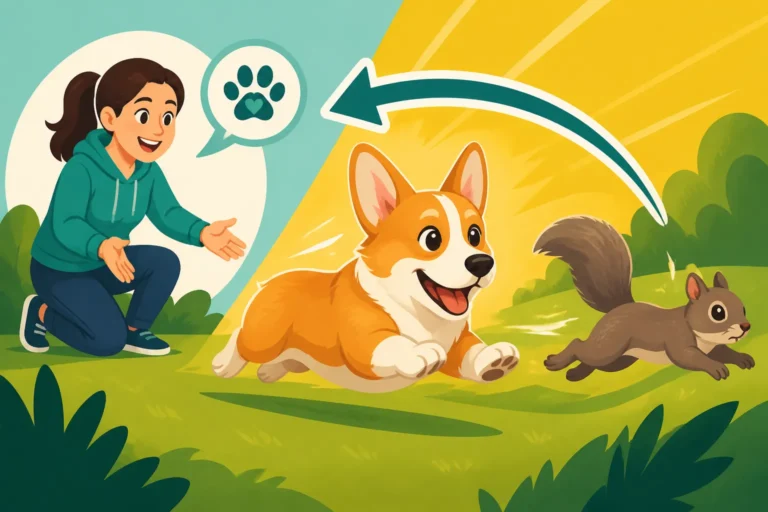
- Redirection with Toys: If your Corgi starts to focus on the toddler, immediately redirect their attention to an appropriate toy. A squeaky ball or a tug toy can be a great way to channel their energy into acceptable play. Always have a toy handy.
- Positive Interrupters: A sudden, novel sound (like a kissy noise or a specific word) can interrupt their focus on the toddler without startling them too much. Once you have their attention, immediately ask for an alternative behavior (like "sit" or "down") and reward.
- Structured Play: Engage your Corgi in structured play sessions away from the toddler. This can be fetch, tug, or even The Job a Corgi Needs Instead of Herding You like flirt pole play, which mimics a chase without involving the child. This helps satisfy their innate drives.
Remember, consistency is everything. Every time your Corgi successfully chooses an alternative behavior over herding, you're reinforcing the right choice.
Enrichment and Mental Stimulation
A bored Corgi with unchanneled herding instincts is a recipe for disaster. Providing ample mental and physical stimulation is essential for keeping their minds and bodies busy in constructive ways.
- Puzzle Toys and Treat Dispensers: These can keep your Corgi occupied and mentally engaged, especially when you need to focus on your toddler. Fill them with a portion of their daily kibble to make mealtime a brain game.
- Scent Work: Corgis have excellent noses! Engaging in scent work or "nose games" can be incredibly tiring and satisfying for them, as it taps into their natural instincts to search and problem-solve. Scentwork as a Sport That Spares a Corgi's Back is a fantastic low-impact activity.
- Training Sessions: Regular, short training sessions (5-10 minutes, several times a day) can burn mental energy. Corgis are smart, but can be stubborn, so keep it fun and rewarding. Consider an online training program like BAXTER & Bella, which provides structured lessons you can do at home, helping you teach obedience and impulse control. For more on their intelligence, see Training a Corgi That Makes Its Own Decisions.
- Appropriate Exercise: While Corgis have short legs, they are energetic dogs. Ensure they get enough physical exercise separate from their interactions with the toddler. Walks, controlled off-leash play in a secure area, or even Agility With a Corgi's Back in Mind (with careful consideration for their backs) can help burn off excess energy. Remember, a tired Corgi is often a good Corgi.
Creating a Safe and Harmonious Environment
Long-term success with a Corgi and a toddler relies on establishing clear boundaries, teaching both parties appropriate interactions, and knowing when to seek additional help.
Physical Barriers and Safe Zones
As mentioned earlier, physical barriers are your best friends. They provide a safe, clear boundary that prevents unwanted interactions and gives you peace of mind.
- Gated-Off Areas: Designate "dog-free" zones for your toddler where they can play safely without the Corgi's interference. Likewise, give your Corgi a "toddler-free" zone, like a crate or a specific room, where they can retreat and relax without being bothered.
- Elevated Spaces: Corgis are attracted to movement on the ground. Providing your toddler with a high chair or a playpen can create a safe, elevated space for them to play or eat, out of your Corgi's direct line of interest and reach.
- Secure Crates/Pens: Your Corgi should have a comfortable, secure crate or pen that they view as their safe haven. This is not for punishment, but for quiet time, especially during busy toddler moments. This can also be invaluable for managing dogs during periods of Keeping a Confined Corgi Occupied.
These physical management tools are not substitutes for training, but they are essential for creating a structured environment where positive interactions can be fostered and negative ones prevented.
Teaching Children How to Interact
While your Corgi has instincts, your toddler also needs guidance on how to behave around dogs, especially low-to-the-ground herding dogs.
- "Be a Tree" or "Be a Rock": Teach your toddler to stand still and quiet like a tree or sit down like a rock if the Corgi approaches them too intensely. Running and screaming can trigger chasing.
- Gentle Hands: Model and teach your child to use gentle hands when touching the dog, always on the back or shoulder, never the head or tail, and never pulling fur or poking eyes. This is crucial for Teaching Children Not to Run From a Corgi and helping them learn appropriate boundaries.
- No Roughhousing with the Dog: Explain that the Corgi is not a toy. There should be no wrestling, pulling, or chasing the dog. All interactions should be calm and supervised.
- Respecting Space: Teach your toddler that when the Corgi is in their bed, crate, or eating, they need to leave the dog alone. This helps prevent resource guarding or territorial issues.
It's a continuous process, as toddlers grow and develop. Reinforce these rules often, and always supervise. For more on successful integration, consider insights from Corgis Raised Alongside Children.
Professional Help and Advanced Training
Sometimes, despite your best efforts, the herding behavior can be too ingrained, or the nipping too persistent. Don't hesitate to seek professional help.
- Certified Professional Dog Trainer (CPDT-KA): A qualified trainer specializing in positive reinforcement can assess your specific situation, observe your Corgi's behavior, and develop a customized training plan. They can teach you more advanced techniques for impulse control, redirection, and behavior modification.
- Veterinary Behaviorist (Dip ACVB): If the behavior is severe, includes aggressive nipping, or is difficult to manage, a veterinary behaviorist is a veterinarian with specialized training in animal behavior. They can rule out any underlying medical conditions contributing to the behavior and can prescribe medication if necessary to help manage anxiety or extreme impulses, alongside a behavior modification plan.
- Breed-Specific Knowledge: When looking for a professional, try to find someone with experience with herding breeds. They'll better understand the nuances of the Corgi temperament and what motivates them. You might also want to explore options like BAXTER & Bella for their online resources and personalized coaching, which can be a valuable supplement to in-person training.
Remember, getting help isn't a sign of failure; it's a sign of a responsible pet owner committed to the safety and well-being of both their child and their Corgi. Early intervention is always better than waiting for the problem to escalate.
It's a marathon, not a sprint, when you're managing a Corgi's herding instincts around a toddler. Be patient, be consistent, and never underestimate the power of prevention and positive reinforcement. Your little herder can learn to be a wonderful companion for your little human!
Summary of Key Strategies
Here's a quick overview of the essential strategies to help manage your Corgi's herding tendencies around your toddler:
| Strategy Category | Key Actions | Benefits |
|---|---|---|
| Understanding Instinct | Learn Corgi history, recognize triggers (movement, unpredictability). | Helps you empathize with your Corgi and proactively identify potential problems. |
| Behavior Recognition | Identify nipping, bumping, circling, intense stares; read body language. | Allows for early intervention, preventing escalation and potential harm. |
| Constant Supervision | Never leave Corgi and toddler alone; use leashes indoors. | Immediate prevention of unwanted behaviors; builds your Corgi's understanding of boundaries. |
| Physical Barriers | Use baby gates, playpens for both dog and child; create safe zones. | Prevents unwanted interactions when supervision isn't 100%; provides peace of mind. |
| Redirection & Training | Teach "leave it," redirect with toys, use positive interrupters, "place" command. | Channels instinct into appropriate activities; builds a strong foundation of obedience and impulse control. |
| Enrichment & Exercise | Provide puzzle toys, scent work, training games, sufficient walks. | Reduces boredom and excess energy; satisfies mental and physical needs constructively. |
| Teaching the Toddler | Instruct on gentle interactions, respecting space, "be a tree." | Reduces triggers for herding; promotes safe and respectful interactions from the child's side. |
| Professional Support | Consult CPDT-KA or veterinary behaviorist for severe cases. | Provides expert guidance, customized plans, and medical intervention if needed. |
By implementing these strategies, you can create a safe, respectful, and joyful environment for everyone in your family.
Disclaimer
This article is for general informational purposes only and does not constitute professional advice. Laws, prices and regulations vary by location and change over time. Consult a qualified professional for guidance on your specific situation.