Whether an Undocked Pembroke Can Be Shown
It's a common dilemma for Corgi lovers and prospective exhibitors: you adore the natural look of a full, wagging tail on your Pembroke Welsh Corgi, but you also dream of stepping into the show ring. The question of whether an undocked Pembroke can be shown can be incredibly confusing, especially with differing rules and long-held traditions. This guide aims to demystify the regulations and offer insights into how an undocked Corgi fares in the competitive world of dog shows.
The Historical Context of Corgi Tail Docking
For generations, the image of a Pembroke Welsh Corgi has been synonymous with a short, bobbed tail. This isn't just a stylistic choice; it's deeply rooted in the breed's history as a working dog and has been perpetuated by breed standards for a long time. Understanding this history helps us grasp why the conversation around undocked tails in the show ring is so nuanced.
Functionality in Herding vs. Breed Standard
Historically, Corgis were bred to be tenacious cattle drovers. Their low stature allowed them to nip at the heels of cattle, avoiding dangerous kicks. A long tail, in this context, was often seen as a liability. It could get stepped on, caught in farm machinery, or even grabbed by a disgruntled cow. Docking the tail was a practical measure, intended to protect the dog from injury while performing its duties. It wasn't about aesthetics; it was about the dog's safety and effectiveness on the farm. This functional necessity ingrained the short tail into the breed's working identity.
Beyond functionality, the appearance of the docked tail became a defining characteristic that was eventually written into the breed standard. When Corgis transitioned from purely working dogs to companion animals and show dogs, the short tail was already firmly established as part of the "correct" look. Judges and breeders, for decades, expected to see a Pembroke with a docked tail, or a naturally bobbed tail that mimicked the docked appearance. This tradition became so strong that an undocked tail was often considered a deviation from the ideal, even if the underlying functional need had diminished for most modern Corgis. The breed's identity, as codified in official documents like The AKC Pembroke Welsh Corgi Standard, strongly emphasized this characteristic.
The Evolution of Breed Standards
Breed standards are living documents, though they evolve slowly. They are set by national kennel clubs in conjunction with breed parent clubs, outlining the ideal characteristics of a breed. For Pembrokes, the docked tail or natural bobtail has been a consistent feature in many of these standards for a very long time. This created a strong bias against undocked tails in the show ring, often leading to disqualification or severe penalization in countries where docking was still permitted.
However, over the past few decades, there has been a significant shift globally regarding animal welfare. Many countries, particularly in Europe, have enacted bans on cosmetic tail docking, citing it as an unnecessary surgical procedure. This has directly impacted the show world, forcing kennel clubs to adapt their rules to accommodate dogs from regions where docking is illegal. The change in legislation has sparked a broader conversation within the Corgi community about tradition versus welfare, and how to preserve breed type while adhering to modern ethical considerations. It’s a dynamic situation, with different countries and different kennel clubs taking varied approaches to this evolving ethical landscape. You can learn more about the historical practice in Why Pembroke Tails Were Docked Historically.
Current Kennel Club Regulations on Tail Docking
Navigating the rules for showing an undocked Pembroke Corgi can feel like deciphering a complex legal document, because in many ways, it is. The regulations vary significantly depending on where you plan to show your dog, and even within specific regions, there can be nuances that are easily overlooked. It's not a one-size-fits-all answer, which is why researching the specific rules of the organization you're interested in is paramount.
Rules in Different Regions
The most significant factor in whether an undocked Pembroke can be shown is the country's legislation and its national kennel club's rules. In many parts of Europe, including the UK, most Scandinavian countries, and several others, cosmetic tail docking is either completely banned or severely restricted. Consequently, the kennel clubs in these regions have amended their breed standards and show regulations to allow, and in some cases, even require undocked Pembrokes in the show ring. For example, The Kennel Club (UK) explicitly states that Pembrokes with undocked tails are to be shown and judged equally. In these areas, an undocked tail is not a fault; it's the norm.
However, in other regions, most notably the United States and some parts of Canada, tail docking is still legal and practiced. The American Kennel Club (AKC) standard for the Pembroke Welsh Corgi describes a "tail docked as short as possible without being indented." This means that conventionally, Pembrokes entered in AKC conformation events are expected to have a docked tail. An undocked tail would typically be considered a fault according to their current breed standard. This creates a stark contrast, where a Corgi perfectly acceptable in a UK show ring might face significant challenges, if not disqualification, in an AKC show ring purely because of its tail. It's a key distinction you absolutely must understand depending on your location. For more context, see Whether Corgi Tail Docking Is Still Legal Here.
Exceptions and Grandfather Clauses
While the general rule in the US is that Pembrokes should be docked for AKC conformation, there are often exceptions and "grandfather clauses" that breeders and owners need to be aware of. Sometimes, a dog born in a country where docking is banned, and thus legally undocked, may be permitted to be shown in another country where docking is customary, under specific conditions. These conditions usually require proof of the dog's origin and that its tail was undocked due to legal restrictions in its birth country, not by choice. This prevents owners from simply choosing not to dock a dog born in a region where it's legal and still expecting to show it competitively without penalty.
These exceptions are not universal and vary from kennel club to kennel club. For instance, the AKC has made some allowances for dogs imported from countries with docking bans, enabling them to compete. However, the interpretation and application of these rules can be complex. It often involves a lot of paperwork and sometimes requires special registration or a specific waiver. Owners might also find that while technically allowed, an undocked dog still faces an uphill battle against deeply ingrained judging preferences. It's a very different scenario for a Pembroke with a The Natural Bobtail Gene in Corgis, as these are naturally short, and their genetics are verifiable, making them more easily accepted even in strict docking environments.
Here's a simplified table comparing general rules in different regions for Pembroke Corgi show eligibility:
| Region/Kennel Club | Tail Docking Status | Undocked Pembroke Show Eligibility | General Judging Preference |
|---|---|---|---|
| United Kingdom (The Kennel Club) | Banned (cosmetic) | Yes, fully accepted | Undocked is the norm and expected |
| Europe (Most countries) | Banned (cosmetic) | Yes, fully accepted | Undocked is the norm and expected |
| United States (AKC) | Legal, common | No, generally considered a fault | Docked or natural bobtail preferred |
| Canada (CKC) | Legal, common (variable) | Often accepted with proof of origin | Docked or natural bobtail preferred |
| Australia (ANKC) | Banned (cosmetic in most states) | Yes, fully accepted | Undocked is the norm and expected |
Note: Rules are subject to change and vary by specific legislation and kennel club interpretation. Always check the latest regulations directly with the relevant organization.
Impact of an Undocked Tail on Show Judging
Even in regions where undocked Pembrokes are legally allowed and encouraged, there can still be an unspoken, subtle impact on judging. This isn't necessarily due to malice or rule-breaking, but rather a reflection of decades of conditioning within the fancy. Judges, especially older ones, may have spent their entire careers evaluating Pembrokes primarily with docked tails, and shifting that perspective takes time and conscious effort.
The "Overall Picture" and Breed Type
Conformation judging is all about the "overall picture" and how well a dog conforms to its breed standard, representing the ideal breed type. When a judge looks at a Pembroke Welsh Corgi, they are assessing its structure, movement, head, coat, and temperament. For many years, the short, jaunty bobtail or docked tail was an integral part of that silhouette, that classic Corgi look. An undocked tail, particularly one with lush feathering, changes that silhouette dramatically. It can alter the perceived length of back, the balance of the dog, and even its overall expression and movement.
A beautiful, natural tail that is carried correctly can certainly enhance a Corgi's appearance. However, if that tail is carried too high, or curls excessively over the back, or is too fine or coarse, it can distract from an otherwise excellent dog. Judges are trained to look for balance and proportion, and an unfamiliar tail can sometimes inadvertently throw off those perceptions, even if they are striving to be impartial. The sheer visual difference can make a judge pause, perhaps unconsciously applying an older mental image of the breed. This isn't to say an undocked Corgi can't win; they absolutely do, particularly where undocking is the legal standard. It simply means the judge's eye has to adjust.
Finding a Judge Who Understands
Success with an undocked Pembroke in the show ring, particularly in transitional periods or regions with mixed views, can sometimes come down to finding judges who have embraced the change. There are judges who have actively educated themselves on the allowances for undocked tails and who genuinely appreciate a well-carried, natural Corgi tail. These judges will evaluate the tail on its merits – its set, carriage, and how it flows with the dog's overall structure – rather than simply penalizing it for being there.
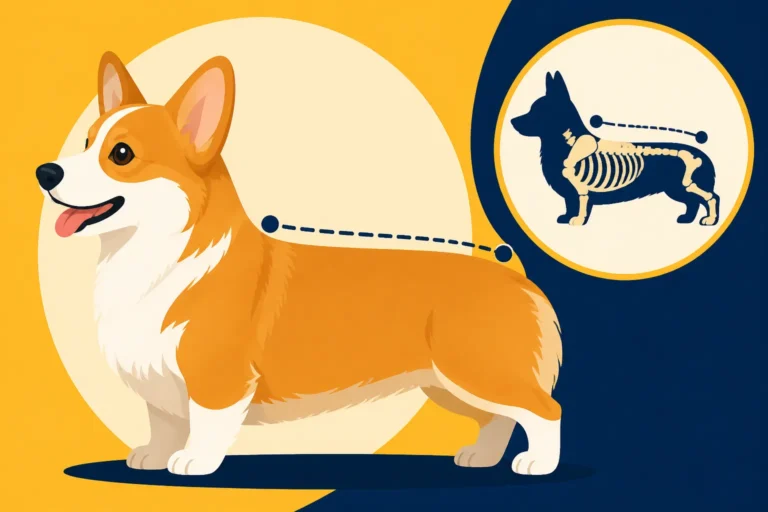
Conversely, there might be some judges who, despite official rules, still hold a strong personal preference for the traditional docked appearance. While they cannot legally fault an undocked dog in areas where it's permitted, their unconscious bias might still play a role in their final decision. As an exhibitor with an undocked Corgi, building a relationship with judges who are known to be fair and open-minded about natural tails can be beneficial. It's about finding those who understand that the essence of the Corgi breed type is about more than just a short tail, focusing instead on aspects like the correct The Corgi Body the Standard Describes and healthy movement. Many Corgi clubs and online forums can provide insights into which judges are more progressive in their approach to undocked Pembrokes.
Ethical Considerations and Owner Choices
The debate surrounding tail docking is not just about show ring rules; it's deeply tied to ethical considerations about animal welfare and an owner's personal philosophy. Choosing whether to support or exhibit an undocked Corgi carries weight, influencing not only your dog's future but potentially the breed's direction as a whole.
The Welfare Argument
For many, the primary driver behind the movement away from tail docking is the welfare of the animal. Cosmetic tail docking is a surgical procedure, typically performed on puppies just a few days old, often without anesthesia. While proponents argue that puppies at this age have underdeveloped nervous systems and experience minimal pain, animal welfare organizations and veterinary associations widely disagree. They contend that it is a painful, unnecessary mutilation that offers no benefit to the vast majority of Corgis who will live as companions, not cattle drovers. This strong ethical stance has led to the legal bans seen in many countries, reflecting a societal shift towards greater protection for animals.
Owners who choose to keep their Corgi undocked often do so out of a conviction that it's the most humane choice. They believe their dog deserves to keep its natural tail, which plays a crucial role in balance, communication, and overall body language. A Corgi's expressive tail can convey so much – from excitement to apprehension – and losing that communication tool is seen by many as a detriment. This ethical perspective often extends to other practices, like ensuring a Corgi's weight is carefully managed to avoid spinal issues, as discussed in Why Corgi Weight Is a Spinal Problem.
Supporting Undocked Corgis in the Ring
If you're an owner with an undocked Pembroke who wishes to show, you're not just exhibiting your dog; you're also making a statement. By presenting an undocked Corgi, especially in regions where it's still less common, you contribute to normalizing the natural appearance of the breed in the public eye and within the show community. It's a way to advocate for the welfare position and demonstrate that a Corgi can be beautiful, sound, and successful without undergoing docking.
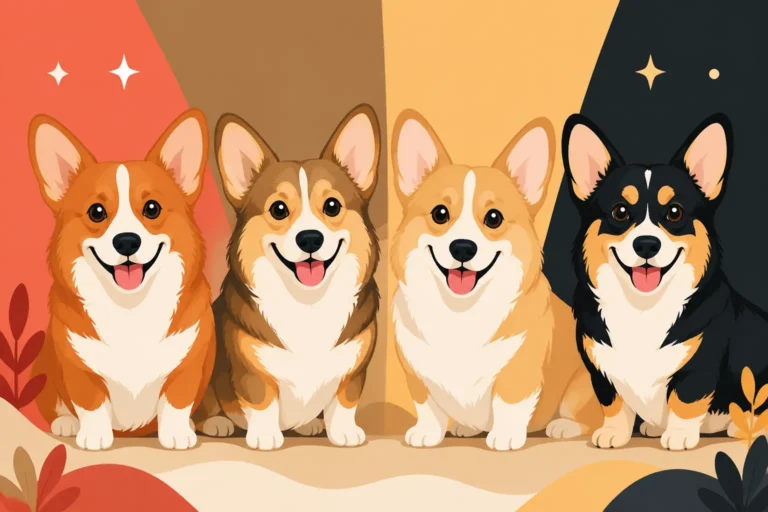
This commitment might mean seeking out shows and judges known to be open-minded, and perhaps being prepared for a longer journey to achieve championship titles compared to a conventionally docked dog in certain areas. It also means ensuring your undocked Corgi's tail is impeccably groomed and presented. The longer tail often has feathering that needs regular brushing and care to prevent mats and ensure it looks its best. You might find great grooming tools and supplies, including special brushes for long coats and feathering, on platforms like Chewy, which offers a wide array of products to keep your Corgi's coat, including its tail, looking fantastic. Regular grooming routines are essential to ensure the tail remains healthy and aesthetically pleasing, especially when highlighting beautiful Red, Sable, Fawn and Black-and-Tan Corgis with their vibrant coats. By showing an undocked Corgi with confidence and pride, you can help pave the way for future generations of natural-tailed Pembrokes in the conformation ring.
Grooming and Presentation of an Undocked Tail
Presenting an undocked Pembroke in the show ring adds a layer of responsibility to your grooming routine. While a docked tail requires minimal attention, a full, natural tail, especially one with feathering, demands careful preparation to ensure it enhances, rather than detracts from, your Corgi's overall appearance.
Maintaining Tail Health and Appearance
A Corgi's natural tail typically has a moderate amount of feathering, similar to the "trousers" on their hindquarters. This fur needs regular brushing to keep it clean, free of tangles, and looking soft and flowing. Without proper care, the tail can become matted, dull, or even stained, especially if your Corgi loves to explore muddy puddles or has any issues with keeping itself perfectly clean. Regular brushing, ideally several times a week, will prevent matting and distribute natural oils, keeping the coat healthy and shiny. A good quality slicker brush or a metal comb with varying tooth spacing, readily available from retailers like Chewy, will be your best friend in maintaining that beautiful tail.
Beyond daily brushing, consider occasional bathing with a dog-specific shampoo and conditioner to keep the tail clean and vibrant. After bathing, thoroughly dry the tail, paying special attention to the dense undercoat if present, to prevent skin irritation. Some owners also opt for a very light trim to neaten the edges of the feathering, creating a clean, defined line that flows with the dog’s silhouette. However, this should be done sparingly and by someone familiar with breed presentation, as over-trimming can make the tail look unnatural or sparse. The goal is always to enhance the natural beauty of the tail, not to drastically alter it.
Tail Carriage and Ring Presence
A Corgi's tail carriage is an important aspect of its overall presentation. The Pembroke Welsh Corgi breed standard, even for undocked tails where permitted, often describes a tail that is carried level with the back or slightly above when the dog is moving, but never curled tightly over the back. An excited Corgi's tail might certainly go up, but in a neutral stance or trot, it should ideally present a balanced line. A tail that is too high, too low, or consistently curled can be distracting and might be perceived as less than ideal, even if it's not a fault in itself.
Training your Corgi to carry its tail appropriately for the ring is less about "training" the tail itself and more about ensuring the dog is confident, happy, and moving freely. A nervous or overly excited dog might carry its tail incorrectly, regardless of whether it's docked or undocked. Focus on positive reinforcement training, ensuring your Corgi is comfortable and enjoys the show environment. Practicing gaiting in front of a mirror can help you observe your dog's tail carriage and make minor adjustments to your handling technique to encourage the best possible presentation. Ultimately, a natural, flowing tail that is well-maintained and carried with confidence can be a striking feature in the show ring, emphasizing the elegance and athleticism of the Pembroke Welsh Corgi.
Disclaimer
This article is for general informational purposes only and does not constitute professional advice. Laws, prices and regulations vary by location and change over time. Consult a qualified professional for guidance on your specific situation.