How Common Corgis Have Become
It's hard to deny that Corgis have captured the hearts of millions, but with their undeniable charm and growing online presence, many prospective owners find themselves wondering just how common these delightful dogs have become. It often feels like you can't scroll through social media or walk down a popular park path without spotting those signature stubby legs and cheerful grins, leading to questions about the breed's current status and what that means for ethical ownership. This guide aims to thoroughly explore the various facets of Corgi popularity, delving into their historical ascent, current standing, and the implications of their widespread appeal.
The Corgi's Rise to Stardom: A Look at Their Ascending Popularity
Once primarily known as hardworking cattle herders in the Welsh countryside, Corgis have undergone a remarkable transformation in public perception. Their journey from agricultural utility dogs to global internet sensations is a fascinating tale, intricately linked with both historical influence and modern digital trends. Understanding this trajectory helps us appreciate just how pervasive their presence has become.
Tracing the Breed's Journey from Working Dog to Beloved Companion
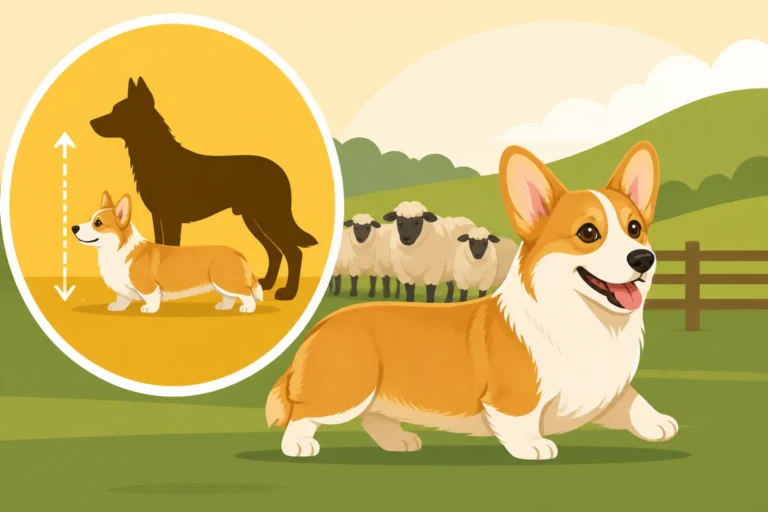
Originally, the Welsh Corgi, in its various forms, was an indispensable part of farm life in Wales. These resilient little dogs were bred to herd cattle by nipping at their heels, their low stature protecting them from kicks. Their intelligence, agility, and fearless nature made them perfectly suited for the demanding task of driving livestock, often across vast, open pastures. For centuries, their value was measured in their working ability and contribution to the farm. Fast forward to the mid-20th century, and a shift began. As farming practices evolved and urbanization increased, many working breeds found themselves adapting to life as companions. The Corgi, with its manageable size, vibrant personality, and endearing looks, proved to be an excellent candidate for this transition. People started to appreciate them not just for what they did, but for who they were as family members, marking the early stages of their move into the household pet category. The transition from farm to family home wasn't immediate, but it laid the groundwork for the explosion in popularity we see today. For more on their origins, consider reading The Cattle Dog Behind the Corgi.
The Royal Influence and Its Impact on Corgi Fame
Perhaps no single factor catapulted the Corgi into the global spotlight quite like their association with the British Royal Family, specifically Queen Elizabeth II. Her lifelong affection for the breed, starting with Dookie in the 1930s and continuing with a lineage that spanned decades, made the Corgi an emblem of royalty. Imagine the sheer visibility: pictures of the Queen surrounded by her beloved Corgis graced newspapers, magazines, and television screens worldwide for over 70 years. This constant, high-profile exposure introduced the breed to countless individuals who might never have encountered a Corgi otherwise. It wasn't just about owning a dog; it was about owning a piece of a charming, regal narrative. The "royal Corgi" became a shorthand, instantly recognizable and deeply endearing. This royal seal of approval gave the breed an unprecedented boost in desirability, solidifying their image as more than just a farm dog—they were dogs fit for a queen, and by extension, for anyone who admired their charm. If you're curious about this fascinating connection, you might enjoy Dookie and the First Royal Corgi.
Social Media and the Modern Corgi Phenomenon
While the Queen certainly laid the groundwork for global recognition, the digital age, particularly the rise of social media, has cemented the Corgi's place as one of the most beloved breeds. Their expressive faces, fluffy behinds, and comical short legs are tailor-made for viral content. From "splooting" videos to energetic zoomies, Corgis excel at capturing attention in short, shareable clips and adorable photos. Platforms like Instagram, TikTok, and YouTube are overflowing with Corgi accounts boasting millions of followers, turning individual dogs into bona fide internet celebrities. This constant influx of cute Corgi content creates a feedback loop: people see them online, fall in love, and then seek to bring one into their own lives. This digital omnipresence has made Corgis not just common, but culturally significant, often appearing in memes, merchandise, and popular media. It’s a new level of commonality, one driven by endless scrolling and instant gratification.
Understanding Corgi Popularity Metrics: What the Numbers Tell Us
Beyond anecdotal observations on social media, there are tangible metrics that help us quantify just how common Corgis have become. Organizations like national kennel clubs track registration numbers, offering a more formal snapshot of breed popularity over time. These statistics can reveal trends, differentiate between the two Corgi breeds, and even highlight their global appeal.
Kennel Club Registration Trends and Their Significance
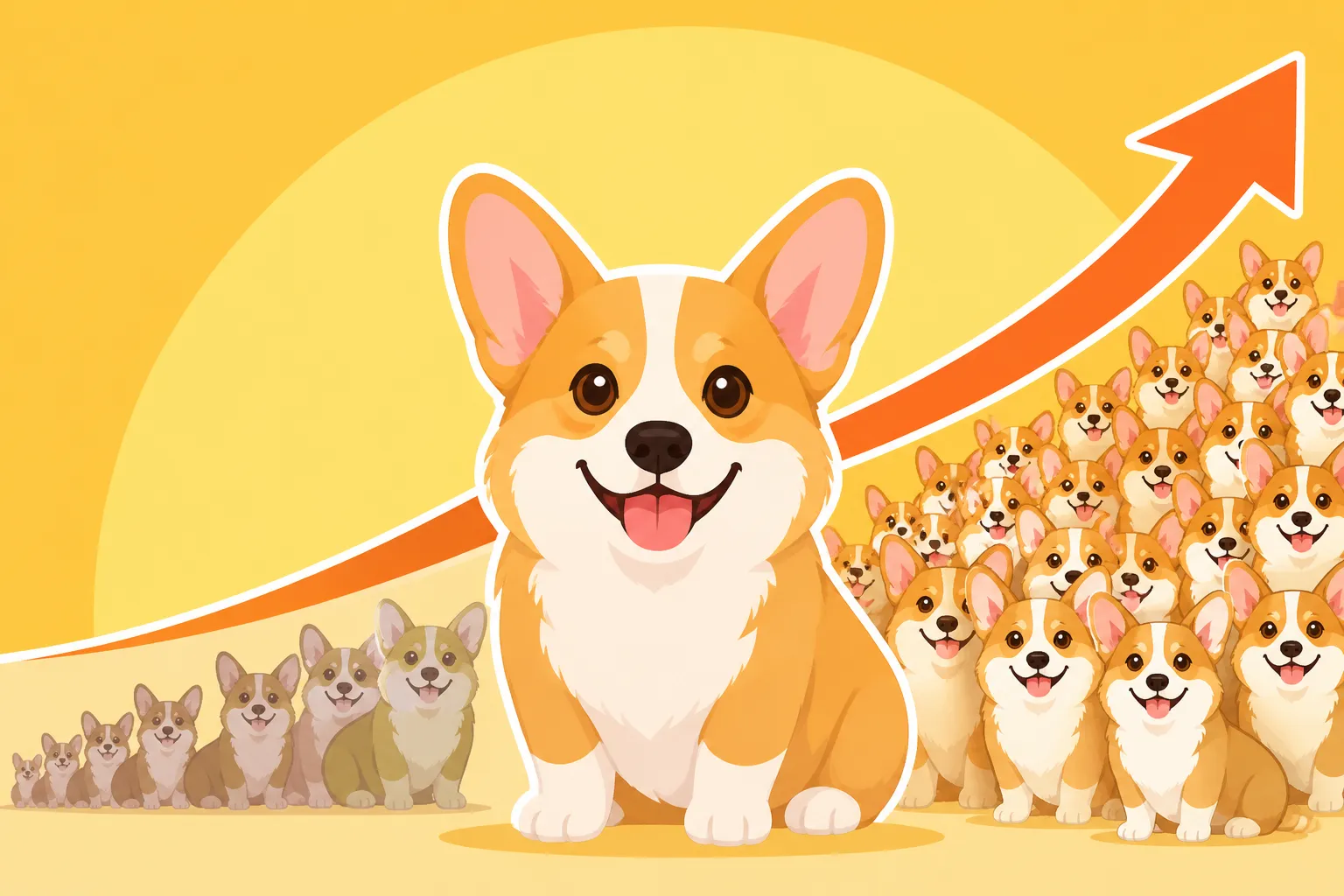
Kennel club registration data, such as that provided by the American Kennel Club (AKC) or The Kennel Club in the UK, offers a reliable indicator of breed popularity. These organizations record the number of puppies registered each year, giving a clear picture of which breeds are seeing increasing or decreasing interest. For Corgis, particularly the Pembroke Welsh Corgi, these numbers have shown a consistent upward trend for many years, often placing them among the top 10 or 15 most popular breeds. This isn't just a slight increase; it's a significant leap from their historical standing. This data confirms that the Corgi's perceived commonality is not merely an illusion created by social media, but a verifiable fact reflected in official breed statistics. These figures are crucial for understanding the market demand and the potential pressures placed on breeders to meet that demand. For insights into their current standing, check out Where Pembrokes Rank Among AKC Breeds.
The Difference Between Pembroke and Cardigan Popularity
When we talk about "Corgis," most people are likely thinking of the Pembroke Welsh Corgi, the tailless (or naturally bobtailed) variety immortalized by the Queen. While both Pembrokes and Cardigan Welsh Corgis share the distinct Corgi look and stature, their popularity levels are quite different. The Cardigan, often recognized by its long, brush-like tail and broader range of colors, including blue merle, has a loyal following but remains far less numerous than its Pembroke cousin. Historically, the two breeds were shown together, but a split in 1934 solidified their distinct identities, and since then, the Pembroke has consistently outpaced the Cardigan in registrations. This disparity means that while Corgis as a general category are common, the Pembroke accounts for the vast majority of that commonality. If you're specifically seeking a Cardigan, you'll likely find fewer available puppies and may need to wait longer. Read more about this distinction in Whether One Corgi Breed Is Rarer Than the Other.
Global Appeal: Corgis Beyond North America
The Corgi's charm isn't limited to the English-speaking world; their popularity has a truly global reach. In Japan, for instance, Corgis have a dedicated and passionate following, often seen in pet cafes and featured in media. European countries have also witnessed a rise in Corgi ownership, echoing the trends observed in North America and the UK. This international appeal demonstrates that the Corgi's unique blend of cuteness, personality, and manageable size transcends cultural boundaries. The internet has played a massive role in this global spread, allowing images and videos of Corgis from one corner of the world to inspire pet owners in another. This widespread love means that finding a Corgi, even if you travel, is increasingly common, though local regulations and breeding practices will always vary. It's a testament to their universal appeal that a breed once confined to Welsh farms is now a beloved companion across continents.
The Traits That Make Corgis So Irresistible
So, what is it about Corgis that has propelled them to such heights of popularity? It's certainly not just one thing, but a captivating combination of personality, adaptability, and that utterly distinctive appearance. These traits coalesce to create a dog that, for many, is simply irresistible, drawing in owners from all walks of life.
Personality: Big Dog in a Small Package
One of the most appealing aspects of the Corgi is their robust personality, often described as a "big dog in a small package." Despite their diminutive stature, Corgis possess a confident, intelligent, and often humorous demeanor. They are not delicate lap dogs; they are spirited, active, and vocal. This isn't a breed that will quietly blend into the background. Corgis are known for their strong opinions, sometimes displaying a charming stubbornness, and a desire to be at the center of family life. They thrive on interaction and can be surprisingly bossy, even herding family members. This bold, engaging personality makes them incredibly entertaining companions, constantly providing amusement and affection to their owners. Their playful antics and vocal expressions, from enthusiastic barks to characteristic "Corgi talking," endear them to many who want a dog with a strong presence without necessarily needing a large physical footprint. However, this personality also comes with its challenges, as Corgis require consistent training and mental stimulation to prevent them from "herding" their humans or expressing themselves too loudly. You can find more about their expressive nature in Corgi Barking and How Much Is Normal.
Adaptability: Fitting Into Diverse Lifestyles
Another key to the Corgi's commonality is their remarkable adaptability. While they originated as farm dogs with ample space to roam, Corgis can actually thrive in a variety of living situations, from suburban homes with yards to urban apartments. Their exercise needs, while significant for a small dog, are generally manageable for most active families. Daily walks, playtime, and mental enrichment are usually sufficient to keep a Corgi happy and healthy. They don't typically require vast amounts of off-leash running like some larger herding breeds, though they certainly enjoy it when available. This flexibility means that Corgis appeal to a broad demographic, including families, singles, and even older individuals who might not be able to handle a much larger, more demanding dog. Their relatively compact size makes them easy to travel with and less intimidating in public spaces, further contributing to their appeal across diverse modern lifestyles. That said, even in a small home, a Corgi needs its "job" as described in The Job a Corgi Needs Instead of Herding You.
Unique Appearance: The Iconic Low-Rider Look
Let's be honest: a huge part of the Corgi's allure is their undeniably distinctive and adorable appearance. Those short, sturdy legs, long body, prominent ears, and foxy face create a look that is instantly recognizable and incredibly endearing. The deep, rich colors of their coats, often complemented by white markings, further enhance their visual appeal. Their fluffy hindquarters and the way they "sploot" (lie flat on their bellies with legs splayed) have become iconic Corgi trademarks. This unique physical form, sometimes affectionately referred to as a "low-rider," sets them apart from many other breeds. It’s a combination that triggers an automatic "aww" response in many people. Furthermore, the breed standard calls for a robust, well-muscled build, giving them an air of cheerful sturdiness rather than fragility. This blend of quirky cuteness and solid construction makes them visually appealing to a vast audience, often leading to impulse decisions based purely on looks. Be sure to understand The Corgi Body the Standard Describes before you make such a decision.
The Challenges of Corgi Popularity: What Prospective Owners Need to Know
While the Corgi's immense popularity is a testament to their wonderful qualities, it also brings with it a host of challenges that prospective owners must be aware of. High demand for any breed can unfortunately lead to less-than-ideal breeding practices and a diluted understanding of the breed's true needs. It's crucial to look beyond the cute pictures and delve into the realities.
The Increase in Irresponsible Breeding Practices
When a breed becomes highly popular, an unfortunate side effect is often the proliferation of irresponsible breeders, sometimes known as "backyard breeders" or puppy mills, who are eager to capitalize on demand. These individuals often prioritize profit over the health, temperament, and genetic welfare of the dogs. They may not perform crucial health screenings, breed dogs with known genetic conditions, or provide adequate care and socialization for puppies. This can lead to a higher incidence of health problems, poor temperaments, and dogs that are not true to the breed standard in terms of health or behavior. Finding a reputable breeder who conducts health testing and focuses on improving the breed is paramount. They will be transparent about their practices and the lineage of their puppies, offering proper documentation like The Papers a Corgi Puppy Should Come With. Be very cautious if you see a Corgi advertised at a price significantly lower than average, as this can be a huge red flag for an untrustworthy source. Why a Corgi Under a Thousand Should Worry You is an important read.
Health Concerns in an Over-Bred Population
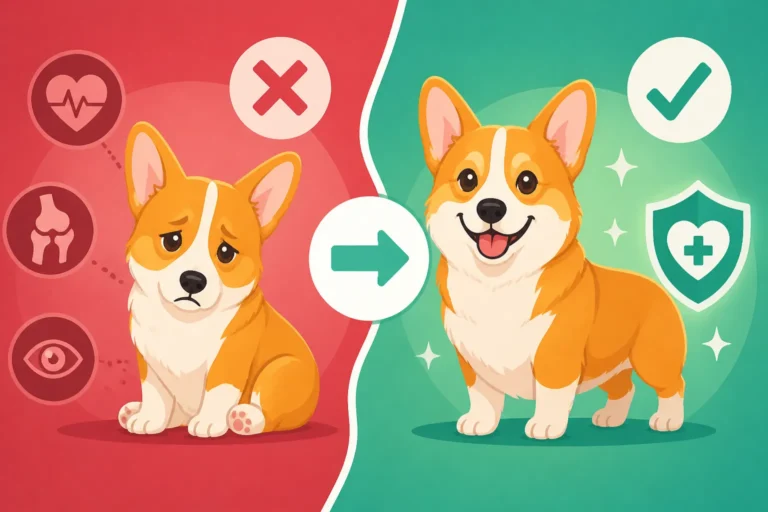
The Corgi's popularity has unfortunately amplified certain health concerns inherent to the breed. Because irresponsible breeders often skip essential health screenings, genetic conditions can become more prevalent in the general population. For Corgis, a major concern is Intervertebral Disc Disease (IVDD) due to their long backs and short legs (a characteristic known as chondrodystrophy). While reputable breeders work to minimize this risk through careful selection and genetic testing, unchecked breeding can lead to a higher incidence of debilitating spinal issues. Other concerns include Corgi Eye Disease and PRA, hip dysplasia, and a bleeding disorder called Von Willebrand Disease. Prospective owners need to be diligent in researching a puppy's lineage and ensuring that parents have undergone recommended health tests. Neglecting these checks can lead to significant emotional and financial burdens down the line, as treatment for conditions like IVDD can be incredibly costly. A good breeder will be open about the tests they perform, such as The DNA Tests a Corgi Breeder Should Run.
The Reality of Corgi Care: More Than Just a Cute Face
Beyond genetic health, living with a Corgi requires a commitment that goes far beyond their cute appearance. These are intelligent, active dogs with strong herding instincts. They need consistent training and socialization from a young age to channel their energy and intelligence positively. Their natural "heel nipping" instinct, for example, needs to be redirected, especially around children. Corgis are also vocal, and their barking can become excessive without proper management. Furthermore, their thick double coat, while beautiful, requires regular grooming to manage shedding, which can be considerable. Many new owners are surprised by How Much Hair a Twenty-Eight Pound Corgi Drops. They are also prone to weight gain, which exacerbates back problems, so careful diet management is critical. The reality is that Corgis are not low-maintenance pets, and their rising popularity means many people acquire them without fully understanding these demands, often leading to overwhelmed owners and, sadly, dogs needing rehoming. Resources on sites like Chewy.com can help with understanding grooming tools and dietary needs. For example, Chewy offers a wide range of brushes specifically designed for double-coated breeds, which are essential for keeping Corgi shedding under control.
Finding a Corgi Responsibly in a Popular Market
Given the challenges associated with the Corgi's widespread popularity, finding your next companion requires careful consideration and a commitment to ethical sourcing. It’s not just about getting a Corgi; it’s about getting a healthy, well-socialized Corgi from a responsible background. This means doing your homework and being prepared to wait for the right match.
The Importance of Reputable Breeders
When searching for a Corgi, prioritizing a reputable breeder is non-negotiable. These breeders are passionate about the welfare of the breed and strive to produce healthy, well-tempered puppies. They will openly discuss their breeding practices, provide documentation of health clearances for both parents, and be transparent about any known genetic issues in their lines. A good breeder will typically have a waiting list, indicating that they do not over-breed and carefully vet prospective owners. They will also prioritize the early socialization of their puppies, ensuring they are exposed to various sights, sounds, and experiences before going to their new homes. They will also provide ongoing support and advice after you take your puppy home. Don't be afraid to ask tough questions and expect thorough answers. Remember, you're not just buying a puppy; you're entering into a relationship with the breeder for the lifetime of your dog. A good breeder will be asking you plenty of questions too!
Exploring Corgi Rescues and Adoption Options
While many people dream of a Corgi puppy, adopting an adult Corgi through a breed-specific rescue organization is an incredibly rewarding option that helps mitigate some of the issues associated with over-popularity. Rescue organizations often take in Corgis that have been surrendered due to unforeseen circumstances, changes in family dynamics, or even those from less-than-ideal breeding situations. These dogs, while sometimes having a past, often come with the benefit of being house-trained, having known temperaments, and sometimes even a history of veterinary care. Rescues rigorously screen their dogs for health and temperament, providing fosters with invaluable insights into their personalities and needs. Adopting an adult Corgi means you know what you're getting in terms of size, personality, and often, shedding patterns. This can be a fantastic way to give a deserving Corgi a second chance at a loving home. Many rescues even assist with medical needs, such as a Corgi with a back history. Searching for "Corgi rescue near me" can connect you with local groups dedicated to rehoming these wonderful dogs.
Due Diligence: Questions to Ask and Red Flags to Watch For
Regardless of whether you choose a breeder or a rescue, thorough due diligence is essential. Here's a table of important questions to ask and clear red flags to watch out for:
| Category | Questions to Ask | Red Flags to Watch For |
|---|---|---|
| Health | – What health clearances do the parents have (hips, eyes, DM)? | – No health testing documentation provided. |
| – Can I see the results of genetic tests? | – Claims dogs are "too young" for testing. | |
| – What is the health history of the parent dogs? | – Parents have known genetic conditions without explanation. | |
| Temperament | – Can I meet both parent dogs? | – Parents are shy, aggressive, or overly fearful. |
| – How are the puppies socialized? | – Puppies appear withdrawn, fearful, or overly aggressive. | |
| – What are the typical temperaments of your Corgis? | – Puppies kept in unsanitary or isolated conditions. | |
| Breeding Practices | – How many litters do you breed per year? | – Multiple litters simultaneously, always having puppies available. |
| – What age are your breeding females when they have litters? | – Breeding females who are too young or too old. | |
| – What is your screening process for potential buyers? | – No questions asked about your living situation or experience. | |
| Transparency | – Can I visit your facility and see where the puppies are raised? | – Refusal to let you visit or meet the parents. |
| – What food are the puppies eating? | – High-pressure sales tactics. | |
| – What is included with the puppy (vaccinations, microchip)? | – No contract or health guarantee. | |
| Aftercare | – Do you offer a health guarantee? | – Discouraging communication after the sale. |
| – What happens if I can no longer keep the dog? | – No offer to take the dog back if circumstances change. |
When purchasing supplies for your new Corgi, whether from a breeder or rescue, always consider trusted retailers like Chewy. They offer a vast selection of high-quality food, treats, toys, and grooming supplies, making it easy to provide everything your Corgi needs. From orthopedic beds designed to support a Corgi's long back to puzzle toys that engage their intelligent minds, Chewy.com can be a valuable resource for Corgi owners. This diligence helps ensure you bring home a healthy, happy Corgi and contributes to the ethical treatment of the breed as a whole.
Disclaimer
This article is for general informational purposes only and does not constitute professional advice. Laws, prices and regulations vary by location and change over time. Consult a qualified professional for guidance on your specific situation.