The Flemish Weavers and the Corgi
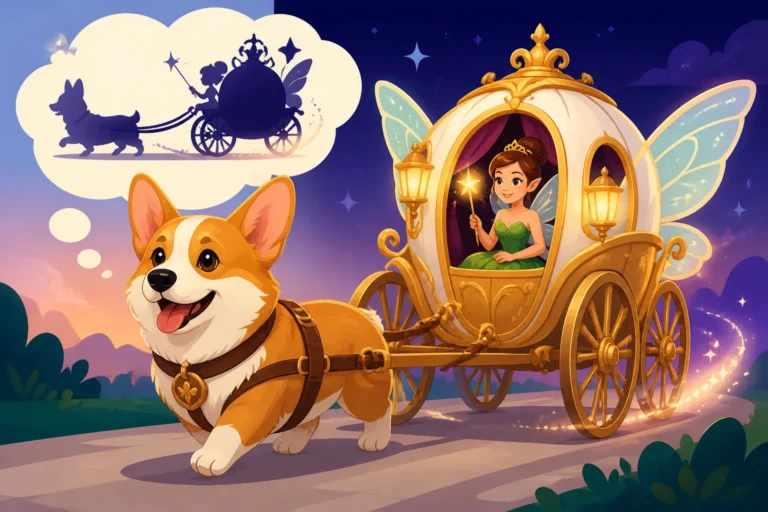
Many Corgi enthusiasts are deeply familiar with the breed's origins in Wales, often imagining these delightful dogs herding cattle on ancient farms or, in folklore, pulling fairy coaches through the countryside. But beyond these charming tales and images, there's a fascinating historical theory that delves into a specific, lesser-known chapter of Corgi history: the potential influence of skilled Flemish weavers who settled in Wales centuries ago. This guide will explore the intriguing journey of these artisans and their dogs, and how they might have contributed to the unique genetic tapestry of the Pembroke Welsh Corgi.
The Historical Tapestry: Who Were the Flemish Weavers?
Skilled Artisans Seeking Opportunity
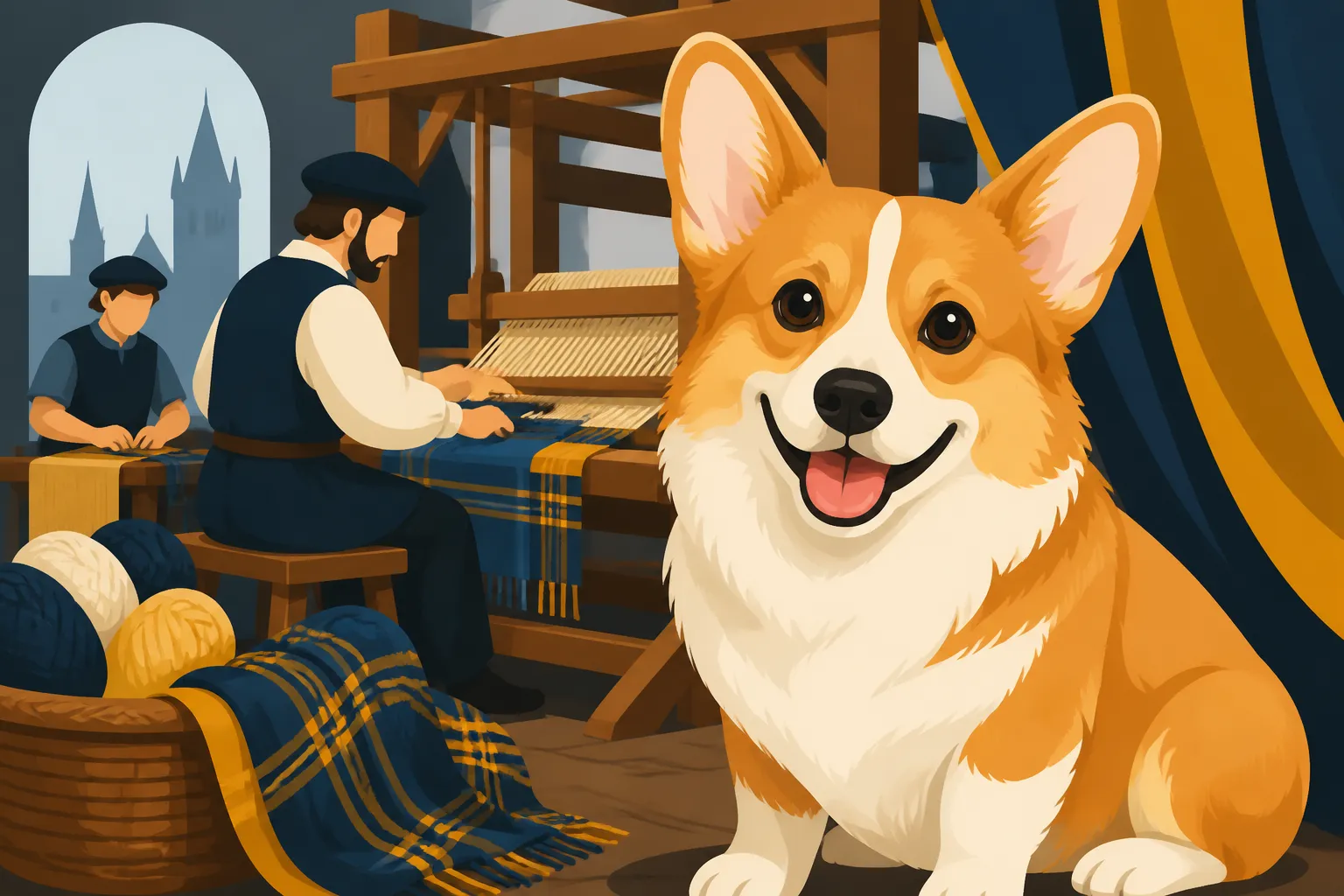
When we talk about the Flemish weavers, we're truly discussing master craftspeople whose skills were highly sought after across medieval Europe. Imagine a time when quality textiles were as valuable as precious metals, and the knowledge of how to create them efficiently and beautifully was a closely guarded secret. These artisans from Flanders, a region encompassing modern-day Belgium and parts of France and the Netherlands, were renowned for their sophisticated wool production. They weren't just making cloth; they were creating intricate tapestries, durable fabrics, and innovative designs that set the standard for the era. Their workshops were hives of activity, employing many hands, and their techniques, from shearing and washing to spinning, dyeing, and weaving, were honed over generations. Their reputation for excellence meant they were often seen as invaluable assets to any kingdom or region looking to boost its economic standing.
The motivation for their migrations wasn't always simple, but opportunity was a huge driving force. In some cases, political instability or overcrowding in their home regions prompted them to seek new horizons. In others, it was the lure of incentives offered by foreign monarchs eager to tap into their expertise. For example, a king might offer a group of Flemish weavers land, tax exemptions, and protection in exchange for them establishing a weaving industry in a specific area. This wasn't just about bringing over workers; it was about importing an entire industrial ecosystem, complete with specialized tools, techniques, and, importantly, the domestic animals that supported their lifestyle, which absolutely included their working dogs.
A Time of Change and European Interconnectedness
The medieval period, especially the High Middle Ages, was far from static. It was an age of burgeoning trade routes, intellectual exchange, and considerable population movement. Ideas, goods, and people traveled much more extensively than we might initially imagine, crossing seas and mountains, facilitated by burgeoning towns and expanding networks. The concept of insular, isolated communities is often overstated when we consider the significant impact of migrations such as the Norman Conquest or the spread of monastic orders. These movements often led to profound cultural and genetic shifts wherever they occurred.
The English monarchs, acutely aware of their island nation's potential, were particularly keen on fostering internal industries and consolidating their economic power. By attracting skilled foreign workers, they could bypass lengthy periods of native development and quickly establish competitive industries. This policy was a deliberate strategy to modernize and enrich the realm. The weavers’ journey was part of this larger historical trend, demonstrating a remarkable degree of interconnectedness across Europe, where labor and expertise were recognized and valued assets, capable of being transplanted to new lands for mutual benefit.
A Journey Across the North Sea: The Weavers' Migration to Wales
Royal Invitations and Economic Incentives
One of the most widely accepted narratives places the arrival of Flemish weavers in Wales around the 12th century, during the reign of Henry I. His strategy was straightforward: by inviting these skilled textile workers to the less developed parts of his kingdom, he could stimulate economic growth and establish valuable new industries. Wales, with its vast tracts of land suitable for sheep farming, was rich in raw wool, but it lacked the advanced processing techniques that the Flemish possessed. The weavers, in turn, gained access to plentiful resources and royal protection, a significant boon in a sometimes volatile political landscape.
Imagine the sheer logistics of such a relocation: families packing up their lives, moving not just their personal belongings but also their specialized equipment, and embarking on a journey across the North Sea. They would have needed assurances of safety, land to settle on, and the freedom to practice their craft. The crown understood this, offering charters and legal protections that would have made such a formidable undertaking worthwhile. These early Flemish settlements were not mere enclaves; they were industrious hubs, transforming the economic landscape of the regions they inhabited, particularly in what would become Pembrokeshire, a name that resonates with the Pembroke Welsh Corgi's origin.
Establishing New Lives in the Welsh Countryside
Once in Wales, these communities didn't just blend in overnight. They often formed distinct settlements, sometimes referred to as "Little England beyond Wales" due to their differing language and customs from the native Welsh population. They built their homes, cultivated their land, and, crucially, continued their weaving traditions, often integrating local Welsh wool into their superior techniques. Over time, while they maintained some cultural distinctiveness, there was an inevitable degree of interaction, trade, and eventually intermarriage with the indigenous Welsh people.
This slow but steady integration meant that their animals, too, would have begun to mix with the local canine populations. The dogs they brought would have encountered the existing Welsh herding dogs, leading to cross-breeding that introduced new genetic traits. The environment itself – the rolling hills, the need for sturdy, low-to-the-ground dogs to manage cattle without being injured – would have naturally favored the propagation of traits beneficial for herding in this specific terrain. It’s easy to envision these early Corgi ancestors working tirelessly, perhaps fueled by a hearty meal from a high-quality dog food brand available at Chewy, ensuring they had the energy for their demanding jobs.
The Canine Companions of the Flemish Weavers
More Than Just Herding Dogs: Versatile Farm Pups
The dogs that traveled with the Flemish weavers were far from being single-purpose animals. In a time when every creature on a farm had to earn its keep, these dogs were true multi-taskers. They were certainly excellent herders, adept at moving livestock like cattle and sheep with their distinctive low stance and quick nips at the heels. But their duties extended well beyond that. They would have acted as vigilant guardians, protecting the homestead and flocks from predators and intruders, sounding the alarm with their sharp barks. They might have even helped with vermin control, keeping barns clear of rats and mice.
This demand for versatility meant that the dogs possessed a keen intelligence, a sturdy build, and an adaptable temperament. They weren't delicate pets; they were robust working partners, capable of enduring harsh weather and long days of labor. Their survival and the well-being of the farm often depended on their alertness and capability. They were invaluable members of the family unit, and their presence would have been as essential as any tool or crop, a true testament to the enduring bond between humans and working canines. The Cattle Dog Behind the Corgi has always been a significant part of their identity.
European "Heelers" and Their Characteristics
While we can't pinpoint an exact breed name from centuries ago, canine historians describe these likely ancestors as continental "heelers" or "drovers." These dogs were generally characterized by their short legs and long bodies, a conformation that allowed them to effectively work large, often dangerous, livestock like cattle by staying low to the ground and nipping at their heels, then quickly ducking away. This unique body shape was a distinct advantage, preventing them from being kicked or trampled by much larger animals.
Beyond their physical attributes, these dogs possessed a strong, innate herding drive, coupled with a bold and independent nature. They were expected to make decisions in the field, guiding livestock without constant human direction. Their upright ears and fox-like heads, common among many ancient European Spitz-type dogs, would have been striking features. These were the resilient, intelligent, and functionally specialized dogs that would eventually contribute their genetic blueprint to the development of the Corgi we know and love today. You can certainly see how these traits would eventually define The AKC Pembroke Welsh Corgi Standard.
Weaving the Connection: How These Dogs May Have Influenced the Corgi
The Theory of Introduction: New Bloodlines in Wales
The core of the Flemish weaver theory rests on the idea of genetic exchange. When these continental European dogs arrived with their human companions, they weren't entering a canine vacuum. Wales already had its own population of native working dogs, likely more ancient in lineage, which would become the foundation for the Cardigan Welsh Corgi. The Flemish dogs introduced a fresh genetic pool, bringing with them distinct physical characteristics and herding instincts that differed from the existing local canine types. Over time, through interbreeding, these new traits would have become integrated into the local dog population.
This process wasn't necessarily a deliberate, organized breeding program initially. Instead, it was likely a natural evolution driven by utility. Farmers would have observed the effectiveness of the Flemish-influenced dogs in managing cattle—their low stature, quick movements, and fearless temperament. Dogs exhibiting these advantageous traits would have been favored for breeding, leading to a gradual but significant shift in the canine population of Pembrokeshire. This historical cross-pollination of canine bloodlines is a fascinating aspect of breed development, illustrating how environment and human needs shape evolution. This historical connection is often referred to as The Flemish Connection to the Pembroke.
Shared Traits and Breeding Adaptations
When we compare the speculated traits of the Flemish drover dogs with the Pembroke Welsh Corgi, the similarities are striking. The signature short legs and long back, which define the Corgi's profile, are a direct functional adaptation for working cattle—allowing them to nip at heels and duck away safely. The erect ears, keen expression, and intelligent, sometimes independent, disposition are also hallmarks that align with the characteristics of historical European herding breeds. These were not random traits; they were carefully selected, either consciously or unconsciously, for their practical benefits on the farm. Furthermore, understanding Why Corgi Was Bred So Low really highlights this functional aspect.
The herding style, too, is a powerful indicator. Corgis are renowned for their "heeling" technique, a direct legacy of their droving ancestors. This instinct, combined with their sturdy build, made them indispensable partners for farmers. Even today, responsible Corgi owners recognize this heritage and provide their dogs with engaging activities that tap into their natural instincts. Whether it's puzzle toys or durable chews, many options are available at Chewy to keep these intelligent dogs mentally stimulated. Understanding these deep-seated traits helps us manage and appreciate our Corgis today.
The "Fairy Saddle" and Other Corgi Legends
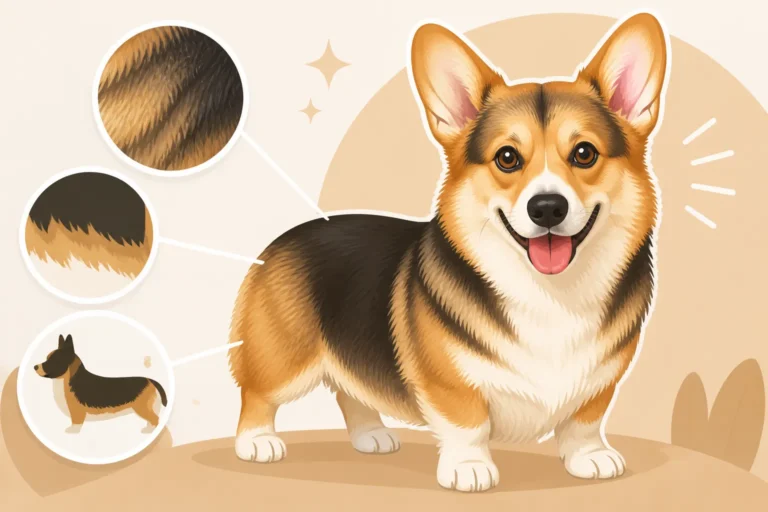
It's truly wonderful how factual history and enchanting folklore can both contribute to the rich tapestry of a breed's identity. While the Flemish weavers' dogs offer a logical explanation for the Corgi's physical traits, the Welsh people also developed magical stories to explain their unique appearance. The most famous is the "fairy saddle"—the pattern of darker fur often seen on a Corgi's back, which legend says is the mark left by tiny fairy riders. This charming tale elevates the Corgi from a mere working dog to a creature touched by magic.
These legends are more than just quaint stories; they speak to the Corgi's deep integration into Welsh culture and imagination. They highlight how distinctive and beloved these dogs were to the people who lived alongside them. While we can look at the influence of specific historical events and migrating populations, we should also cherish these cultural narratives. They provide a romantic counterpoint to the more pragmatic origins, reminding us that dogs are not just tools, but also sources of wonder and inspiration, deeply embedded in human stories.
Untangling the Threads: Distinguishing Pembroke and Cardigan Origins
The Separate Ancestries of the Two Breeds
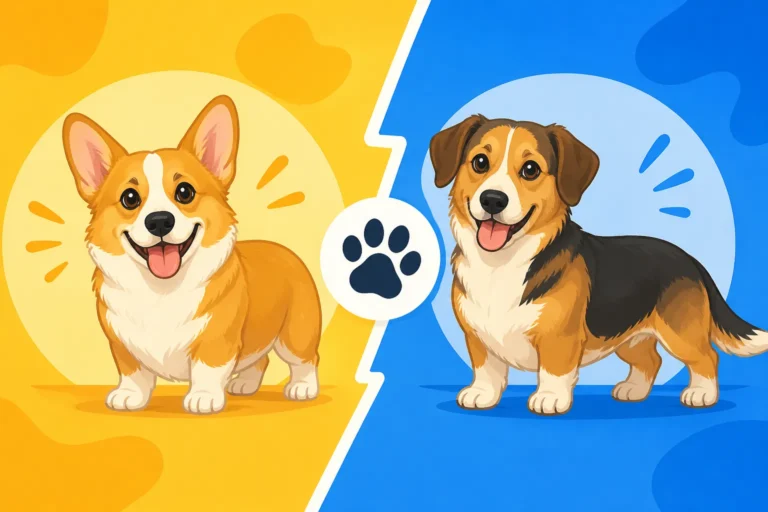
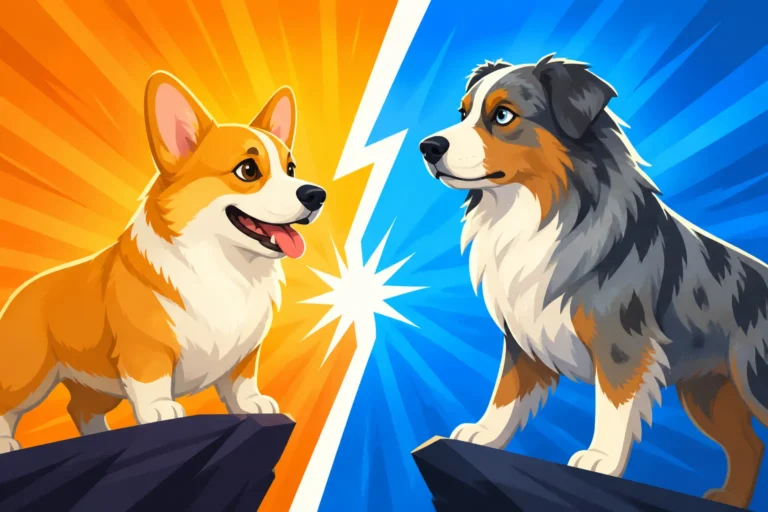
One of the most common misconceptions about Corgis is that the Pembroke and Cardigan are simply variations of the same breed, or that one descended directly from the other. However, historical and genetic evidence strongly suggests they are two entirely separate breeds with distinct ancestries. The Cardigan Welsh Corgi is considerably older, believed to have descended from the Teckel family of dogs—long-bodied, short-legged hounds that originated in central Europe, akin to the Dachshund. These dogs arrived in Wales with Celtic tribes perhaps as early as 1200 BC, making them one of the oldest breeds in Britain. This ancient lineage gives the Cardigan a much deeper root in Welsh history. For more on their origins, see The Cardigan's Twelve Hundred BC Origins.
This means that when the Flemish weavers potentially introduced their dogs into Pembrokeshire, the Cardigan type already existed in Cardiganshire, largely isolated by the geographical barriers of central Wales. The two populations of dogs would have evolved separately for centuries, adapting to their specific local environments and human needs. While their eventual paths led them to be both called "Corgis" (meaning "dwarf dog" in Welsh, a term reflecting their shared low stature), their fundamental genetic foundations remained distinct. It's crucial for any aspiring Corgi owner to understand that Pembroke and Cardigan Are Two Different Breeds and appreciate their individual histories.
Genetic Evidence and the Modern View
In recent decades, advancements in canine genetics have provided fascinating insights that support the historical separation of the Pembroke and Cardigan Corgis. DNA studies have shown that Pembrokes often carry genetic markers consistent with Spitz-type dogs, reinforcing the theory of a continental European influence, likely from the dogs brought by the Flemish weavers or similar migrations. This aligns with their foxy appearance and sometimes more vocal, alert nature. This also ties into the discussion of When Pembrokes Arrived in Wales.
Conversely, Cardigans tend to show genetic connections to a different branch of ancient European dogs, further solidifying their distinct and older origins, often linked to the hound family. While there was some interbreeding between the two breeds before the Kennel Club officially recognized them as separate in the 1930s, their fundamental genetic blueprints remain different. This scientific evidence allows us to appreciate the unique evolutionary journeys of each breed, confirming that while they share the "Corgi" name and a similar working function, their historical roots diverge significantly. For those interested in the reason behind their official split, explore Why the Two Corgi Breeds Were Kept Apart.
The table below provides a concise comparison of the key historical and physical differences between the Pembroke and Cardigan Welsh Corgis, highlighting their distinct origins.
| Feature | Pembroke Welsh Corgi | Cardigan Welsh Corgi |
|---|---|---|
| Primary Ancestry | Likely influenced by dogs brought by Flemish weavers | Descended from ancient Teckel-type dogs (Dachshund family) |
| Geographic Origin | Pembrokeshire, Wales | Cardiganshire, Wales |
| Estimated Age | ~11th-12th Century (post-Flemish arrival) | >1000 years old, one of Britain's oldest breeds |
| Key Physical Trait | Often naturally bobbed or docked tail (historically) | Always has a long, fox-like tail |
| Ear Shape | More pointed, often "foxy" | Slightly larger, rounded tips |
| Head Shape | More wedge-shaped | Broader skull |
| Primary Influence | Continental European herding dogs | Indigenous Welsh dogs, possibly Nordic types |
The story of the Flemish weavers and their potential impact on the Corgi breed is a fantastic example of how human migration and cultural exchange can shape the animal world around us. It's a testament to the enduring utility of working dogs and the complex, intertwined histories of people and their canine companions. For those looking to understand the unique characteristics of their own Corgi, delving into these historical origins offers a richer appreciation for their loyal, intelligent, and famously low-slung friends. Getting the right gear for these historically rich dogs, whether it's special food or an orthopedic bed, is made easy through resources like Chewy, which understands the specific needs of various breeds.
Disclaimer
This article is for general informational purposes only and does not constitute professional advice. Laws, prices and regulations vary by location and change over time. Consult a qualified professional for guidance on your specific situation.