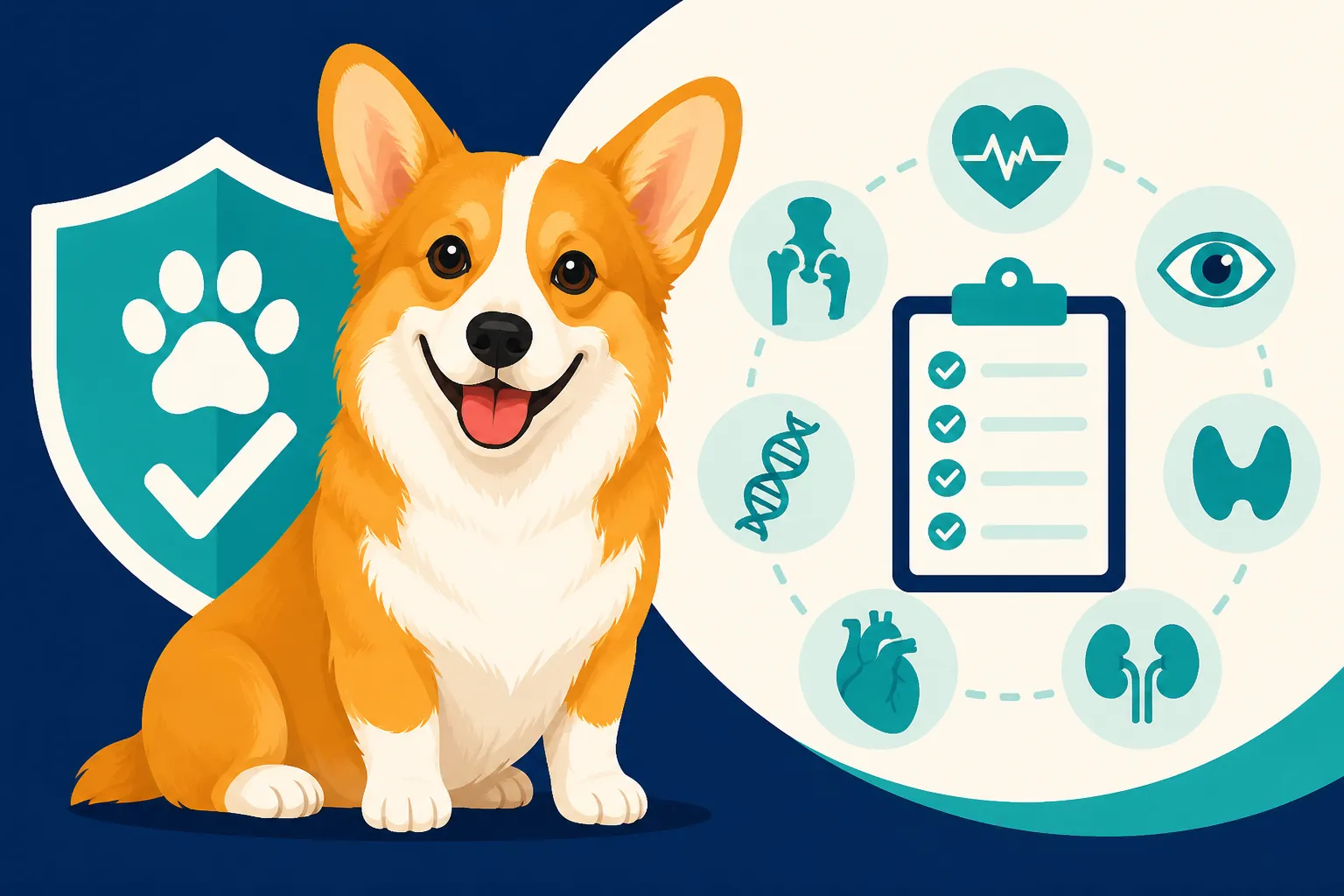
What a Corgi Breeder Should Be Testing For
Bringing a Corgi into your life is an absolute joy, but it’s a commitment that can bring its own set of heartaches if you’re not prepared. One of the biggest frustrations prospective Corgi parents face is trying to navigate the confusing world of health testing, often feeling overwhelmed by jargon or wondering if a breeder is truly doing their due diligence. This guide is here to unravel the mystery, showing you exactly what health tests a responsible Corgi breeder should be conducting to give their puppies the best possible start and offer you peace of mind.
Why Health Testing Isn't Just a "Nice-to-Have" for Corgis
When you're looking for a Corgi puppy, it’s easy to get swept up in the adorable fluff, the goofy smile, and those tiny little legs. But beneath that charming exterior, there's a world of genetics and potential health predispositions that truly responsible breeders are working tirelessly to understand and mitigate. Health testing isn't just an extra step; it's a fundamental pillar of ethical breeding, ensuring that the puppies they produce have the best chance at a long, healthy life.
The Heartbreaking Reality of Inherited Conditions
Imagine falling head over heels for your new Corgi puppy, only to find out a few years down the line that they're suffering from a painful, debilitating genetic condition that could have been avoided. It’s a truly devastating scenario, not just for your beloved companion, but for your wallet and your emotional well-being. Conditions like Degenerative Myelopathy, hip dysplasia, or certain eye diseases aren't just minor inconveniences; they can severely impact a dog's quality of life, leading to chronic pain, mobility loss, or even blindness.
The emotional toll of watching your dog struggle, especially when you know it might have been prevented, is immense. Many of these conditions require extensive, costly veterinary care, from specialized medications and therapies to potential surgeries or mobility aids. It’s a burden no new Corgi owner wants to face, and it highlights why diligent screening of parent dogs is so critical. A good breeder cares deeply about preventing these issues from ever reaching your home.
Peace of Mind for You and Your Puppy
Choosing a puppy from parents who have undergone thorough health testing offers an invaluable layer of security. It means the breeder has actively screened for genetic predispositions known to affect the breed, minimizing the risk of your puppy developing those specific conditions. While no breeder can guarantee a dog will never have any health issues—life happens, after all—they can certainly stack the odds in your favor against inherited diseases.
This peace of mind allows you to focus on the joys of Corgi ownership: the funny antics, the loyal companionship, and the endless cuddles. You'll know that your puppy's lineage has been thoughtfully considered, and that a solid foundation for their health has been laid. It means fewer unexpected vet visits for preventable genetic conditions, and more years of happy, active life with your furry family member. When a breeder can show you verifiable health clearances, it speaks volumes about their commitment to the breed's future.
Essential Health Clearances for Corgi Parents
For Corgis, given their unique build and genetic history, there are several key health tests that every reputable breeder should be conducting on their breeding stock. These aren't obscure or optional; they are recognized by veterinary geneticists and breed clubs as crucial for safeguarding the health of future generations. Don't be afraid to ask for proof of these tests – a good breeder will be proud to share them.
Degenerative Myelopathy (DM): SOD1 Gene Testing
This is arguably one of the most talked-about health concerns in the Corgi world, and for good reason. Degenerative Myelopathy and the Corgi is a progressive neurological disease that affects the spinal cord, leading to weakness and eventual paralysis of the hind limbs, similar to ALS in humans. While it's typically seen in older dogs, the genetic predisposition is present from birth. Corgis, particularly Pembrokes, have a higher incidence of carrying the gene mutation.
A responsible breeder must screen their breeding dogs for the SOD1 gene mutation. Dogs can be "clear," "carrier," or "at-risk." A "clear" dog has two normal copies of the gene. A "carrier" has one normal and one mutated copy; these dogs typically don't develop DM themselves, and you can learn more about Why a Corgi Carrying the DM Gene Usually Stays Well. An "at-risk" dog has two copies of the mutated gene and has a much higher likelihood of developing DM. Good breeding practices involve never breeding two "at-risk" dogs together, and carefully planning matings involving carriers to ensure no "at-risk" puppies are produced. Understanding Reading a Corgi SOD1 Test Result is key for any prospective owner.
Hip Dysplasia and Elbow Dysplasia
Corgis, like many breeds, can be prone to hip and elbow dysplasia. Despite their short legs, their sturdy bodies still put strain on these joints. Hip dysplasia is a condition where the hip joint doesn't form correctly, leading to looseness and eventual arthritis, while elbow dysplasia affects the elbow joint. Both can cause pain, lameness, and significantly impact a dog’s mobility, especially as they age.
Breeders should have their breeding dogs evaluated by organizations like the Orthopedic Foundation for Animals (OFA) or by veterinary radiologists using similar grading systems. These evaluations involve X-rays of the hips and elbows to assess the quality of the joints. Dogs receive a score or grade, with only those meeting specific "fair" or "good" criteria being deemed suitable for breeding. It's an important step to prevent passing on these structural weaknesses. For more context, read up on Corgi Hips and Front-End Structure and Corgi Hip Scores and What They Mean to understand what these evaluations mean.
Eye Diseases: Progressive Retinal Atrophy (PRA)
Eye health is another critical area for Corgis. Progressive Retinal Atrophy (PRA) is a group of genetic diseases that cause the degeneration of the retina, eventually leading to blindness. In Corgis, specifically the prcd-PRA form, it means the photoreceptor cells in the eye gradually break down over time. This isn't just about losing sight; it's a gradual, disorienting process for the dog.
Reputable breeders will have their dogs undergo regular eye examinations by a board-certified veterinary ophthalmologist. These exams, often performed annually, check for various inherited eye conditions, including PRA, cataracts, and retinal dysplasia. Additionally, DNA tests are available for specific forms of PRA, allowing breeders to identify carriers and affected dogs even before clinical signs appear. Understanding Corgi Eye Disease and PRA and ensuring your potential puppy's parents have been cleared for these conditions is vital. The Corgi PRA Gene Test can identify genetic predispositions to specific types of PRA.
Von Willebrand's Disease (vWD)
Von Willebrand's Disease (vWD) is an inherited bleeding disorder that affects a dog's ability to clot blood. It's similar to hemophilia in humans. While not as common as DM or hip dysplasia, it's a serious condition that can lead to excessive bleeding from minor injuries, during surgery, or even spontaneously from the gums or nose. This can be life-threatening if not properly managed, and it's particularly concerning if a Corgi needs surgery, like a spay or neuter.
A simple DNA test can determine if a dog is clear, a carrier, or affected by vWD. Similar to DM, responsible breeders will use these results to make informed breeding decisions, ensuring that no affected puppies are produced. While many dogs with vWD might lead relatively normal lives without major bleeding episodes, knowing their status is critical for veterinarians, especially before any procedures. For a deeper dive, check out The Bleeding Disorder Pembrokes Carry.
Understanding the Different Types of Tests
When a breeder talks about health testing, they might mention different types of evaluations. It's important for you, as a prospective puppy owner, to understand the distinction between them. Both genetic DNA tests and physical evaluations play a crucial role in a comprehensive health screening program.
DNA Tests vs. Physical Examinations
DNA tests are performed using a simple cheek swab or blood sample and look for specific gene mutations associated with inherited diseases. These tests provide a "snapshot" of a dog's genetic makeup and can definitively determine if a dog is clear, a carrier, or at-risk for certain conditions like DM, PRA, or vWD. The beauty of DNA tests is that they can be done at any age, even on young puppies, and the results don't change over time. Many breeders use services that offer a full panel of The DNA Tests a Corgi Breeder Should Run for their breed.
Physical examinations, often involving X-rays, eye exams, or cardiac auscultation, assess the physical health and structure of the dog. For example, OFA hip and elbow evaluations require X-rays taken after the dog is typically two years old, to ensure skeletal maturity. Eye exams by ophthalmologists are typically annual checks. These physical evaluations are crucial because not all conditions are purely genetic, or they might be multifactorial (influenced by both genetics and environment). They also confirm that the dog is physically sound.
A truly responsible breeding program utilizes both DNA tests and physical examinations to get the most complete picture of a dog's health and genetic potential. Relying on one without the other leaves gaps in the screening process.
What "Clear by Parentage" Really Means
You might hear a breeder say a puppy is "clear by parentage" for a certain condition. This means that both parents of the puppy have been DNA tested and found to be "clear" of the gene mutation in question. If both parents are clear, they can only pass on normal copies of the gene, meaning all their offspring will also be clear.
While "clear by parentage" can be a valid statement, it's essential to understand its limitations. It only applies to conditions for which specific DNA tests exist, and only if both parents have indeed been DNA tested as clear. It doesn't apply to conditions like hip dysplasia, which are evaluated through physical exams and X-rays. Always ask to see the parent's actual DNA test results, even if they claim "clear by parentage," to verify their status. Also, be wary if a breeder relies too heavily on this, especially for conditions that have more complex inheritance patterns or require physical clearances. A diligent breeder will test all their breeding stock, rather than solely relying on generational "clear by parentage" claims that can sometimes be mistaken or miscommunicated over time. Whether a Corgi Puppy Should Be Screened for DM directly addresses this, noting that if parents are clear, the puppy doesn't need its own DM test.
Beyond the Basics: Other Considerations for a Responsible Breeder
While DM, hip/elbow dysplasia, PRA, and vWD are the major hereditary concerns in Corgis, a truly dedicated breeder looks beyond just these core tests. They consider the holistic health and well-being of their dogs, aiming to produce robust, sound, and long-lived companions. These additional considerations might not always involve a specific "test" per se, but they reflect a comprehensive approach to breeding.
Cardiac Health
Heart conditions can affect any breed, and Corgis are no exception. While there isn't one single "Corgi heart test" like there is for DM, a conscientious breeder will ensure their breeding dogs have healthy hearts. This often involves regular veterinary check-ups that include cardiac auscultation (listening to the heart with a stethoscope) to detect any murmurs or irregular rhythms. For some breeds, more advanced cardiac screening like an echocardiogram might be recommended, especially if there's a family history of heart disease.
While not always a mandatory breed-specific test, a breeder who pays attention to general cardiac health is demonstrating a commitment to overall soundness. They're making sure their dogs are in peak physical condition before breeding, ensuring they can handle the demands of pregnancy and nursing, and that they're passing on good general health. If there are any concerns, a good vet will recommend further diagnostics.
Patellar Luxation
Patellar luxation, or "slipping kneecap," is a condition where the kneecap (patella) dislocates from its normal position. It’s more commonly associated with toy breeds, but can certainly occur in Corgis. Depending on the severity, it can cause pain, limping, and lead to arthritis down the line. It's often diagnosed through a physical examination where the veterinarian manipulates the knee joint.
While there isn't a DNA test for patellar luxation, responsible breeders will have their vet check for it as part of their regular health screenings. Dogs that show signs of patellar luxation, especially higher grades, should not be bred as the condition can be hereditary. A breeder who focuses on strong, sound structure will be attentive to this, even if it's not listed as a primary breed-specific concern on all official registries.
Overall Temperament and Structure
Beyond specific health conditions, a good breeder also considers the overall temperament and structural soundness of their dogs. A Corgi should have a confident, outgoing, yet stable personality, true to its herding heritage. Temperament is heavily influenced by genetics, and breeding dogs with poor or unstable temperaments can lead to puppies with behavioral issues, no matter how much socialization they receive.
Structural soundness refers to the dog's physical conformation – how well their body is put together. This includes aspects like proper angulation, a strong topline, and correct leg placement. These elements are vital for a long, active life, reducing strain on joints and minimizing the risk of injuries. For instance, a Corgi with a very long back and poor muscle tone might be more prone to disc issues. A good breeder will evaluate their dogs for these qualities, often participating in dog sports or conformation shows to ensure their breeding stock meets breed standards for both health and function. This careful consideration of overall soundness is just as important as the specific genetic tests, as a truly The Untested Corgi That Costs You at Eight might develop issues not covered by simple DNA tests.
Essential Corgi Health Tests at a Glance
To make it a bit easier to keep track, here's a quick overview of the essential health tests a reputable Corgi breeder should be performing and what they aim to address. This is a handy checklist when you're interviewing breeders and looking over their health documentation.
| Test Category | Specific Test / Evaluation | What It Screens For | Typical Age for Testing | Method |
|---|---|---|---|---|
| Genetic Diseases | Degenerative Myelopathy (DM) – SOD1 Gene Test | Progressive spinal cord degeneration leading to paralysis | Any age | DNA Swab/Blood |
| Progressive Retinal Atrophy (prcd-PRA) – DNA Test | Genetic forms of retinal degeneration causing blindness | Any age | DNA Swab/Blood | |
| Von Willebrand's Disease (vWD) – DNA Test | Inherited bleeding disorder (Type I) | Any age | DNA Swab/Blood | |
| Orthopedic Health | Hip Dysplasia – OFA/PennHIP Evaluation | Abnormal formation of the hip socket, leading to arthritis | 24 months + | X-ray |
| Elbow Dysplasia – OFA Evaluation | Abnormal formation of the elbow joint, leading to arthritis | 24 months + | X-ray | |
| Ophthalmic Health | Eye Examination by Board-Certified Veterinary Ophthalmologist (CAER/CERF) | Various inherited eye diseases (e.g., cataracts, retinal dysplasia, PRA) | Annually | Physical Exam |
| Cardiac Health | Cardiac Auscultation / Evaluation | Heart murmurs, arrhythmias, and other cardiac conditions | Annually / As needed | Physical Exam |
| Other Structural | Patellar Luxation (Knee Caps) | Dislocating kneecaps | Annually / As needed | Physical Exam |
Remember, seeing these tests listed on a breeder's website is a good start, but always ask for the official documentation from the testing registries (like OFA, Embark, Wisdom Panel, etc.). This ensures transparency and verifies the claims being made.
How to Talk to a Corgi Breeder About Health Testing
It can feel intimidating to ask pointed questions about health testing, especially when you're falling in love with a litter of puppies. But a truly reputable and responsible breeder will welcome your questions and be eager to share their knowledge and documentation. Think of it as a conversation, not an interrogation. You're showing that you're a responsible potential owner, and they're demonstrating their commitment to the breed.
Asking the Right Questions
When you contact a Corgi breeder, make health testing one of your first topics of discussion. Don't be shy! Here are some questions you absolutely should ask:
- "What health clearances do you perform on your breeding dogs?" They should be able to list the core tests we've discussed: DM, hip/elbows, eyes, and vWD.
- "Can I see the official health certificates for both parents?" This is crucial. Don't just take their word for it. They should be able to provide copies of OFA certifications, ophthalmologist reports, and DNA test results from reputable labs.
- "Are there any specific health concerns in your lines that you are actively working to mitigate?" A transparent breeder will acknowledge if certain issues have appeared in their extended lineage and explain their strategy for preventing them in future litters. How Breeders Cut the Corgi DM Rate, for example, can be a great conversation starter.
- "At what age do you typically perform OFA clearances for hips and elbows?" This verifies they are waiting until the dogs are fully mature (typically 24 months).
- "Are your dogs 'clear by parentage' for any conditions, or have they all been individually tested?" While 'clear by parentage' is acceptable in some cases, individual testing for all breeding dogs is the gold standard.
Remember, a breeder who gets defensive or dismissive of these questions is a red flag. They should be proud to discuss their health protocols.
Verifying Results and Reputable Registries
Once a breeder provides you with health documentation, it’s important to know how to verify it. Don't just glance at a printout; understand what you're looking at.
- OFA Certificates: The Orthopedic Foundation for Animals (OFA) is a primary registry for orthopedic clearances. You can usually look up a dog's health information directly on the OFA website using the dog's registered name or OFA number. This allows you to independently verify their hip, elbow, and sometimes patella or cardiac clearances.
- Eye Certifications (CAER/CERF): For eye exams, look for certificates from a board-certified veterinary ophthalmologist. These are typically issued through the Companion Animal Eye Registry (CAER), formerly CERF. These reports will detail if the dog passed its eye exam and is free of observable inherited eye diseases.
- DNA Test Results: DNA test results for conditions like DM, PRA, and vWD usually come from specialized genetic testing labs. Common labs include Embark Veterinary and Wisdom Panel. These reports will clearly state the dog's name, microchip number (often), and the results (Clear, Carrier, or At-Risk) for each tested condition.
Don't be afraid to ask for these documents and take your time reviewing them. A good breeder will have all their documentation organized and readily available, demonstrating their commitment to transparency and responsible breeding. When you're picking up your puppy, a quality breeder might even provide a starter kit, perhaps even a gift certificate to a pet supply retailer like Chewy for your initial food and toy haul, showing they’ve put thought into the whole process.
Conclusion
Bringing a Corgi into your life is an incredible journey, filled with laughter, love, and a fair bit of shedding! To ensure that journey is as smooth and healthy as possible, partnering with a responsible breeder who prioritizes comprehensive health testing is absolutely paramount. From DNA tests for conditions like Degenerative Myelopathy and Progressive Retinal Atrophy, to physical clearances for hip and elbow dysplasia, these evaluations are the bedrock of ethical breeding. They represent a breeder's dedication to the long-term well-being of their puppies and the breed as a whole.
Don't let the cuteness blind you to the importance of these critical steps. Ask questions, demand to see documentation, and choose a breeder who is open, transparent, and genuinely invested in producing healthy, happy Corgis. By doing your due diligence now, you're not just choosing a puppy; you're choosing a healthier future for your beloved companion, potentially saving yourself from immense heartbreak and expense down the road. And when you're ready to spoil your healthy new family member, remember that online stores like Chewy offer a fantastic array of Corgi-specific supplies, from orthopedic beds that support their unique back to engaging toys that keep their clever minds sharp.
Disclaimer
This article is for general informational purposes only and does not constitute professional advice. Laws, prices and regulations vary by location and change over time. Consult a qualified professional for guidance on your specific situation.