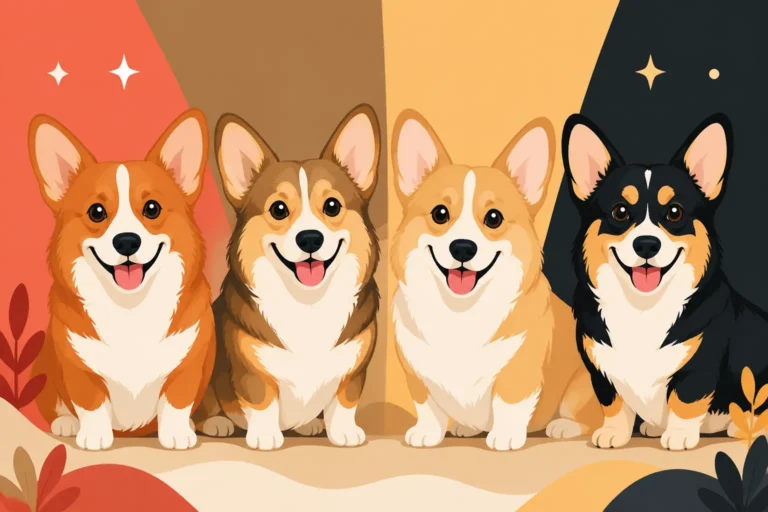
Whether Corgi Fame Has Been Good for the Breed
The undeniable surge in Corgi popularity has brought these short-legged, big-hearted dogs into homes and onto screens everywhere, but this fame isn't without its complications. While more people are falling in love with the breed, it also raises important questions about responsible breeding, health, and what it truly means to own one of these unique dogs. This guide dives deep into how Corgi fame has impacted the breed, both positively and negatively, and how prospective and current owners can navigate this landscape responsibly.
The Global Corgi Phenomenon What Made Them So Famous?
It's hard to remember a time when Corgis weren't practically everywhere. From social media feeds to major motion pictures, these endearing dogs have captured hearts globally. But what exactly propelled them from working farm dogs to internet sensations? It’s a confluence of factors, each contributing to their magnetic appeal.
Royal Endorsement and Pop Culture Spotlight
Let's be honest, you can't talk about Corgi fame without acknowledging their most iconic advocate: the late Queen Elizabeth II. Her lifelong love affair with Pembroke Welsh Corgis put them squarely in the public eye for decades. Imagine seeing a breed constantly by the side of a world leader, featured in official portraits, and even making appearances in pop culture tributes. This royal association lent an air of prestige and charm to the breed, making them recognizable across generations and continents. It wasn't just a fleeting trend; it was a consistent, powerful endorsement that cemented their place in the collective consciousness.
Beyond royalty, Corgis have become bona fide social media stars. Their compact size, expressive faces, and often comical antics make them perfect for viral videos and adorable photos. We’ve all seen the "splooting" Corgi, the one with the dramatic bark, or the intrepid adventurer navigating stairs with surprising agility. This constant exposure creates an emotional connection, making people feel like they "know" a Corgi even if they've never met one. This digital omnipresence fuels demand, with many people seeking out a Corgi specifically because they've seen one online and fallen in love with their perceived personality.
Their Unique Charm and Adaptability
Aside from the external factors, Corgis themselves possess a unique blend of traits that naturally attract attention. Their low-rider stature, combined with surprisingly sturdy builds and intelligent, often mischievous expressions, creates an almost cartoonish appeal. They're undeniably cute, with those big ears and a perpetual "smile" that seems to promise endless joy. It's a combination that's hard to resist.
Furthermore, their personality, while requiring consistent training, often shines through as spirited, loyal, and incredibly clever. They are herding dogs at heart, which means they are observant and highly engaged with their surroundings, making them entertaining companions. While they thrive on activity and mental stimulation, they are also adaptable enough to enjoy cozy indoor time with their families, a trait that makes them appealing to a broad range of lifestyles. This mix of distinct physical traits and engaging personalities makes them naturally photogenic and inherently shareable.
The Positive Impact of Corgi Popularity
While fame often brings its challenges, it's not all doom and gloom for our Corgi friends. Their increased visibility has also brought about significant positive changes, benefiting the breed in ways that dedicated fanciers could only have dreamed of decades ago. It's important to acknowledge these upsides as we discuss the full picture.
Increased Awareness and Dedicated Rescues
One of the most heartwarming aspects of Corgi fame is the heightened awareness it has generated for the breed. More people are learning about Corgis, their unique needs, and their delightful quirks. This awareness often translates into a greater understanding of responsible pet ownership, with many new owners eager to provide the best possible care for their furry family members. It pushes people to seek out information, leading them to resources like dedicated breed clubs and educational blogs like ours.
Crucially, this awareness has also fueled the growth and success of Corgi-specific rescue organizations. Where once these dogs might have been harder to place, now there are passionate networks of volunteers working tirelessly to rehome Corgis in need. These rescues are often on the front lines, taking in dogs from less-than-ideal situations, providing veterinary care, and carefully vetting potential adopters. The increased public interest means these organizations receive more donations, more volunteers, and ultimately, can save more lives. They’re a crucial safety net, and their ability to operate effectively is significantly bolstered by the breed’s high profile. You can often find Corgis of all ages, sometimes even those with special needs, looking for their forever homes through these dedicated groups.
Better Access to Specialized Products and Information
With popularity comes market demand, and for Corgis, this has meant an explosion of specialized products tailored to their unique build and needs. Think about it: specific food formulations for smaller breeds prone to weight gain, orthopedic beds designed to support a long back, or even grooming tools that can effectively manage their double coat. Stores and online retailers like Chewy now stock a wide array of items that directly cater to Corgi owners, making it easier than ever to find what your Corgi needs to thrive.
Beyond products, there's also a wealth of information available, both from veterinary professionals and experienced Corgi owners. Online communities dedicated to Corgis are thriving, offering a platform for sharing advice, tips, and support. Want to know the best Ramps and Steps That Save a Corgi's Back? Or how to manage Corgi Barking and How Much Is Normal? The collective knowledge shared within these groups is immense. This increased information access helps new owners prepare for common Corgi traits and potential health concerns, allowing them to be more proactive in their Corgi's care.
The Unintended Consequences The Dark Side of Fame
While it’s wonderful to see Corgis cherished by so many, their popularity has a significant downside, often leading to challenges that dedicated breed enthusiasts have fought against for years. The demand created by their fame unfortunately attracts individuals who prioritize profit over the well-being of the dogs.
The Rise of Irresponsible Breeding Practices
One of the most glaring issues stemming from Corgi popularity is the proliferation of irresponsible breeding. When a breed becomes highly sought after, unscrupulous breeders, often referred to as "backyard breeders" or even puppy mills, see an opportunity to make quick money. They breed Corgis without regard for health testing, temperament, or adherence to breed standards. Their focus is solely on producing as many puppies as possible to meet demand, often at the expense of the dogs' welfare.
This leads to significant problems. Puppies from these operations are often born with genetic predispositions to serious health conditions that could have been screened for, such as Degenerative Myelopathy and the Corgi or Corgi Hips and Front-End Structure. Owners of these puppies often face heartbreaking and expensive veterinary bills down the line. Furthermore, puppies from such environments frequently lack proper socialization, leading to behavioral issues that can be challenging for even experienced owners to manage. It's a cruel cycle, driven by profit and fueled by uninformed buyers who are simply looking for a "cute Corgi puppy" without understanding the importance of a reputable breeder.
Health and Temperament Challenges
The consequences of indiscriminate breeding are far-reaching. Without careful genetic screening, certain health issues become more prevalent in the general Corgi population. Conditions like hip and elbow dysplasia, various eye diseases, and even certain bleeding disorders can be passed down without proper testing. The DNA Tests a Corgi Breeder Should Run are crucial to mitigating these risks, but irresponsible breeders often skip them entirely. The result is a greater number of Corgis suffering from preventable illnesses, leading to increased veterinary costs and emotional distress for their families.
Beyond physical health, temperament can also suffer. Well-bred Corgis are intelligent, confident, and affectionate, but also possess their working dog traits like alertness and a tendency to "herd." Poorly bred Corgis, however, might exhibit extreme shyness, aggression, or anxiety due to genetics, lack of early socialization, or both. Imagine bringing home a Corgi puppy, only to discover it has severe anxiety that manifests in destructive behaviors or fear-biting. It’s a devastating situation for both the dog and the family, and it’s a direct consequence of breeders who don't prioritize sound genetics and early development.
The "Disposable Pet" Mentality
Sadly, the ease of acquiring a Corgi from an irresponsible source, combined with a lack of understanding of the breed's needs, can contribute to a "disposable pet" mentality. People who buy on impulse, attracted by the Corgi's online persona, may not be prepared for the realities of ownership. They might underestimate the Corgi's intelligence, their tendency to bark, their rigorous shedding schedule (seriously, Why a Corgi Sheds All Year and Not Just Twice is no joke!), or the significant financial commitment involved. This often leads to Corgis being surrendered to shelters or rescue organizations when they become "too much work" or develop unforeseen health or behavioral problems.
This is a devastating outcome for the dogs, who often find themselves confused and heartbroken. It puts immense strain on rescue resources, who then have to pick up the pieces and invest time, money, and effort into rehabilitating and rehoming these once-popular pets. It's a stark reminder that while fame can open doors, it also means a greater responsibility to educate the public about what it truly means to be a Corgi guardian.
Navigating Corgi Ownership in a Famous World Responsible Choices
So, how do we ensure Corgi fame continues to bring more good than harm? It really comes down to informed decisions and responsible actions, both for prospective owners and those already sharing their lives with these wonderful dogs. It's about being proactive and prioritizing the well-being of the breed above fleeting trends.
Research and Choose a Reputable Breeder or Rescue
If you're considering bringing a Corgi into your life, the single most important step you can take is to do your homework. Avoid impulse purchases from pet stores, online classifieds with vague descriptions, or roadside stands. Instead, seek out reputable breeders who prioritize health, temperament, and ethical practices. This means they will conduct all recommended health screenings, can show you the parents of the puppies, and will be transparent about their breeding philosophy. They'll ask you lots of questions too, as they want to ensure their puppies go to suitable homes. A great place to start is with your local breed club, which can often provide referrals to ethical breeders.
Alternatively, consider adoption from a dedicated Corgi rescue. These organizations often have Corgis of all ages, from puppies to seniors, many of whom are perfectly wonderful dogs who simply ended up in the wrong situation. Rescues are experts in the breed and can help match you with a Corgi whose personality and needs align with your lifestyle. They often provide extensive veterinary care and rehabilitation, ensuring the dog is healthy and ready for its new home. Supporting a rescue is a fantastic way to counteract the negative effects of irresponsible breeding. Rehoming a Corgi That Someone Could Not Manage is a common scenario they deal with daily.
Prioritize Health and Lifelong Care
Owning a Corgi is a commitment, and a significant part of that is ensuring their health and well-being throughout their lives. This starts with regular veterinary care, a high-quality diet, and maintaining a healthy weight. Corgis are prone to back issues due to their long bodies, so keeping them lean is paramount. Feeding a Corgi So Its Spine Carries Less is a topic every Corgi owner should understand deeply. Obesity puts extra strain on their delicate spines and joints, exacerbating potential problems like intervertebral disc disease.
Consider pet insurance early on. Given their predispositions to conditions that can be expensive to treat, such as disc issues, having a good insurance plan can provide immense peace of mind. Otherwise, setting aside an emergency fund specifically for your Corgi's health needs is a wise choice. Remember, The Corgi Bills That Come With a Long Back can be substantial, so planning ahead is crucial. Investing in ramps and steps to protect their backs from jumping injuries is another key aspect of proactive care.
| Aspect of Corgi Popularity | Benefits to the Breed | Drawbacks to the Breed |
|---|---|---|
| Visibility | Increased public affection & awareness | Attracts impulse buyers who aren't prepared |
| Demand | Boosts dedicated rescue efforts & funding | Fuels irresponsible breeding (backyard breeders, mills) |
| Product Availability | More specialized foods, beds, grooming tools (e.g., Chewy) | Focus on "trendy" looks over health & temperament |
| Information Access | Wider sharing of care tips & breed-specific knowledge | Spread of misinformation or unrealistic expectations |
| Financial Impact | Can lead to more resources for breed-specific research | Higher incidence of preventable health issues, costly for owners |
Understand Corgi Temperament and Training Needs
Corgis are more than just cute faces; they are intelligent, strong-willed herding dogs. They require consistent training and mental stimulation to be well-adjusted companions. Don't underestimate The Cattle-Driving Nip a Corgi Still Has – it’s a real instinct that needs gentle redirection, especially around children. Early socialization and consistent positive reinforcement training are key to shaping a polite, well-mannered Corgi.
Many people are surprised by how much a Corgi "talks back" or how opinionated they can be. They're not always eager to please, often preferring to make their own decisions. Understanding Training a Corgi That Makes Its Own Decisions is essential for a harmonious household. Engage them in activities that challenge their minds, such as puzzle toys, scent work, or even beginner obedience classes. A bored Corgi is often a destructive or overly vocal Corgi. Their fame has meant many enter homes unprepared for their distinct personality, and addressing these needs is a crucial part of responsible ownership.
Ultimately, while Corgi fame has undeniably brought them into the spotlight and endeared them to millions, it places a greater onus on us, as their human companions, to ensure their long-term health, happiness, and integrity as a breed. By making informed choices, supporting ethical breeders and rescues, and committing to lifelong responsible care, we can help ensure the future of the Corgi remains as bright as their reputation.
Disclaimer
This article is for general informational purposes only and does not constitute professional advice. Laws, prices and regulations vary by location and change over time. Consult a qualified professional for guidance on your specific situation.