Whether Corgi Owners Regret the Shedding
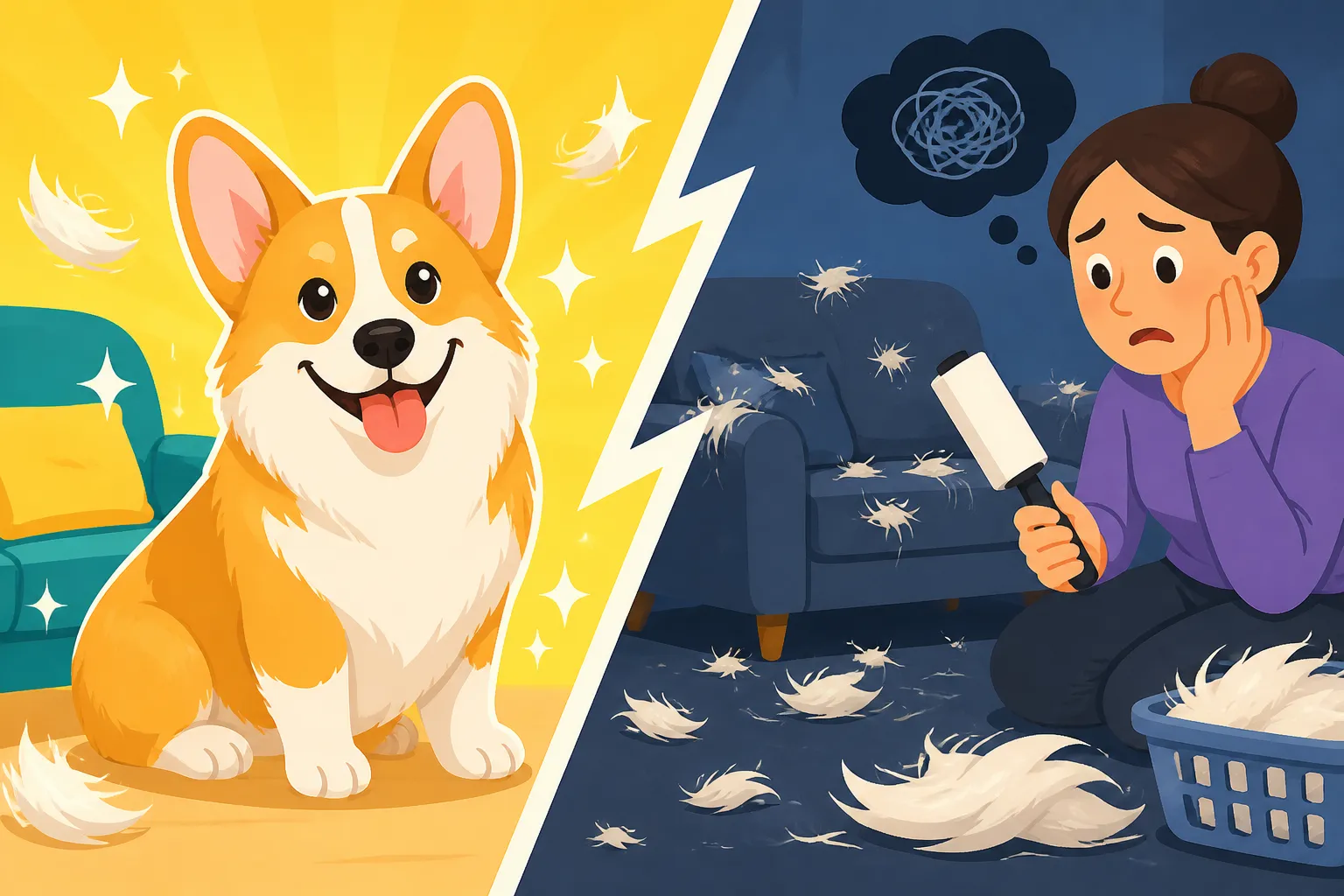
Bringing a Corgi into your life is often a whirlwind of adorable wiggles, intelligent stares, and that signature 'loaf' pose. What many new Corgi parents quickly discover, however, is a consistent, often overwhelming, shower of hair that covers everything from your clothes to your morning coffee. The question then becomes, do Corgi owners regret the shedding that comes with these beloved, furry companions? This guide delves into the realities of Corgi shedding, how owners manage it, and the ultimate verdict on whether it truly detracts from the joy of Corgi ownership.
The Reality of Corgi Shedding: More Than Just Hair
Let's be blunt: Corgis shed. A lot. It's not a secret kept by seasoned owners, but it's something many prospective owners simply don't fully grasp until they're living with it. This isn't just about a few stray hairs; it's a lifestyle adjustment.
The Double Coat's Purpose and What It Means for Shedding
Corgis, both Pembrokes and Cardigans, are equipped with a dense double coat, a marvelous piece of natural engineering designed for their ancestral role as herding dogs in the often chilly, damp climate of Wales. This coat consists of two distinct layers:
- The outer coat (guard hairs): These are coarser, longer hairs that are water-resistant and protect the dog from the elements, like rain, wind, and even the occasional nibble from a cow's hooves. They give the Corgi its distinctive color and texture.
- The undercoat: This layer is much softer, denser, and incredibly insulating. It traps air close to the body, keeping the Corgi warm in winter and actually helping to keep them cool by forming a protective barrier against the summer heat.
The presence of this thick undercoat is the primary reason for the significant shedding. As seasons change, or even as their bodies naturally regulate temperature, the old undercoat needs to be shed to make way for new growth or to adapt to the weather. It’s a completely natural, healthy process, but it certainly means more hair around your home.
Seasonal Blowouts vs. Everyday Hair
While Corgis are generally year-round shedders, there are specific periods, often referred to as "blowouts," when the amount of hair seems to multiply exponentially. These seasonal shedding events typically occur twice a year, usually in spring to shed their heavy winter coat and again in autumn to prepare for a thicker winter one. During these weeks, you might feel like you could build another Corgi out of the hair you brush off!
However, it's crucial to understand that even outside of these major blowouts, a Corgi will still shed daily. Each time they shake, lie down, or get a good scratch, loose hair is liberated from their coat and finds its way onto your furniture, floors, and clothes. This isn't just a spring and fall problem; it's a constant companion for Corgi owners. How Much Hair a Twenty-Eight Pound Corgi Drops is something many people are truly unprepared for.
Factors Influencing Shedding Volume
While the double coat is the main culprit, several other factors can influence how much your Corgi sheds:
- Genetics: Some Corgis might naturally have a denser undercoat than others, leading to more shedding. This isn't always predictable but can be a factor.
- Diet and Nutrition: A high-quality diet rich in essential fatty acids (like Omega-3 and Omega-6) can contribute to a healthier coat, which paradoxically can mean less excessive shedding by keeping the hair follicles strong. Poor nutrition, on the other hand, can lead to a dull, brittle coat and increased shedding.
- Health Status: Underlying health issues, such as allergies, skin infections, parasites, or thyroid imbalances, can all contribute to abnormal or increased shedding. If your Corgi suddenly starts shedding much more than usual, or has patchy hair loss, it's always wise to consult your vet.
- Environment: Indoor Corgis, especially those in temperature-controlled homes, might shed more consistently throughout the year rather than having distinct seasonal blowouts, as their bodies don't experience the dramatic temperature shifts that trigger major shedding cycles.
Understanding these factors can help owners not only prepare for the shedding but also potentially manage it more effectively.
Living with the Corgi Cloud: Management Strategies
So, you've embraced the Corgi life, and with it, the Corgi cloud of hair. The good news is, while you can't stop a Corgi from shedding entirely, there are plenty of strategies to manage the fallout and keep your home from looking like a wool factory. It requires consistency, the right tools, and a bit of a zen approach.
Essential Grooming Tools and Techniques
The cornerstone of managing Corgi shedding is a robust grooming routine. This isn't just about aesthetics; regular grooming keeps their skin healthy and comfortable.
-
Brushing, Brushing, Brushing: Daily brushing, especially during peak shedding times, is non-negotiable. You'll want a few key tools:
- Undercoat Rake: This is your MVP for getting deep into that dense undercoat and pulling out loose hair without damaging the guard hairs. Working a Rake Through a Corgi Undercoat is key to effective shedding management.
- Slicker Brush: Great for general grooming, smoothing the outer coat, and removing loose surface hair.
- Pin Brush: Useful for longer feathering on legs and britches, helping to prevent tangles.
- Deshedding Tool: Brands like Furminator offer specialized tools that can be very effective, but use them sparingly and with a light hand, as overuse can damage the coat.
Aim for at least 15-20 minutes of thorough brushing daily during seasonal blowouts. For everyday maintenance, a few times a week might suffice, but consistency is key. You'll be amazed at the sheer volume of hair you remove.
-
Bathing and Drying: While not a daily activity, regular baths can help loosen and remove dead hair. Use a high-quality shampoo designed for dogs with double coats. The real secret weapon, however, is a high-velocity dog dryer. After a bath, a good blow-out session will literally blast loose undercoat out of your Corgi's fur, significantly reducing shedding for days afterward. This is often best done outdoors or in a designated area. Blowing a Corgi Coat Out With a Dryer can make a huge difference.
-
Professional Grooming: Many Corgi owners opt for professional grooming every 6-8 weeks, especially during peak shedding seasons. A good groomer has the equipment and expertise to thoroughly de-shed your Corgi, making your home life much easier. They can also handle nail trims and ear cleaning, which are also part of Corgi Nail, Ear and Tooth Routines.
Maintaining a Hair-Friendly Home
Beyond grooming your Corgi, you'll need to adapt your home environment to coexist peacefully with the shedding.
- Vacuum Power: Invest in a powerful vacuum cleaner designed for pet hair. Look for models with strong suction and good filtration systems. You'll be using it frequently – daily during peak shedding. Vacuum Costs in a Corgi Household might seem high initially, but it's an investment in your sanity!
- Furniture Covers and Cleaning: Washable throws or slipcovers on your furniture can be a lifesaver. They can be easily removed and laundered, trapping hair before it embeds itself in your upholstery. Keep lint rollers handy in every room and even in your car for quick touch-ups.
- Flooring Choices: Hardwood, tile, or laminate floors are generally easier to clean than carpets. If you have carpets, consider using rugs that are easy to shake out or wash.
- Air Purifiers: While they won't stop the shedding, air purifiers with HEPA filters can help capture airborne pet dander and hair, improving air quality, especially for those with allergies.
- Designated "Shed Zones": Sometimes it helps to have specific areas where your Corgi can really lounge and shed without it being an issue, like a washable dog bed in a corner.
Nutritional Support for Coat Health
A healthy coat starts from within. Feeding your Corgi a balanced, high-quality diet can have a noticeable impact on the health and integrity of their fur, and in turn, how much they shed.
- Quality Food: Look for dog foods with real meat as the first ingredient and a good balance of protein, fats, and carbohydrates. Avoid fillers and artificial additives. Brands like Chewy often offer a wide selection of high-quality kibbles that cater to specific breed needs or coat health.
- Omega Fatty Acids: Supplements rich in Omega-3 and Omega-6 fatty acids (like fish oil or flaxseed oil) can greatly improve skin and coat health, leading to a shinier coat and potentially reduced shedding by strengthening hair follicles. Discuss appropriate dosages with your vet.
- Hydration: Ensure your Corgi always has access to fresh, clean water. Good hydration is crucial for overall health, including skin and coat condition.
By combining regular, thorough grooming with thoughtful home management and a nutritious diet, you can significantly reduce the impact of Corgi shedding on your daily life.
The Owner's Perspective: Regret vs. Acceptance
So, after all this hair, the constant brushing, and the never-ending vacuuming, do Corgi owners actually regret the shedding? The overwhelming answer from most Corgi enthusiasts is a resounding no.
The Initial Shock and Adaptation Phase
For many, the first few weeks or months with a Corgi can be a bit of a rude awakening. The sheer volume of hair can be surprising, especially if you've never owned a double-coated breed before. You might find yourself lint-rolling your clothes every time you leave the house or wondering how one small dog can produce so much fur. This initial shock can lead to moments of frustration.
However, most owners quickly adapt. They learn the rhythm of their Corgi's shedding cycles, establish a consistent grooming routine, and acquire the necessary tools. It becomes less of an "if" and more of a "when" and "how" to deal with the hair. It’s part of the Corgi package, and you either learn to live with it or you don’t.
The Trade-Offs: Is the Corgi Worth the Hair?
For most Corgi owners, the answer is a resounding yes. The shedding is seen as a minor inconvenience when weighed against the endless joy, personality, and companionship these dogs bring. Corgis are intelligent, quirky, affectionate, and often hilarious companions. Their bold personalities, devotion, and unique charm tend to overshadow the hairy downsides.
Owners often develop a sense of humor about it, sharing photos of their "Corgi tumbleweeds" or creating elaborate de-shedding contraptions. It becomes a badge of honor, a small price to pay for the privilege of sharing your life with such a special breed. The deep bond and constant entertainment a Corgi provides simply make the extra cleaning worth it. The Hair New Corgi Owners Underestimate quickly becomes something they learn to manage.
Community and Support for Corgi Shedding
One of the beautiful things about Corgi ownership is the vibrant and supportive community. If you ever feel overwhelmed by the shedding, there's a whole world of Corgi parents out there who totally get it. Online forums, social media groups, and local Corgi meetups are full of people sharing tips, commiserating, and celebrating the hairy joys of their lives.
This shared experience helps normalize the shedding. You realize you're not alone, and that everyone else is dealing with it too. It fosters a sense of camaraderie and shared understanding. Many will joke that "Corgi glitter" is just a part of life now. Finding the right tools and strategies, often recommended by fellow owners on platforms like Chewy, helps turn a potential frustration into a manageable part of your routine.
So, while the shedding is undeniably a significant aspect of Corgi ownership that requires consistent effort and management, it very rarely leads to regret. Instead, it becomes an accepted, if occasionally frustrating, part of loving a Corgi. The immense love, laughter, and companionship they provide far outweigh the need for a good lint roller.
Disclaimer
This article is for general informational purposes only and does not constitute professional advice. Laws, prices and regulations vary by location and change over time. Consult a qualified professional for guidance on your specific situation.