Where the Word Corgi Comes From
Have you ever stopped to wonder about the name of that adorable, low-slung, big-eared dog trotting by? Many Corgi owners, myself included, have pondered the origins of their beloved companion's unique name. It's not just a cute sound; the word "Corgi" carries centuries of history and meaning, rooted deeply in the Welsh language and the working life of these incredible dogs. This guide will take you on a linguistic journey to discover where the delightful name "Corgi" truly comes from, exploring its ancient roots and cultural significance.
Unraveling the Linguistic Roots of "Corgi"
The name "Corgi" isn't some modern invention or a whimsical choice. It's deeply embedded in the language of its homeland, Wales, and understanding its etymology gives us a fascinating glimpse into the breed's past. For anyone who's ever gazed at their Corgi and wondered about its heritage, delving into its name is a wonderful starting point.
The Welsh Connection: "Cor" and "Ci"
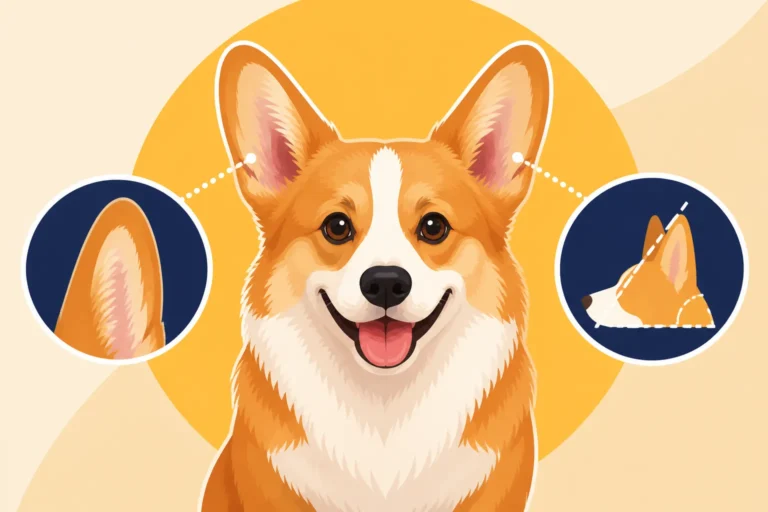
The most widely accepted and certainly the most straightforward explanation for the name "Corgi" comes directly from the Welsh language. It's a compound word, formed from two distinct Welsh terms: "cor" and "ci." The word "cor" in Welsh translates to "dwarf" or "small," aptly describing the Corgi's distinctive low-to-the-ground stature. Then there's "ci," which is simply the Welsh word for "dog." Put them together, and you get "cor-ci," which naturally evolved into "Corgi" as it entered English usage. It’s a wonderfully literal description, highlighting the defining physical characteristic of these dogs.
This interpretation makes perfect sense when you consider the breed's appearance. Corgis are undeniably small dogs, especially when compared to many other herding breeds. Their short legs and long bodies are their hallmark, and it's easy to see how Welsh farmers and drovers would have identified them as their "dwarf dogs" or "small dogs" specifically used for working cattle. There's a pragmatic charm to this ancient naming convention, a directness that reflects the utilitarian role these dogs played in rural Wales. What Corgi Means in Welsh is often a question that pops up, and this simple, direct translation is the most common answer you'll hear.
More Than Just a "Dwarf Dog": Deeper Interpretations
While "dwarf dog" is the most popular and generally accepted etymology, there are other nuances and historical theories that add depth to the story of the Corgi's name. Language, especially ancient language, is rarely one-dimensional, and often, words carry layers of meaning that can be lost or subtly altered over time. Some breed enthusiasts and linguists have explored these deeper interpretations, suggesting that "cor" might also have broader connotations beyond just physical smallness.
For instance, some believe "cor" could also refer to being "curt" or "bob-tailed," perhaps alluding to the Pembroke's naturally short or docked tail, rather than exclusively its height. It's a less common theory, but it speaks to how descriptive names often encapsulated several traits. Furthermore, some theories suggest a connection to the old Norse word "korgi," which meant "basket-dog," potentially referring to a dog small enough to be carried in a basket, or perhaps even one with a "basket-like" body shape. While this might seem a bit far-fetched, it’s a fun thought experiment into how Whether Corgi Means Dwarf Dog might have been interpreted in other cultural contexts that touched Welsh shores. Regardless of the exact interpretation, the consensus remains that the core of the name speaks to the Corgi's physical characteristics, making it a very descriptive and fitting title for these unique canines.
The Historical Context: Corgis in Ancient Wales
To truly appreciate where the name "Corgi" comes from, we have to transport ourselves back to the rugged, pastoral landscapes of ancient Wales. These weren't pampered pets; they were vital members of the farm team, their very existence intertwined with the daily struggles and successes of rural life. Their name isn't just a label; it’s a testament to their original purpose and the deep bond they formed with their human companions.
The Working Dog's Nomenclature: A Name for Their Job
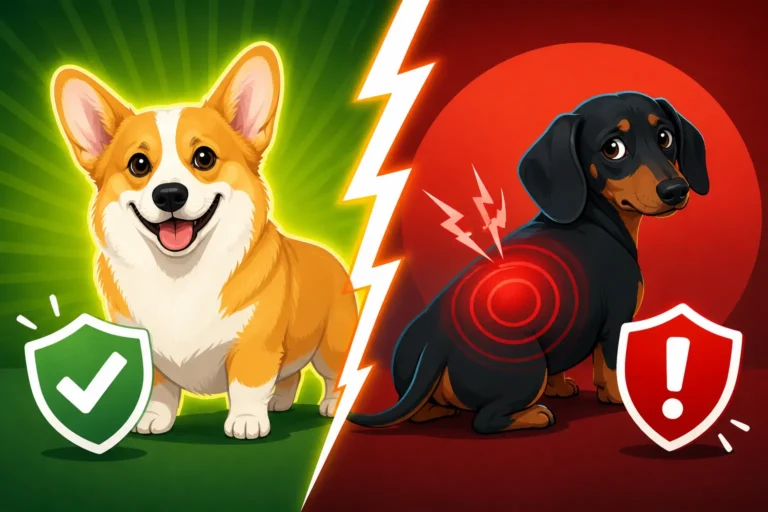
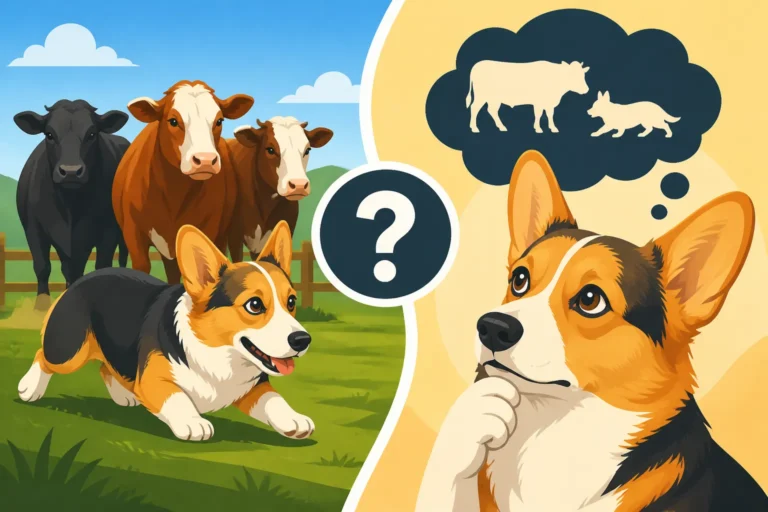
Corgis, particularly the Cardigan Welsh Corgi, boast an incredibly ancient lineage, predating many modern breeds. They were bred for a specific, demanding job: herding cattle. But not just any herding; their short stature was a deliberate adaptation. These "dwarf dogs" would nip at the heels of stubborn cows, ducking quickly to avoid retaliatory kicks. Their low profile made them incredibly effective at maneuvering beneath the powerful hooves of livestock, driving them without fear. It's this unique working style that truly cemented their identity and, by extension, their name.
Imagine a Welsh drover shouting "Cor-ci!" to his dog, signaling it to go to work. The name itself was a functional description, immediately communicating the dog's build and its role on the farm. They weren't just "dogs"; they were the small, low dogs perfectly designed for moving livestock. How a Corgi Moved Cattle Without Being Kicked is a fascinating insight into their ingenious herding technique, and their name perfectly encapsulates this essential trait. This wasn't just a quaint descriptor; it was a badge of honor, a recognition of their invaluable contribution to the livelihoods of Welsh farmers.
Beyond the Pasture: How the Name Stuck
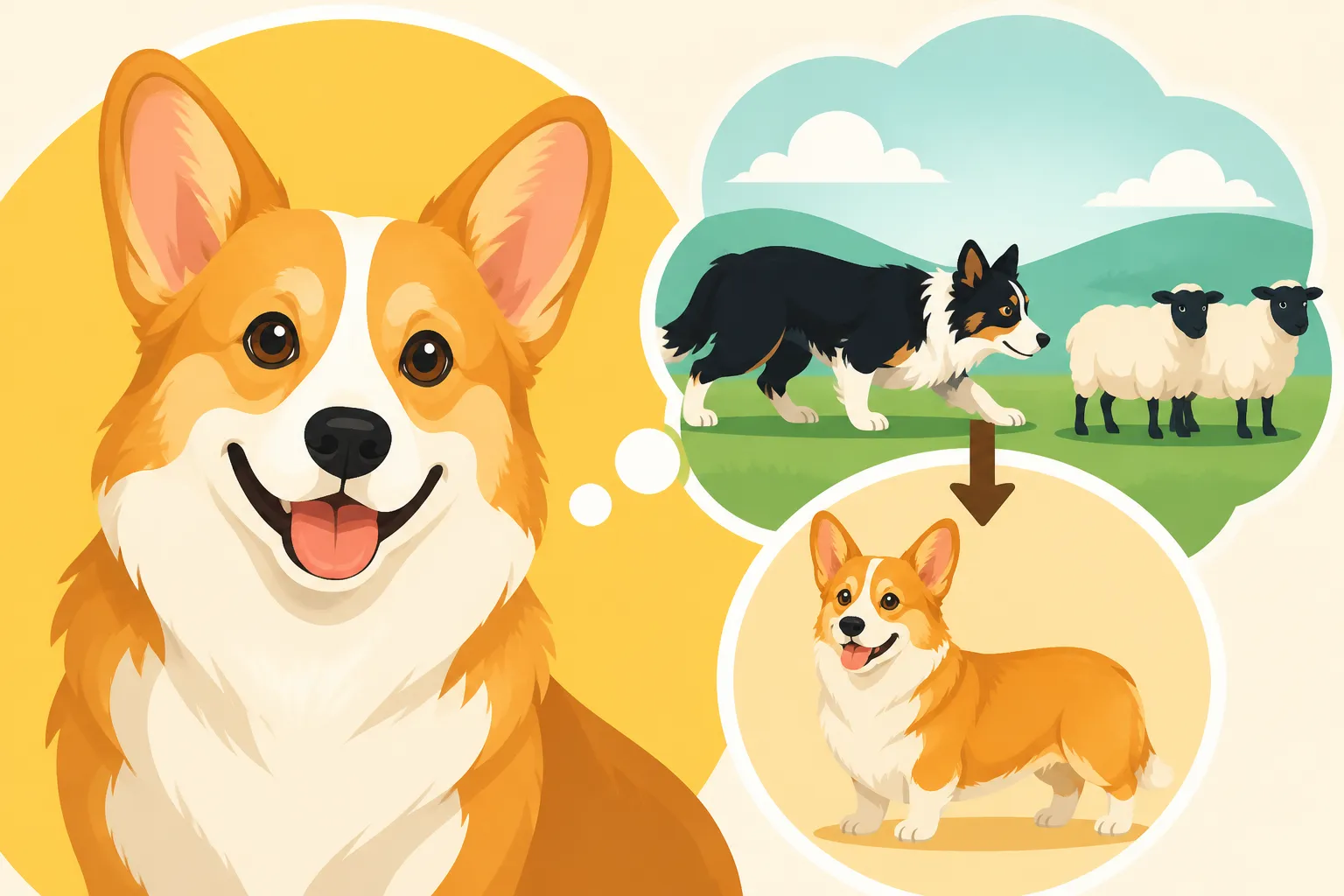
Even as Corgis transitioned from being primarily working dogs to becoming cherished family companions, the name "Corgi" stuck. The descriptive power of "dwarf dog" was so strong and so well-established that it simply became synonymous with the breed, even when many Corgis never saw a cow in their lives. The image of the sturdy, short-legged dog was already ingrained in the collective consciousness, both in Wales and eventually, across the globe.
This persistence of the name speaks to the breed's enduring character and its easily recognizable form. Much like how a shepherd might still refer to their "sheepdog" even if it's now a pet, the Corgi retained its working title. As they gained popularity, first in the UK and then internationally, "Corgi" became a brand, an immediate identifier for this distinctive breed. Even today, when we see a Corgi waddling through the park, that ancient Welsh description of a "small dog" still rings true, connecting us back to their humble, hardworking origins. This is why Why Drovers Wanted a Corgi's Height is so critical to understanding their historical identity.
The Two Breeds, One Enduring Name
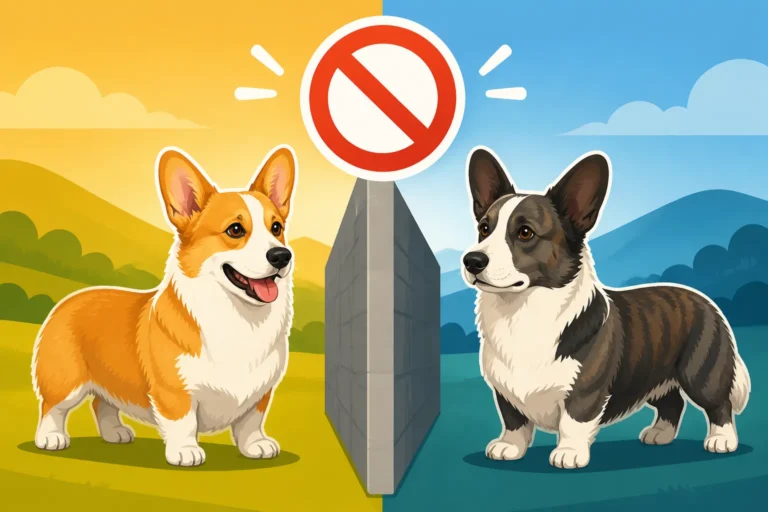
It's a common misconception that all Corgis are the same. While they share many characteristics, the Pembroke Welsh Corgi and the Cardigan Welsh Corgi are, in fact, two distinct breeds. Yet, they both carry the "Corgi" moniker, which further highlights the strength and significance of this ancient name in defining these wonderful dogs.
Pembroke and Cardigan: A Shared Linguistic Heritage
The two Corgi breeds, the Pembroke and the Cardigan, despite their separate historical developments and distinct breed standards, both proudly bear the "Corgi" name. The Cardigan Welsh Corgi is often considered the older of the two, tracing its lineage back perhaps as far as 1200 BC. The Pembroke Welsh Corgi, while still ancient, is thought to have arrived in Wales with Flemish weavers around the 10th or 11th century. Despite these different origins, they both evolved in Wales as "dwarf dogs" for herding cattle, thus earning the same fundamental description.
This shared name underlines their common function and physical type. Both are low-set, long-bodied, and incredibly intelligent herding dogs. Even though a Cardigan typically has a tail and is slightly larger than a Pembroke, the core descriptive term of "Corgi" applies equally well to both. It signifies their fundamental identity, transcending minor differences in appearance or specific ancestry. When you explore the rich history of When Pembrokes Arrived in Wales or delve into How Old the Cardigan Welsh Corgi Is, you see that while their paths diverged, their essential "corgi-ness" remained.
The Importance of a Name in Breed Identity
A breed's name is more than just a label; it's a vital part of its identity, its history, and its cultural resonance. For the Corgi, their name evokes not just their physical appearance but also their tenacious spirit, their intelligence, and their heritage as a working dog. It immediately brings to mind that iconic low-slung silhouette and those keen, intelligent eyes. This powerful association helps define what a "Corgi" means to people, whether they are breeders, owners, or just admirers.
Consider how the name influences perception. When someone says "Corgi," most people instantly picture a specific type of dog, even if they can't articulate the exact breed standard. The name carries an emotional weight, conjuring images of royalty, playful antics, and a loyal companion. This enduring power of the name is a testament to how well it captures the essence of these dogs. It’s a name that has traveled from the Welsh valleys to royal palaces, always retaining its core meaning and charm.
Modern Usage and Popularity
From humble farm dogs to international internet sensations and royal companions, the Corgi has truly captured the hearts of people worldwide. This global recognition has firmly cemented the name "Corgi" in popular culture, making it instantly recognizable even to those who have never met one in person.
The Global Recognition of "Corgi"
Today, "Corgi" is a household name far beyond the borders of Wales. Thanks in no small part to their association with the British royal family and their undeniable charm on social media, Corgis have become incredibly popular. This widespread affection means the name "Corgi" is now universally understood, signaling a specific type of dog that is both endearing and distinctive. People around the world know what a Corgi looks like, and they know the name.
This global phenomenon has led to "Corgi" becoming a widely used term, even in merchandising and media. You'll find Corgi-themed everything, from plush toys to coffee mugs, showing just how deeply integrated the name has become in popular culture. It's amazing to think that a simple Welsh descriptor for a "dwarf dog" has achieved such widespread fame. How Common Corgis Have Become illustrates this rise in popularity, making the name a truly global one. Whether it's the subject of viral videos or appearing in high-profile events like the Platinum Jubilee, the "Corgi" name carries significant cultural weight.
Common Misconceptions and Affectionate Nicknames
Despite its widespread recognition, the name "Corgi" can sometimes lead to minor confusions or inspire affectionate alternatives. For instance, the pronunciation can occasionally trip people up, with some initially saying "Cor-GHEE" instead of the more common "Cor-gee" (with a hard 'g'). It’s a small detail, but it speaks to the journey of a Welsh word into the global lexicon.
Beyond official pronunciation, many owners bestow their Corgis with a plethora of adorable nicknames that reflect their personality or appearance. "Loaf," "Potato," "Fluffbutt," or even "Sausage Dog" are common terms of endearment, playfully referencing their unique build. These affectionate terms, while not part of the official etymology, show the deep love and humor Corgi owners have for their pets. When you're searching for fun Corgi-themed items or even trying to find the right food bowl for your "fluffbutt," places like Chewy often use these playful descriptors to help you navigate their vast selection of products. From special harnesses that don't press on their long backs to puzzle feeders that keep their smart brains busy, Chewy has a wide array of items designed for these unique "dwarf dogs."
Where the Word Corgi Comes From: A Summary
| Component | Welsh Meaning | English Translation | Significance for Corgi |
|---|---|---|---|
| Cor | Dwarf / Small | Dwarf / Small | Refers to the Corgi's short legs and low stature, ideal for herding cattle by nipping at heels. |
| Ci | Dog | Dog | The general term for a dog. |
| Corgi | Cor-ci | Dwarf Dog / Small Dog | The ancient, descriptive name that stuck, reflecting their physical characteristics and working role. |
The journey of the word "Corgi" is a beautiful example of how language, history, and a breed's purpose intertwine. From the humble pastures of Wales, where the "cor-ci" was an indispensable helper, to its current status as a beloved companion across the globe, the name has retained its clear, descriptive meaning. It's a tribute to these tenacious, intelligent, and utterly charming "dwarf dogs" that have carved a permanent place in our hearts. Next time your Corgi comes waddling over, give a nod to its ancient heritage encapsulated in that wonderful name.
Disclaimer
This article is for general informational purposes only and does not constitute professional advice. Laws, prices and regulations vary by location and change over time. Consult a qualified professional for guidance on your specific situation.