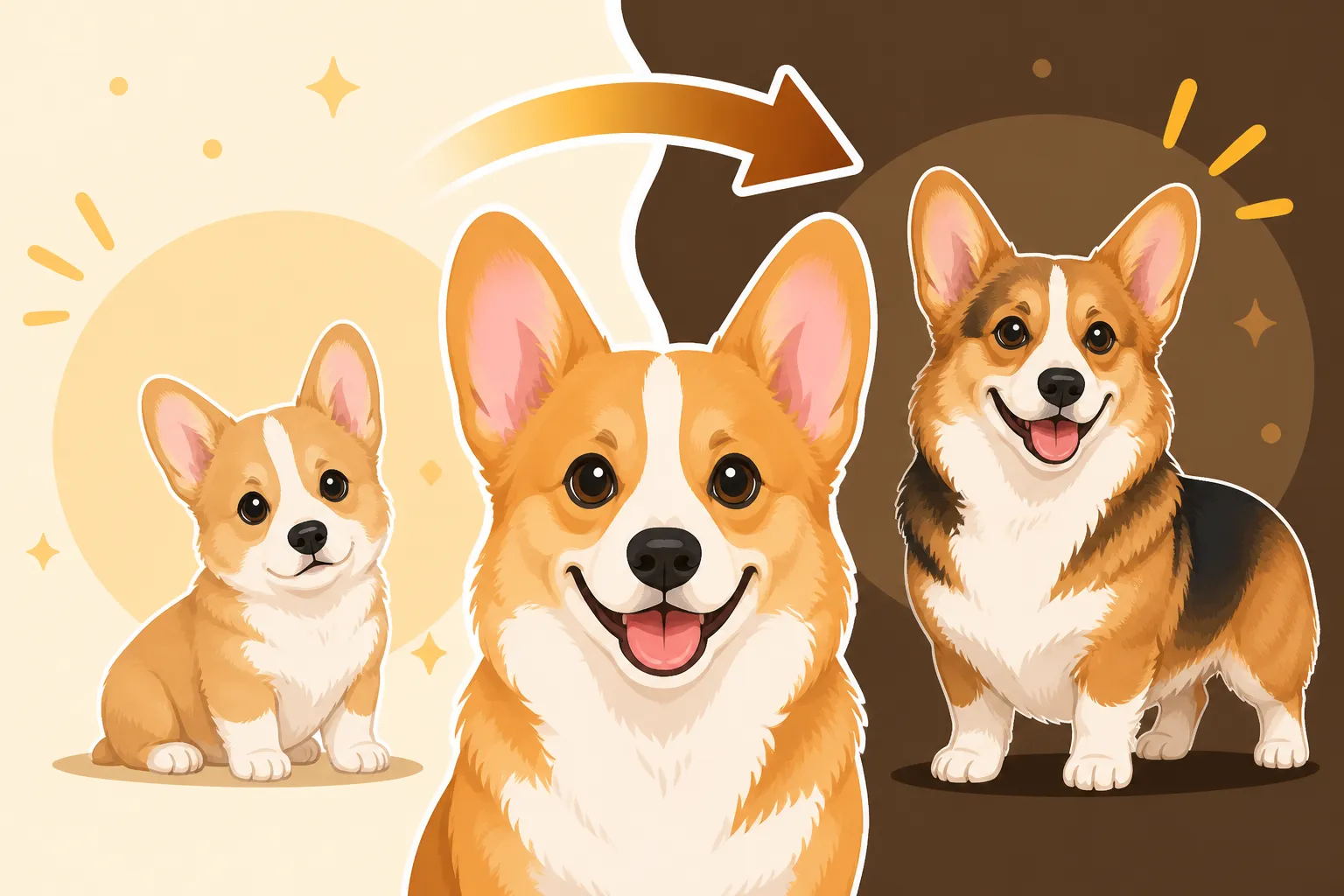
Whether a Corgi Puppy Darkens as It Grows
It’s a truly fascinating thing to watch your Corgi puppy grow, isn't it? One day you bring home this tiny fluffball with a certain color, and then, slowly but surely, you start noticing subtle—or sometimes not-so-subtle—shifts in their coat. Many Corgi owners become a bit puzzled, perhaps even a little concerned, when their adorable fawn puppy starts looking more like a rich red, or their black-and-tan baby’s points begin to pop with brighter color. This guide is all about demystifying those color transformations, helping you understand why your Corgi puppy might be darkening as it grows, and what to expect as their adult coat comes in.
The Corgi Puppy Coat: A Canvas in Progress
When you first welcome a Corgi puppy into your home, their coat is often a softer, sometimes even muted version of what it will eventually become. It’s like looking at a rough sketch before the artist applies the final, vibrant colors. This initial coat, charming as it is, is really just a placeholder. Think of it as their "baby fur" – much like human babies can be born with light hair that darkens dramatically over their first few years.
The Initial Puppy Fluff and Its Impermanence
Corgi puppies, whether Pembroke or Cardigan, are born with a wonderfully soft, often downy coat that feels incredible to pet. This puppy coat isn't quite as dense or as coarse as the adult double coat that will eventually develop. It's often a bit lighter in shade, and the markings might not be as sharply defined as they will be later on. For instance, a red Corgi puppy might appear a pale biscuit or fawn color, lacking the deep, fiery hue characteristic of many adult reds. Similarly, black-and-tan puppies might have a somewhat dusty or smoky appearance to their black areas, and their tan points could be quite muted, almost creamy. This isn't a flaw; it's simply the coat in its nascent stage, still very much a work in progress. It's fascinating how this initial fluff gives way to the more robust, weather-resistant coat of their heritage.
Genetic Factors and Pigment Development
The ultimate color of your Corgi is, of course, entirely determined by genetics. Those tiny strands of DNA passed down from their parents hold all the instructions for pigment production. However, these genetic instructions aren't always expressed at their fullest potential right from birth. Pigment cells, called melanocytes, are constantly at work, but it takes time for them to fully mature and consistently produce the final, rich color. Think of it like a printer gradually running out of ink, but in reverse – the color is slowly filling in. The DNA Tests a Corgi Breeder Should Run often include checks for coat color genes, so a reputable breeder usually has a good idea of a puppy's likely adult color, even if it looks a bit different at eight weeks old. Different genes control the intensity and distribution of red, black, and tan pigments, and how these interact decides if your Corgi will be a classic red, a sable, a striking black-and-tan, or even a blue merle (though blue merle is specific to Cardigans and not accepted in Pembrokes).
Common Color Transformations in Corgi Puppies
So, what kind of changes can you really expect? It's often more than just a subtle darkening; sometimes, entire patterns become more pronounced, and colors gain a whole new depth.
Darkening of Reds and Sables
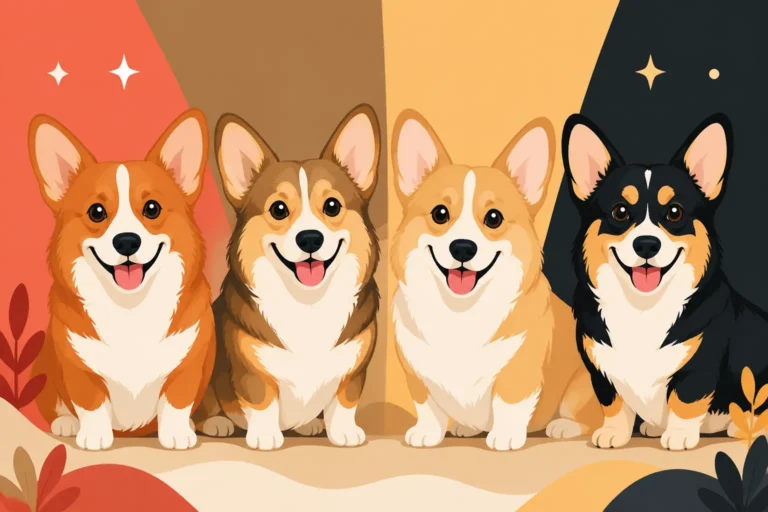
This is perhaps the most common and noticeable transformation. Many Corgi puppies, particularly those genetically destined to be red or sable, are born looking quite light. They might be a pale golden-fawn, a light cream, or a very gentle apricot hue. Over their first year, this color often deepens significantly. A fawn puppy can mature into a rich, mahogany red that truly gleams in the sunlight. Sables, which are a variation of red where each hair has black tips, will see their red base deepen, and the black tipping become more pronounced and extensive, often creating a beautiful, shadowed effect, particularly along the back and tail. This darkening can be very gradual, happening over many months, making it easy to miss until you compare an old puppy photo with your now-adult Corgi. The way the black tips of the sable coat emerge is especially striking, almost like someone's taking a fine-tipped pen to outline the dog's contours. For more on this, you might be interested in What Makes a Corgi Sable.
The 'Blurring' of Black-and-Tan Markings
Black-and-tan Corgi puppies, which are predominantly black with distinct tan markings on their face, chest, and legs, also undergo a fascinating color evolution. As puppies, their black areas might look a bit soft, almost a charcoal grey or a faded black. The tan points, too, might be quite pale, blending in more than standing out. As they mature, the black often becomes a much deeper, richer, and more intense shade, taking on that glossy, true-black appearance. Simultaneously, the tan markings will brighten and become more defined, transforming from a soft cream to a vibrant, often fiery tan or even rust color. The contrast between the deep black and the bright tan becomes much sharper, giving the adult Corgi a striking, well-defined look. It’s like someone turned up the saturation on a photograph.
White Markings and 'Whitelies'
Most Corgis, regardless of their base color, will have some degree of white markings, typically on their chest, neck, legs, and sometimes a blaze on their face. These white areas usually remain white throughout their lives. However, occasionally, a puppy born with very crisp, bright white markings might see those areas take on a slightly creamier hue as they age, or sometimes vice-versa. The amount and location of white are also genetically determined. Sometimes, a Corgi will have what are affectionately called "whitelies" – white markings that extend beyond the typically accepted areas in the breed standard, such as high on the flank. These markings usually remain consistent in their whiteness, though their prominence might seem to change as the surrounding base coat darkens and offers more contrast. White Markings on a Corgi are a key part of their appearance, and thankfully, these areas are usually quite stable in color.
Here’s a quick overview of common Corgi puppy color changes:
| Initial Puppy Color (Example) | Common Adult Transformation (Example) | Key Change | Notes |
|---|---|---|---|
| Pale Fawn / Biscuit | Rich Red / Mahogany | Deepening | Very common, especially in Pembrokes. |
| Muted Cream / Tan | Vibrant Tan Points (Black & Tan) | Brightening | Tan markings become sharper and more defined. |
| Smoky Black / Charcoal | Deep, True Black (Black & Tan) | Intensifying | Black areas lose their "dusty" appearance. |
| Light Sable with few black tips | Deep Sable with prominent black overlay | Intensifying | Black tipping extends and becomes more visible. |
| Crisp White Markings | Stable White (sometimes slightly creamy) | Consistency | White areas generally maintain their hue. |
When to Expect These Changes and Why
It's not an overnight switch, but a gradual process that unfolds over several months. Knowing the typical timeline can help manage expectations and understand that your Corgi is simply developing as nature intended.
The First Few Months
The most significant and noticeable color changes in a Corgi puppy's coat typically occur within their first six to twelve months of life. During this period, their puppy coat is gradually being replaced by the denser, coarser, and more robust adult double coat. As the new, adult hairs grow in, they carry the full, mature pigmentation dictated by the dog's genetics. You might start to see hints of the adult color emerging first along the spine or on the deeper layers of the coat. This is often when that pale fawn starts showing streaks of red, or the smoky black begins to look more solid. Some Corgis will continue to develop their full adult color even beyond a year, but the most dramatic transformations usually happen during this critical puppy-to-adolescent phase. It’s a busy time for their little bodies, growing in size, developing muscles, and yes, even changing their wardrobe!
Coat Cycles and Seasonal Influences
Beyond the initial puppy-to-adult coat transition, a Corgi's coat color can appear to shift throughout their life due to natural coat cycles and seasonal changes. Corgis are renowned for their shedding, and they go through major "blows" of their undercoat typically twice a year. The Two Weeks a Corgi Coat Comes Out in Handfuls are a testament to this! During these periods of heavy shedding and regrowth, the new hairs coming in might briefly alter the perception of the overall color. For instance, if a lot of lighter undercoat sheds out, the darker guard hairs might seem more dominant.
Additionally, environmental factors like sunlight can have an impact. Just like human hair can lighten in the sun, a Corgi's coat, especially red or sable varieties, can become sun-bleached and appear lighter in the summer months. Conversely, in winter, with less sun exposure and a denser coat grown for warmth, their colors might look deeper and richer. It's truly a dynamic canvas that keeps you guessing!
Environmental Factors: Sunlight, Diet, and Grooming
While genetics are the primary driver of coat color, environmental factors can certainly play a supporting role in how that color presents. As mentioned, prolonged exposure to strong sunlight can cause some fading or bleaching, especially on darker or red coats. If your Corgi spends a lot of time outdoors in sunny climates, their coat might appear lighter than an indoor-only dog of the same genetic coloring.
Diet also contributes to overall coat health, which in turn can influence the vibrancy and depth of color. A Corgi fed a high-quality, balanced diet rich in essential fatty acids (like Omega-3s and 6s) will typically have a healthier, shinier coat. A healthy coat reflects light better and makes colors appear richer and more saturated. If you're considering dietary supplements for coat health, always chat with your vet first. Brands like Chewy offer a wide range of premium dog foods and supplements that can support a lustrous coat. Regular grooming, including brushing and bathing with appropriate shampoos, helps keep the coat clean, free of dead hair, and in optimal condition, allowing its true color to shine through. Grooming a Corgi That Sits Six Inches Off the Ground is essential not just for cleanliness, but for maintaining coat integrity and appearance.
Understanding the Fluffy Corgi's Unique Coat
Not all Corgis have the standard smooth, harsh-textured double coat. Some are born with what’s known as the "fluffy" coat, a recessive genetic trait that gives them a much longer, softer, and often more voluminous appearance. This unique coat type also influences how their color is perceived as they grow.
The Fluffy Gene and Its Visual Impact
A "fluffy" Corgi, while still 100% Corgi, has a coat that is considerably longer and softer than the breed standard allows. This is due to a recessive gene, and it's quite distinct. Imagine a Corgi wearing a luxurious, flowing robe instead of a neatly tailored suit. This longer, silkier hair can significantly alter the visual impression of their coat color. Because the hair strands are longer and can diffuse light differently, the colors might appear softer, perhaps even slightly muted or pastel-like compared to a standard-coated Corgi of the exact same genetic coloring. The rich red might look more like a strawberry blonde, and the black-and-tan might have a softer, more blended appearance. The fluffiness adds a layer of depth and texture that changes how you interpret the underlying pigment. This distinctive appearance means Whether a Fluffy Corgi Is Sold Cheaper can sometimes be a consideration, as they don't meet show standards.
Color Development in Fluffy Corgis
While the fluffy coat changes the appearance of the color, the underlying principles of pigment development remain the same. A fluffy red puppy will still darken, and a fluffy black-and-tan will still see its black deepen and its tan points brighten. The difference lies in the presentation of these colors. The long, fine hairs of a fluffy coat mean that the color transitions might appear more gradual or blended, rather than sharp and distinct. For example, a sable fluffy might have a more ethereal, shaded look rather than sharply defined black tips. The same genetic program for color is running, but the "display settings" are different due to the hair length and texture. So, if you have a fluffy Corgi, expect their colors to develop and deepen, but always with that characteristic soft, flowing quality that makes them so endearing. It's another aspect of the breed's diversity that Corgi lovers appreciate, and knowing that their coat will evolve is part of the journey. For their specific grooming needs, you'll find plenty of specialized brushes and tools at places like Chewy that cater to longer coats, helping you manage their beautiful locks.
Watching your Corgi puppy grow and develop, including the fascinating changes in their coat color, is one of the many joys of Corgi ownership. It's a natural process driven by genetics and influenced by time and environment. So, if your little fluffball starts looking a bit different from the day you brought them home, rest assured, it's usually just nature taking its beautiful course. Embrace the transformation, and enjoy every shade of your evolving Corgi!
Disclaimer
This article is for general informational purposes only and does not constitute professional advice. Laws, prices and regulations vary by location and change over time. Consult a qualified professional for guidance on your specific situation.