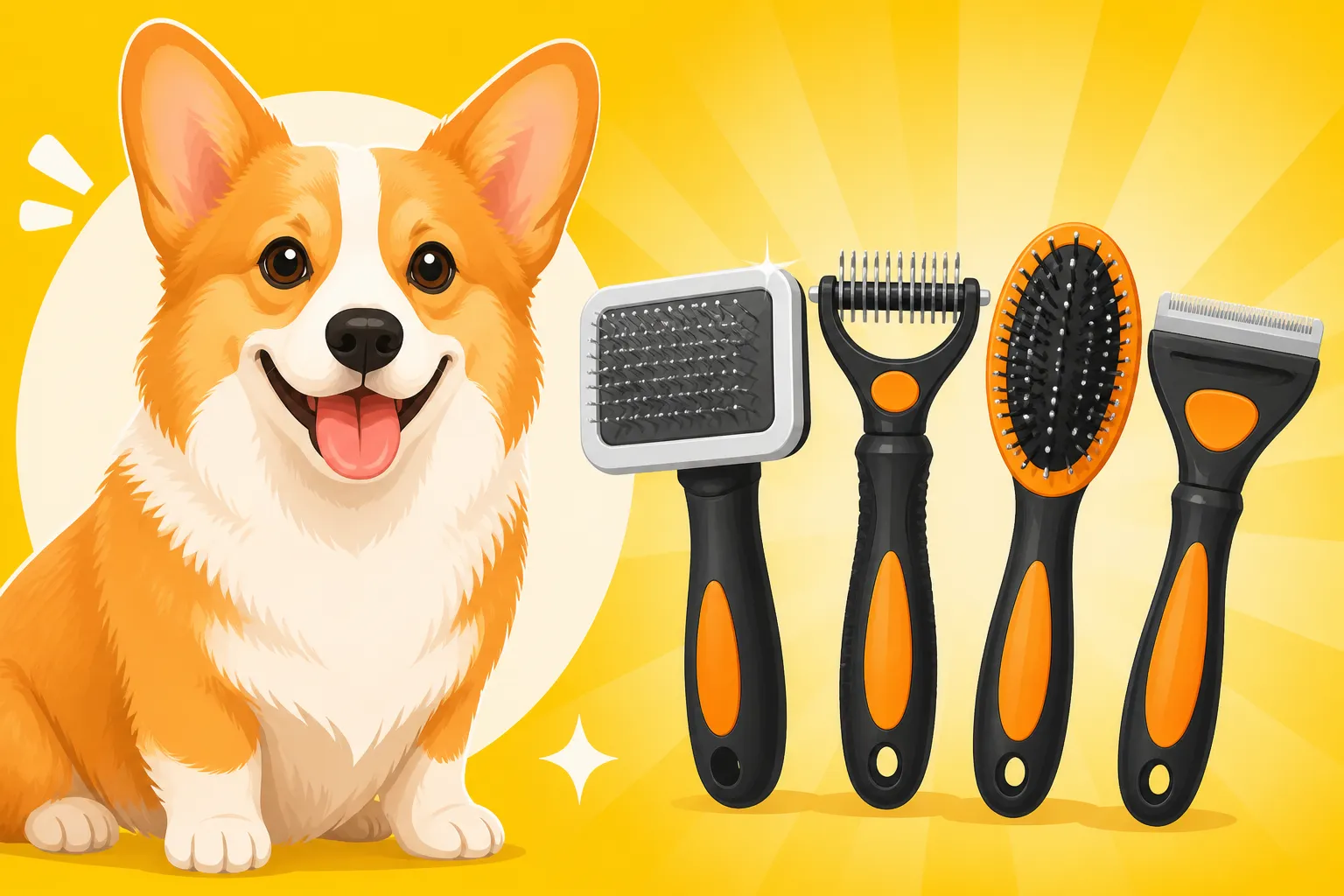
The Brushes a Corgi Owner Buys Once
The sheer amount of Corgi fur that takes over your home can feel like a never-ending battle, doesn't it? You sweep, you vacuum, you find fur tumbleweeds under the sofa, and it seems like every time you brush, even more just appears. It’s easy to get lost in the dizzying array of brushes and grooming tools out there, wondering which ones actually work, which ones are worth the investment, and if you'll ever truly conquer the fluff. This guide is here to cut through the confusion and help you identify the essential grooming tools, particularly brushes, that will not only manage your Corgi’s glorious double coat effectively but will also last you for years to come – so you truly only buy them once.
Understanding the Corgi Coat: More Than Just Fluff
Before we dive into the specific tools, it’s crucial to understand why your Corgi sheds so much and what makes their coat so unique. It’s not just a cute, fluffy exterior; it's a highly functional, multi-layered system designed for their original job of herding cattle in all kinds of Welsh weather. Once you grasp the mechanics of their coat, choosing the right tools and using them effectively becomes much clearer. The frustration often comes from fighting against their natural coat cycle rather than working with it.
The Two Layers: Undercoat and Guard Hairs
A Corgi's coat isn't just one type of fur. It's actually a sophisticated dual-layer system. The outer layer consists of what we call "guard hairs." These are tougher, coarser, and slightly longer hairs that are water-resistant and provide protection from dirt, sun, and minor abrasions. They give your Corgi that characteristic smooth or slightly coarse texture you feel when you pet them. These guard hairs are typically responsible for the rich colors and patterns you see on your Pembroke or Cardigan Welsh Corgi. They don't shed as profusely as the undercoat, but they do contribute to the overall fur accumulation.
Beneath these protective guard hairs lies the incredibly dense, soft, and woolly "undercoat." This is the insulation layer. It's designed to keep them warm in winter and, surprisingly, to help regulate their body temperature and keep them cool in summer by trapping a layer of air. This undercoat is what makes a Corgi feel like a warm, fuzzy blanket. It's also the primary culprit behind the constant shedding and the reason you find so much fur floating around. Understanding this distinction is vital because different brushes are designed to tackle these different layers without damaging the coat or irritating your dog's skin. Trying to remove the undercoat with a brush meant for guard hairs is like trying to rake leaves with a broom – inefficient and frustrating.
The Year-Round Shed and Seasonal Blowouts
If you own a Corgi, you know that "shedding season" is less a season and more a way of life. While many breeds have distinct shedding cycles, Corgis tend to shed year-round. This continuous hair loss means that daily or every-other-day brushing is truly a necessity, not just a suggestion. However, twice a year, typically in spring and fall, Corgis experience what owners affectionately (or perhaps despairingly) call a "coat blow" or "blowing their coat." This is when they shed their undercoat in earnest, preparing for either warmer or cooler weather.
During these periods, the amount of fur that comes off can be absolutely astounding. You'll find yourself brushing out handfuls, sometimes even bagfuls, of soft, downy undercoat. It’s during these times that specialized tools become invaluable. Many new owners are completely unprepared for this level of shedding, and it's easy to get overwhelmed. But consistent grooming, even when it feels like a losing battle, is crucial not only for keeping your house cleaner but also for your Corgi's skin health. Matted undercoat, which can happen if shedding fur isn't removed, can trap moisture, lead to skin irritation, and even hide parasites. For a deeper dive into this phenomenon, check out our article on Why a Corgi Sheds All Year and Not Just Twice for more insights.
The Essential Brushes Every Corgi Owner Needs
When it comes to grooming your Corgi, having the right tools isn't just about convenience; it's about efficacy and preventing discomfort for your furry friend. Investing in quality brushes from the start means you won't be constantly replacing flimsy tools that can't handle the job. These are the workhorses of your grooming kit, designed to tackle the specific challenges of a Corgi’s dense double coat.
Deshedding Tools for the Deep Undercoat
This is often the first brush many Corgi owners reach for, and for good reason. Deshedding tools, like the popular FURminator or similar models from brands you might find on Chewy, are specifically designed to reach deep into the undercoat and gently remove loose, dead hair without cutting or damaging the top guard coat. They typically have fine, comb-like teeth that are closely spaced.
How they work: The teeth are shaped to slide past the guard hairs and hook into the softer, fuzzier undercoat that's ready to shed. When used correctly, they can remove an incredible amount of loose fur, significantly reducing shedding in your home. This is particularly vital during those dreaded seasonal coat blows. Using a good deshedding tool regularly can make a dramatic difference in How Much Hair a Twenty-Eight Pound Corgi Drops on your floors daily.
Using them properly: It's important not to press too hard or use these tools excessively. Over-brushing with a deshedding tool can irritate your Corgi's skin, which is very sensitive, or even damage the healthy guard hairs. Typically, a session once or twice a week, or more frequently during heavy shedding periods, for 10-20 minutes, is sufficient. Always follow the manufacturer's instructions, as some tools vary slightly in design and application. Focus on brushing in the direction of hair growth, using short, gentle strokes. After a good session, you’ll be amazed at the amount of undercoat that comes out.
Slicker Brushes for Mats and Tangles
While Corgis aren't typically prone to severe matting all over their bodies due to their relatively short hair, they can certainly get tangles, especially in their "feathering" – the longer hair on their legs, chest, and particularly on their hindquarters (often called their "skirts" or "trousers"). For Corgis with a "fluffy" coat, which is a genetic trait resulting in a longer, softer, and thicker coat, slicker brushes become an absolute necessity. The Fluffy Corgi and What Its Coat Demands in terms of grooming is quite a bit more than a standard coat.
What they are: A slicker brush has a broad head covered in many fine, short, wire pins that are angled. These pins are designed to gently separate and untangle mats and remove loose fur from both the undercoat and guard hairs. They are also excellent for fluffing up the coat and smoothing out the fur.
Application: Use a slicker brush to work through any small mats or tangles before they become larger, more painful problems. Be very gentle, especially around sensitive areas. For stubborn mats, hold the hair close to the skin with one hand to prevent pulling on the skin while you gently work the brush through the mat with the other. Slicker brushes are also great for daily maintenance, helping to distribute natural oils and give the coat a healthy sheen. They're a fantastic general-purpose brush that you'll use almost every time you groom your Corgi.
Pin Brushes and Bristle Brushes for General Grooming and Shine
These brushes serve different, yet equally important, roles in your Corgi's grooming routine. They are typically used for finishing touches, general coat maintenance, and promoting a healthy, shiny appearance.
Pin Brushes: These brushes have widely spaced, rounded metal pins set in a rubber cushion. They are ideal for general brushing, removing loose hair from the topcoat, and stimulating the skin without causing irritation. They don't typically reach deep into the undercoat like a deshedding tool, but they are great for daily sweeps to catch surface hair and prevent larger tangles. For Corgis, they are excellent for working through the longer feathering on their legs and ensuring there are no snags. They are particularly gentle and perfect for puppies or Corgis who are sensitive to grooming. Regular use helps to keep the coat free of debris and encourages healthy blood circulation in the skin.
Bristle Brushes: Made with natural bristles (like boar bristles) or synthetic ones, these brushes are fantastic for adding shine and smoothness to your Corgi's coat. They primarily work on the guard hairs, distributing natural oils throughout the coat, which helps condition the fur and gives it a healthy luster. While they won't remove much shedding undercoat, a bristle brush is the perfect finishing tool after you've used your deshedding or slicker brush. It helps to lay the guard hairs flat, making the coat look polished and sleek. It’s also very soothing for your Corgi and can turn a grooming session into a pleasant massage. A good quality bristle brush, often paired with a pin brush on the other side, can be a timeless addition to your Corgi’s care kit.
Beyond the Basic Brush: Specialized Tools
While the core brushes handle the bulk of your Corgi's grooming needs, a few specialized tools can make a world of difference, especially during intense shedding periods or for particular coat challenges. These aren't necessarily "brushes" in the traditional sense, but they are indispensable for a truly comprehensive grooming routine that ensures your Corgi is comfortable and your home isn't buried in fur.
Undercoat Rakes for Heavy Shedding
Undercoat rakes are a fantastic alternative or complement to deshedding tools, particularly for Corgis with very dense undercoats. They often have a single or double row of widely spaced, blunt, sturdy teeth that are designed to penetrate the thick topcoat and gently pull out loose undercoat. Unlike some deshedding blades, a good undercoat rake is less likely to cut or damage the guard hairs. The Rake and Comb a Corgi Coat Actually Needs is often a point of discussion among owners, and an undercoat rake often tops the list.
Why they're great: They are incredibly effective at removing large quantities of dead undercoat, especially during seasonal blowouts when the fur is coming out in clumps. Many owners find them less abrasive on the skin than some deshedding blades, making them a good choice for Corgis with sensitive skin. The wider spacing of the teeth also means they are less likely to get clogged with fur as quickly as some finer-toothed deshedding tools, making the process smoother.
How to use: Start at the neck and work your way down the body, brushing in the direction of hair growth. Use long, slow strokes, allowing the rake to gently pull out the loose undercoat. You'll be astonished by the amount of fur that collects in the rake. Pay particular attention to the thicker areas like the rump, chest, and around the shoulders. Remember, the goal is to remove dead fur, not to aggressively pull at healthy hair. For more tips on this, our article on Working a Rake Through a Corgi Undercoat offers detailed advice.
Grooming Gloves and Their Utility
Sometimes, the simplest tools are the most effective, especially for daily touch-ups or for Corgis who aren't huge fans of traditional brushes. Grooming gloves are wearable gloves, often with rubber or silicone nubs on the palms and fingers, designed to mimic the feel of petting your dog.
Benefits: They are excellent for removing loose surface hair, dust, and debris. As you pet your Corgi, the nubs gently massage their skin and collect shedding fur. This is particularly useful for Corgis who are anxious about grooming sessions, as it feels more like a comforting cuddle than a brush. Grooming gloves are also fantastic for getting into hard-to-reach areas, like under the belly or around the legs, where a standard brush might be awkward to use, especially on a Corgi that Grooming a Corgi That Sits Six Inches Off the Ground. They are also great for a quick tidy-up before visitors arrive or after a walk to remove any loose dirt. Plus, they’re easy to clean – just peel off the collected fur!
High-Velocity Dryers: A Game Changer
While not a brush, a high-velocity pet dryer is arguably one of the best "grooming tools" a Corgi owner can invest in, especially if you plan to groom at home and seriously tackle shedding. This isn't your average human hairdryer; these are powerful machines designed to blow water off the coat and force air through the dense undercoat.
Why it's essential: A high-velocity dryer does several things:
- Massive Shedding Reduction: By blowing air at high speed, it helps to literally "blow out" an incredible amount of loose undercoat. This is especially effective during seasonal coat blows. Many professional groomers rely on these to deshed double-coated breeds.
- Prevents Matting: By getting air down to the skin, it helps prevent the undercoat from matting and clumping.
- Thorough Drying: Corgis have such a dense undercoat that they can take ages to air dry. Incomplete drying can lead to "hot spots" (skin infections) or mildewy smells. A high-velocity dryer dries them quickly and thoroughly.
- Cleaner Coat: It blows out dirt, dander, and loose hair, leaving the coat cleaner and fluffier.
Using it safely: Always use a dryer designed specifically for pets, as they have different heat settings and air speeds. Never use high heat on your Corgi, as it can burn their skin. Start on a low setting and get your Corgi accustomed to the noise and sensation gradually, often with treats. The sheer volume of fur that comes out during a blow-drying session will convince you this is a "buy once, cherish forever" kind of tool. For those considering if this tool is for them, check out our guide on Blowing a Corgi Coat Out With a Dryer.
Techniques for Effective Corgi Brushing
Having the right brushes is only half the battle; knowing how to use them effectively is the other, equally important, part. A systematic approach to brushing not only yields better results but also makes the experience more positive for both you and your Corgi. Remember, consistency is key when dealing with that relentless Corgi shedding.
Establishing a Routine and Making it Positive
Corgis are creatures of habit, and establishing a regular grooming routine from a young age can make a world of difference. Aim for at least 2-3 times a week for general maintenance, increasing to daily during those intense seasonal coat blows. Consistency means less fur accumulation, fewer mats, and a healthier coat.
Making it positive: Introduce grooming tools slowly and associate them with positive experiences. Start with short sessions, just a few minutes, followed by praise and high-value treats (like those from Ollie, which many Corgis adore). Let your Corgi sniff the brushes. Gently touch them with the brush, then reward. Gradually increase the duration as they become more comfortable. This is particularly important for Corgi puppies, who should be exposed to handling and grooming early. If grooming is a struggle, break it down into even smaller steps. A Corgi that enjoys being brushed will be much easier to manage throughout its life. It's an investment in their comfort and your sanity.
The Right Way to Brush: Layer by Layer
Many people make the mistake of just brushing over the top of the coat, which doesn't get to the root of the shedding problem – the dense undercoat. The secret to effective Corgi brushing is working in sections, layer by layer, down to the skin.
- Prep the Coat: Before you start with a deshedding tool or rake, use a pin brush or a wide-toothed comb to gently go over the entire coat. This helps remove any surface tangles, loose debris, and separates the guard hairs, making it easier for your specialized tools to reach the undercoat.
- Part the Hair: Starting from the back of your Corgi, near the tail, use one hand to part the hair, creating a visible line down to the skin. Hold the top layer of hair up.
- Brush from the Skin Out: With your deshedding tool or undercoat rake, gently brush the exposed undercoat in short, soft strokes, working away from the skin. Don't press too hard. You should see a significant amount of loose fur coming out.
- Work in Sections: Once you’ve brushed a small section, move up slightly and part a new line of hair. Continue this process, systematically working your way across and down your Corgi’s body. Pay extra attention to areas with dense undercoat, like the rump, neck ruff, and chest.
- Finish Strong: After removing the bulk of the undercoat, go over the entire coat again with a slicker brush to smooth everything out, remove any remaining tangles, and fluff up the feathering. Finish with a bristle brush for shine and to distribute natural oils.
This method ensures you’re not just skimming the surface but truly removing the dead undercoat that contributes most to shedding and potential matting. For a comprehensive overview of how to manage all aspects of your Corgi's coat from home, consider reading Whether a Corgi Coat Can Be Managed at Home.
Dealing with Mats and Preventing Skin Irritation
Mats and tangles, if left unaddressed, can become painful and lead to serious skin issues. Prevention is always better than cure.
Preventing Mats:
- Regular Brushing: This is your number one defense. Consistent, thorough brushing, especially in areas prone to tangles (behind the ears, under the legs, on the "skirts"), will prevent most mats from forming.
- Check High-Friction Areas: These are spots where mats typically start. Regularly feel behind the ears, in the armpits, and under the tail.
- Proper Drying: If your Corgi gets wet, ensure they are thoroughly dried, especially the undercoat, to prevent it from clumping and matting as it dries. This is where a high-velocity dryer truly shines.
Dealing with Existing Mats:
- Be Gentle: Never try to rip or pull a mat out. This is incredibly painful for your Corgi.
- Use a Dematting Tool or Slicker Brush: For small mats, use the corner of a slicker brush or a specialized dematting comb (which has sharp blades on one side, but should be used with extreme caution to avoid cutting the skin).
- Work Slowly, Section by Section: Hold the hair close to the skin at the base of the mat to minimize pulling. Gently tease apart the mat with your fingers, then use the brush or comb to work through it, starting from the outside edges of the mat and working your way in.
- Cornstarch Trick: For very tight mats, a sprinkle of cornstarch can sometimes help provide some slip, making it easier to tease apart.
- When to Call a Professional: If you encounter large, dense, or painful mats, especially if they are close to the skin, do not hesitate to contact a professional groomer or your vet. They have specialized tools and expertise to remove mats safely without causing injury or undue stress to your Corgi. Sometimes, shaving the mat out is the kindest option. Trying to tackle severe mats at home can lead to skin irritation, cuts, or traumatize your Corgi against future grooming. Healthy Paws pet insurance might cover vet visits related to skin infections caused by matted fur, but prevention is always the best policy.
Maintaining Your Grooming Tools for Longevity
You've invested in quality brushes and tools with the intention of them lasting a long time – truly buying them once. But even the best tools won't last if they aren't properly cared for. A little maintenance goes a long way in ensuring their effectiveness and extending their lifespan. Just like you wouldn't leave your garden tools out in the rain, your Corgi's grooming kit needs some TLC.
Cleaning and Storing Brushes Properly
After each grooming session, or at least once a week if you’re doing quick daily brushes, take a moment to clean your tools. This is crucial for several reasons:
- Effectiveness: Brushes clogged with old fur, dander, and oils won't work as well. The pins or bristles won't penetrate the coat properly, making your efforts less effective.
- Hygiene: Dirty brushes can harbor bacteria and transfer oils and dirt back onto your Corgi's clean coat, potentially leading to skin irritation.
- Longevity: Accumulated fur and debris can pull at bristles, bend pins, or even cause rust on metal parts, shortening the life of your expensive tools.
How to clean:
- Remove Loose Hair: The first step is always to manually remove as much trapped hair as possible from the brush head. You can use your fingers, a coarse comb, or even a specialized brush cleaning tool (which looks like a small rake) for this.
- Wash (if applicable): For most slicker, pin, and bristle brushes, a gentle wash is appropriate. Fill a sink with lukewarm water and a small amount of mild dog shampoo or dish soap. Dip the brush head into the soapy water, gently scrub the bristles or pins with your fingers or an old toothbrush to remove any stubborn grime. Rinse thoroughly under clean running water, making sure no soap residue remains.
- Dry Thoroughly: This is especially important for brushes with metal pins or wooden handles to prevent rust or mildew. Shake off excess water and then lay the brushes flat on a towel, bristles down, or hang them in a well-ventilated area to air dry completely. Never put them away wet. High-velocity dryer nozzles should also be cleaned and wiped down.
- Store Properly: Once completely dry, store your brushes in a clean, dry place, perhaps in a dedicated grooming caddy or drawer. Keeping them organized and protected will prevent damage to the pins or bristles and make them easy to find for your next session.
When to Replace a "Buy Once" Tool
While the goal is for these brushes to last a very long time, nothing lasts forever, and sometimes tools do need replacing. Recognizing when a "buy once" tool has run its course is important for maintaining effective grooming and your Corgi's comfort.
Signs it's time to replace:
- Bent or Missing Pins/Bristles: If a slicker or pin brush has many bent, broken, or missing pins, it won't be able to effectively detangle or penetrate the coat. Bent pins can also scratch your Corgi's skin. Bristle brushes with flattened or sparse bristles lose their ability to smooth and shine.
- Rust or Corrosion: Any sign of rust on metal parts, especially the teeth of a deshedding tool, means it's past its prime. Rust can irritate the skin or snag hair.
- Cracked or Damaged Handles: A broken handle makes a brush difficult or unsafe to use.
- Dull Deshedding Blades: If your deshedding tool or rake is no longer effectively removing undercoat, it might be dull. While some can be sharpened, many are designed to be replaced.
- Uncleanable Buildup: Sometimes, despite regular cleaning, brushes can accumulate stubborn residue that simply won't come off. If your brush feels greasy or grimy even after washing, it's probably time for a fresh one.
Even the highest quality grooming tools will eventually show wear and tear with consistent use, especially when battling the mighty Corgi coat. Replacing them when they are no longer effective ensures that your grooming efforts remain productive and comfortable for your beloved companion.
Here’s a handy table to summarize the key brushes and their uses:
| Brush Type | Primary Use | Ideal For | Pros | Cons |
|---|---|---|---|---|
| Deshedding Tool | Removing loose undercoat | All Corgis, especially during seasonal blows | Highly effective at reducing shedding, reaches deep into the undercoat. | Can irritate skin if used too harshly or frequently, may damage guard hairs if used improperly. |
| Slicker Brush | Detangling, removing mats, general loose hair | All Corgis, essential for fluffy coats and feathering | Excellent for small mats, smoothing coat, and removing surface loose hair. | Pins can be sharp if used without care, less effective for deep undercoat removal compared to deshedding tools. |
| Undercoat Rake | Removing dense, shedding undercoat | All Corgis, particularly those with very thick coats | Very effective for major undercoat removal, often gentler than deshedding blades, less likely to cut guard hairs. | Can still pull if not used gently, less effective for surface tangles or shine. |
| Pin Brush | General brushing, stimulating skin, light detangling | Daily maintenance, sensitive Corgis, puppies | Gentle, good for superficial loose hair, comfortable for dogs, helps distribute oils. | Not effective for deep undercoat removal or significant mats. |
| Bristle Brush | Adding shine, smoothing topcoat | Finishing, promoting coat health and luster | Distributes natural oils, creates a smooth, shiny finish, provides a pleasant massage. | Not for detangling or removing shedding undercoat. |
| Grooming Glove | Daily loose hair removal, light massage | Daily touch-ups, anxious Corgis, hard-to-reach areas | Gentle, mimics petting, good for removing surface hair and dander, easy to clean. | Limited effectiveness for deep undercoat or mats. |
| High-Velocity Dryer | Deshedding, drying, cleaning | All Corgis (if grooming at home) | Dramatically reduces shedding, thoroughly dries coat, blows out dirt, prevents matting. | Can be loud and intimidating for some dogs, requires acclimatization, not a "brush." |
Managing your Corgi's magnificent coat doesn't have to be a never-ending chore. With the right tools and a consistent approach, you can keep them comfortable, healthy, and looking their best, while significantly reducing the amount of fur that inevitably finds its way onto every surface in your home.
Disclaimer
The information provided in this article is for general informational purposes only and is not a substitute for professional veterinary advice. Always consult with a qualified veterinarian or professional groomer for any health concerns or before making any decisions about your Corgi's care and grooming routine.