Susan and the Corgi Line That Followed
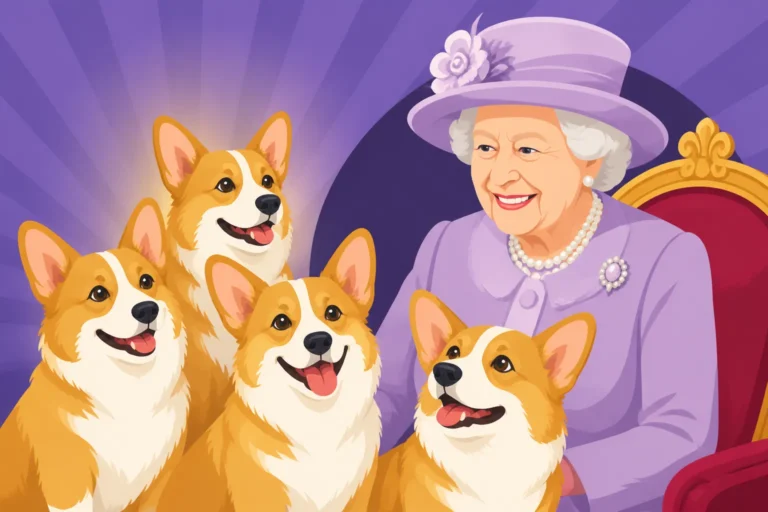
For many Corgi lovers, the image of Queen Elizabeth II surrounded by her beloved, short-legged companions is iconic. But behind this well-known scene lies a fascinating story of a single Corgi named Susan, whose arrival marked the beginning of a distinct and celebrated royal lineage. This guide delves into how Susan became the foundation of these famous Corgis, exploring her life, her offspring, and the lasting impact of her legacy on the breed.
The Genesis of a Royal Line: How Susan Entered the Scene
Before Susan, there was Dookie, a Corgi introduced to the then-Princess Elizabeth's family in 1933. Dookie was a playful, charming fellow, and it's easy to see why the young princess fell head over heels for the breed. Who Gave the Royal Family Its First Corgi is a story that truly sets the stage for the Corgi's royal ascent, establishing their presence within the royal household long before Susan made her grand entrance.
The seeds of a lifelong affection were sown, leading to a deep connection that would define the monarch's public image for decades. The Corgi's unique blend of intelligence, mischief, and unwavering loyalty proved to be a perfect match for the royal family's active lifestyle. Dookie paved the way, but Susan would truly solidify the breed's place in history.
A Princess's Eighteenth Birthday Wish
The bond between the young Princess Elizabeth and her dogs was palpable, and by the time she was approaching her eighteenth birthday, her heart was set on a Corgi of her own. This wasn't just any birthday gift; it was a personal choice that reflected her growing independence and her deep love for animals. In 1944, her wish was granted with the arrival of Susan, a Pembroke Welsh Corgi who would become far more than just a pet.
Susan wasn't merely a dog; she was a personal companion, a source of comfort and joy in a life that was increasingly subject to public scrutiny. She was present for significant moments, offering a steady, comforting presence. It’s a touching thought that even amidst the gravitas of royal duties, there was always room for a wagging tail and a happy bark. Which Corgi the Queen Got for Her Eighteenth Birthday explores this pivotal moment in more detail, highlighting the personal significance of Susan's arrival.
From Companion to Foundation Matron
Susan quickly became an indispensable member of the royal household, known for her spirited personality and her unwavering devotion to the Princess. She was often pictured by her side, a constant shadow whether walking the grounds of Balmoral or relaxing indoors. It's clear that Susan held a special place, not just as a pet, but as a confidante and a cherished family member.
But Susan's legacy would extend far beyond her role as a personal companion. Her story took a turn that would forever link her to the lineage of royal Corgis. She wasn't just the Queen's first personal Corgi; she became the matriarch of an entire line, her genes shaping the characteristics of countless royal puppies to come. This decision to breed from Susan, and to keep much of that breeding within the royal family, created a unique and well-documented lineage that captured the public's imagination.
Susan's Pedigree and Royal Family Life
Susan's introduction into the royal family wasn't just about her charming personality; it was also about her background. She came from a well-established kennel, carrying the desirable traits and good health that breeders aimed for. This careful selection ensured she was a prime example of the Pembroke Welsh Corgi breed standard, not just a cute face.
Her life within the palace was one of privilege, but also of routine and expectation. She was a dog, after all, and dogs thrive on consistency. Imagine the bustling environment of a royal residence, and yet Susan and her descendants always had their place, their routines, and their devoted caretakers. Even with all the grandeur, their needs for walks, food, and affection were paramount.
A Royal Corgi's Daily Routine
Life for Susan, and the Corgis who followed her, was surprisingly structured. Despite the lavish surroundings, their days were filled with activity, care, and attention. Mornings would likely begin with walks on the palace grounds, providing essential exercise and mental stimulation. These were working dogs, even if their work had transitioned from herding cattle to charming royalty, and they needed an outlet for their energy.
Their meals were meticulously prepared and served, often on silver platters, though the food itself would be nutritious and carefully portioned. Even royal Corgis needed to maintain a healthy weight to protect their backs, a common concern for the breed. Regular grooming, veterinary check-ups, and plenty of interaction with their royal owner and staff would be part of their everyday existence. It was a life tailored to ensure their well-being, acknowledging their status as cherished members of the family.
Traveling in Style and Making Public Appearances
Susan, and later her offspring, weren't confined to the palace walls. They often accompanied the Queen on her travels, from grand state occasions to private holidays at Balmoral or Sandringham. Imagine a royal Corgi trotting alongside the Queen on a royal train journey or enjoying a romp in the Scottish Highlands. These were not just house pets; they were active participants in royal life.
Their presence also extended to numerous public appearances, particularly in official photographs and documentaries. The sight of the Queen with her Corgis became an endearing symbol, a touch of warmth and normalcy that resonated with people worldwide. These furry ambassadors played a subtle but significant role in shaping the public's perception of the monarchy, making it feel more relatable and approachable. They truly embodied The Corgi in the Royal Household, not just living there, but actively contributing to its image.
Building a Legacy: Susan's Progeny and Their Impact
Susan wasn't just loved; she was bred, carefully selecting mates to continue her line within the royal kennels. This decision would set a precedent, creating a dynasty of Corgis directly descended from her. The impact of this choice was profound, not only on the Queen's personal life but also on the perception and popularity of the Pembroke Welsh Corgi breed as a whole.
The offspring often remained within the royal household, either as companions for the Queen or distributed among other family members, ensuring the continuity of the line. This practice fostered a strong familial connection among the Corgis themselves, building a unique history that intertwined with the human royal family.
The Generations That Followed
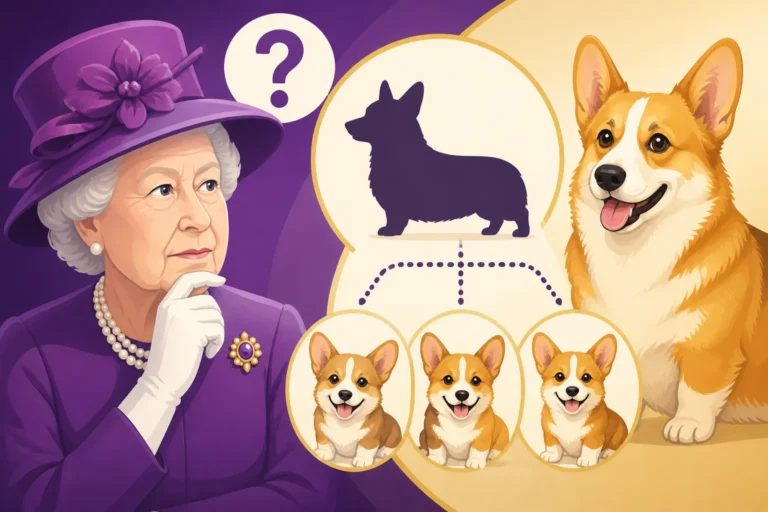
Susan had two puppies, Sugar and Honey, who went on to have litters of their own. This began a remarkable lineage that stretched for many generations. For over seven decades, every single Corgi owned by the Queen was a direct descendant of Susan. This meticulous approach to breeding ensured a consistent look and temperament, all while maintaining a personal connection to her cherished foundation bitch. It's quite astonishing to think about How Many Corgi Generations Came From Susan originated from a single dog.
The puppies that resulted from these pairings often inherited the same spirited yet loyal characteristics that made Susan so beloved. They were dogs of substance, with the distinct Corgi "bark" and independent streak that owners know well. Yet, they were also trained and accustomed to the unique environment of the palace, navigating grand halls and bustling events with composure, a testament to both their breeding and their upbringing.
Influence on the Breed's Popularity
The visibility of the Queen's Corgis had an undeniable effect on the breed's popularity globally. Every time a photograph or newsreel showed Her Majesty with her dogs, interest in the Pembroke Welsh Corgi surged. People wanted a piece of that royal charm, leading to a significant increase in demand for Corgi puppies. This phenomenon, where a celebrity or public figure influences breed trends, is well-documented, and the Queen's association was perhaps the most powerful example for Corgis.
This surge in popularity, while boosting the breed's profile, also brought its own set of challenges. Responsible breeders often found themselves facing longer waiting lists, while less scrupulous individuals might have been tempted to breed for profit rather than health and temperament. Understanding What the Queen's Corgis Did to the Breed's Popularity helps illustrate the profound impact of this royal connection on Corgi ownership worldwide.
The Challenges and Criticisms of In-Line Breeding
While the royal Corgi line was a testament to the Queen's dedication and love for her dogs, the practice of keeping a closed breeding program within a family, often referred to as line breeding, can come with its own set of concerns. Breeders, even the most reputable ones, must always balance the desire for consistency with the need to maintain genetic diversity.
For everyday Corgi owners, and those considering bringing one of these wonderful dogs into their lives, understanding these broader breeding principles is crucial. It highlights the importance of asking questions, looking at health clearances, and supporting breeders who prioritize the long-term health of the breed over short-term trends.
The Genetics of a Closed Line
Line breeding, which involves breeding related individuals, is sometimes used to concentrate desirable traits within a line. In the case of the royal Corgis, it was likely also about maintaining a personal connection to Susan. However, a potential drawback of such practices is the reduced genetic diversity over time. When the gene pool becomes too small, there's an increased risk of recessive genetic conditions becoming more prevalent.
This is a concern that responsible breeders actively work to mitigate. They use DNA tests to screen for known conditions and carefully review pedigrees to avoid compounding genetic issues. For instance, specific DNA tests are crucial for identifying carriers of conditions like The Bleeding Disorder Pembrokes Carry or those predisposing to Degenerative Myelopathy and the Corgi. A comprehensive set of genetic screenings is vital to ensure the health of any breeding program.
Balancing Desirability with Health Considerations
The challenge for any breeder, including those managing a royal line, is to strike a balance between maintaining desired characteristics (like temperament or appearance) and ensuring robust health. Even with careful selection, a smaller gene pool can inadvertently increase the risk of hereditary conditions. This isn't to say that the royal Corgis were unhealthy; on the contrary, they received exemplary care. However, it underscores the constant vigilance required in any breeding program.
Many breeders today rely on a wide array of tools and resources to manage genetic health. They may utilize services like those offered at specialized labs to get their dogs screened. The DNA Tests a Corgi Breeder Should Run are a non-negotiable part of ethical breeding practices, helping to identify and manage potential genetic issues before they impact future generations. This responsible approach is vital for the long-term well-being of the breed.
The Enduring Charm of the Royal Corgi and Modern Breeding
Even after the passing of Queen Elizabeth II, the image of her with her Corgis remains etched in the public consciousness. This enduring charm speaks volumes about the connection she had with her dogs and the unique place they held, not just in her life, but in the cultural landscape. The legacy of Susan's line extends beyond royal kennels, influencing how people view and value the Pembroke Welsh Corgi breed.
Today, while the direct royal line from Susan may have ended with the Queen's last Corgis, the breed itself continues to thrive, with dedicated breeders committed to health, temperament, and adherence to the breed standard. The royal Corgis served as wonderful ambassadors for the breed, shining a spotlight on their intelligence, courage, and lovable personalities.
The Queen's Final Corgis and the End of a Line
Towards the end of her life, the Queen made the thoughtful decision to stop breeding Corgis herself. This was a personal choice, made to ensure that no young dogs would be left behind after her passing. Her last two Corgis, Sandy and Muick, who were not direct descendants of Susan but rather gifts from her family, were cared for by other members of the royal household after her death. This decision marked a poignant end to a direct breeding line that had spanned generations.
The love and care bestowed upon these dogs throughout their lives exemplified the deep bond between the monarch and her canine companions. It was a remarkable journey that began with a spirited puppy named Susan and blossomed into a symbol recognized the world over. The focus shifted from continuing a lineage to ensuring the comfort and well-being of her existing furry friends, a truly empathetic approach to pet ownership.
What Responsible Breeding Looks Like Today
For those looking to welcome a Corgi into their homes today, the principles of responsible breeding remain paramount. While the allure of a "royal" connection might be tempting, the focus should always be on finding a breeder who prioritizes health, temperament, and ethical practices. This means looking for breeders who perform extensive health clearances, not just DNA tests, but also screenings for orthopedic issues like hip and elbow dysplasia.
Reputable breeders are transparent about their practices, eager to answer questions, and often have waiting lists because they breed judiciously. They are committed to the long-term health of the breed, carefully selecting breeding pairs to enhance desirable traits while minimizing the risk of hereditary diseases. They understand that bringing a healthy, well-socialized puppy into the world is a significant responsibility. When stocking up on puppy essentials, places like Chewy offer a fantastic range of products, from appropriate food bowls to engaging toys, all of which contribute to a puppy's well-being from day one.
The Lasting Impression of the Royal Corgis
The story of Susan and the royal Corgi line is more than just a historical anecdote; it's a testament to the powerful bond between humans and animals, and how one dog can leave an indelible mark. For decades, these Corgis were a constant, comforting presence in the Queen's life, and a joyful sight for millions around the world.
Their legacy continues to shape perceptions of the breed, reminding us of the Corgi's unique blend of intelligence, character, and undeniable charm. They taught us that even amidst the most formal settings, there's always room for the unconditional love and playful spirit of a beloved canine companion.
Royal Corgis in Culture and Media
Beyond the palace gates, Susan's descendants became cultural icons. They appeared in countless photographs, documentaries, and even featured in a special James Bond skit during the London 2012 Olympics opening ceremony. This widespread media presence further cemented the Corgi's image as "the royal dog," creating a brand association that few other breeds could claim.
This cultural impact extended beyond formal media. Anecdotes about the Corgis' personalities, their antics, and their interactions with world leaders became part of the royal lore. These stories painted a picture of intelligent, sometimes feisty, but always loyal companions, adding to their enduring appeal. Even when selecting a durable Corgi bed or a new puzzle toy, browsing a trusted pet retailer like Chewy can connect owners with products that would easily fit into the lives of these well-cared-for royal pups.
The Continued Popularity of the Pembroke Welsh Corgi
While the direct royal line from Susan has concluded, the Pembroke Welsh Corgi remains one of the most popular dog breeds in the world. Their distinctive appearance, compact size, and big personalities make them appealing to a wide range of owners. The royal association undoubtedly contributed to this, but the breed's inherent qualities ensure its lasting appeal.
Owners today are drawn to their intelligence, their often-comedic stubbornness, and their fierce loyalty. They are active, intelligent dogs that thrive with consistent training, enrichment, and love. Whether curled up on an orthopedic bed after a long walk or enjoying a treat from a selection found at Chewy, modern Corgis continue to bring joy to families, carrying on the spirit of their famous ancestors. The meticulous care, dedication, and affection shown to Susan and her lineage set a high standard for Corgi ownership, a standard that continues to inspire enthusiasts globally.
| Royal Corgi | Key Role | Notable Period | Direct Descendant of Susan? |
|---|---|---|---|
| Dookie | First royal Corgi (pre-Susan) | 1933 – late 1930s | No |
| Susan | Queen's first personal Corgi, matriarch of line | 1944 – 1959 | N/A (the original) |
| Sugar | Susan's daughter | Born 1949 | Yes |
| Honey | Susan's daughter | Born 1949 | Yes |
| Whisky | Descendant from Susan's line | 1960s | Yes |
| Sherry | Descendant from Susan's line | 1970s | Yes |
| Emma | Descendant from Susan's line | 1980s | Yes |
| Monty | Descendant from Susan's line | 2000s – 2012 | Yes |
| Willow | Descendant from Susan's line, last direct descendant to pass | 2000s – 2018 | Yes |
| Sandy & Muick | Final Corgis owned by Queen, gifts from family | 2021 – 2022 | No (not direct line) |
Disclaimer
This article is for general informational purposes only and does not constitute professional advice. Laws, prices and regulations vary by location and change over time. Consult a qualified professional for guidance on your specific situation.