Teaching a Corgi to Herd a Ball Instead
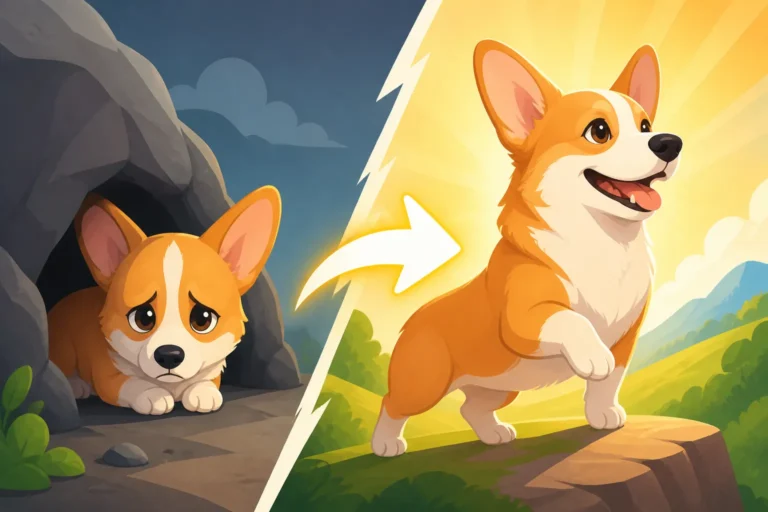
It's incredibly frustrating, isn't it, when your adorable, short-legged Corgi decides that your ankles, or the ankles of your guests, are simply part of the livestock needing to be rounded up? That sharp little nip, often accompanied by a low bark or a determined push, isn't malicious, but it certainly isn't pleasant. This guide is all about understanding that ingrained herding instinct and, more importantly, redirecting it to a much more appropriate, and safer, outlet: a ball.
Why Corgis Nip: Understanding the Herding Instinct
Let's be honest, those little Corgi teeth nipping at your heels or the backs of your calves can feel like an attack. But for a Corgi, it's just instinct in action. These dogs were bred for centuries to work cattle, and not just any cattle – huge, often temperamental animals that outweighed them by hundreds of pounds. Their short stature wasn't a cute quirk; it was a strategic advantage. By staying low to the ground, they could duck and weave under the kicking hooves, going for the hocks and heels to move the herd along. This specialized job meant they developed a very specific set of behaviors and a strong, independent drive to "gather" and "control" moving objects.
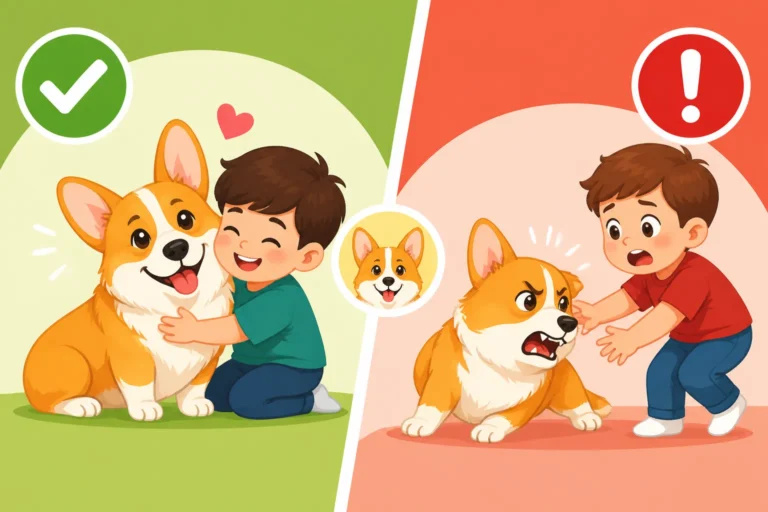
This historical role is precisely Where the Corgi Heel Nip Comes From. It's not about aggression or disobedience in the way we often perceive it; it's a hardwired behavioral pattern. When your Corgi nips at your heels, especially when you're moving quickly, or when children are running around, they're not trying to hurt you. They're simply attempting to fulfill their ancient job description, even if the "cattle" are now your family members. They see movement, and their brain says, "herd!" Understanding this isn't about excusing the behavior, but it's crucial for approaching the training with empathy and the right strategy. You can't train out an instinct, but you can definitely redirect it.
This instinct is also why Corgis often display an independent streak. They weren't guided by a shepherd's whistle from a distance like some herding breeds. They worked under the belly of a cow, making split-second decisions on their own. This means that while they are smart, they can also be quite opinionated and persistent in their attempts to "manage" their environment, which includes you. Ignoring these nips or just telling them "no" usually isn't enough, because the underlying drive remains unaddressed. We need to give them a job, a purpose for that energy.
Essential Tools and Setting Up for Success
Before you even begin the redirection training, having the right equipment is going to make all the difference. Think of it like a craftsman needing the proper tools; you can't build a beautiful cabinet with a butter knife. For Corgis, a well-chosen ball and a positive reinforcement approach are your foundational tools. You're setting up an environment where success is easy to achieve.
First and foremost, the ball. It needs to be the right size – too small and it's a choking hazard or just another chew toy; too large and it's unwieldy for their little jaws and short legs. A durable, medium-sized ball, roughly 4-6 inches in diameter, is usually ideal. It should be tough enough to withstand enthusiastic Corgi teeth but not so hard it could damage them. Brands available on platforms like Amazon often offer "virtually indestructible" balls specifically designed for strong chewers, which can be a good starting point. Look for materials like natural rubber.
| Ball Type | Pros | Cons | Ideal Use Case |
|---|---|---|---|
| Hard Rubber Ball | Durable, good bounce, easy to clean, often brightly colored. | Can be too heavy for some Corgis to easily herd; less satisfying to "catch." | Energetic outdoor play, strong chewers, redirection training. |
| Soft Rubber Ball | Lighter, easier for puppies/older dogs, gentler on teeth/gums. | Less durable, might be punctured easily by determined chewers. | Initial training, indoor play, less intense herding. |
| Herding Ball | Large, often plastic, designed to be pushed, not carried. | Can be too big for inside, requires ample space. | Specific herding instinct fulfillment in a large yard. |
| Tennis Ball | Readily available, good bounce, Corgis love them. | Can wear down teeth over time, easily torn apart (choking risk). | Occasional play, not primary herding object. |
Beyond the ball, you'll want high-value training treats. These are the tiny, irresistible morsels that make your Corgi's eyes light up. Think small pieces of cooked chicken, cheese, or specialized training treats. The BAXTER & Bella online dog training program, for example, often emphasizes the importance of good rewards in positive reinforcement training, and those principles apply here. A clicker can also be incredibly useful for marking the exact moment your Corgi engages with the ball correctly. Finally, a long line or leash can be helpful in the initial stages to gently guide your Corgi towards the ball and prevent them from returning to old habits. Keeping Treats Inside a Corgi's Ration is something to keep in mind, especially if your Corgi is on a strict diet.
Setting up your training area is also important. Start in a quiet, enclosed space with minimal distractions – your living room or a fenced yard. As your Corgi gets better, you can gradually introduce more challenging environments, but for the beginning, simplicity is key to success. Remember, a frustrated Corgi is less likely to learn, so make it easy for them to "get it right."
Step-by-Step Guide to Ball Herding Redirection
Now for the exciting part: actively redirecting that powerful herding drive from your ankles to a designated ball. This isn't a one-and-done process; it requires patience, consistency, and a good sense of humor, as Corgis are known for their cleverness and occasional "sass."
1. Identify the Triggers: First, pay attention to when your Corgi nips. Is it when you walk into the kitchen? When you run or move quickly? When you grab your keys? Knowing the triggers helps you anticipate the behavior and intervene before it starts. This proactive approach is far more effective than reacting after the nip has happened.
2. Introduce the Ball as an Exciting Object: Don't just toss the ball and expect them to get it. Make it the most exciting thing in the room! Roll it a short distance, wiggle it, talk to it in an excited voice. Use enthusiasm to build anticipation. When your Corgi shows any interest – a sniff, a nudge, a curious gaze – immediately click (if using a clicker) and reward with a high-value treat. This teaches them that engaging with the ball brings good things. You're building a positive association. This step is about making the ball itself a reward, tapping into Whether a Corgi Works Better for Food or a Toy.
3. Lure and Reward the "Herd": Once they're interested, start encouraging them to push or nose the ball. Roll it just a tiny bit away from them. If they nudge it with their nose or push it with their chest or paws, immediately praise, click, and reward. Repeat this many, many times. Keep sessions short, maybe 5-10 minutes, especially at first, to keep their focus high. A Corgi will Short Bursts of Training a Corgi Will Take. You want to build up a pattern where they understand, "ball moves, I get a treat!"
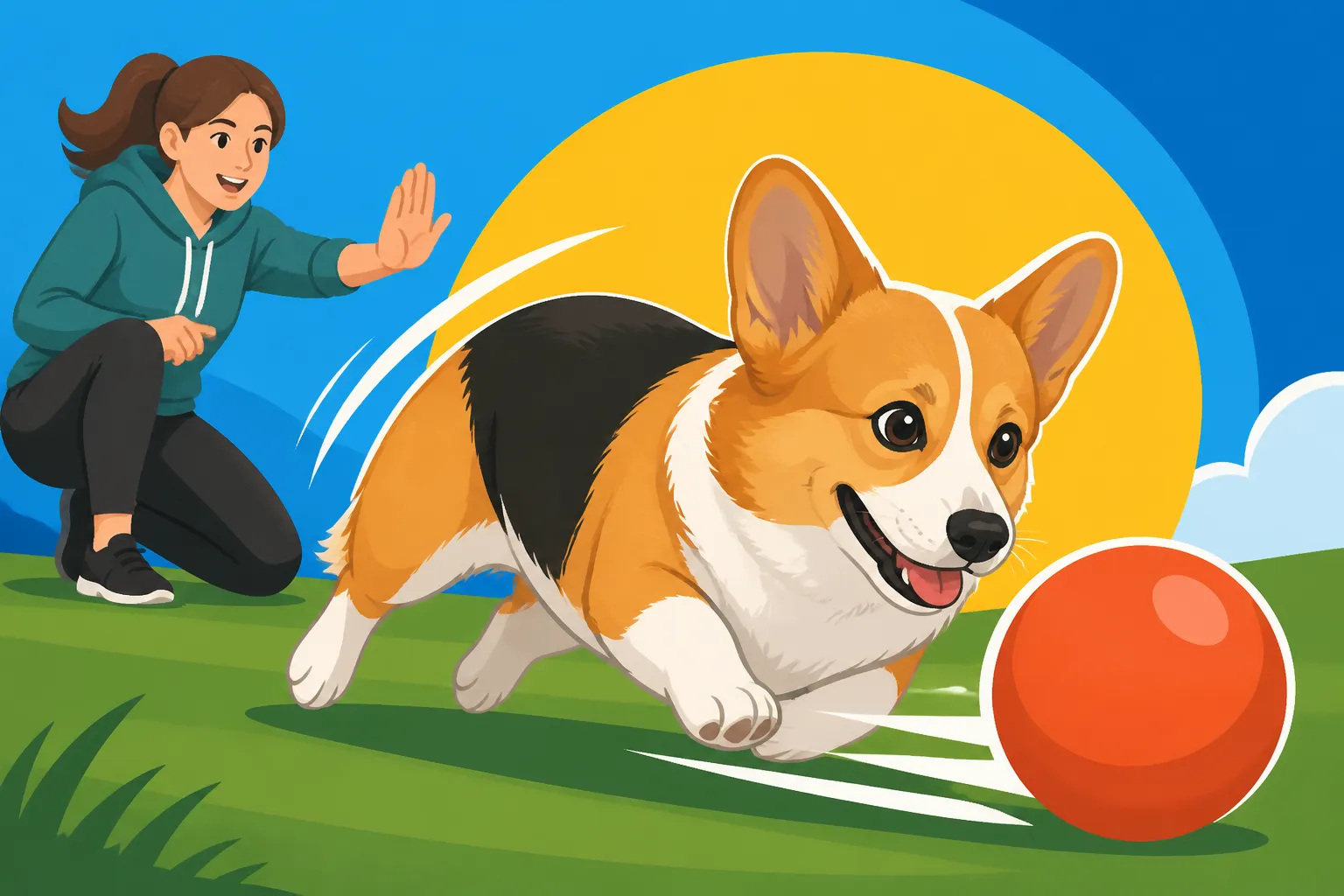
4. Introduce Movement (Gradually!): This is where you connect the herding instinct. Start moving slowly yourself, perhaps just walking a few steps. As you move, roll the ball a little further. If your Corgi starts to engage with the ball, pushing it along as you walk, that's your moment to praise and reward profusely. If they start to turn towards your ankles, immediately stop moving, redirect their attention back to the ball, and only resume movement when they engage with the ball again. The key is to make the ball the object of their herding focus, rather than your feet. This is how you start Redirecting a Corgi Off Ankles.
5. Consistency is Your Best Friend: This isn't a quick fix. You'll need to practice this redirection consistently, every single day, for weeks or even months. Every time you anticipate a nip, present the ball instead. Carry a small ball and treats with you around the house if necessary. Everyone in the household needs to be on board with this training, using the same cues and rewards. If one person allows the nipping, it undermines the entire effort.
6. Practice in Various Environments: Once your Corgi is consistently herding the ball indoors, start moving to more distracting environments. A quiet corner of the yard, then gradually to areas with more sights and sounds. This helps generalize the behavior so they understand that the ball is always the appropriate outlet for their herding instinct, no matter where they are.
Maintaining the Practice and Further Enrichment
Once your Corgi has a good grasp of herding the ball instead of people, the goal is to keep that behavior strong and to continue providing outlets for their intelligent, active minds. Remember, a Corgi with a job is a happy Corgi, and this ball-herding skill can be just the beginning of a lifetime of engaging activities.
Making It a Routine: Consistency remains vital. Incorporate dedicated "ball-herding" play sessions into your daily routine. This isn't just a training exercise; it's now a form of enrichment and physical activity. You might find your Corgi actively seeking out the ball when they feel that herding urge coming on, which is a huge win! Think of these sessions as The Job a Corgi Needs Instead of Herding You. It fulfills their innate drive in a constructive way.
Adding Complexity: Don't let it get boring! Corgis thrive on mental stimulation. You can add complexity to ball-herding by:
- Obstacle Courses: Set up a simple course with cones or household objects for them to navigate while pushing the ball.
- Target Herding: Teach them to push the ball into a specific area, like a laundry basket.
- Multiple Balls: Introduce a second ball once they're proficient, encouraging them to keep both "bunched" together.
- Varying Surfaces: Practice on grass, concrete, or even slight inclines to keep it interesting and build muscle.
Beyond the Ball: Other Outlets: While ball-herding is excellent, it's not the only way to engage your Corgi's brilliant mind and body. Consider other activities that tap into their natural abilities:
- Scent Work: Corgis have fantastic noses! Scentwork as a Sport That Spares a Corgi's Back is a wonderful activity. Hide treats around the house or yard and let them use their nose to find them. This is mentally exhausting in the best way and puts no strain on their unique backs.
- Trick Training: Corgis love to learn and show off. Teaching tricks like "spin," "bow," or "weave" provides mental exercise and strengthens your bond. Just be mindful of their back when choosing tricks; avoid anything that involves excessive jumping or twisting.
- Appropriate Exercise: While the focus here is redirection, don't forget that Corgis are working dogs and need regular physical activity. Daily walks and appropriate play (like ball-herding!) are crucial. Whether Exercise Slows Corgi Myelopathy highlights the importance of keeping them active and at a healthy weight to support their overall well-being, especially their spine. However, always ensure exercise is safe for their build, avoiding high-impact jumps off furniture or prolonged stair use. Whether a Corgi Should Ever Jump Off a Sofa is an important read in this regard.
Managing Setbacks: There will be days when the instinct takes over, and your Corgi might revert to nipping. Don't get discouraged. This is normal. Gently redirect them back to the ball. Avoid scolding, as this can create negative associations or simply make them sneakier. Remember, you're competing with thousands of years of breeding, so patience is key. Your Corgi is not trying to be "bad"; they're just being a Corgi.
By providing consistent redirection and a variety of stimulating activities, you'll not only curb the unwanted nipping but also forge a deeper, more understanding relationship with your clever, spirited Corgi.
Disclaimer
This article is for general informational purposes only and does not constitute professional advice. Laws, prices and regulations vary by location and change over time. Consult a qualified professional for guidance on your specific situation.