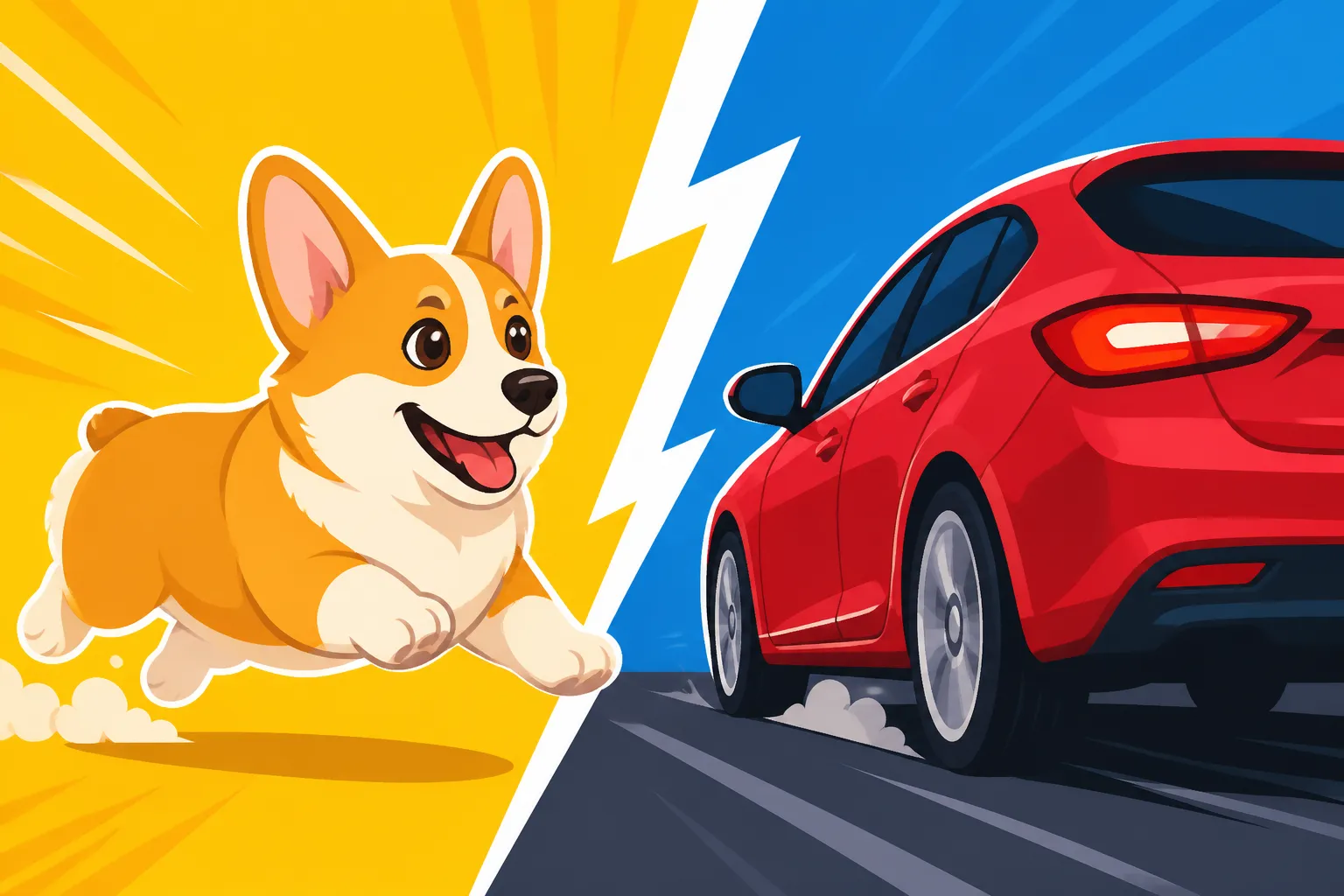
Whether a Corgi Chases Cars
It's a heart-stopping moment many Corgi owners know all too well: that sudden lunge, the frantic barking, the desperate chase after a car, bicycle, or even a leaf blowing down the street. This instinctual drive can be incredibly frustrating and, more importantly, genuinely terrifying, putting your beloved Corgi in immediate peril. This comprehensive guide will delve into the root causes of this common Corgi behavior, outline the serious risks involved, and provide actionable, empathetic strategies to manage and hopefully extinguish this dangerous habit, ensuring your furry family member stays safe.
Understanding the Corgi's Herding Instinct and Prey Drive
Corgis, whether Pembrokes or Cardigans, are incredible dogs with a long history rooted deeply in their original purpose: herding cattle. They weren't just fluffy companions; they were serious working dogs, bred to move large, stubborn animals by nipping at their heels. This ingrained heritage shapes so much of their behavior today, including their tendency to chase moving objects.
The Deep-Seated Herding Legacy
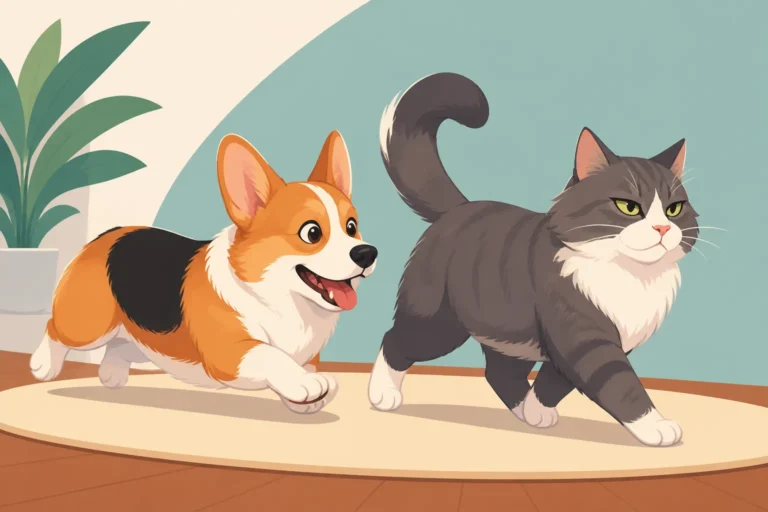
Your Corgi's ancestors were experts at controlling the movement of livestock. Imagine a small, low-to-the-ground dog confidently darting under and around cows, guiding them where to go. This involved a lot of chasing, cutting off, and nipping. When a Corgi sees a car, a jogger, or even a child on a scooter, that ancient programming can kick in. The moving object triggers the "herd" response, and suddenly, they're not just your cute companion anymore; they're a tiny, determined drover trying to control the herd of traffic. It's not malicious; it's simply instinct.
The energy and focus required for herding are immense, and Corgis still carry that intensity. They are thinkers, problem-solvers, and often possess a strong independent streak. This means that when their instinct tells them to chase, they're not always looking to you for permission first. It's a powerful impulse, often overriding any training they might have. We often see this same instinctual drive in behaviors like The Cattle-Driving Nip a Corgi Still Has, where they might try to "herd" family members.
The Role of Prey Drive and Genetic Predisposition
Beyond herding, many Corgis also have a noticeable prey drive. While they weren't typically bred to hunt small game in the same way a terrier was, the excitement of a fast-moving object can certainly activate this drive. A car or bike doesn't just look like a "cow" to them; it can also look like something to pursue and catch. The flashing wheels, the speed, the sound – it all combines to create an irresistible lure for some Corgis.
It’s important to remember that this isn't a sign of a "bad" dog. It's simply a manifestation of their genetic blueprint. Some Corgis will have a stronger chase drive than others, just like some are more vocal or more prone to Corgi Barking and How Much Is Normal. Understanding this deep-seated origin helps us approach the problem with more patience and empathy, realizing we're working against millennia of selective breeding rather than just a misbehaving pet. Acknowledging this makes it easier to implement management strategies that truly address the core issue.
The Dangers and Immediate Prevention Strategies
Let's not sugarcoat it: a Corgi chasing cars is an incredibly dangerous situation. Their low stature and surprising speed make them particularly vulnerable to accidents, and once that herding instinct kicks in, they often become deaf to commands. Prioritizing safety through prevention is the absolute first step.
The Real Risks of a Corgi Chasing Traffic
The most obvious and devastating risk is, of course, being hit by a vehicle. Corgis are small, and drivers often don't see them until it's too late. Their low center of gravity might make them agile, but it doesn't make them invincible against a car. Even if they aren't directly hit, a close call can lead to serious injury from impact with the road or being thrown. It's a terrifying thought that keeps many Corgi owners awake at night.
Beyond direct impact, there are other dangers. A Corgi in pursuit can cause a driver to swerve, leading to an accident involving other cars or pedestrians. There's also the risk of your Corgi getting lost if they manage to escape your yard or leash and get disoriented in their chase. A Corgi focused on the chase is often unaware of their surroundings, leading them into unfamiliar territory. The emotional toll on an owner whose Corgi has been involved in such an incident is immense.
Essential Leash and Containment Protocols
Given the extreme dangers, a Corgi with a car-chasing habit should never be off-leash in an unfenced or unsecured area. This is non-negotiable for their safety. Always use a sturdy leash and a secure harness when out walking. A regular collar might slip off if your Corgi pulls hard enough, but a well-fitted harness, particularly one that clips in the front, can give you better control and prevent them from escaping while putting less strain on their neck. Whether a Corgi Should Wear a Harness Not a Collar is a crucial consideration for their overall well-being.
Check your yard for any weak spots, gaps under fences, or gates that don't latch securely. Corgis are clever and determined, and if they can squeeze under or through something, they will. For walks, consider using a double-leash system for extra security – one clip to their collar, one to their harness. If you anticipate a highly stimulating environment, like a busy street, a head halter can offer even more control over their direction. You can find a wide range of secure harnesses and leashes on platforms like Amazon, making it easy to find options that suit your Corgi's size and your handling needs.
Training Strategies to Curb the Chase Instinct
While prevention is critical, we also want to address the underlying behavior through consistent, positive training. It's about redirecting that powerful instinct into acceptable outlets and teaching them to disengage from triggers.
Teaching a Reliable "Leave It" or "Watch Me"
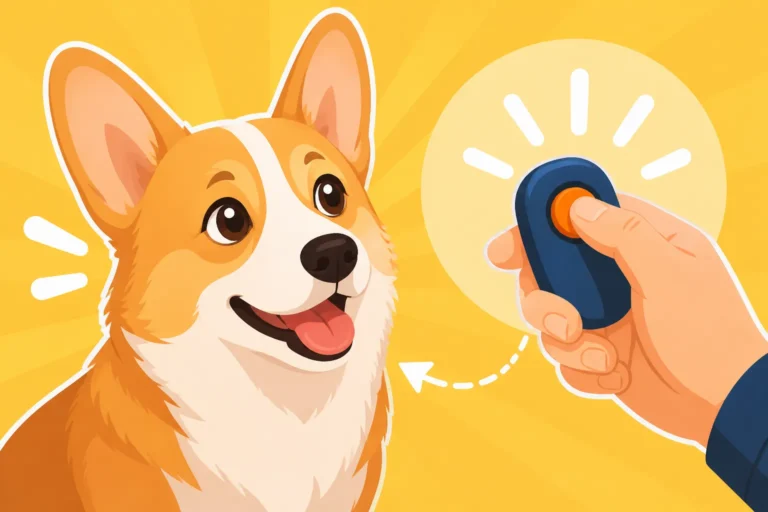
One of the most powerful tools in your arsenal is a rock-solid "Leave It" command. This teaches your Corgi that there are certain things they are not allowed to approach or interact with. Start this training in a low-distraction environment. Hold a treat in your hand, say "Leave It," and when your Corgi looks away from the treat, reward them with a different treat from your other hand. Slowly increase the distractions, working your way up to practicing with moving objects at a distance.
Another invaluable command is "Watch Me." This teaches your Corgi to make eye contact with you on cue, shifting their focus from whatever has caught their attention directly to you. Start indoors, holding a treat near your eye and saying "Watch Me." Reward the instant they meet your gaze. Practice this constantly, building up to using it in more distracting environments, like when a car passes at a distance. A reliable "Watch Me" can literally be a lifesaver, allowing you to re-engage your Corgi before the chase instinct fully takes hold. For comprehensive, step-by-step guidance on these fundamental commands, online training programs like BAXTER & Bella offer structured lessons that can be invaluable for Corgi owners.
Redirecting Energy and Providing Appropriate Outlets
Since the chase instinct is so strong, it's often more effective to redirect it rather than try to suppress it entirely. Corgis need a "job" to do, and if they don't have one, they'll often invent their own – like herding cars! Engaging them in activities that tap into their natural drives can make a huge difference. Consider The Job a Corgi Needs Instead of Herding You. This could be flirt pole play, where they chase a lure you control, or structured fetch games in a secure area.
Puzzle toys that make them work for their food, or scent work games where they use their nose to find hidden treats, are also excellent ways to provide mental stimulation and burn energy. A mentally tired Corgi is often a well-behaved Corgi. Remember, Corgis are intelligent and need consistent engagement. Ensuring they get adequate physical exercise, roughly The Forty-Five Minutes a Corgi Needs Daily, combined with plenty of mental challenges, can significantly reduce the likelihood of them fixating on cars.
Environmental Management and Professional Support
Even with the best training, some Corgis will require ongoing management, and sometimes, a little extra help from an expert can make all the difference. Knowing when and how to manage their environment and when to seek professional guidance is key to success.
Creating a Safe and Controlled Environment
Managing your Corgi's environment is paramount to preventing unwanted chasing. If you know certain routes or times of day are particularly busy with traffic, choose quieter paths for your walks. Alternatively, time your walks for off-peak hours when there's less vehicular activity. If your Corgi is highly reactive to cars passing your home, consider using privacy film on windows, or strategic placement of furniture to block their view of the street.
When you're out, actively scan your surroundings for potential triggers like approaching cars or cyclists. If you spot one, you can use your "Watch Me" command or create a buffer by moving behind a parked car or stepping off the sidewalk until the trigger passes. This teaches your Corgi that they don't have to react to every moving object. Consistency is vital here. If they successfully ignore a car even once, praise and reward them heavily. Creating a safe physical space, both indoors and out, is just as important as the training itself.
When to Seek Professional Guidance
Sometimes, despite your best efforts, the car-chasing behavior can feel overwhelming or dangerous. This is when a certified professional dog trainer or a veterinary behaviorist can be an invaluable resource. They can assess your Corgi's specific drives, identify triggers you might have missed, and develop a customized training plan that fits your family's lifestyle. They might introduce specific counter-conditioning techniques or use specialized tools that offer more control.
Don't feel like a failure if you need to call in the pros; many behaviors, especially those rooted in strong breed instincts like Corgi Recall and the Herding Instinct or a deep chase drive, benefit greatly from expert intervention. A good trainer won't just tell you what to do; they'll show you, providing hands-on support and troubleshooting. They can help you refine your techniques and give you the confidence to continue working with your Corgi effectively and safely. For those looking for local resources, asking your vet for recommendations or searching for trainers certified by recognized organizations is a great place to start.
Understanding Your Corgi's Motivations
To truly help your Corgi, it's beneficial to think about what they gain from chasing. Is it the thrill of the chase? Is it a release of pent-up energy? Or is it simply a deeply ingrained pattern that feels inherently rewarding? For many Corgis, the act of chasing itself is self-reinforcing – the speed, the focus, the sheer canine joy of pursuit.
The Reward Cycle of the Chase
When a Corgi chases a car, even if they don't "catch" it, the act of running, the surge of adrenaline, and the feeling of engaging their instincts can be incredibly rewarding. This makes the behavior hard to break because, in their mind, they're getting a huge payoff every time. This is why simply punishing the behavior often doesn't work; it can create fear or anxiety without addressing the underlying drive or offering an alternative. Instead, we want to create a situation where not chasing and focusing on you becomes more rewarding.
This is where high-value treats and praise come in. If a car passes and your Corgi looks at you for a treat instead of lunging, that immediate, delicious reward needs to be better than any satisfaction they'd get from chasing. This process of changing their emotional response to the trigger is called counter-conditioning. Consistency is absolutely crucial here. Every single time a car passes, you have a chance to reinforce the desired behavior. Whether a Corgi Works Better for Food or a Toy can guide your choice of reward.
Tailoring Training to Their Personality
Every Corgi is an individual, and what works for one might not work for another. Some Corgis might be highly food-motivated, making treat-based training incredibly effective. Others might be more toy-driven, and a quick game of tug or toss with their favorite toy can be a powerful reinforcer for disengaging from a car. Observing your Corgi and understanding what truly motivates them will allow you to tailor your training approach.
For example, a Corgi that gets overwhelmed easily might need to start training far away from roads, gradually decreasing the distance over many sessions. A bolder Corgi might be able to handle closer distractions sooner. Pay attention to your Corgi's body language – are they showing early signs of fixation (stiff body, intense stare, low tail)? Intervene at these early stages, before the full chase response is engaged. This is much easier than trying to stop them mid-lunge. Being flexible and patient with your training will lead to the most positive outcomes.
Table of Training Tools and Their Uses
Here's a quick overview of some common tools that can help you manage and train your Corgi to stop chasing cars:
| Tool | Purpose | Best Use Case | Considerations |
|---|---|---|---|
| Front-Clip Harness | Reduces pulling, redirects dog's forward momentum | Walks with strong pullers, preventing escapes | Ensure proper fit to avoid chafing; may not stop chase entirely without training. |
| Head Halter | Provides maximum control over head direction | Highly reactive dogs, strong pullers | Requires positive introduction to prevent aversion; can look like a muzzle. |
| Long Line/Leash | Allows supervised freedom in safe areas | Practicing recall and "leave it" from a distance | Only use in secure, open spaces away from traffic; always supervise closely. |
| High-Value Treats | Powerful motivators for positive reinforcement | Counter-conditioning, rewarding calm behavior | Use sparingly to maintain value; consider your Corgi's diet and weight management. |
| Flirt Pole | Redirects chase instinct to an appropriate object | Burning energy, mental stimulation in a safe space | Use with caution to protect your Corgi's back; avoid sharp turns or high jumps. |
| Puzzle Toys | Provides mental stimulation and engagement | Indoor enrichment, distracting from outdoor triggers | Choose durable toys appropriate for your Corgi's size and chewing habits. |
| Secure Fencing/Gates | Physical barrier for safety | Preventing escape from yard, managing access to areas | Regular inspection for weak spots; Corgis can be expert diggers or jumpers. |
Living with a Corgi and Their Drive
Ultimately, living with a Corgi means understanding and respecting their heritage. While we can train and manage their behaviors, completely eradicating a deep-seated instinct like chasing moving objects can be incredibly challenging. The goal isn't necessarily to make them ignore every single car, but to ensure their safety and teach them to respond to your cues in high-stakes situations.
Long-Term Management and Consistency
The work doesn't stop once your Corgi shows improvement. This is a behavior that requires lifelong management and consistency. Every walk, every time you're near a road, is an opportunity to reinforce the desired behavior. Don't become complacent. Continue to use your secure leashes and harnesses, practice your "Leave It" and "Watch Me" commands regularly, and keep a watchful eye on your surroundings.
Consider incorporating brain games and physical exercise into their routine to keep them stimulated and reduce the likelihood of boredom-driven behaviors. Regular sessions of Trick and Scent Work for a Corgi can be hugely beneficial, providing mental engagement without putting stress on their unique physique. The more you engage your Corgi's mind in positive ways, the less likely they are to seek out undesirable outlets for their energy and instincts.
Celebrating Small Victories
It can be disheartening when your Corgi slips up, especially after you've put in so much effort. But remember to celebrate the small victories. Did they look at you instead of the passing car for just a second longer? Did they disengage from a bike with only a minimal bark? These are huge wins! Acknowledge and reward them enthusiastically. Progress isn't always linear, and there will be good days and bad days.
The bond you build with your Corgi through this dedicated training is invaluable. It's a journey of mutual understanding and trust. By being patient, consistent, and proactive, you can help your Corgi navigate their instincts in a safe way, allowing both of you to enjoy walks and time outdoors without the constant fear of a dangerous chase. Your Corgi relies on you to be their guide and protector, and addressing this challenge head-on is one of the most loving things you can do for them.
Disclaimer
This article is for general informational purposes only and does not constitute professional advice. Laws, prices and regulations vary by location and change over time. Consult a qualified professional for guidance on your specific situation.