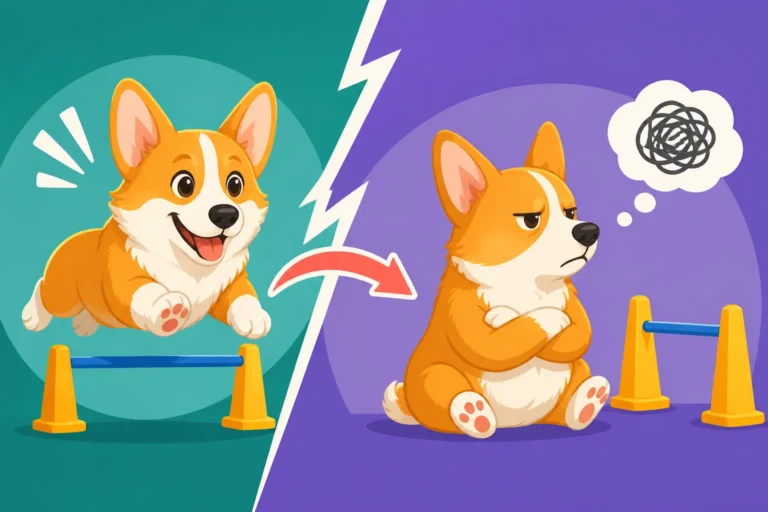
Whether a Corgi Should Wear a Front-Clip Harness
One of the most common frustrations Corgi owners face is the relentless pull on the leash. These adorable, low-riding bundles of energy were bred to herd cattle, and that instinct to push forward and control movement often translates into a powerful tug during walks. If you've been wondering if a front-clip harness might finally be the solution to make your walks more enjoyable and less of a battle, you're in the right place. This guide will delve into the ins and outs of front-clip harnesses for Corgis, exploring how they work, their benefits and drawbacks, and how to ensure a proper fit for your unique canine companion.
Understanding the Front-Clip Harness for Your Corgi
Let's be honest, walking a Corgi who thinks they're a sled dog can be utterly exhausting. You try your best to guide them, but their low center of gravity and surprising strength make them formidable pullers. Traditional harnesses often clip on the back, and while they might be more comfortable than a collar for many dogs, they can inadvertently encourage your Corgi to lean into the pull even more, almost like they're being hitched up to do their job. This is where the front-clip harness enters the picture as a game-changer for many.
How Front-Clip Harnesses Redirect Pulling Power
The core genius of a front-clip harness lies in its simple yet effective design: the leash attachment point is located on your dog's chest, rather than on their back. Imagine your Corgi, with all their enthusiastic determination, trying to drag you towards that interesting smell or another dog across the street. When they pull forward, the leash, attached to their chest, gently redirects their momentum to the side. Instead of driving forward, they pivot slightly, making it much harder for them to maintain a straight-ahead pull. This isn't about causing pain or discomfort; it's about using physics to encourage them to turn back towards you, breaking that pulling stride.
This redirection helps shift their focus from the object of their desire to the handler. It creates a subtle, almost natural consequence for pulling: "If I pull, I don't go where I intended; I turn." For an intelligent, independent breed like the Corgi, this can be a very effective way to communicate desired behavior. They quickly learn that walking politely by your side, with a loose leash, gets them to their destination much more smoothly. A Corgi that pulls on the leash is a common complaint, and understanding the mechanics of these harnesses is the first step toward a happier walk.
Distinguishing From Back-Clip and Head Halters
It's easy to get lost in the sea of dog walking equipment out there, but understanding the fundamental differences between types of harnesses is crucial, especially for a Corgi's unique build. A back-clip harness, as the name suggests, has the leash attachment on the dog's back, typically between the shoulder blades. While great for relieving pressure on the neck compared to a collar, they don't offer much in the way of discouraging pulling and can sometimes make it worse by functioning like a sled harness. For a Corgi, whose spine is already a point of concern, avoiding neck pressure is important, but a back-clip harness might not be enough for a determined puller.
Head halters, on the other hand, offer even more control by fitting over the dog's muzzle and behind their ears, guiding the head. While incredibly effective for some strong pullers, many Corgis find head halters intrusive and uncomfortable, often pawing at them or trying to rub them off. The front-clip harness strikes a nice balance, offering effective control without the face-oriented sensation of a head halter, making it a more readily accepted option for many Corgi personalities. It's often a good intermediate step if you've tried a back-clip harness and still find yourself being dragged along.
The Advantages and Potential Drawbacks for Your Corgi
Deciding on the right walking equipment for your Corgi is a big deal. You want something that's safe, comfortable, and effective. Front-clip harnesses have gained a lot of popularity, and for good reason, but like any tool, they come with their own set of pros and cons, especially when considering the distinctive physical characteristics and temperament of our Corgi friends.
Benefits of Using a Front-Clip Harness
One of the most significant benefits for Corgis is the reduced strain on their delicate neck and throat. Corgis are prone to spinal issues, and any pulling on a collar, or even a back-clip harness that allows a lunge, can put unnecessary stress on their neck and back. A front-clip harness distributes pressure more evenly across the chest, away from sensitive areas, which is a huge relief for both you and your dog. Many Corgi owners attest that their dogs cough less and seem more comfortable when wearing a front-clip harness compared to a collar when they're prone to pulling. Whether a Corgi Should Wear a Harness Not a Collar is a question many owners ponder, and for Corgis, a harness is almost always the safer bet.
Another major plus is the improved control over pulling. This is often the primary reason owners seek them out. Because the leash attachment point is on the chest, any attempt by your Corgi to pull forward results in their body being gently turned to the side, away from the direction they were trying to go. This redirection quickly teaches them that pulling doesn't get them anywhere faster; in fact, it slows them down. This mechanical advantage can make a significant difference in your walking experience, transforming a stressful tug-of-war into a much more pleasant stroll. Many harnesses available on Amazon offer front-clip options specifically designed with broad chest straps, which can be ideal for a Corgi's build.
Finally, front-clip harnesses can be a fantastic training aid. They don't just stop pulling; they teach your dog not to pull. By consistently redirecting your Corgi every time they pull, the harness helps them understand the concept of a loose leash. Combined with positive reinforcement, like rewarding them when they walk nicely, it accelerates the learning process. This can be especially helpful for Corgis who are strong-willed or easily distracted, allowing you to maintain control while working on their leash manners. Training a Corgi That Makes Its Own Decisions often requires tools that gently guide them toward the right choice.
Potential Downsides and Considerations
While front-clip harnesses offer many advantages, they're not without their potential drawbacks, especially for our unique Corgis. One common concern is chafing or rubbing, particularly in the sensitive armpit area. Because the harness straps run across the chest and behind the front legs, if the harness isn't perfectly fitted or if your Corgi has very short fur in that area, friction can occur. This can lead to redness, irritation, and discomfort, making your Corgi resistant to wearing it. It's crucial to regularly check these areas after walks, especially when first introducing the harness, and to ensure the fit is snug but not tight.
Another point to consider is the potential for leg entanglement or restricted movement if the harness is too loose or poorly designed. A Corgi's short legs and long body mean that poorly positioned straps could interfere with their natural gait. If the chest strap hangs too low or the side straps are too loose, a determined Corgi might even manage to step a leg over a strap, creating an awkward and potentially unsafe situation. While rare with a properly fitted harness, it's something to be aware of and monitor during walks.
Finally, some Corgis simply dislike the feeling of something across their chest. While many adapt quickly, others might initially resist, freezing or trying to back out of the harness. This is often more about novelty than actual discomfort, but it requires patience and positive association to overcome. Introducing the harness slowly, with treats and praise, can help. Remember, a front-clip harness is a tool to aid training, not a magical cure. If your Corgi is particularly resistant, seeking guidance from a professional trainer or resources like BAXTER & Bella can help you implement a positive introduction strategy.
| Feature | Front-Clip Harness | Back-Clip Harness |
|---|---|---|
| Leash Attachment | On the chest | On the back (between shoulder blades) |
| Pulling Control | Excellent, redirects dog to the side | Minimal, can encourage pulling |
| Neck/Spine Pressure | Very low, pressure distributed across chest | Low, but pulling can still strain neck/shoulders |
| Comfort for Corgis | Generally good, if fitted properly; may cause rubbing in armpits if ill-fitting | Generally good, but some dogs may still pull |
| Training Effectiveness | High, teaches loose leash walking | Low for pulling, good for general walks |
| Ease of Use | Can be slightly more fiddly to put on correctly | Generally easier to put on and take off |
Achieving the Perfect Fit for Your Corgi
A harness is only as good as its fit, and this is especially true for Corgis with their unique proportions. A poorly fitting harness can be uncomfortable, ineffective, and even dangerous. You wouldn't wear ill-fitting shoes for a marathon, and your Corgi shouldn't walk in a harness that doesn't suit their body. Getting it right ensures safety, comfort, and the desired training benefits.
Measuring Your Corgi Accurately
Before you even think about buying a front-clip harness, you need to grab a soft tape measure and get accurate measurements of your Corgi. Most manufacturers will ask for two key measurements: the chest girth and sometimes the neck circumference. The chest girth is the most critical: measure around the widest part of your Corgi's rib cage, just behind their front legs. For the neck, measure around the base of the neck, where a collar would naturally sit. Don't pull the tape too tight, but ensure it's snug enough that it's not loose.
Why is this so important for a Corgi? Because their long body and relatively short legs mean standard sizing often doesn't quite cut it. A harness that fits their girth might be too long in the body, or a harness that fits their neck might be too tight around the chest. Always compare your Corgi's measurements to the specific manufacturer's sizing chart, as sizes can vary wildly between brands. When browsing online, like on Amazon, pay close attention to the sizing guides and read reviews from other Corgi owners if possible. What a Pembroke Should Weigh and their general build are important factors when considering sizes.
Adjusting the Harness for Optimal Comfort and Security
Once you have the harness in hand, the real work of fitting begins. Most front-clip harnesses have multiple adjustment points: around the neck, behind the front legs (chest girth), and often a strap connecting the front and back sections. Start by loosely adjusting all the straps. Slip the harness over your Corgi's head and position the chest plate. The horizontal strap that runs across your Corgi's chest, where the leash clips, should sit fairly low on their chest, above the breastbone, but not so low that it interferes with their leg movement.
The key to a good fit is the "two-finger rule." You should be able to comfortably slip two fingers under every strap of the harness, but no more. If it's too loose, your Corgi could slip out or get a leg entangled. If it's too tight, it will chafe and restrict movement. Pay particular attention to the straps behind the front legs; these are often the culprits for chafing. Ensure there's enough room for their legs to move freely without rubbing. Watch your Corgi walk around the house in the harness before you head out; look for any signs of discomfort, restricted gait, or awkwardness. A well-fitted harness should almost disappear on their body, allowing them to move naturally and comfortably.
Complementary Training and Alternatives
A front-clip harness is a fantastic tool, but it's important to remember it's just that – a tool. It works best when combined with consistent, positive reinforcement training. Relying solely on the harness without teaching your Corgi how to walk politely will only get you so far. For a breed known for its intelligence and occasional stubborn streak, a multifaceted approach is usually the most effective.
Positive Reinforcement for Loose-Leash Walking
Even with a front-clip harness, the ultimate goal is for your Corgi to choose to walk nicely beside you. This is where positive reinforcement comes in. Every time your Corgi walks with a loose leash – even for just a few steps – mark that behavior with a verbal cue like "yes!" or a clicker, and immediately reward them with a high-value treat. Practice this in a low-distraction environment first, like your living room or backyard, then gradually move to more distracting places.
The redirection from the front-clip harness gives you an opportunity to reinforce the desired behavior. When they pull and turn back to you, as soon as that leash slackens, reward them. They'll start to associate the feeling of a loose leash and walking by your side with positive outcomes. Consistency is key. Every walk is a training opportunity. If you're struggling to get started, online training resources, such as those offered by BAXTER & Bella, can provide structured lessons and support for teaching loose-leash walking, integrating tools like front-clip harnesses into a comprehensive program.
Other Leash Walking Tools and Techniques
While a front-clip harness is excellent, it's not the only option, and some Corgis might thrive with different approaches. For instance, a well-fitted back-clip harness can be perfectly adequate if your Corgi isn't a strong puller, or once they've learned loose-leash skills. They're generally less intrusive and easier to put on. The key is always to choose a harness that distributes pressure away from the neck.
Long lines can also be an invaluable tool for Corgis, allowing them to explore safely in open areas while still under your control. This provides mental stimulation and exercise without the constant tension of a short leash. Just be careful not to let them get tangled around their legs. For Corgis, whose intelligence demands mental engagement, incorporating games and scent work into walks can also help redirect their energy and focus away from pulling. Remember, the right equipment is personal to each dog, and what works for one Corgi might not be ideal for another. Experimentation, always prioritizing safety and comfort, is often the path to finding your perfect walking setup. The Forty-Five Minutes a Corgi Needs Daily of mental and physical exercise are crucial for a well-behaved dog on walks.
Disclaimer
This article is for general informational purposes only and does not constitute professional advice. Laws, prices and regulations vary by location and change over time. Consult a qualified professional for guidance on your specific situation.