Teaching a Corgi to Accept Brushing
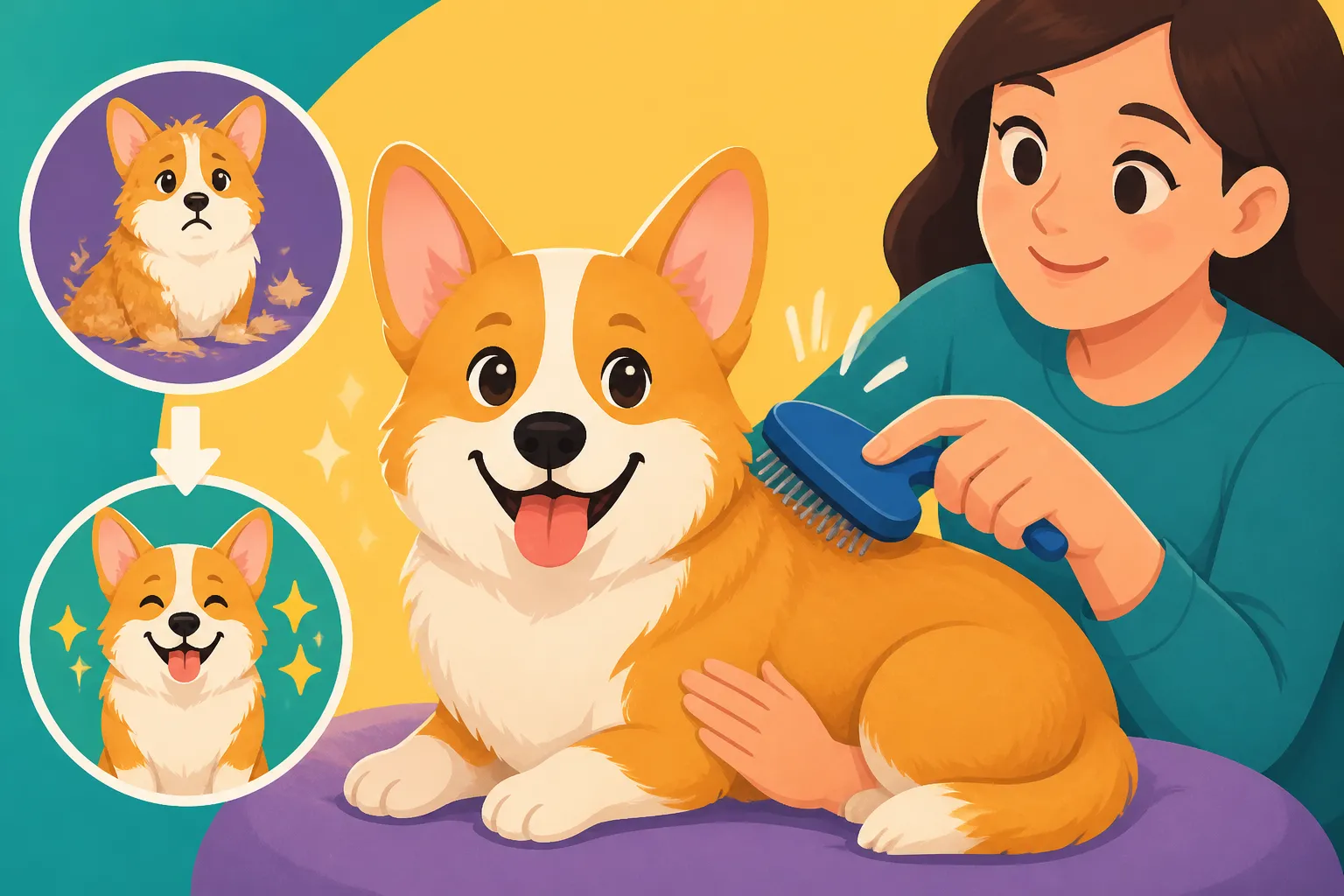
One of the most surprising challenges new Corgi parents often face is just how much their beloved low-rider sheds, and with that shedding comes the necessity of regular grooming. If your Corgi turns into a wriggly, dramatic pretzel the moment a brush appears, you're not alone! This guide is here to walk you through a gentle, positive training approach to help your Corgi not just tolerate, but actually accept and even enjoy their brushing sessions.
Understanding Your Corgi's Resistance to Brushing
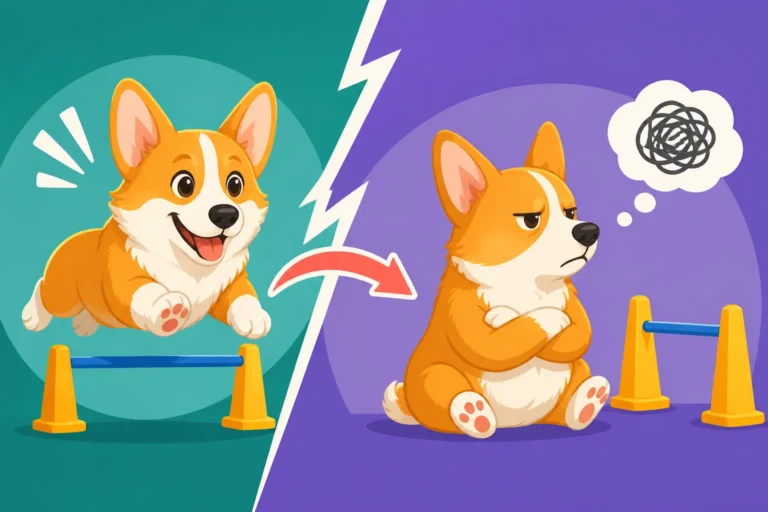
It's easy to take it personally when your Corgi fights every attempt to groom them. You might think they're being stubborn or defiant, but often, their resistance stems from deeper issues than simply not liking the brush. Understanding why they resist is the first step toward making brushing a more positive experience for both of you.
Early Experiences and Conditioning
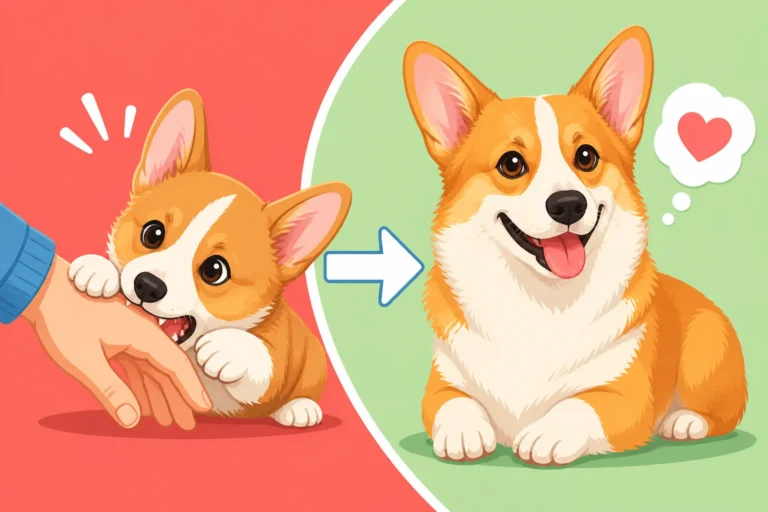
Think back to your Corgi's puppyhood. Were they regularly handled and brushed from a young age in a calm, positive way? For many dogs, especially those from less-than-ideal backgrounds or even just busy households, early grooming might have been sporadic, rushed, or even a bit uncomfortable. A quick, sharp tug on a tangle, an accidental poke with a bristle, or simply being held still against their will can create a negative association that sticks.
These early experiences, even seemingly minor ones, can lay the groundwork for a lifelong dislike of grooming tools. Your Corgi remembers that initial discomfort or fear, and every subsequent brushing attempt reinforces that memory. It's not about them trying to be "bad"; it's a learned response to something they perceive as unpleasant or threatening. We need to actively work to reframe that perception.
Sensitive Skin and Undercoat Issues
Corgis have a magnificent, dense double coat, which is wonderful for keeping them warm but can also hide sensitive skin and potential discomfort. If your Corgi has ever experienced skin irritation, allergies, or even small, unnoticed hot spots, brushing can become genuinely painful. Even healthy Corgi skin can be quite sensitive, especially if you're using a brush that's too harsh or applying too much pressure.
Beyond skin sensitivity, their thick undercoat itself can present challenges. If the undercoat isn't regularly brushed out, it can become matted close to the skin, making any attempt to brush through it incredibly painful. It’s a vicious cycle: they resist brushing because of discomfort, the coat gets worse, and the discomfort increases. This is why tools designed specifically for their coat type are so important, as is a gentle hand.
Fear of Restraint or Loss of Control
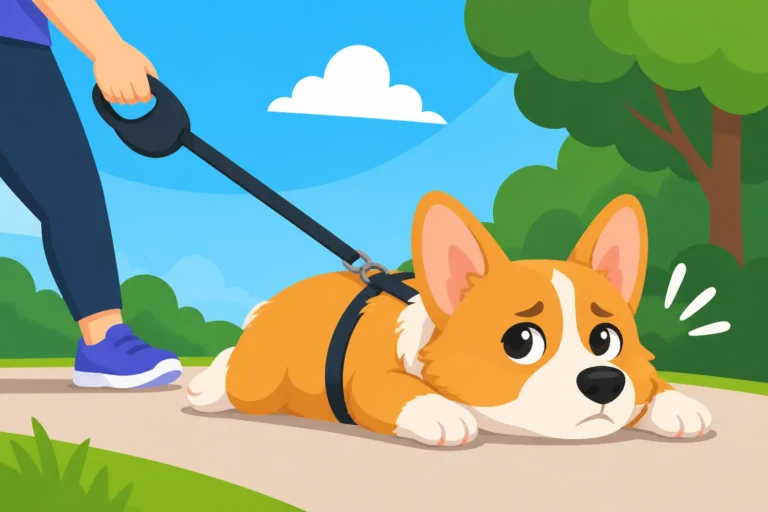
Corgis are intelligent, independent little dogs with a strong sense of self-preservation. Being held still or restrained, even gently, can trigger an instinctual fear response. They might feel vulnerable, trapped, or simply resentful of the loss of control, especially if they haven't been desensitized to handling from a young age. This isn't unique to Corgis; many dogs struggle with restraint.
Their short legs and low stature also mean they're often picked up or maneuvered into positions they don't choose. While necessary for their safety and care, this constant handling can make them wary. When a brush is added to the equation, coupled with the need to keep them still, it compounds their anxiety. Our goal is to make grooming feel less like a wrestling match and more like a spa day.
Setting Up for Success: Tools and Environment
Before you even think about putting a brush to your Corgi, you need to set the stage for success. This involves carefully selecting your tools and creating an environment where your Corgi feels safe and comfortable. Trying to force a brushing session in a chaotic environment with the wrong equipment is a recipe for disaster.
Choosing the Right Grooming Tools
For a Corgi's double coat, having the right tools is paramount. You can't just grab any old brush and expect good results, or a happy Corgi. The goal is to remove loose undercoat without irritating their skin or pulling their guard hairs.
- Undercoat Rake: This is your best friend for a Corgi. A good undercoat rake has widely spaced, rounded teeth that penetrate the topcoat to gently pull out the loose, dead undercoat. It’s essential for managing their year-round shedding. The Rake and Comb a Corgi Coat Actually Needs can give you more insights.
- Slicker Brush: A slicker brush, with its fine, wire bristles, is great for breaking up tangles and smoothing the topcoat, but use it with extreme caution and a light touch. Aggressive use can scratch sensitive Corgi skin.
- Pin Brush: Similar to a human brush, a pin brush can be good for general grooming and distributing natural oils, especially for longer feathering.
- Metal Comb: A fine-toothed metal comb is crucial for checking for any missed tangles, especially on the "trousers" and behind the ears, but again, use gently.
You can find a wide variety of these specialized brushes on Amazon, often with helpful reviews from other Corgi owners who understand the unique demands of their coat. Remember, the right tools make the job easier and more comfortable for your dog.
Creating a Calm and Positive Space
The environment where you groom your Corgi needs to be as stress-free as possible. This isn't a task to tackle during family dinner or when the kids are running wild. Choose a quiet time of day when both you and your Corgi are relaxed.
- Location, Location, Location: A small, enclosed space, like a laundry room or a corner of a quiet room, can help your Corgi feel secure rather than exposed. Some people find success grooming on a non-slip mat on a table, which can be easier on your back and provides a designated "grooming zone." Just ensure the surface is stable and not slippery for their short legs.
- Soft Surface: Never make your Corgi stand on a cold, hard floor if they don't have to. A soft bathmat or a comfortable bed can make a big difference, especially for longer sessions or for older Corgis. Orthopedic Beds for a Corgi can offer insight into comfortable resting options.
- Minimize Distractions: Turn off the TV, silence your phone, and make sure other pets or children aren't going to interrupt. The less going on, the more your Corgi can focus on the positive reinforcement you're offering. Think of it as a calming, one-on-one bonding time.
Harnessing the Power of High-Value Treats
Treats are your secret weapon in cooperative grooming. They are not just bribes; they are positive reinforcement that tells your Corgi, "This is a good thing!" Don't underestimate the power of a really delicious, irresistible treat.
- What to Use: Small, soft, and extra-tasty treats work best. Think tiny pieces of cooked chicken, cheese, or specialized training treats that your Corgi absolutely adores.
- Timing is Everything: Deliver the treat immediately after the desired behavior (even if it's just tolerating a light touch). This instant gratification helps your Corgi connect the positive experience with the brushing.
- Keep it Coming: Especially in the beginning, be generous with treats. You want to flood them with positive associations. If your Corgi is particularly treat-motivated, this will be your most effective tool. Programs like BAXTER & Bella often emphasize positive reinforcement with high-value rewards in their training protocols, which can be easily adapted to grooming.
The Step-by-Step Approach to Desensitization
Desensitization is key to turning a fearful Corgi into a cooperative grooming partner. This isn't a quick fix; it's a gradual process of teaching them that brushing is not something to be feared, but rather a source of comfort and treats. Patience, consistency, and a slow pace are your best friends here.
Start with Touch and Reward
Before you even bring out a brush, your Corgi needs to be comfortable with being touched all over their body. This might seem basic, but if they flinch when you reach for their back or legs, you have to build that foundational trust first.
- Gentle Petting: Start by gently petting your Corgi in areas they already enjoy, like their chest or behind their ears. As you pet, offer a high-value treat. Repeat this many times.
- Gradual Extension: Slowly, gradually extend your petting to other areas, such as their back, sides, and even their legs and paws. Each time they tolerate the touch without reacting negatively, immediately reward them with a treat and praise.
- Short Sessions: Keep these initial touch-and-reward sessions very short – just a minute or two – to avoid overwhelming your Corgi. End on a positive note. The goal is to build positive associations, not endurance. If your Corgi is sensitive about certain areas, like their feet, remember that A Corgi That Will Not Let You Touch Its Feet might need more focused, gentle work.
Introducing the Brush, Gradually
Once your Corgi is comfortable with full-body petting, it's time to introduce the actual brush – but not for brushing yet! This stage is all about making the brush a neutral, or even positive, object.
- Presence of the Brush: Simply place the brush on the floor a few feet away from your Corgi. If they look at it calmly, toss them a treat. Slowly, move the brush closer. Treat for calm behavior.
- Holding the Brush: Once they're okay with the brush being near them, hold it in your hand while you're petting and treating them. Don't touch them with it yet. They just need to associate the brush being in your hand with good things (treats).
- Brief Contact: The next step is to gently touch your Corgi with the back of the brush (the non-bristled side). Touch, treat, remove. Repeat this, gradually moving to a gentle, single stroke with the bristles on an area they're comfortable with, like their shoulder. One stroke, treat, remove. Keep it super brief! This is about tiny, successful increments.
Short Brushing Sessions, Building Endurance
Now that your Corgi is tolerating brief contact with the brush, you can start actual brushing, but remember the rule: short, sweet, and positive.
- One Stroke at a Time: Start with just one or two gentle strokes in a comfortable area, immediately followed by a treat and praise. Stop before they show any signs of discomfort or resistance. The second you see a positive response, that's your cue to reward.
- Increase Duration Slowly: Over days and weeks, gradually increase the number of strokes. Maybe two strokes, then three, then a few more. Always watch your Corgi's body language. If they stiffen, try to pull away, or show any signs of stress, you've gone too far. Go back to fewer strokes or just touching.
- Varying Locations: Once they're okay with a few strokes on their back, start introducing strokes on their sides, then their chest, and eventually their "trousers" (the fluffy fur on their hindquarters) and tail area. Always use the gentle, stroke-and-treat method for each new spot. Remember that Grooming a Corgi That Sits Six Inches Off the Ground means you'll be working in some awkward positions, so be mindful of your own posture too!
- Consistency is Key: Try to do these short sessions daily, or at least every other day. Regular, brief, positive exposure is far more effective than infrequent, long, struggle-filled sessions. Think of it as part of their daily routine, like Brushing a Corgi Daily Through a Shed.
Understanding and Responding to Body Language
Your Corgi will tell you what they're feeling, if you know how to listen. Their body language is crucial in this desensitization process.
- Signs of Discomfort: Look for lip-licking, yawning (when not tired), turning their head away, stiffening their body, trying to move away, wide eyes, or ears pinned back. These are all signals that you need to slow down or stop.
- Signs of Relaxation: A soft gaze, relaxed body, loose tail wags, or even leaning into the brush are signs that they are comfortable. These are the moments to celebrate and reinforce with treats!
- When to Pause: If your Corgi consistently shows signs of discomfort, don't push through. Stop the session, reassure them, and try again later or the next day, starting with a simpler step. Forcing them will only set you back. Corgi Sass and What to Do About It might actually be them communicating discomfort, rather than just being 'sassy'.
Maintaining a Positive Grooming Routine
Once you've made progress in teaching your Corgi to accept brushing, the work isn't over. The goal is to establish a lifelong routine that keeps their coat healthy and both of you happy. Consistency, positive reinforcement, and knowing when to ask for help are all vital for long-term success.
Consistency and Routine
Just like with potty training or leash manners, consistency is crucial for grooming. Your Corgi thrives on routine, and knowing what to expect can reduce anxiety.
- Scheduled Sessions: Try to schedule brushing sessions at roughly the same time each day or week. This predictability helps your Corgi prepare mentally. Maybe it's after their morning walk when they're a bit tired, or in the evening while you're watching TV.
- Regularity is Best: Even if your Corgi's coat doesn't look particularly messy, regular, short brushing sessions are better than waiting until they're matted. Daily or every-other-day brushing is ideal for Corgis, especially during heavy shedding periods. This helps manage How Much Hair a Twenty-Eight Pound Corgi Drops and prevents matting that could cause pain and regression in training.
- End on a High Note: Always aim to end each session on a positive note. A final treat, a favorite toy, or a short play session immediately after brushing helps to solidify the positive association.
Making it a Continued Positive Experience
Don't let the hard work of desensitization go to waste. Keep grooming a positive and rewarding experience for your Corgi throughout their life.
- Keep the Treats Coming: Even when your Corgi is a pro, still offer occasional treats and plenty of verbal praise during brushing. It keeps the motivation high and reinforces that this is a pleasant activity.
- Variety of Brushes: As your Corgi's coat changes with seasons or age, you might need different tools. The Brushes a Corgi Owner Buys Once are an investment, but worth it. An undercoat rake is invaluable for blowing out their coat, while a slicker brush can gently smooth. Using the right tool for the job makes it more comfortable.
- Fun and Games: Incorporate play into your grooming routine. After a quick brush, throw a ball or engage in a tug-of-war. This creates a link between grooming and fun.
- Handling Practice: Continue to regularly handle your Corgi's feet, ears, and mouth even when not grooming, rewarding them for tolerance. This makes nail trims, ear cleaning, and dental checks much easier down the line.
Dealing with Setbacks and Seeking Professional Help
It’s completely normal to hit a snag or have a day where your Corgi seems to revert to old behaviors. Don't get discouraged!
- Identify the Cause: Did you go too fast? Use too much pressure? Was there a loud noise during the session? Try to figure out what triggered the setback.
- Go Back a Step: If your Corgi starts resisting, simply go back to an earlier, easier step in the desensitization process. Rebuild their confidence with extra treats and shorter sessions. It's not a race.
- Consider a Professional Groomer: If you're consistently struggling, a professional groomer who specializes in positive reinforcement and cooperative care can be a lifesaver. They have experience with nervous dogs and can often get through a session efficiently and calmly. They can also advise you on the best techniques for your specific Corgi's coat. However, be aware that What a Groomer Charges to Blow Out a Corgi can add up.
- Vet Consult for Underlying Pain: If your Corgi suddenly develops a strong aversion to being brushed, especially if it's accompanied by other behavioral changes or lameness, it's always wise to consult your veterinarian. There might be an underlying medical issue, like a skin irritation, joint pain, or even a back problem, that is causing discomfort. Pain Relief for an Old Corgi's Back might be needed if they are older.
| Grooming Tool | Primary Use for Corgis | Best For | Considerations |
|---|---|---|---|
| Undercoat Rake | Removing loose, dead undercoat | Heavy shedding, preventing mats | Use gently, do not scrape skin. Essential tool. |
| Slicker Brush | Breaking up small tangles, smoothing topcoat | Feathering, final polish | Use very lightly, fine bristles can irritate skin. |
| Pin Brush | General detangling, distributing natural oils | Longer feathering, daily light brushing | Less effective for deep undercoat removal. |
| Metal Comb | Checking for missed mats, fine detangling | "Trousers," behind ears, double-checking | Use with extreme care, can pull if coat is matted. |
| Grooming Mitt/Glove | Gentle massage, removing loose surface hair | Sensitive dogs, daily bonding, light shedding | Not suitable for deep undercoat removal or matting. |
Remember, teaching your Corgi to accept brushing is a journey, not a destination. Celebrate every small victory, be patient, and consistently reinforce the positive associations. With time and dedication, you can turn grooming into a cherished bonding experience rather than a dreaded chore.
Disclaimer
This article is for general informational purposes only and does not constitute professional advice. Laws, prices and regulations vary by location and change over time. Consult a qualified professional for guidance on your specific situation.