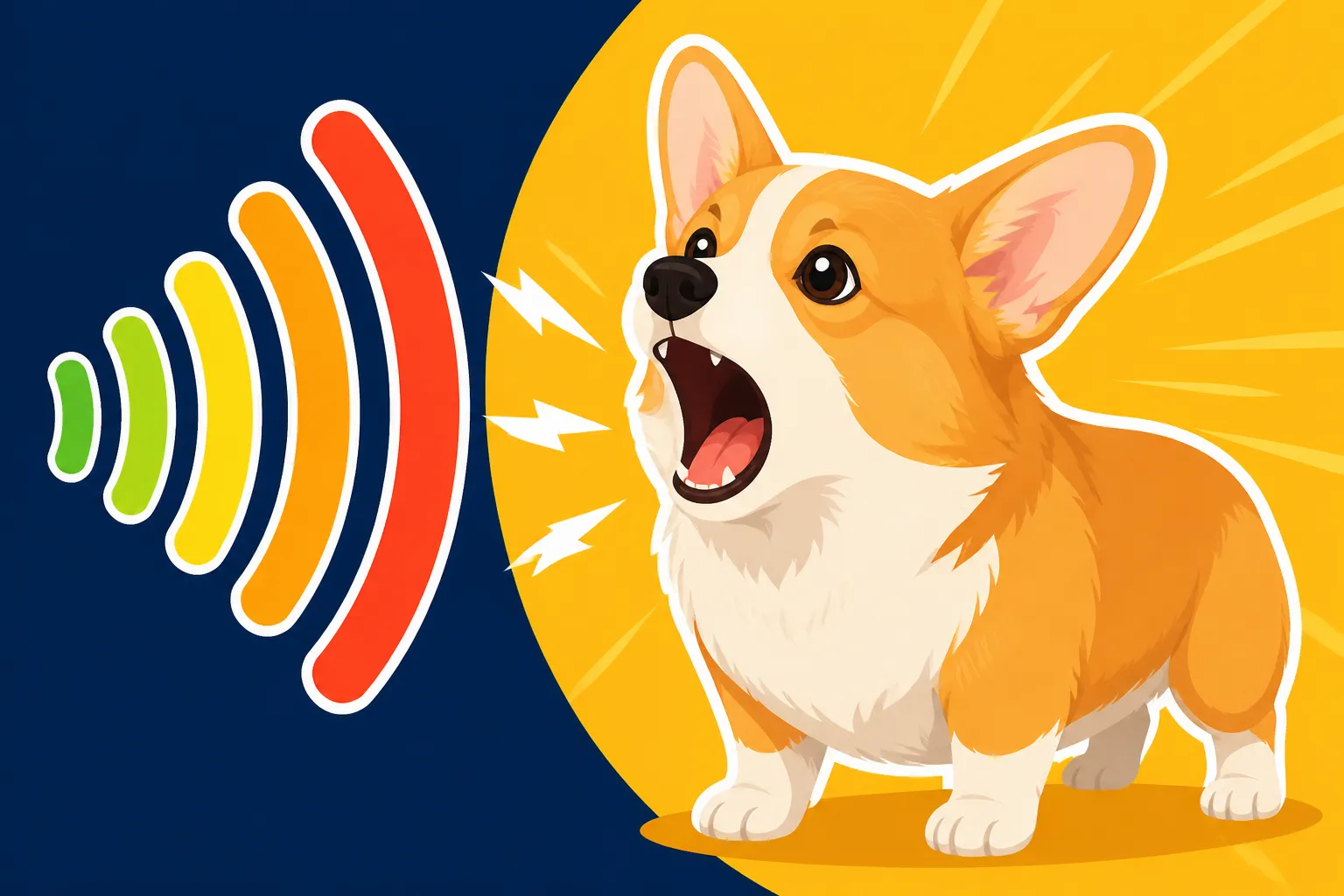
How Loud a Corgi Actually Is
If you've ever had the pleasure of sharing your life with a Corgi, or perhaps just lived within earshot of one, you know that these charming, low-slung dogs come with a surprisingly robust set of pipes. Many Corgi owners grapple with the sheer volume and frequency of their dog's vocalizations, often wondering if their furry friend is simply "broken" or if this level of noise is just part of the Corgi package. This guide is here to shed light on just how loud a Corgi actually is, why they're so vocal, and what practical steps you can take to manage their lively communication.
The Historical Roots of Corgi Vocalization
Before we delve into decibel levels and training techniques, it's really important to understand that a Corgi's tendency to bark isn't some random quirk; it's deeply ingrained in their history and purpose. These aren't lapdogs bred for quiet contemplation; they're working dogs, and their vocalizations were a crucial part of their job for centuries.
Herding Instinct and Communication
Corgis, specifically the Pembroke Welsh Corgi and the Cardigan Welsh Corgi, were bred to herd cattle. Think about that for a moment: small dogs, barely a foot tall, needing to move animals many times their size. They couldn't rely on brute force. Instead, they used quick nips at the heels (hence the famous "Corgi nip") and, yes, their voices. A sharp, insistent bark was a way to get the attention of a cow, direct it, and move it along. It was a primary tool in their herding toolkit, a way to communicate their intentions and maintain control of the herd.
This instinct doesn't just vanish because your Corgi now lives in a suburban home instead of on a Welsh farm. They still have that innate drive to gather and direct, and their voice is a natural extension of that. When your Corgi barks at the mail carrier, the squirrel in the yard, or even your children running across the living room, they are, in a very real sense, attempting to "herd" or manage their environment. It’s their way of saying, "Hey, I see you! Move along!" or "I'm in charge here!" Understanding this deeply rooted purpose can help us approach their barking with more empathy, even when it's driving us a little batty.
Alerting the Farm
Beyond herding, Corgis also served as vigilant farm guardians. On a bustling farm, there are countless sounds and movements that could signal anything from a wandering sheep to an approaching stranger. A Corgi's job was to be the first line of defense, alerting the human inhabitants to anything out of the ordinary. They were, in essence, the original farm alarm system. Their barking wasn't just about moving cattle; it was about protecting their territory and their family.
This historical role means Corgis are naturally observant and quick to vocalize anything they perceive as new, unusual, or a potential threat. That leaf skittering across the driveway? A threat. The neighbor's cat strolling by? Definitely a threat. The doorbell ringing? An invasion! They are programmed to sound the alarm, and they take that job very, very seriously. It’s part of Why Corgis Bark More Than Most and it's why you often hear about A Corgi That Barks at the Window. For us, it might be an annoyance, but for them, it's fulfilling a deeply ingrained duty.
Understanding the Corgi Barking Repertoire
It’s not just one generic bark with a Corgi. Oh no. These clever little dogs have a whole vocabulary of vocalizations, each with its own meaning and often, its own volume. Learning to distinguish these can be the first step in understanding and managing your Corgi's communication.
The Different Types of Corgi Barks
Corgis exhibit a range of barks, from sharp, insistent warnings to excited yips and mournful howls. The "alert" bark is often high-pitched, rapid, and repetitive, signifying that they've spotted something they deem noteworthy or suspicious, whether it's a delivery driver or a butterfly. This is the bark that really gets under your skin when it goes on and on. Then there's the "demand" bark, typically a shorter, more intense series of barks, often accompanied by nudging or staring, when they want food, attention, or to go outside. They're not subtle about their needs!
Another common vocalization is the "play" bark, which tends to be higher pitched and mixed with growls or yips during excited romps. It's often less intense and sounds more joyful. You might also hear a Corgi "talk" with a series of grumbles, groans, and chuffs, especially when they're comfortable and communicating with their family without full-on barking. And for those who've experienced it, the Corgi howl can be a surprisingly soulful, sometimes dramatic, declaration that often signals loneliness or a response to distant sirens or other dog howls. Corgi Barking and How Much Is Normal isn't just about volume, but variety.
| Bark Type | Characteristics | Common Triggers | Owner Interpretation |
|---|---|---|---|
| Alert/Warning | High-pitched, rapid, repetitive, intense | Strangers approaching, doorbell, perceived threats | "Something is here! Pay attention!" |
| Demand | Short, sharp, insistent, often accompanied by cues | Hunger, desire for play, needing to go out, attention | "I want something NOW!" |
| Play | High-pitched, joyful, often mixed with growls | Roughhousing, chasing, meeting other dogs | "Let's have fun!" |
| Loneliness/Attention-Seeking | Prolonged, mournful howl or whimpers, persistent barks | Being left alone, feeling ignored | "Where are you? I need companionship!" |
| Excitement | Short, quick yips, often wiggly body language | Owner coming home, new toy, anticipating a walk | "Hooray! So happy!" |
Factors Influencing Barking Volume and Frequency
The actual volume of a Corgi's bark can vary, but generally, it's quite robust for a dog of its size. They don't have the deep chest resonance of a Great Dane, but their barks carry a surprising amount of punch and can be quite piercing. What makes them seem loud, even if not physically the loudest, is often their persistence and frequency. A Corgi might not bark as deeply as a Mastiff, but if it barks twenty times a minute for twenty minutes straight, it will feel much louder and more disruptive.
Several factors influence how often and how loudly your Corgi barks. Genetics play a role; some Corgis are simply born more predisposed to vocalize. Their environment is another huge factor. A Corgi living in a bustling apartment building with lots of hallway noise might bark more than one in a quiet, rural setting. Boredom and lack of mental stimulation are also major culprits. A Corgi with energy to burn and no job to do will often find an outlet in barking. Fear or anxiety can also trigger excessive vocalization, where barking becomes a coping mechanism for stress. Whether a Corgi Is Too Vocal for Neighbors often depends on these factors.
Managing Corgi Vocalization in a Home Environment
While you can’t completely silence a Corgi (nor would you want to, as barking is a natural form of communication), you can absolutely manage and reduce excessive vocalization. It takes consistency, understanding, and often, a bit of creative problem-solving.
Identifying Triggers and Environmental Adjustments
The first step in managing barking is to become a detective. What exactly triggers your Corgi's barking? Is it people walking past the window? The sound of the mail truck? Other dogs barking down the street? Once you identify the specific triggers, you can start to make environmental adjustments. For instance, if your Corgi is a dedicated window-watcher, consider limiting their access to the window during peak "trigger" times, or using window film or opaque curtains to block their view. Retailers like Amazon offer a wide variety of privacy films that can obscure the view outside while still letting light in.
For external noises, you might try a white noise machine or playing calming music to mask disruptive sounds. Again, a quick search on Amazon will show you many options. If your Corgi barks at noises from within the house, like people moving around or the TV, it might be a sign they feel they need to "police" the activity. Creating a safe, quiet space for them where they can retreat from household commotion can also be beneficial. This might be a cozy crate in a quieter room, away from the hustle and bustle. Remember, a Corgi's keen senses pick up on a lot, so reducing the sensory overload can often lead to a calmer dog.
Training Strategies for Quieter Corgis
Training is paramount, and it needs to be consistent and positive. One of the most effective strategies is to teach your Corgi a "quiet" cue. Start by allowing them to bark a few times at a trigger, then, when they pause even for a second, say your "quiet" cue (e.g., "Quiet!" or "Enough!") and immediately reward them with a high-value treat. The timing here is crucial. The goal is to reward the silence, not the barking. Gradually increase the duration of silence required before the reward. You can find excellent, structured programs for this on platforms like BAXTER & Bella, which offer comprehensive online training resources that cater to various behavioral challenges.
Another key is redirection. When your Corgi starts barking at a trigger, redirect their attention to a more appropriate activity. This could be a puzzle toy, a chew bone, or a short training session practicing tricks like "sit" or "stay." The idea is to break the barking cycle and engage their mind elsewhere. For a breed as intelligent as the Corgi, mental stimulation is often just as important as physical exercise. Interactive toys or regular short training sessions where they learn new commands can significantly reduce boredom barking. Consistent practice of Teaching a Corgi to Stop on Cue will build their understanding of what you expect.
It's also essential to avoid inadvertently rewarding barking. If your Corgi barks for attention and you immediately give it to them (even if it's to tell them to stop), you've just reinforced the behavior. Instead, turn your back, walk away, or wait for a moment of silence before engaging. This teaches them that barking doesn't get them what they want.
Living Peacefully with a Vocal Corgi
Integrating a naturally vocal breed like the Corgi into a harmonious home life is entirely possible, but it requires understanding, commitment, and a long-term perspective. It's not a quick fix, but a journey of consistent effort and adaptation.
The Importance of Consistency and Patience
Managing a Corgi's vocalizations is a marathon, not a sprint. You won't see results overnight, and there will be days when you feel like you're making no progress at all. This is where patience becomes your superpower. Every family member needs to be on board with the training plan and apply the cues and redirections consistently. If one person allows the barking and another tries to correct it, your Corgi will become confused and the behavior will likely persist. Training a Corgi That Makes Its Own Decisions is often harder when the rules aren't clear.
Think about the Corgi's intelligent and sometimes independent nature; they’re not always the most eager to please without a clear incentive, and they can be Why an Independent Corgi Ignores You. Building a strong bond through positive reinforcement and consistent expectations will make them more willing to listen. Remember, your Corgi isn't barking to spite you; they're either acting on instinct, expressing a need, or responding to their environment. Your role is to guide them gently but firmly towards more appropriate ways of communicating. Celebrate the small victories, like a shorter barking spell or a quicker response to your "quiet" cue.
When to Seek Professional Help
Sometimes, despite your best efforts, a Corgi's barking can feel overwhelming or even become destructive to your household peace or neighborly relations. If you're struggling to make progress, or if the barking is accompanied by other concerning behaviors like excessive anxiety, aggression, or self-harm, it's definitely time to seek professional help. A certified professional dog trainer or a veterinary behaviorist can offer tailored strategies and identify underlying issues that might be contributing to the vocalizations. They have the expertise to assess your specific situation and provide guidance that goes beyond general advice.
These professionals can observe your Corgi's behavior in their environment, pinpoint triggers you might have missed, and develop a customized training plan. They can also rule out any medical conditions that might be contributing to increased vocalization. Don't feel ashamed to ask for help; it's a sign of a responsible pet owner who wants the best for their Corgi and their family. Many trainers offer virtual consultations, making it easier to access expert advice, and online resources from reputable sources like BAXTER & Bella can also complement in-person training. Understanding Whether a Trainer Understands a Herding Corgi is key to finding the right help.
Bringing a Corgi into your life means embracing their unique personality, which undeniably includes their vocal prowess. While they may never be the silent type, with patience, consistent training, and a deep understanding of their heritage, you can absolutely live a peaceful and happy life together, filled with much more than just barking.
Disclaimer
This article is for general informational purposes only and does not constitute professional advice. Laws, prices and regulations vary by location and change over time. Consult a qualified professional for guidance on your specific situation.