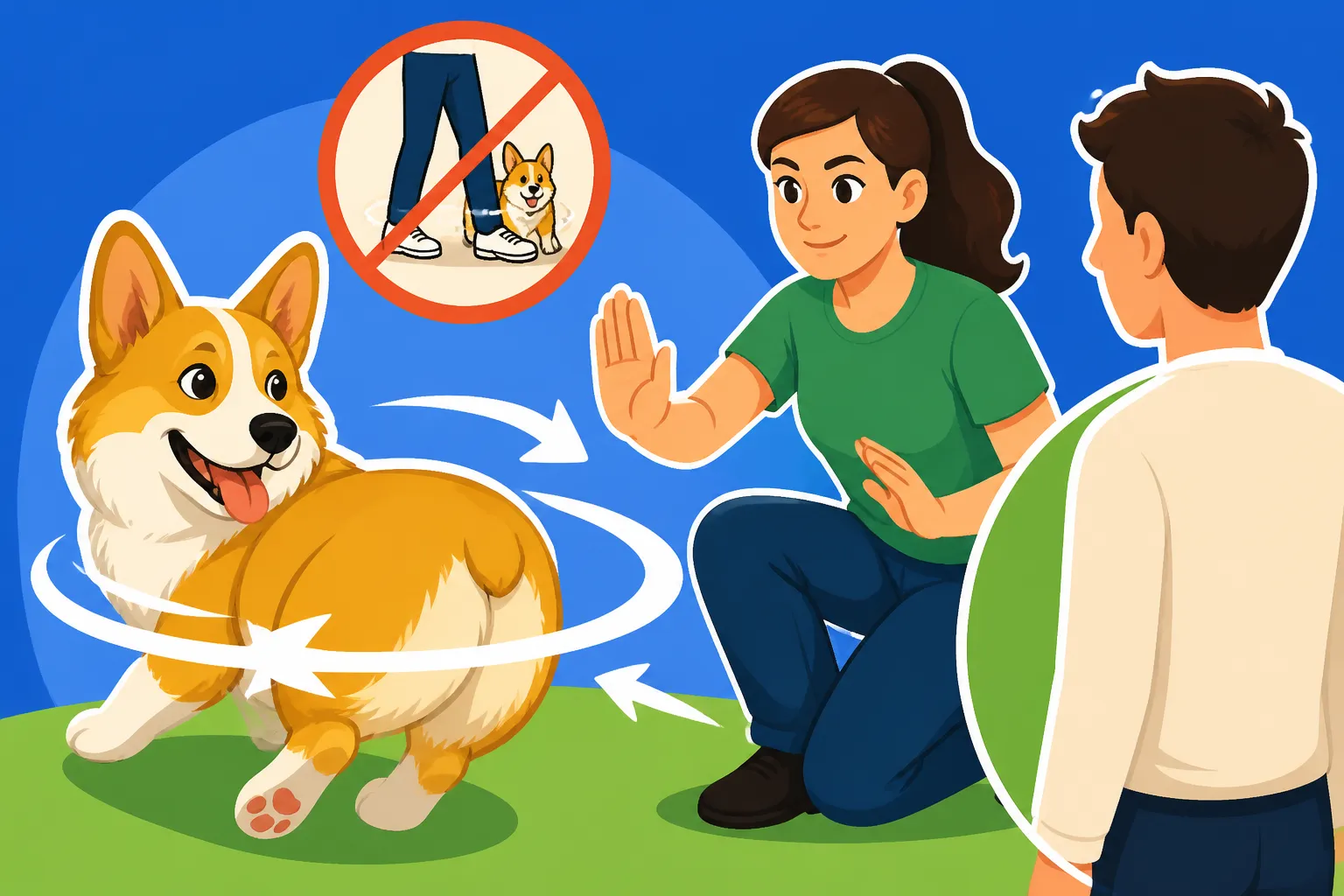
Stopping a Corgi From Circling People
It’s a scene many Corgi owners know all too well: guests arrive, children start running, or even just you moving quickly through the kitchen, and suddenly your beloved Corgi is at your heels, circling, sometimes nipping, trying to gather everyone up. This herding instinct, while a fundamental part of their charm and heritage, can be incredibly frustrating and even a bit painful, leaving you wondering how to manage this deeply ingrained behavior. This guide will walk you through understanding why your Corgi circles people, how to identify its triggers, and most importantly, practical, empathetic strategies to gently redirect and manage this natural instinct, ensuring a calmer, happier home for everyone.
The Herding Heart: Why Corgis Circle People
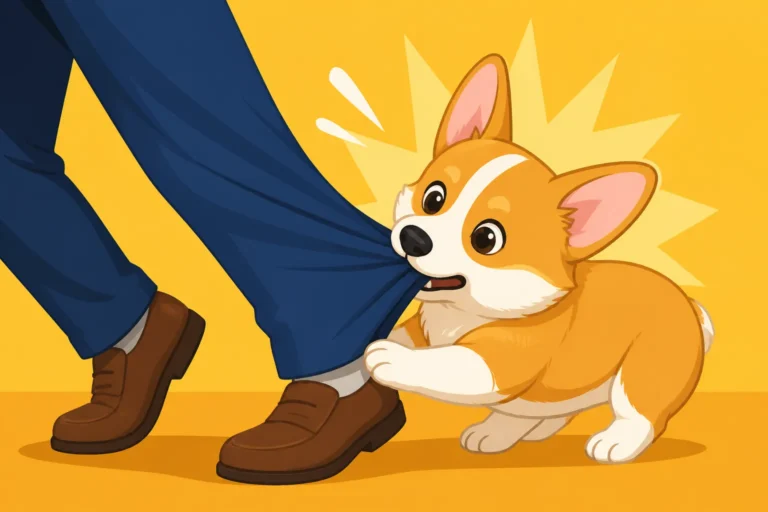
Let's face it, Corgis were bred for a job, and that job was herding cattle. Not just any cattle, mind you, but big, stubborn animals many times their size. To do this, they developed a very specific set of skills: low to the ground to avoid kicks, quick and agile to dart around, and a natural inclination to gather and move things – or in this case, people. When your Corgi is circling your ankles, nipping at your heels, or rounding up your kids, they aren’t being naughty; they're simply trying to do the job they were literally designed for. It’s their genetic blueprint kicking in, an echo of their ancestors working the Welsh countryside.
This isn't a behavior they can just "unlearn" overnight, nor should we expect them to. It's part of who they are, a deep-seated instinct that provides them with purpose and a sense of control. Understanding this historical context helps us approach the problem with patience and empathy. When you know why they do it, it changes how you react. Instead of seeing it as defiance, you start to see it as a misguided attempt to be helpful, or perhaps, just to fulfill an innate need. This powerful drive is also why we sometimes see The Cattle-Driving Nip a Corgi Still Has, a sharp little tug that isn't meant to hurt but certainly gets your attention.
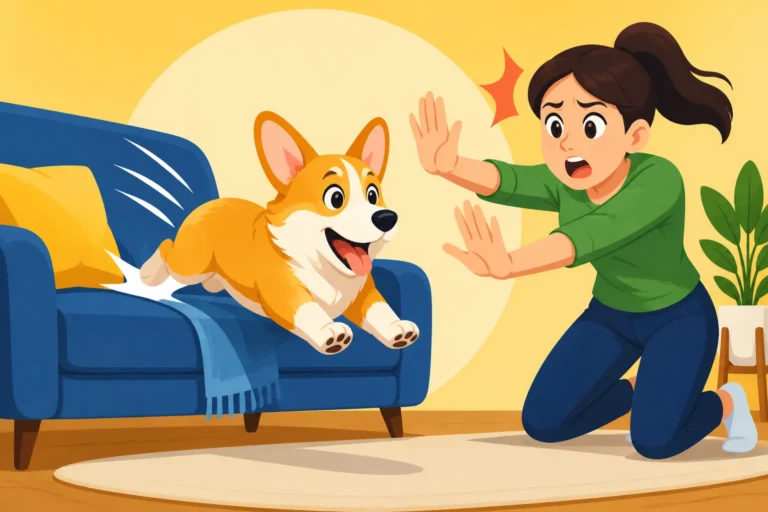
It’s crucial to remember that this isn't personal. Your Corgi isn't trying to annoy you; they're responding to their environment and their internal programming. The fast movements of children, the hustle and bustle of a busy household, or even just someone walking with purpose can trigger this ancient instinct. It’s their way of imposing order on a chaotic (to them) situation.
Identifying the Triggers and Patterns of Circling Behavior
Before you can effectively manage circling behavior, you need to become a detective and figure out what sets your Corgi off. This isn't always obvious because what seems like an innocuous movement to you might be a flashing neon sign to your Corgi that says, "Time to round them up!" Often, the behavior isn't constant; it appears in specific scenarios.
Start keeping a mental note, or even a literal log, of when the circling and nipping occurs. Is it only when children are running and playing? Do they target specific family members or guests? Does it happen most often when you're preparing food, or when you're trying to leave the house? Observing these patterns will give you invaluable insight. For instance, many Corgi owners find their dogs are prone to A Corgi That Nips Running Children, because the fast, erratic movement is a prime trigger for their herding drive.
Consider the environment:
- Movement: Fast walking, running, skipping, or even just quick changes in direction are huge cues. Kids on scooters or skateboards are often irresistible.
- Excitement: High-energy situations, like someone returning home, a new guest arriving, or a game of chase starting, can amp up their herding instincts.
- Attention-Seeking: Sometimes, a Corgi learns that circling and nipping gets a reaction, even if it's a negative one, which can accidentally reinforce the behavior.
- Boredom/Lack of Mental Stimulation: A Corgi with pent-up energy, especially mental energy, is more likely to engage in these instinctual behaviors to self-entertain or find an outlet for their drive. Remember, The Job a Corgi Needs Instead of Herding You might be about channeling that energy into appropriate activities.
Once you start identifying these common scenarios, you can begin to anticipate them. Anticipation is your superpower here, as it allows you to intervene before the circling escalates, giving you a chance to redirect the behavior onto something more appropriate.
Practical Training Strategies to Manage Circling
Now that we understand the 'why' and the 'when,' let's dive into the 'how.' Managing a Corgi's circling instinct is all about consistency, positive reinforcement, and redirection. You're not trying to extinguish their natural drive, but rather teach them appropriate outlets and boundaries.
1. Redirection is Key
One of the most effective ways to manage circling is to redirect your Corgi's energy onto an appropriate "prey" or activity. If they're attempting to herd people, you can interrupt that impulse by offering them something else to focus on.
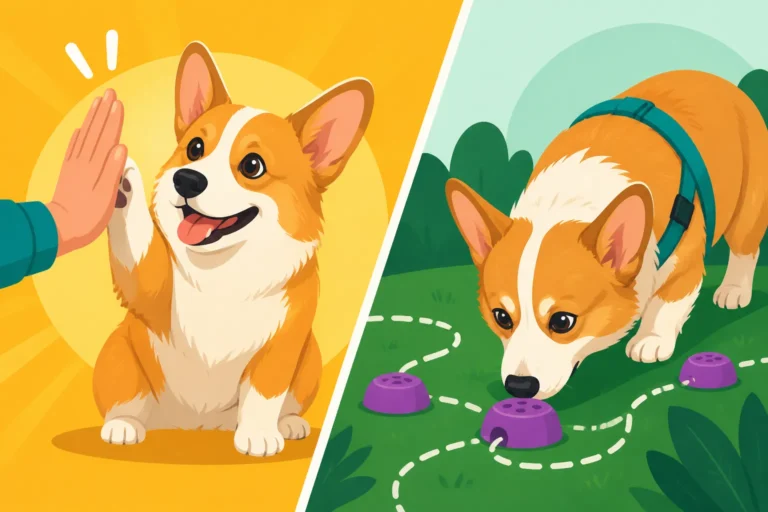
- Toys and Balls: Keep a favorite toy handy. The moment you see the signs of circling starting, or even just an alert stare at someone moving quickly, immediately get their attention with a squeaky toy or a ball. Engage them in a game of fetch or tug. Many Corgis respond well to a rousing game of Teaching a Corgi to Herd a Ball Instead, which satisfies their urge to gather without involving human ankles. Ensure the toys are engaging and safe for their size and bite strength.
- Puzzle Toys and Chews: If you anticipate a high-trigger situation, like guests coming over, have a filled puzzle toy or a long-lasting chew ready. This can occupy their mind and mouth, diverting their attention from the tempting "sheep" (your visitors). You can find a wide variety of these on platforms like Amazon.
- Scent Work or Hide-and-Seek: Engaging their incredible noses can be incredibly mentally stimulating and tiring. Hide treats around the house and encourage them to find them. This uses a different part of their brain and can reduce the urge to herd. Think about Hiding Food Around the House for a Corgi as a low-impact activity.
2. Strategic Management of the Environment
Sometimes, prevention is the best medicine. Managing the environment can significantly reduce opportunities for your Corgi to practice unwanted circling.
- Leashes and Tethers: During high-traffic times or when guests are over, keep your Corgi on a leash. This gives you direct control and allows you to calmly redirect them away from people who might trigger the behavior. A lightweight house leash can be a lifesaver.
- Baby Gates and Pens: If you have areas of your home where circling is particularly problematic (e.g., the kitchen during meal prep, or the entryway when people are coming and going), use baby gates to create boundaries. This protects both your Corgi from practicing the unwanted behavior and your guests from being herded. Ramps and gates that stop a Corgi using stairs can also double as effective room dividers to manage access.
- Designated Safe Spaces: Teach your Corgi to go to a specific "place" (like their bed or crate) when instructed. This provides a calm retreat for them and a break for you. Reinforce this with positive rewards. You can use a resource like BAXTER & Bella for guidance on teaching 'place' command effectively through their online training programs.
3. Basic Obedience as Interruption
A strong foundation in basic obedience commands is invaluable for managing any Corgi behavior. Commands like 'Sit,' 'Stay,' and 'Come' become tools to interrupt the circling impulse.
- "Come" or "Here": Practice a rock-solid recall, especially in distracting environments. If you see them starting to focus on someone in a herding stance, call them to you for a treat or a toy.
- "Sit" or "Down": These commands can immediately break their focus on the moving person. Ask for a sit or down, reward them heavily, and then redirect to an appropriate activity.
- "Leave It": This is excellent for teaching them to ignore the temptation to herd. Practice with enticing objects, then generalize it to people.
- "Walk Nicely" or "Heel": For Corgis that try to herd your ankles during walks, focus on loose-leash walking. If they start to nip or circle, stop moving until they calm down, then resume. This teaches them that calm walking gets them where they want to go. Redirecting a Corgi Off Ankles is a specific challenge that good leash manners can help with.
Here’s a quick overview of management techniques:
| Strategy | Description | Best For |
|---|---|---|
| Redirection | Offering an alternative, appropriate activity (toys, puzzles, scent work). | High-energy Corgis, anticipated triggers, active engagement. |
| Environmental Mgmt | Using physical barriers or tethers to prevent access to triggers. | Guests, children playing, busy household times, preventing bad habits. |
| Obedience Commands | Using verbal cues ('Sit,' 'Stay,' 'Come,' 'Leave It') to interrupt behavior. | Immediate intervention, building self-control, everyday interactions. |
| Mental Stimulation | Engaging their minds with tasks, training, or puzzle toys. | Reducing boredom, channeling energy, proactive prevention. |
Creating a Safe and Predictable Environment for Everyone
Beyond direct training, the overall environment you create for your Corgi plays a huge role in managing their herding tendencies. A Corgi thrives on routine and clear expectations. When they feel secure and know what's expected of them, they're less likely to revert to instinctual behaviors out of confusion or boredom.
1. Consistent Routine and Exercise
Corgis, despite their short legs, are working dogs with surprising stamina and mental drive. They need both physical exercise and mental stimulation daily.
- Adequate Exercise: Regular walks, playtime in a secure yard, or even short bursts of fetch can help burn off physical energy. A tired Corgi is a well-behaved Corgi. However, be mindful of their back. How Much Running Is Safe for a Corgi should always be considered.
- Mental Engagement: Don't underestimate the power of mental work. This can include training sessions (even short, 10-minute bursts as discussed in Short Bursts of Training a Corgi Will Take), puzzle toys, scent games, or learning new tricks. This tires their brain, which is just as important as tiring their body.
- Predictable Schedule: A consistent daily schedule for feeding, potty breaks, walks, and playtime can reduce anxiety and make your Corgi feel more secure, lessening the likelihood of reactive herding.
2. Teaching Children How to Interact
If children are often the target of circling, it’s essential to teach both your Corgi and your children how to interact safely. A Corgi and a Toddler Moving at the Same Height can be a particularly challenging dynamic.
- "Be a Tree": Teach children to stand still and quiet like a tree if a Corgi starts to nip or herd. This removes the "moving prey" aspect and often makes the Corgi lose interest.
- No Running Games: Discourage running games or chase games indoors, especially in smaller spaces where the Corgi is more likely to engage its herding instinct.
- Supervision: Always supervise interactions between Corgis and young children. An adult can intervene immediately to redirect the Corgi or guide the child. For general advice on living with both, consider A Corgi in a House Full of Children and Animals.
3. Early Socialization and Exposure
Exposing your Corgi puppy to a variety of people, sights, and sounds from a young age can help them develop into well-adjusted adults who are less reactive. While you'll still address the herding instinct, a well-socialized Corgi is often more adaptable. For more on their independent nature, you might look into Training a Corgi That Makes Its Own Decisions.
4. Consistency Across the Household
Everyone in the home needs to be on the same page regarding rules and training. If one person allows the circling or inadvertently encourages it, it undermines the efforts of others. Consistent commands, consistent reactions, and consistent redirection are paramount for your Corgi to understand what is expected of them. This is particularly important for behaviors like A Corgi That Grabs Trouser Legs, where everyone needs to respond in the same way.
By integrating these strategies, you'll not only manage the circling behavior but also build a stronger, more trusting relationship with your Corgi, celebrating their unique herding spirit in a way that works for your whole family.
Disclaimer
This article is for general informational purposes only and does not constitute professional advice. Laws, prices and regulations vary by location and change over time. Consult a qualified professional for guidance on your specific situation.