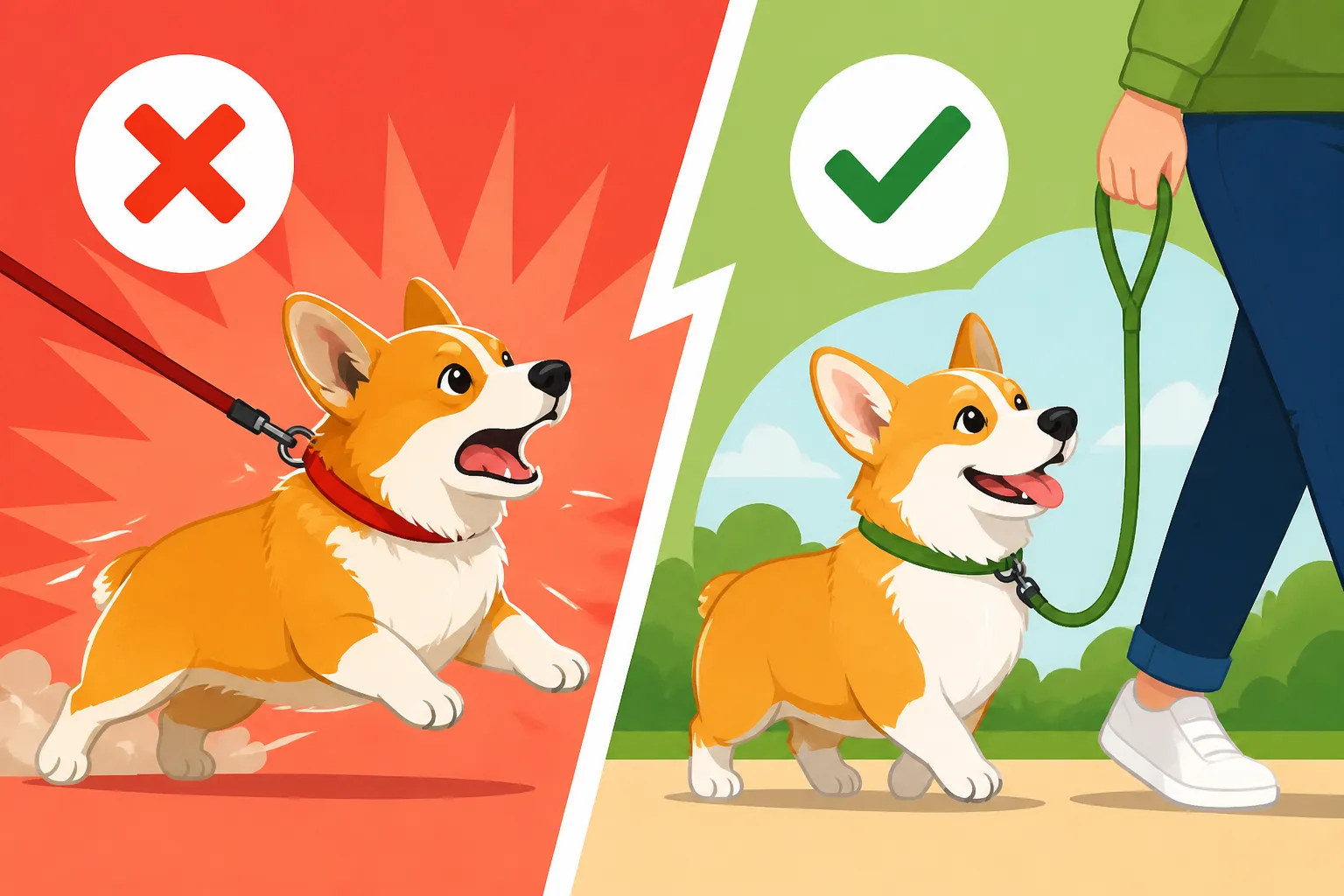
Whether a Corgi Pulls on the Leash
Ah, the daily leash battle with your Corgi! It's a common frustration for so many Corgi parents who often envision a calm, well-behaved companion strolling by their side, only to find themselves being dragged like a kite in a hurricane. Many assume a smaller dog means an easier walk, but Corgis have a unique set of traits that make leash pulling a real challenge, impacting both your enjoyment and their physical well-being. This guide is here to delve into the very heart of why your Corgi feels the urge to pull, the serious implications this habit can have, and, most importantly, provide actionable, empathetic strategies to transform your walks from a tug-of-war into a genuinely pleasant experience for both of you.
Understanding the Corgi's Instinct to Pull
When your sturdy little Corgi suddenly transforms into a miniature sled dog, it's not usually out of spite or a desire to annoy you. It's deeply ingrained in their history and their very nature. These aren't just cute, fluffy loafs; they're working dogs, and their instincts are powerful.
The Herding Drive and Its Manifestations
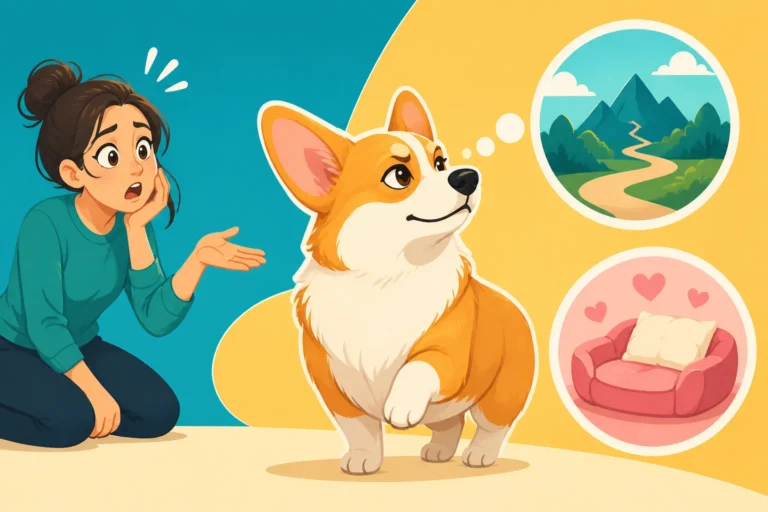
Corgis, whether Pembroke or Cardigan, were originally bred to herd cattle. Imagine a dog, barely a foot high, weaving between the legs of animals many times its size, nipping at their heels to guide them. This required immense confidence, quick decision-making, and a strong drive to move things forward. When they're on a leash, that innate instinct often translates into a desire to "herd" you, or perhaps, to "lead the charge" into the exciting world ahead.
They possess an incredible amount of leverage for their size. Their low center of gravity and powerful front shoulders, combined with that dense, muscular body, give them a surprising amount of pulling power. It’s not graceful, but it’s effective from their perspective. They see something interesting—a squirrel, a new scent, another dog—and their instinct kicks in: go there, now! They don't naturally understand the human concept of a leisurely stroll. For them, movement is purpose, and a tight leash means they are on a mission. This strong will and independent thinking, so valued in a herding dog, can feel like sheer stubbornness on the end of a leash.
The World Is Exciting: Sensory Overload
For a Corgi, the world is an incredibly stimulating place, especially from their perspective just inches off the ground. While you might be looking ahead at the path, your Corgi's nose is constantly bombarded with a symphony of smells that tell complex stories. Every blade of grass, every lamppost, every discarded leaf is a treasure trove of information. Their keen sense of smell, combined with their sharp eyesight for things moving at ground level, makes every walk an irresistible adventure.
Imagine walking into a room filled with your favorite scents and sounds, and someone is holding you back. You'd naturally want to investigate! This sensory overload fuels their desire to forge ahead, to explore every intriguing nook and cranny. They have a deep-seated curiosity and a high intelligence that demands engagement. A walk isn't just about going from point A to point B; it's an opportunity for reconnaissance, for mapping out their territory through scent, and for expending some of that boundless energy. They're not just existing; they're actively processing their environment, and that often means moving forward with determination.
The Realities and Risks of a Pulling Corgi
While a pulling Corgi might seem like a minor annoyance, it carries significant risks, not just for your patience but, more importantly, for your Corgi's delicate physical structure.
Physical Strain on the Corgi's Delicate Spine
This is perhaps the most critical concern for any Corgi owner. Corgis are chondrodystrophic breeds, meaning they have disproportionately short legs and a long back. This distinctive body shape, while undeniably adorable, makes them highly susceptible to spinal issues, particularly Intervertebral Disc Disease (IVDD). Constant pulling on a collar can exert tremendous pressure on their neck and, by extension, their cervical spine. Each yank and pull can jar their entire back, increasing the risk of a slipped or ruptured disc. It's like a repetitive stress injury for their delicate spinal column.
We frequently discuss how vital it is to protect their backs, whether it's avoiding jumping off furniture or carefully lifting them. Adding the stress of leash pulling directly impacts their spinal health. A sudden, strong pull could be the final straw for an already compromised disc, leading to severe pain, neurological deficits, and potentially costly emergency veterinary care. It's a sad truth that something as seemingly innocuous as a standard collar can contribute to devastating spinal problems in a breed already predisposed to them. Learning to differentiate Telling a Corgi's Slipped Disc From Myelopathy or understanding the implications of Disc Disease in a Long-Backed Corgi becomes even more crucial when considering the mechanics of leash pulling.
Owner Frustration and Safety Concerns
Beyond the risks to your Corgi, the constant tugging can make walks a miserable experience for you. What should be a relaxing time to bond and get exercise turns into a strenuous battle of wills. It's frustrating to feel like your small dog is controlling the pace and direction of your walk. This frustration can build up, making you dread walks or even shorten them, which then deprives your Corgi of much-needed physical and mental stimulation.
But it's not just about enjoyment; it's about safety. A Corgi pulling vigorously can easily trip an unsuspecting owner, especially if they weave unexpectedly. In busy urban environments, a sudden lunge could pull the leash from your hand, putting your Corgi in danger of traffic or other dogs. Controlling a pulling Corgi around children, other pets, or in crowded areas becomes a constant challenge. The temptation to use harsh corrections, out of sheer desperation or frustration, can also damage your bond with your dog and potentially worsen their behavior, leading to fear or reactivity. Nobody wants to feel like their beloved companion is a burden on walks, and tackling this issue proactively is key to a happy, safe life together.
Practical Strategies for a Loose-Leash Corgi
The good news is that with the right approach, equipment, and plenty of patience, you can absolutely teach your Corgi to walk politely on a leash. It's a process, but a rewarding one.
Equipment That Makes a Difference
When it comes to equipment for a Corgi, choosing wisely can make a world of difference for their comfort and your control. For Corgis, a traditional neck collar is generally not recommended for walking, especially if they are prone to pulling. As we discussed, the pressure on their neck can directly impact their sensitive spine and trachea. Instead, a harness is your best friend.
Specifically, a front-clip harness is often a game-changer. Unlike back-clip harnesses that can actually encourage pulling (think of a sled dog harness), a front-clip harness has the leash attachment point on the dog's chest. When your Corgi pulls, the leash redirects their momentum sideways, gently turning them back towards you. This makes it physically uncomfortable for them to pull forward with their full force, teaching them that pulling doesn't get them where they want to go. Always ensure the harness fits correctly – snug but not tight, with enough room for movement, and importantly, it shouldn't press on their delicate throat or shoulders. You can find many effective and comfortable front-clip harness options on platforms like Amazon, which offer a wide variety of styles and sizes to ensure a perfect fit for your low-slung companion.
Pair this with a sturdy, standard 6-foot leash made of nylon or leather. Avoid retractable leashes, as they actually encourage pulling by giving the dog a variable amount of slack, teaching them that tension on the leash means they can keep going. A consistent 6-foot leash provides you with better control and teaches your Corgi a clear boundary. Getting a high-quality harness is an investment in your Corgi's health and your peace of mind. For more detailed information, you might want to read Whether a Corgi Should Wear a Harness Not a Collar and Why a Corgi's Harness Should Not Press the Spine.
Training Techniques for Consistent Success
Once you have the right gear, it's time to implement consistent training techniques. Remember, Corgis are intelligent and can be a bit stubborn, so consistency and positive reinforcement are key.
- Start Early: If you have a Corgi puppy, begin loose-leash training as soon as they've had their necessary vaccinations and are comfortable with a harness. Early training sets the foundation and is far easier than correcting ingrained habits. Think about Getting a Corgi Puppy Used to the World and how early exposure includes polite leash manners.
- Positive Reinforcement: Make loose-leash walking the most rewarding activity. Carry high-value treats (small, soft, and irresistible to your Corgi). When your Corgi walks nicely by your side with a loose leash, mark the behavior (a verbal "yes!" or a clicker) and immediately reward them. If the leash is tight, no treat. They need to associate the loose leash with good things.
- The Stop-and-Go Method: This is a classic for a reason. The moment your Corgi pulls and the leash tightens, immediately stop moving. Don't say anything, just become a tree. Wait. The instant the leash slackens (even for a second, when they glance back at you in confusion), praise them enthusiastically, give a treat, and start walking again. Repeat, repeat, repeat. Your Corgi will quickly learn that pulling makes the walk stop, and a loose leash makes it continue.
- Change Direction: Another effective method is to simply change direction every time your Corgi pulls. If they pull left, turn right. If they pull forward, turn around. This keeps them paying attention to you and makes it difficult for them to maintain a consistent pull in one direction. It teaches them that you are the leader and they need to follow where you go.
- Enrichment on Walks: Corgis are scent hounds at heart, and sniffing is incredibly enriching for them. You can incorporate "sniff breaks" into your walk. When the leash is loose, say "Go sniff!" and allow them a moment to explore. This satisfies their natural curiosity without encouraging pulling. Make sure these are intentional breaks, not just allowing them to drag you to every interesting smell.
- Consistency is Paramount: Every member of the household who walks the Corgi must use the same rules and techniques. A Corgi will quickly learn who they can get away with pulling with and will exploit those inconsistencies. This means if you're ever in a hurry, it might be better to do a quick potty break in the yard than risk reinforcing pulling on a rushed walk. If you need a comprehensive online program to guide you and keep you consistent, services like BAXTER & Bella offer structured lessons that can be incredibly helpful for addressing specific behavioral challenges.
Addressing Underlying Energy Needs
Sometimes, a pulling Corgi is simply a Corgi with too much pent-up energy, both physical and mental. They're trying to burn it off all at once on the walk, and that often translates to pulling.
First and foremost, ensure your Corgi is getting adequate exercise beyond just a leash walk. The Forty-Five Minutes a Corgi Needs Daily is a good guideline, but this needs to be quality activity. This doesn't mean just letting them out in the yard alone; it means engaged play, short bursts of running, or even playing fetch in a secure area. A tired Corgi is a much more receptive and calmer student on the leash.
Beyond physical exercise, Corgis thrive on mental stimulation. They are incredibly intelligent, and their herding brains need a "job." Think about The Job a Corgi Needs Instead of Herding You. Puzzle toys, scent work games (like hiding treats around the house), short training sessions focusing on new tricks, or even joining a beginner obedience class can all help satisfy their need for mental engagement. When their minds are tired, their bodies are often calmer. Incorporating these activities before a walk can make a significant difference in their demeanor on the leash. A truly engaged Corgi, one whose mental and physical needs are met, is far less likely to resort to constant pulling out of boredom or excess energy.
Common Pitfalls and Troubleshooting
Even with the best intentions and equipment, training a Corgi to walk politely on a leash can present its own set of challenges. It's easy to get discouraged, but understanding common pitfalls can help you navigate them.
Inconsistency and Lack of Patience
One of the biggest hurdles in loose-leash training with a Corgi (or any dog, really) is human inconsistency. Corgis are intelligent and quickly learn patterns. If 90% of the time you stop when they pull, but 10% of the time you let them get away with it because you're in a hurry or distracted, they learn that pulling sometimes works. That "sometimes" is a powerful reinforcer, and it undoes all your hard work. It's incredibly tempting to just let them pull a little to get to the park faster, or to ignore a slight tug if you're on your phone. But every time you do, you're essentially telling your Corgi, "Okay, pulling works under these circumstances."
This is where patience becomes your superpower. You might have days where it feels like you're taking two steps forward and one step back. You might find yourself stopping every few feet on an entire walk. That's okay! It's part of the learning process. The key is to commit to the training method every single time they are on the leash. If you don't have the time or patience for a proper training walk, opt for a quick potty break in the yard on a short leash, or use a car ride to get to a fenced area for exercise. Never inadvertently reinforce pulling. Your Corgi is smart, and they're always learning, for better or worse, from your actions. This ties into Training a Corgi That Makes Its Own Decisions – they will make their own decisions unless you consistently guide them.
Distractions and Overwhelm
Corgis are highly observant and curious, which means distractions on walks are a major challenge. A squirrel dashing across the path, another dog approaching, or even an interesting trash can scent can send their pulling instincts into overdrive. Trying to train in a highly distracting environment too soon can be overwhelming for both you and your Corgi, leading to frustration and a breakdown in training.
The solution is to train in a progressive manner. Start in a low-distraction environment, like your quiet backyard or a very calm street during off-peak hours. Once your Corgi is consistently walking politely there, gradually introduce more distractions. For example, walk closer to a park, then at a slightly busier time, and eventually, around other dogs or people. During these sessions, keep your Corgi's attention by using extra high-value treats and praise. Play engagement games, like quick "watch me" exercises or sudden changes in direction, to keep them focused on you rather than the environment. If your Corgi becomes overstimulated and starts pulling relentlessly, it's okay to shorten the walk and try again another time in a less stimulating setting. Sometimes, A Corgi That Refuses to Move on a Walk might just be overstimulated or trying to take in too much at once.
When to Seek Professional Help
There are times when despite your best efforts, equipment changes, and consistent training, your Corgi's leash pulling remains an insurmountable challenge. This isn't a reflection on you or your Corgi; sometimes, an outside perspective and expert guidance are exactly what's needed.
If you find yourself stuck, frustrated, or worried about your Corgi's safety or spinal health, don't hesitate to reach out to a certified professional dog trainer or a veterinary behaviorist. These experts can observe your Corgi's specific behaviors, assess your walking dynamics, and identify any subtle triggers or underlying issues that you might be missing. They can offer tailored strategies, provide hands-on demonstrations, and guide you through the process, often with techniques that are specific to a Corgi's unique blend of intelligence and physical build. For example, they might have insights into Whether a Corgi Works for Anything but Food and how to motivate a food-averse Corgi.
Remember, seeking professional help is a sign of responsible pet ownership, not failure. It's about giving your Corgi the best possible chance to learn polite leash manners and ensuring that your walks become the joyful experience they are meant to be. They can also help you implement safety measures, like understanding the best placement of Ramps and Steps That Save a Corgi's Back within your home, which is indirectly related to protecting their spine from the stress of pulling. Your Corgi's long-term health, happiness, and your relationship with them are well worth the investment in expert guidance.
Comparison of Leash Walking Equipment for Corgis
Choosing the right equipment is paramount for a Corgi's comfort and safety, especially given their unique physical structure. Here's a quick comparison to help you decide:
| Equipment Type | Description | Pros for Corgis | Cons for Corgis | Best Use Case |
|---|---|---|---|---|
| Standard Collar | Worn around the neck, attaches leash to a ring. | Simple, holds ID tags, easy to put on/take off. | High risk for neck/spinal injury if pulling, can cause tracheal damage. Often ineffective for pulling. | Primarily for ID tags, short supervised potty breaks. |
| Back-Clip Harness | Leash clips to a ring on the dog's back, usually between shoulder blades. | Distributes pressure away from the neck, generally comfortable. | Can actually encourage pulling, as dogs learn to lean into it. Still allows forward momentum. | For Corgis who already walk well, or when paired with a double-ended leash. |
| Front-Clip Harness | Leash clips to a ring on the dog's chest. | Excellent for redirecting pulling, turns dog back towards owner, reduces strain on spine. | Can tangle legs if poorly fitted, some dogs dislike the chest pressure. | Primary recommendation for Corgis prone to pulling. |
| Head Halter/Gentle Leader | Fits over the snout and behind the ears, like a horse halter. | Offers significant control over the head, can quickly stop pulling. | Many Corgis find it uncomfortable or restrictive, requires desensitization, can rub snout. | For very strong pullers, but use with caution and professional guidance. |
| Retractable Leash | Extends and retracts, allowing variable length. | Allows dog more room to roam (seemingly). | Highly discouraged. Teaches dogs that pulling creates slack, offers poor control, safety hazard. | Almost never recommended for Corgis or any dog. |
This article is for general informational purposes only and does not constitute professional advice. Laws, prices and regulations vary by location and change over time. Consult a qualified professional for guidance on your specific situation.