How Fast a Corgi Puppy Gets Clean
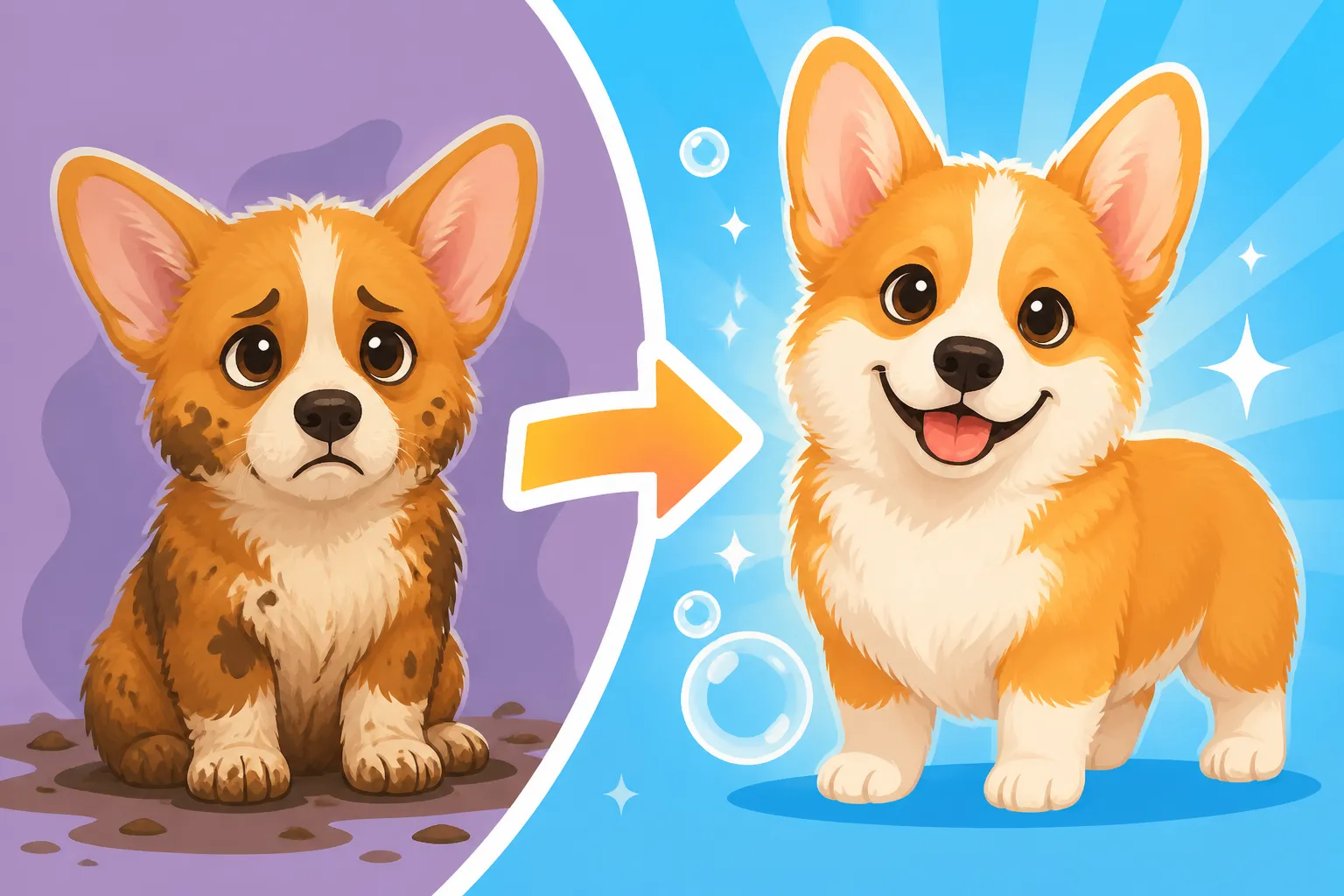
It’s a tale as old as time for new Corgi parents: you’ve brought home that adorable, fluffy potato on legs, and suddenly your perfectly clean floors are decorated with little puddles and piles. The frustration is real when you feel like you’re doing everything right, but your little Corgi puppy just isn't "getting" house training as fast as you hoped. This guide is here to walk you through the realistic timelines for Corgi puppy potty training, the common hurdles you might face, and actionable strategies to get your furry friend reliably clean in the house.
Understanding the Corgi Puppy's Unique Potty Training Journey
Potty training a Corgi puppy isn't always a race to the finish line, and it's certainly not a one-size-fits-all experience. While some pups might pick it up in a flash, others will take their sweet time, testing your patience and your supply of enzymatic cleaner. Understanding why it can sometimes feel like a slow process for our low-riders is the first step to success.
Puppy Bladder Control Development
First off, let's talk biology. A tiny Corgi puppy, especially under 12-16 weeks old, simply doesn't have full bladder control yet. Think of them like human toddlers; they can’t physically hold it for extended periods. Their little bladders are small, and their muscles aren't fully developed to 'clench' and hold waste until an opportune moment. This means that accidents aren't a sign of defiance or a lack of intelligence; they're often just a physical limitation. Expecting a 9-week-old Corgi to hold it for hours is setting both of you up for failure. As they grow, their physical capacity increases, allowing them to hold it longer and connect the dots between the urge to go and the appropriate place to relieve themselves. This developmental aspect is crucial to remember when you're feeling discouraged about repeated accidents indoors.
The Independent Corgi Mindset
Corgis are known for their intelligence and, let's be honest, their stubborn streak. They were bred to be independent thinkers, herding cattle with a mind of their own, and this trait can definitely play into potty training. While some breeds are eager to please and will follow your lead instantly, a Corgi might need a bit more convincing that your way is the best way. They might decide that the comfy rug is just fine for a quick pee, especially if they weren't fully supervised at that exact moment. Their independent nature means you need to be consistent, patient, and persuasive, rather than expecting instant compliance. It's about building a positive association and making the "right" choice the most rewarding one, every single time. Sometimes, you might even feel like your Corgi is playing a game of "catch me if you can" with their bathroom breaks!
Realistic Timelines for Corgi Potty Training
So, how fast can a Corgi puppy get clean? The honest answer is: it varies wildly. There's no magic number of days or weeks. However, we can talk about general expectations and when you might start seeing real progress. It's important to differentiate between a puppy knowing where to go and having the physical ability to hold it consistently.
The First Few Weeks: Learning the Ropes
When you first bring your Corgi puppy home, especially if they are around 8-10 weeks old, they are in the initial learning phase. At this age, you're essentially starting from scratch, teaching them the fundamental concept of "potty outside." In these first few weeks, success means going outside frequently, praising heavily, and minimizing indoor accidents through constant supervision. A good rule of thumb is that a puppy can typically hold its bladder for approximately one hour per month of age, plus one. So, a 2-month-old (8-week) puppy might manage 2-3 hours, but certainly not a full workday.
You'll be taking your Corgi out constantly: first thing in the morning, last thing at night, after every meal, after every nap, after every play session, and every 30-60 minutes in between. During this time, it's not about speed, but about building solid habits. Every successful outdoor potty break is a brick in the foundation of good house training. Don't be discouraged if you're cleaning up multiple accidents a day; this is often normal. Focus on catching them in the act, interrupting them with a clap or a firm "no," and immediately whisking them outside to finish. For comprehensive guidance on setting up this routine, you might find valuable insights in Toilet Training a Corgi Puppy Indoors and Out.
When "Clean" Usually Kicks In (and setbacks)
Many Corgi puppies start to show reliable bladder and bowel control between 4 to 6 months of age, provided a consistent routine has been maintained. By "reliable," I mean significantly fewer accidents, and the ability to hold it for 4-6 hours during the day. However, even at this stage, it's crucial to understand that they aren't fully mature. Growth spurts, new environments, or even just getting overly excited can lead to a regression.
True "cleanliness," where accidents are a rare occurrence and they can hold it for longer stretches (e.g., overnight or while you're at work for a few hours), often takes until 6-8 months, or even up to a year for some individuals. Don't be surprised if your Corgi suddenly has an accident after months of being perfect. This is often just a temporary blip, not a sign that all your hard work has been undone. Staying consistent with your routine and not punishing accidents is key to navigating these setbacks. Remember, a Corgi's personality means they might test boundaries, so continued vigilance is your best friend.
| Age of Corgi Puppy | Typical Bladder Control Duration | Expected Potty Training Progress |
|---|---|---|
| 8-12 Weeks | 1-3 Hours | Learning to go outside; frequent accidents common. |
| 3-4 Months | 3-4 Hours | More consistent outdoor potty breaks; fewer accidents. |
| 5-6 Months | 4-6 Hours | Generally reliable during the day; occasional accidents. |
| 6-12 Months | 6-8+ Hours | Consistently house-trained; accidents are rare. |
Note: These are general guidelines. Every Corgi is an individual!
Strategies to Speed Up the Process
While there's no magic bullet for instant potty training, there are several proven strategies that can significantly accelerate your Corgi puppy's journey to becoming reliably house-trained. Consistency, positive reinforcement, and careful management are your greatest tools.
The Power of a Consistent Schedule
This is hands-down the most critical element in successful potty training. Corgis thrive on routine, and a predictable schedule helps them understand when and where they are expected to eliminate. This means taking your puppy out at the same times every day:
- First thing in the morning (literally, carry them out of the crate and straight outside).
- Last thing before bed.
- After every nap.
- After every meal.
- After vigorous play sessions.
- Every 30-60 minutes during active awake periods for younger puppies.
Always take them to the same designated potty spot in your yard. The familiar scents will encourage them to go. Once they've done their business, praise them enthusiastically with a happy voice and offer a high-value treat. This creates a strong positive association with eliminating in the correct place. A lapse in schedule, even for a day, can set your Corgi back, as they thrive on that predictability. You might find setting reminders on your phone helpful in the early days to keep you on track. When it comes to managing their energy while on a strict schedule, activities like playing with toys that occupy a Corgi can be a lifesaver.
Crate Training as a Potty Training Tool
Crate training isn't just about giving your Corgi a safe den; it's an incredibly effective potty training aid. Dogs instinctively do not like to soil their sleeping area. By providing a properly sized crate – one large enough for them to stand up, turn around, and lie down comfortably, but not so big that they can use one end as a bathroom – you leverage this natural instinct.
When your Corgi puppy is in their crate, they'll typically try to hold it. This helps them develop the muscle control necessary for longer holding times. The moment you let them out of the crate, immediately take them outside to their designated potty spot. If they go, celebrate like they've won the lottery! If they don't, bring them back inside for 10-15 minutes of supervised playtime, then try again. This teaches them that coming out of the crate means going outside to potty. For those looking for structured guidance on integrating crate training into overall puppy education, programs like those from BAXTER & Bella often include detailed sections on this. Setting up a comfortable Crates and Pens for a Corgi Puppy is essential from day one.
Vigilant Supervision and Interrupting Accidents
This might sound like a lot of work, but it's crucial: never leave your Corgi puppy unsupervised in the early stages of potty training. If you can't actively watch them, they should be in their crate or a securely puppy-proofed playpen. An umbilical cord method, where your puppy is attached to you via a leash, can be very effective in ensuring they are always within your sight.
The goal is to prevent accidents from happening indoors as much as possible, because every accident reinforces the idea that it's okay to go inside. If you do catch your Corgi puppy in the act of squatting or peeing inside, make a sudden noise (like a clap or a sharp "ah-ah!") to interrupt them. Do not scare them or yell, just interrupt. Immediately scoop them up and carry them outside to their potty spot. Even if they only finish a tiny bit, praise and reward them heavily. This teaches them that indoor accidents are interrupted, while outdoor potty breaks are celebrated. For cleaning up those inevitable messes, having a good enzymatic cleaner on hand from Amazon is a must; it breaks down the odors that might attract your Corgi back to the same spot. You’ll want to be ready to address situations like A House-Trained Corgi Having Accidents with these methods.
Positive Reinforcement and High-Value Rewards
Corgis are highly food-motivated, which works entirely in your favor for potty training! Every single time your puppy eliminates outside, throw a party. Use enthusiastic verbal praise ("Good potty! Yes!"), give them plenty of gentle petting, and most importantly, offer a truly high-value treat immediately after they finish. This isn't the time for boring kibble; think small pieces of cooked chicken, cheese, or specialty training treats.
The timing of the reward is critical. It needs to happen within seconds of them finishing their business outside so they clearly associate the treat with the act of going in the correct spot. If you wait until you're back inside, the association will be lost. This positive reinforcement makes going outside to potty a highly desirable and rewarding experience for your Corgi, which motivates them to repeat the behavior. Remember, a Corgi will work hard for something they truly value, and food is often at the top of their list!
Common Roadblocks and How to Overcome Them
Even with the best intentions and the most consistent training, Corgi puppies can throw you a curveball during potty training. It's easy to get frustrated, but understanding these common roadblocks can help you tackle them with a clear plan.
Weather Woes and Outdoor Resistance
Let's face it, Corgis are low to the ground. This means a rainy, snowy, or muddy day can be a truly unpleasant experience for them. Many Corgis will balk at stepping out into cold rain or trudging through slush, preferring the warmth and dryness of your living room. You might find your Corgi standing at the door, refusing to venture further than the porch, or doing a quick "fake-out" pee and then dashing back inside.
To combat this, you might need to make going outside more appealing. Consider a small waterproof jacket for rainy days to keep their low belly from getting soaked. Clear a small, sheltered spot in your yard for them to do their business. On snowy days, shovel a path and a small patch down to the dirt. Most importantly, remain patient and persistent. Don't let them off the hook just because of the weather. Stand out there with them, encouraging them, and only come back inside once they've relieved themselves. Keep those high-value treats ready to make braving the elements worth it. Sometimes, even having a good quality outdoor mat right outside the door can reduce the shock of wet grass.
Submissive or Excitement Urination
Some Corgi puppies, particularly when they are very young, might exhibit submissive or excitement urination. This isn't a potty training issue in the traditional sense, but rather an involuntary physical response.
- Submissive urination often happens when a puppy feels intimidated, like when an unfamiliar person leans over them, or they are being scolded. They might roll onto their back and leak a small amount of urine.
- Excitement urination typically occurs when a puppy gets overly excited, such as when you first come home, or during boisterous play. They just can't hold it!
The key to dealing with these is not punishment. Punishment will only make submissive urination worse, as it increases their fear. For both types, the best approach is to manage the environment and your reactions.
For submissive urination: avoid hovering over your Corgi, approach them calmly, crouch down to their level, and let them come to you. Avoid scolding them for accidents entirely, focusing instead on positive reinforcement for appropriate potty breaks.
For excitement urination: keep greetings calm and low-key. When you come home, ignore your Corgi for a few minutes until they've settled, then immediately take them outside before engaging in excited play. Have guests do the same. This helps them learn to manage their excitement without the bladder letting go. In some cases, a Corgi that gets overly excited might also be a puppy A Corgi That Cannot Settle Without You, which can contribute to these issues.
The Older Puppy Regression
Just when you think you've turned a corner and your Corgi puppy is reliably house-trained, they might suddenly start having accidents again, often around 6-10 months of age. This "regression" can be incredibly frustrating. It's often a phase tied to adolescence, where puppies start testing boundaries, becoming more independent, and sometimes "forgetting" their training.
When this happens, the best strategy is to go back to basics. Treat your older puppy like a brand new one again. Re-implement the strict schedule, increase supervision, go back to using the crate more frequently, and be absolutely vigilant with praise and high-value treats for outdoor potty breaks. Rule out any medical reasons with a vet visit, as urinary tract infections can sometimes mimic house training issues. It's a temporary step back to solidify their understanding and remind them of the rules. Persistence is key here; don't give up! It's also a good idea to consider having a robust enzymatic cleaner available on Amazon, as you might need it for a few more unexpected messes. Understanding how to address specific situations, such as Keeping a Corgi Clean After It Loses Control, becomes vital during these times.
Disclaimer
This article is for general informational purposes only and does not constitute professional advice. Laws, prices and regulations vary by location and change over time. Consult a qualified professional for guidance on your specific situation.