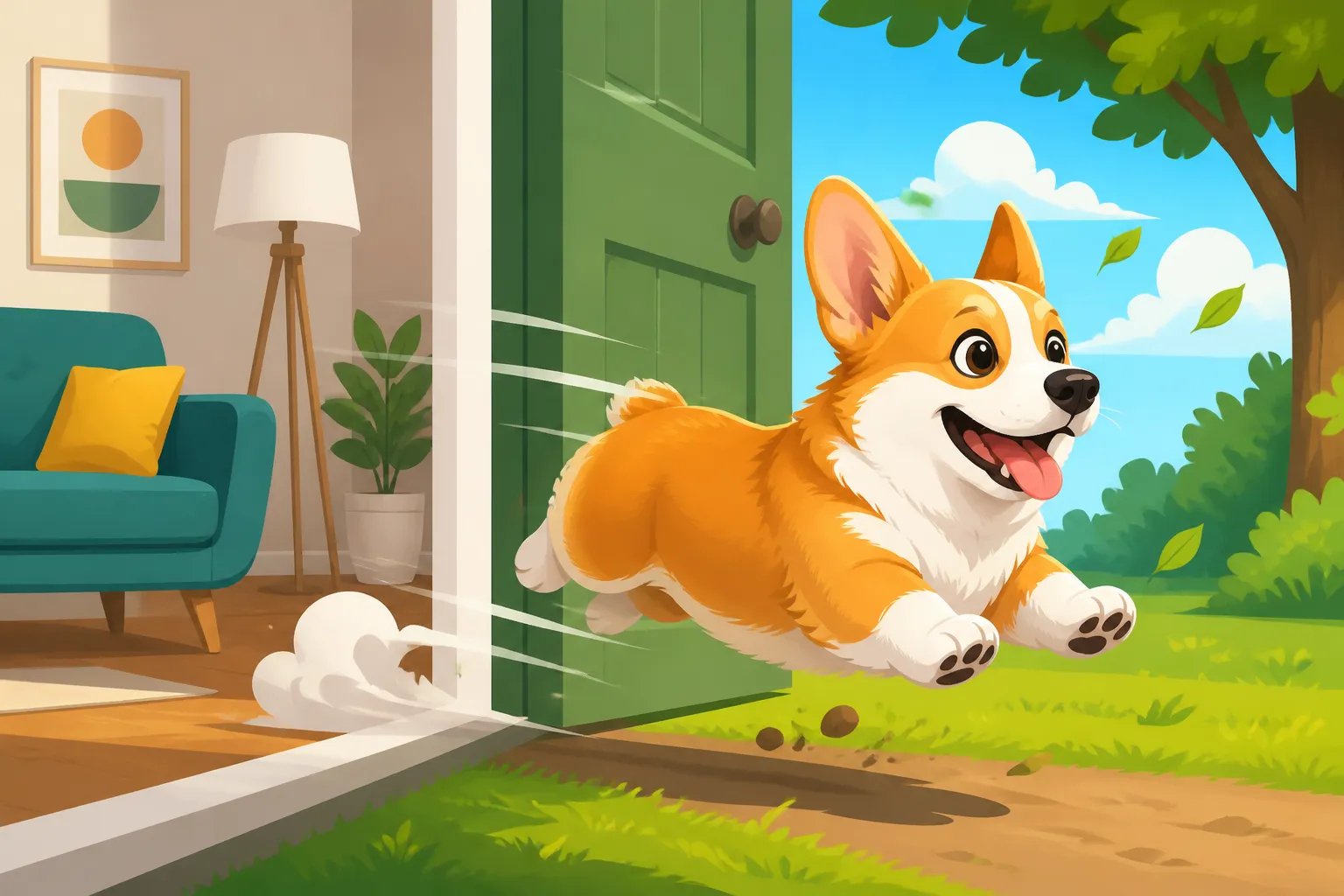
A Corgi That Will Not Settle Indoors
It can be incredibly frustrating when you're just trying to relax at home, and your beloved Corgi simply will not settle down. You're craving a quiet evening, maybe watching a show or reading a book, but your furry friend is pacing, whining, digging at the carpet, or constantly demanding attention. It's enough to make you wonder if your Corgi has a secret battery pack that never runs out. This guide is here to help you understand why your Corgi might be struggling to settle indoors and, more importantly, how you can help them find their inner calm.
Understanding the Corgi Energy Equation
Corgis, with their short legs and long bodies, often get mistaken for sedentary lapdogs. While they certainly excel at being adorable couch companions, it's crucial to remember their heritage. These little powerhouses were bred to herd cattle, a job that required immense intelligence, stamina, and a quick-thinking mind. That historical job description means they're not just dogs looking for a quick stroll; they're working dogs, and that instinctual drive for activity and purpose doesn't just disappear when they step inside your living room.
The Herding Instinct and Its Indoor Manifestations
Imagine a Corgi out in the fields, nipping at the heels of stubborn cows, darting back and forth, using its brain to anticipate movements and guide the herd. That mental and physical engagement is hardwired into them. When that instinct doesn't have an appropriate outlet, it often manifests in less desirable ways indoors. They might start "herding" family members, especially children or other pets, with gentle (or not-so-gentle) nudges or even nips. They might try to control household movements, barking if someone walks into a different room or pushing you to get up and do something. This isn't naughtiness; it's a dog trying to fulfill a deep-seated behavioral need.
Without proper direction, this herding drive can translate into a restless energy that sees them constantly on the move, unable to just be. They might be circling, sniffing every inch of the floor, or trying to instigate play even when you're clearly not available. It's their way of staying "on duty," even if the only "herd" they have is your unsuspecting house cat or the laundry basket. Recognizing this genetic blueprint is the first step toward understanding their restless behavior and tailoring solutions that truly work.
More Than Just Physical Exercise: Mental Stimulation Needs
Many Corgi owners diligently walk their dogs, often for a good 30-60 minutes daily, and then wonder why their Corgi is still bouncing off the walls. The truth is, while physical exercise is vital – and a Corgi absolutely needs its daily dose to stay healthy and happy – it's often not enough on its own. Their brains need a workout too! Think about it: herding isn't just running; it's problem-solving, decision-making, and constant mental engagement.
If your Corgi isn't getting enough mental stimulation, they'll often create their own "work," and that usually involves behaviors we consider disruptive: excessive barking, chewing inappropriate items, or general restlessness. They might paw at you incessantly, bring you toys repeatedly, or just seem generally agitated. Activities like puzzle toys, scent games, or short training sessions can be just as tiring, if not more so, than a long walk, and they satisfy that crucial mental hunger. Neglecting this aspect of their well-being is a common reason why Corgis struggle to settle indoors.
Common Reasons Your Corgi Won't Settle
Once you understand the fundamental needs of a Corgi, you can start to pinpoint specific triggers for their inability to settle down. It's rarely just one thing, but rather a combination of factors that contribute to their restless demeanor.
Insufficient Physical Outlets
Let's face it, life gets busy. Sometimes those walks get cut short, or the weather keeps us indoors more than we'd like. While Corgis aren't endurance athletes, they do require consistent, moderate exercise. A quick potter around the block twice a day simply won't cut it for most. They need opportunities to stretch their legs, sniff new smells, and engage their bodies. The Forty-Five Minutes a Corgi Needs Daily is not just a suggestion; it's a baseline for many.
When their physical energy isn't adequately expended, it builds up, creating a dog that feels antsy and unable to relax. They might pace around the house, shift positions constantly, or start exhibiting destructive behaviors like chewing furniture legs or digging at carpets because they have this pent-up energy with nowhere to go. It's like trying to keep a toddler quiet after they've had a sugary snack and no playtime. Ensuring they get proper, consistent physical activity is foundational to a calm indoor demeanor.
Lack of Mental Engagement and Enrichment
Beyond physical exercise, a Corgi's intelligent mind needs constant engagement. If they're not given appropriate "jobs" or challenges, they'll get bored quickly and look for ways to entertain themselves, which often means being restless and disruptive. A walk where they don't get to sniff or explore, or days spent without any brain games, can lead to a very active mind with nothing to focus on.
This lack of mental enrichment might lead them to become "velcro dogs," constantly following you, nudging for attention, or trying to start games you're not in the mood for. They might bark at every squirrel outside the window or become hyper-vigilant to every sound. Introducing puzzle toys, such as those found on Amazon, where they have to work for their food, or engaging them in scent work activities can make a world of difference. These activities tap into their natural problem-solving abilities and give their minds a much-needed workout. Consider how much a little scent work can calm down even the busiest Corgi; Scentwork as a Sport That Spares a Corgi's Back is a wonderful way to tire them out mentally without putting strain on their unique physical structure.
Anxiety or Stress
Sometimes, restlessness isn't about excess energy but rather underlying anxiety or stress. Corgis are sensitive dogs, and changes in routine, new environments, loud noises, or even subtle tensions within the household can make them feel uneasy. A stressed Corgi might pace, pant excessively, whine, hide, or try to stay glued to your side. They might be unable to settle because their internal alarm system is constantly on high alert.
Separation anxiety is a common culprit here. If your Corgi struggles when you leave, they might spend their time alone pacing, barking, or being destructive, and that agitated state can carry over even when you return. A Corgi That Barks the Whole Time You Are Out can be a sign of this underlying stress. Observing when your Corgi is unsettled—is it only when certain sounds happen? When you're trying to work? When they've been left alone?—can provide clues. Addressing the root cause of the anxiety, perhaps with calming supplements, a consistent routine, or desensitization training, is key.
Insufficient Training and Boundaries
Corgis are smart, but they're also notoriously opinionated and can be quite independent. They often make their own decisions, which, while endearing, can also lead to them deciding when it's time to settle and when it's time to keep you entertained. If they haven't been taught a "place" command or haven't learned to relax on their own, they simply won't know how to do it. Why an Independent Corgi Ignores You highlights their strong will, which requires consistent training.
A lack of clear boundaries can also contribute. If your Corgi gets attention every time they nudge you, whine, or bring a toy, they learn that being restless is a successful strategy for getting what they want. They need to learn that calm behavior is rewarded and that you determine when interaction happens. Consistent positive reinforcement training, like that offered by programs such as BAXTER & Bella, can help establish these boundaries and teach your Corgi how to appropriately ask for attention or simply relax.
Practical Strategies for Promoting Indoor Calm
Helping your Corgi settle indoors isn't about stifling their natural energy; it's about channeling it appropriately and teaching them the skills to self-regulate. It requires consistency, patience, and a multi-faceted approach.
Structured Exercise and Play Routines
The foundation of a calm Corgi is adequate physical exercise. This doesn't just mean throwing a ball in the yard for five minutes. It means structured walks where they get to sniff and explore, off-leash play in a safe, fenced area, or even short bursts of fetch indoors if space allows. Varying their exercise can keep them engaged; Whether Walks Alone Satisfy a Corgi often reveals they need more than just a stroll.
Consider incorporating different types of movement into their day. Maybe one walk is a brisk pace, and another is a "sniffari" where they can take their time investigating every scent. Interactive play with you, using flirt poles or tug toys, can also be a great way to burn energy. The key is consistency. Aim for at least two good exercise sessions a day, ideally separated by a few hours, to help them expend energy before they get antsy indoors.
Engaging Mental Stimulation Activities
As we discussed, a tired mind is often as effective as a tired body in promoting calm. There are so many ways to engage a Corgi's brain without leaving the house!
- Puzzle Feeders: Ditch the plain bowl and make them work for their meals. Slow feeder bowls, snuffle mats, or interactive puzzle toys (many great options are available on Amazon) force them to think and problem-solve. Feeders That Make a Corgi Work for Dinner is an excellent strategy.
- Scent Games: Hide treats around the house and encourage them to find them. This taps into their natural scenting abilities and is incredibly tiring. Hiding Food Around the House for a Corgi is simple to set up and highly rewarding.
- Training Sessions: Short, positive reinforcement training sessions are fantastic. Teach new tricks, refine basic obedience, or work on impulse control exercises. Even 5-10 minutes a few times a day can make a big difference. Think about the command "place" or "bed" to teach them a designated spot for relaxation.
- Chew Toys: Provide appropriate, durable chew toys. Chewing is a natural, calming behavior for dogs and can help relieve stress and boredom. Just make sure they're safe and appropriate for your Corgi's chewing style.
| Activity Type | Description | Benefits |
|---|---|---|
| Puzzle Feeders | Toys or bowls requiring manipulation to release kibble/treats | Mental challenge, slows eating, reduces boredom, self-rewarding |
| Scent Work | Hiding treats or objects for your Corgi to find using their nose | Taps natural instincts, builds confidence, mentally exhausting, low physical impact |
| Obedience/Trick Training | Short, positive sessions to learn new commands or reinforce old ones | Mental engagement, strengthens bond, builds communication, teaches self-control |
| Durable Chew Toys | Long-lasting chews (e.g., Kongs stuffed with treats, Nylabones) | Natural stress relief, redirects inappropriate chewing, satisfies oral fixation |
| Interactive Play | Tug, fetch (in safe indoor space), flirt pole | Physical exertion, builds bond, can be mentally engaging if structured with commands |
Teaching Relaxation Cues and Designated "Chill" Spots
Corgis often need to be taught how to relax, especially if they're naturally high-energy. A "place" or "bed" command is invaluable. This involves teaching your Corgi to go to a specific bed or mat and stay there calmly until released. Start with short durations and gradually increase the time, rewarding heavily for calm behavior. Many online training programs, like those from BAXTER & Bella, offer structured approaches to teaching these vital commands.
Having a dedicated "chill" spot is also important. This could be a comfy dog bed in a quiet corner, a crate covered with a blanket, or a specific mat. Make this spot a positive, calming place for them. Give them a special chew or puzzle toy only when they're in their spot. Over time, they'll associate this area with relaxation and learn to go there on their own when they need to unwind. For dogs who struggle with confinement, finding ways of Keeping a Confined Corgi Occupied can make all the difference.
Managing Environmental Triggers
Sometimes, your Corgi's restlessness is a reaction to their environment. Identify what might be overstimulating them. Is it constant activity outside a window? Loud noises from neighbors? Children constantly running through the house?
- Window Management: If outside activity is a trigger, consider using privacy film on windows, drawing curtains, or even having a dedicated "quiet time" away from windows.
- Sound Desensitization: If specific noises are an issue, you can work on desensitizing them with sound apps or white noise machines.
- Routine and Predictability: Corgis thrive on routine. A predictable schedule for walks, meals, and playtime can significantly reduce anxiety and help them feel more secure, knowing what to expect throughout their day.
- Calming Aids: In some cases, natural calming supplements (always discuss with your vet first) or pheromone diffusers can help take the edge off a chronically anxious or unsettled Corgi.
When to Seek Professional Guidance
While many Corgi owners can make significant progress with consistent effort and the strategies outlined above, there are times when professional help is the best course of action. It's not a sign of failure, but rather a commitment to your Corgi's well-being.
Persistent or Escalating Restlessness
If you've diligently applied the recommended strategies for several weeks or months, and your Corgi's restlessness persists, or worse, seems to be escalating, it's time to bring in the big guns. This is especially true if the behavior is accompanied by other concerning signs such as excessive panting, drooling, destructive chewing even after exercise, self-mutilation (licking or chewing paws raw), or aggression. These could be indicators of deeper behavioral or medical issues that require a professional eye.
A certified professional dog trainer or a veterinary behaviorist can observe your Corgi in their home environment, identify subtle cues you might be missing, and develop a tailored behavior modification plan. They have the expertise to distinguish between simple boredom and more complex issues like severe anxiety or even compulsive disorders. Don't hesitate to reach out if you feel like you've hit a wall; early intervention can prevent these issues from becoming more entrenched and difficult to manage.
Medical Conditions Mimicking Restlessness
It's absolutely vital to rule out any underlying medical conditions before assuming your Corgi's restlessness is purely behavioral. Many health issues can manifest as changes in energy levels, discomfort, or an inability to settle. For instance, pain from arthritis, a slipped disc (a concern for any long-backed breed like a Corgi), thyroid imbalances, or even certain neurological conditions can make a dog uncomfortable and unable to relax. Disc Disease in a Long-Backed Corgi is a very real concern that can cause immense discomfort.
If your Corgi's restlessness is new, sudden, or accompanied by other physical symptoms (like limping, changes in appetite or thirst, lethargy at other times, or vocalizing when moving), a trip to the veterinarian is your first step. Your vet can perform a thorough examination, run diagnostic tests if necessary, and either address any medical issues or give you peace of mind that their behavior is not health-related. Only once medical causes are ruled out can you fully focus on behavioral interventions.
Specific Behavioral Challenges
Some Corgis exhibit specific behavioral challenges that contribute to their inability to settle, and these often benefit greatly from specialized training or behavioral modification. For example, severe separation anxiety, where your Corgi panics when left alone, often requires a structured desensitization protocol that's difficult to implement without professional guidance. Similarly, intense reactivity to sounds or sights, or persistent "shadowing" behavior, can be addressed with expert help.
If your Corgi is constantly engaging in behaviors like A Corgi That Nips Running Children despite your efforts, or consistently struggles with impulse control, a professional trainer can provide the tools and techniques to manage these specific issues. They can teach you how to implement management strategies, counter-condition negative associations, and properly reinforce desired calm behaviors. Remember, seeking help is a sign of a responsible pet owner who wants the very best for their Corgi.
Disclaimer
This article is for general informational purposes only and does not constitute professional advice. Laws, prices and regulations vary by location and change over time. Consult a qualified professional for guidance on your specific situation.