Whether Neutering Quiets a Corgi Down
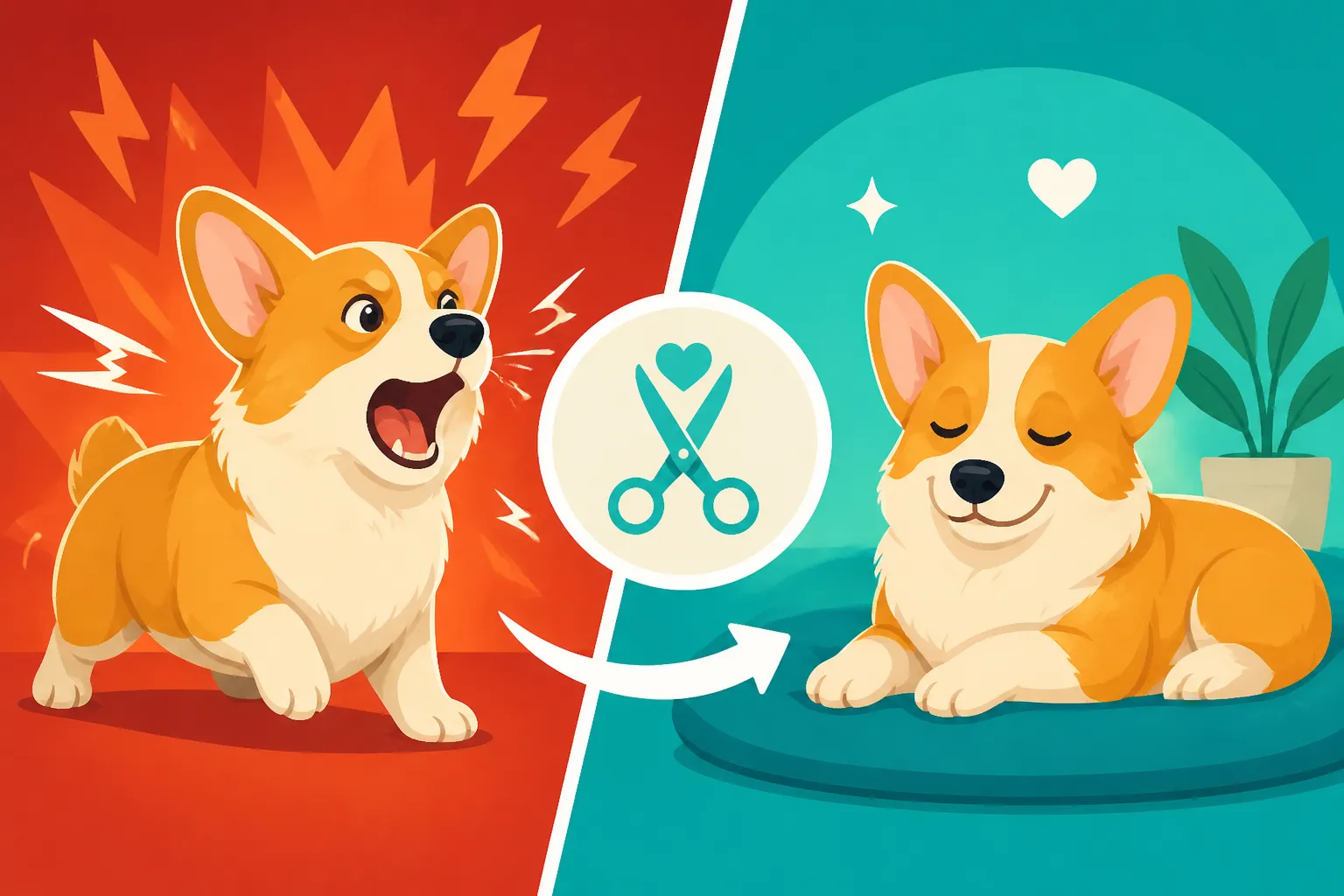
It's a common hope among Corgi parents: "If we just get them neutered, they'll finally calm down." Many of us, myself included, have looked at our little furry tornadoes and wished for a magic wand to dial down the boundless energy, the persistent barking, or the incessant urge to "herd" anything that moves. This guide will explore the truth behind this expectation, shedding light on how neutering might influence a Corgi's behavior, distinguishing between those behaviors rooted in hormones and those that are simply part of being a Corgi.
The Complex Relationship Between Hormones and Corgi Behavior
When you're dealing with a high-energy, vocal, and incredibly intelligent breed like a Corgi, it's easy to wish for a simple solution to any behavioral quirks. Neutering often comes up as a primary candidate, and while it can be incredibly effective for certain issues, it's important to understand that it's not a universal fix. Our Corgis are a blend of instinct, learned behavior, and, yes, hormones. They aren't just robots controlled by their endocrine system, which is why we need to approach the idea of "quieting them down" with a nuanced perspective.
Think of it this way: a Corgi's genetic programming tells them to be alert, to bark at perceived threats (or even exciting leaf movements), and to guide livestock with a determined nip. These are deep-seated traits developed over centuries. Hormones certainly amplify some behaviors, particularly those related to reproduction, but they don't create the entire Corgi personality from scratch. Understanding this distinction is key to setting realistic expectations for what neutering can achieve for your beloved companion.
Hormonal Behaviors vs. Learned Habits
Let's break down what behaviors tend to be heavily influenced by hormones versus those that are more about personality, training, or environment. For male Corgis, intact hormones like testosterone can fuel a strong drive to roam, always sniffing for a potential mate. This might manifest as relentless attempts to escape the yard, obsessive marking of territory (both inside and out), or a heightened tendency for conflict with other intact males. Sexual frustration can also lead to mounting behaviors or general restlessness. For female Corgis, estrogen and progesterone dictate their heat cycles, which come with their own set of challenges, from attracting males to potential behavioral changes due to hormonal shifts, including nesting or phantom pregnancies. Removing these hormones through neutering directly addresses the root cause of these specific behaviors.
However, a Corgi's tendency to bark at the doorbell, chase a cat, or "talk back" when you ask them to do something they don't fancy? These are generally not direct hormonal responses. A Corgi's famous The Cattle-Driving Nip a Corgi Still Has is an instinct, not just a hormonal surge. Their alertness and vocal nature are inherent traits, often reinforced by their environment and how we, as owners, respond to them. If your Corgi barks at every squirrel, that's likely a combination of natural prey drive and a learned response to a stimulus, not solely because they're intact. While hormones might slightly intensify general reactivity, neutering alone won't erase these deeply ingrained or environmentally conditioned habits. For behaviors like barking, you'll find much more success with consistent training and management, which we'll discuss later.
Specific Behavioral Changes You Might (and Might Not) See in a Neutered Corgi
Now that we've set the stage about hormones versus learned behaviors, let's get down to the nitty-gritty of what you can realistically expect after your Corgi is neutered. It's not a magic switch, but it can certainly bring about some welcome changes for many families.
Expected Reductions in Specific Behaviors
For many owners, the most significant and noticeable changes post-neutering are related to the reproductive drives. If your male Corgi has been trying to escape your yard every spring, digging under the fence, or vocalizing mournfully, you’ll likely see a dramatic reduction in this "roaming" behavior. The primal urge to find a mate is a powerful one, and without the hormones driving it, that intensity often dissipates. Similarly, if your Corgi is a prolific marker, both inside your home and on every bush in the neighborhood, neutering can significantly decrease this territorial urine marking. While some dogs might continue to mark out of habit, the frequency and intensity often drop considerably.
Aggression towards other intact males is another area where neutering can make a real difference. Intact males often have a natural inclination to challenge each other, leading to tense situations or even fights at the dog park. Removing testosterone often lowers this competitive edge, making interactions smoother. Similarly, sexual frustration, which can manifest as excessive mounting of people, objects, or other dogs, is usually alleviated once the hormonal drive is removed. And for female Corgis, the stress and mess of heat cycles—along with the constant vigilance required to prevent unwanted pregnancies—are eliminated entirely. This can lead to a more settled female Corgi, free from the hormonal fluctuations that can cause irritability or anxiety during her cycle. For example, if your girl tends to become clingy or even snappy when she's in heat, neutering usually resolves these specific issues.
Behaviors Less Likely to Be Affected by Neutering
While the changes in hormone-driven behaviors can be truly life-altering for some Corgis and their families, it's equally important to understand what neutering generally won't fix. One of the biggest misconceptions is that it will magically calm down a high-energy Corgi. Corgis are inherently energetic, intelligent, and busy little dogs. Their zest for life and desire to be involved in everything isn't going to disappear with a trip to the vet. If your Corgi is still bouncing off the walls, it’s more likely a sign they need more physical exercise or mental stimulation, not that they're still intact.
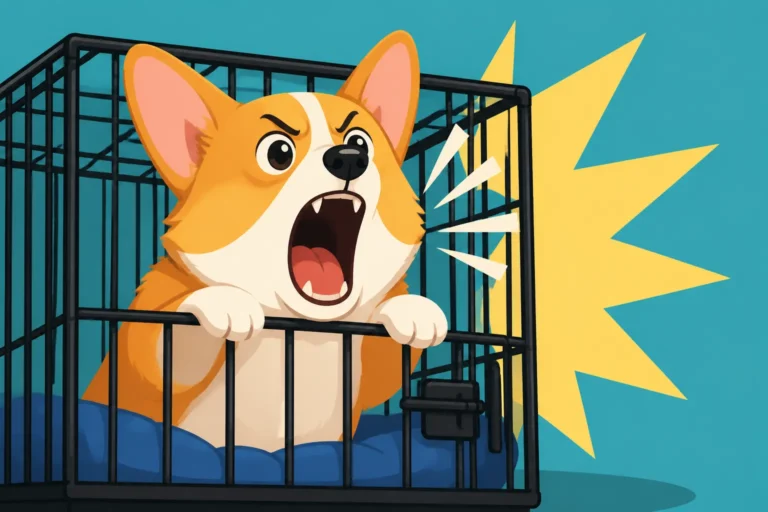
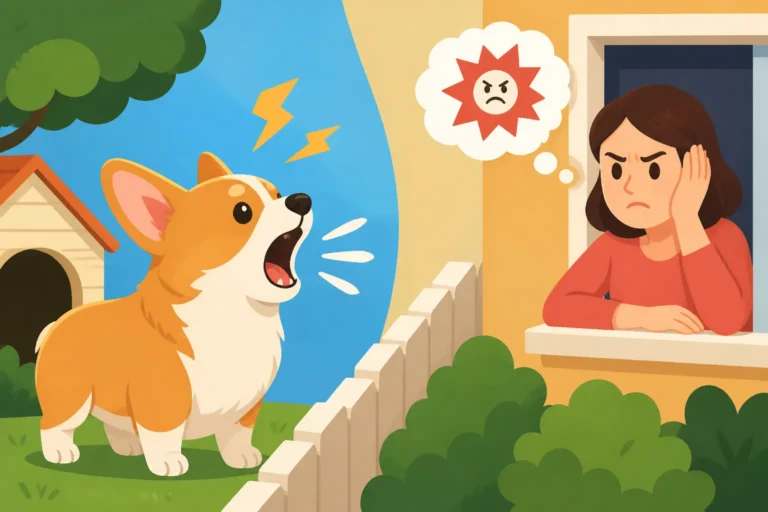
Barking is another behavior often hoped to be reduced by neutering, but it's largely unaffected. Corgis are vocal by nature; it's part of their history as herding dogs that needed to communicate with livestock and farmers. Whether it's alert barking at the mail carrier, excitement barking at playtime, or just "talking" to you, Corgi Barking and How Much Is Normal is a topic best addressed through consistent training, not surgery. Similarly, the innate herding behaviors, like nipping at heels or attempting to gather family members, are instinctual, not hormonal. The Cattle-Driving Nip a Corgi Still Has is part of their breed heritage and requires careful redirection and training to manage. Neutering will not remove this drive.
Furthermore, issues like anxiety, fear, or general stubbornness are typically rooted in temperament, past experiences, genetics, or a lack of consistent training. If your Corgi is fearful of new people or sounds, or if they have that classic Corgi independent streak where they'll decide if your command is worth their effort (you know the look!), neutering won't change these fundamental aspects of their personality. Corgis are known for being clever and making their own decisions, which some might interpret as stubbornness. For more on this, check out Why an Independent Corgi Ignores You. These traits require patience, positive reinforcement, and sometimes professional guidance, not a hormonal adjustment.
The Importance of Timing and Individual Variation
The decision of when to neuter your Corgi can feel like a minefield, with so much conflicting advice out there. And it's true, the timing can play a role in how a Corgi's behavior, and even their physical health, might be affected. There's also the undeniable fact that every Corgi is an individual, bringing their own unique personality to the table.
Age at Neutering and Behavioral Outcomes
When we talk about neutering, the age at which it's done can influence the behavioral changes you might see. If a Corgi is neutered before or very early in puberty, some hormone-driven behaviors might never fully develop. For example, a young male Corgi neutered at six months might never develop the strong drive to roam or aggressively mark territory that an intact male might. This is because the neurological pathways and behavioral patterns associated with these drives haven't had as much time to solidify.
However, if you're neutering an older Corgi who has been exhibiting deeply ingrained behaviors, like years of marking or aggression, the outcome can be different. While the intensity of the hormonal drive will likely decrease, the habit itself might persist to some degree. For instance, an older Corgi who has marked indoors for years might still lift his leg out of habit, even without the hormonal impetus. In these cases, neutering can be a fantastic first step, but it often needs to be paired with consistent behavioral modification and training to fully address the learned component of the behavior. It's like trying to break an old habit in humans; it takes more conscious effort if it's been deeply ingrained.
Beyond behavior, there's also the ongoing discussion about the optimal age for neutering for the overall health of long-backed breeds like Corgis. Some studies suggest that early neutering might impact orthopedic development, particularly with conditions like IVDD (intervertebral disc disease) or hip dysplasia. It's a complex topic with many factors, and I'd highly recommend discussing it thoroughly with your veterinarian. If you want to dive deeper into this specific aspect, you might find Whether Neutering Timing Changes a Corgi's Back helpful.
Individual Temperament and Other Factors
This is perhaps the most critical point: your Corgi is an individual. Neutering isn't a factory reset button for their entire personality. Genetics play a massive role in temperament. Some Corgis are naturally more outgoing, some are more reserved, some are more prone to barking, and others are more laid-back. You know your Corgi's core personality best, and that core isn't going to change drastically after surgery.
Early socialization is another huge factor. A Corgi puppy exposed to a wide variety of sights, sounds, people, and other friendly dogs during their critical developmental window (roughly 3-16 weeks) is more likely to grow into a confident, well-adjusted adult, regardless of their hormonal status. A lack of proper socialization, on the other hand, can lead to fear, anxiety, or reactivity that no amount of neutering will resolve.
Consistency in training and daily enrichment also weigh heavily on a Corgi's behavior. A Corgi who receives regular, positive reinforcement training, understands boundaries, and has appropriate outlets for their intelligence and energy is generally a much "quieter" and more settled dog. In contrast, a Corgi who is bored, under-exercised, or lacks clear guidance might develop undesirable behaviors whether they are intact or not.
Consider this table to help illustrate the likelihood of change for various behaviors post-neutering:
| Behavior Trait | Primarily Hormonal | Primarily Learned/Instinctual | Likelihood of Reduction Post-Neutering |
|---|---|---|---|
| Roaming/Escaping to find mate | Yes | No | High |
| Urine Marking (territorial) | Yes | Some | High to Moderate |
| Aggression (intact male-male) | Yes | Some | High |
| Mounting (sexual frustration) | Yes | Some | High |
| Heat cycle behaviors (females) | Yes | No | Complete Elimination |
| General Energy Level | No | No | Low (minimal impact) |
| Barking (alert, demand, etc.) | No | Yes | Low (minimal impact) |
| Herding/Nipping | No | Yes | Low (minimal impact) |
| Anxiety/Fear | Rarely | Yes | Low (can sometimes worsen if fear-based) |
| Stubbornness/Independence | No | Yes | Low (minimal impact) |
This table helps illustrate that while neutering addresses a specific set of behaviors effectively, it's not a silver bullet for everything that might make a Corgi challenging.
Beyond Neutering: Holistic Approaches to Calming a Corgi
So, if neutering isn't the magic quiet button for every Corgi behavior, what else can we do as responsible and loving Corgi parents? The good news is, there's a whole toolbox of strategies that focus on working with your Corgi's unique personality and drives, rather than just removing a part of them. The key is often a holistic approach that considers their physical, mental, and emotional needs.
Consistent Training and Enrichment
For Corgis, intelligence and an independent spirit are hallmarks of the breed. This means they absolutely thrive on consistent, positive reinforcement training. It's not about being a drill sergeant; it's about clear communication, building a strong bond, and teaching them how to navigate our human world. A Corgi that understands what's expected of them and feels engaged in mental tasks is often a much calmer and "quieter" Corgi.
Think about channeling their innate herding instincts constructively. Instead of letting them try to herd your children or the cat, explore activities like Herding Trials and Instinct Tests for a Corgi, even if it's just for fun with a few ducks or sheep. Or, if herding isn't feasible, consider agility, with careful attention to protecting their long backs. Agility With a Corgi's Back in Mind can be a fantastic physical and mental outlet. Scent work, puzzle toys, and advanced obedience classes are also wonderful ways to engage their clever minds. Even short, daily training sessions of 10-15 minutes can make a huge difference. Programs like those offered by BAXTER & Bella provide excellent structured online training that can help you establish good habits and manage Corgi behaviors from puppyhood through adulthood, regardless of their neuter status. This kind of mental engagement is far more effective at "quieting" a Corgi's busy mind than any surgery. A well-trained Corgi understands their place in the family unit and feels secure, leading to less anxiety-driven behavior. For instance, teaching a "place" command can help them settle calmly in their bed during busy times, rather than constantly seeking attention or barking. The goal is to redirect that clever Corgi brain towards positive, acceptable tasks.
Adequate Exercise and Mental Stimulation
A tired Corgi truly is a good Corgi. But "tired" for a Corgi means more than just a quick trot around the block. These dogs were bred to work, moving cattle for miles. While most pet Corgis don't need to clock ten miles a day, they do need consistent, appropriate physical exercise. This might mean two good walks a day, including off-leash time in a safe, fenced area where they can run and explore (if their recall is solid, of course). Remember, their short legs mean they might exert more energy to cover the same distance as a taller dog.
Equally important is mental stimulation. A Corgi with a bored mind is a Corgi looking for a job, and that job might involve excessive barking, chewing, or other "naughty" behaviors. Incorporate puzzle feeders for meals, scatter their kibble in the yard for a "sniffari," or teach them new tricks. Even simple things like letting them sniff around on a walk for an extra ten minutes (rather than rushing them along) can be mentally enriching. It's not about exhaustion, but about satisfaction. A Corgi whose instincts are met, even in a pet home, will generally be much calmer. Think about how much happier you are after a mentally stimulating day at work compared to a day where you're bored stiff; it's similar for our Corgis. The Job a Corgi Needs Instead of Herding You offers more ideas on constructive outlets.
Environmental Management and Routine
Sometimes, simply managing your Corgi's environment can go a long way in creating a calmer household. If your Corgi barks incessantly at passersby, consider using window film or strategically placed baby gates to block their view of the street. Establish a predictable daily routine for feeding, walks, playtime, and rest. This consistency provides security and can reduce anxiety.
Provide comfortable, designated "safe spaces" for your Corgi, such as a crate or an orthopedic bed in a quiet corner. These are places where they can retreat and feel secure. For Corgis, preventing injuries is also a huge part of good environmental management. Using ramps and gates to prevent jumping on and off furniture or navigating stairs can save their backs and reduce anxious energy associated with precarious movements. You can find many useful gates, ramps, and puzzle toys on Amazon to help manage a Corgi's environment and provide enrichment. For more on creating a safe environment, take a look at Ramps, Gates and Steps for a Corgi House. In some cases, calming supplements or diffusers, after a discussion with your vet, might also offer a gentle nudge towards a more relaxed state. Keeping their nails trimmed to a proper length also contributes to comfort and good posture, which indirectly helps them feel more settled. Long nails can cause discomfort and alter their gait, leading to subtle stress. For a Corgi on restricted activity, such as Six Weeks of Crate Rest With a Corgi, environmental management becomes even more critical to their physical and mental well-being.
Ultimately, while neutering can effectively address hormone-driven behaviors like roaming, marking, or aggression towards other intact dogs, it's not a magic solution for every Corgi quirk. The spirited nature, intelligence, and herding instincts that make Corgis so charming are deeply ingrained and require dedicated effort on your part. A well-adjusted, "quieter" Corgi is usually the result of a thoughtful combination: considering neutering for its specific benefits, alongside consistent positive reinforcement training, providing ample physical and mental enrichment, and creating a safe, predictable home environment. By understanding your Corgi's unique needs and working with their natural predispositions, you can foster a happier, more harmonious relationship with your furry friend.
Disclaimer
This article is for general informational purposes only and does not constitute professional advice. Laws, prices and regulations vary by location and change over time. Consult a qualified professional for guidance on your specific situation.