Herding Trials and Instinct Tests for a Corgi
It's a common sight for Corgi owners: that sudden, intense focus, the low crouch, the determined little trot, and perhaps a subtle nip at the back of your heels or the ankles of an unsuspecting guest. This isn't naughtiness; it's your Corgi's ancient herding instinct bubbling to the surface! Trying to suppress this natural drive can be frustrating for both you and your dog. Fortunately, engaging in herding trials and instinct tests offers a fantastic, breed-appropriate outlet for this intelligence and energy, transforming potential behavioral quirks into impressive skills.
Understanding the Corgi Herding Instinct
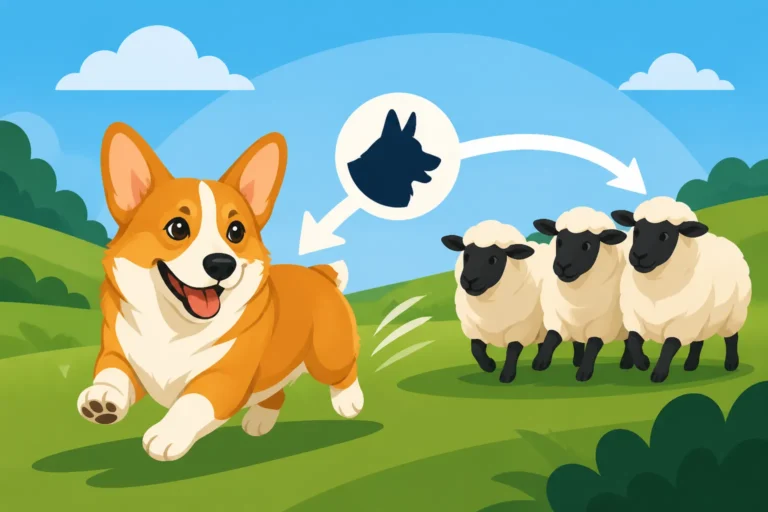
Corgis, both Pembrokes and Cardigans, were originally bred for a very specific job: driving cattle in the fields of Wales. Their short stature wasn't a cute quirk; it was a deliberate evolutionary advantage that allowed them to nip at the heels of stubborn livestock without getting kicked by powerful legs. This history is deeply ingrained in their DNA, and even generations of living as cherished house pets haven't fully erased that primal urge.
The Ancient Droving Roots
Imagine a small, energetic dog, low to the ground, maneuvering around large, imposing cattle. That's the image of the ancestral Corgi at work. They weren't just running around; they were strategically moving the herd, using their quick wits, agility, and distinctive "heel nips" to guide the animals where they needed to go. This job required immense focus, problem-solving skills, and a strong will – traits still very much present in our modern Corgis. They were partners to the drovers, indispensable on the farm. If you've ever wondered about their historical purpose, dive into The Cattle Dog Behind the Corgi for more fascinating details.
Modern Manifestations of the Instinct
Even if your Corgi has never seen a sheep, let alone a cow, you've likely witnessed their herding instincts in action. Many Corgi owners report their dogs "herding" children, other pets, or even houseguests by circling them, nudging them, or occasionally giving a gentle (or not-so-gentle) nip at their ankles. This isn't malice; it's your dog trying to organize its "flock." The enthusiastic barking, the bossy demeanor, and that laser-like focus on movement are all hallmarks of a working dog whose instincts are alive and well. It can certainly be a challenge, and you can read more about how this tendency manifests in The Cattle-Driving Nip a Corgi Still Has.
Why Channeling the Instinct is Crucial
Ignoring or punishing these natural behaviors can lead to frustration for your Corgi and escalate into undesirable habits. A bored Corgi with unchanneled energy and intelligence can become destructive, overly vocal, or develop anxiety. Providing an appropriate outlet, like herding, not only satisfies their genetic blueprint but also offers immense mental and physical stimulation. It gives them a "job" that makes sense to them, strengthening your bond and helping them become more well-adjusted, confident companions. Think of it as giving them a meaningful purpose, rather than trying to stifle who they are.
What is a Herding Instinct Test?
Before you jump into full-blown herding trials, many owners opt for a herding instinct test. This is typically an introductory experience designed to see if your Corgi has the natural drive and desire to work livestock. It's not about skill or training; it's purely about identifying that innate spark.
The Purpose of the Test
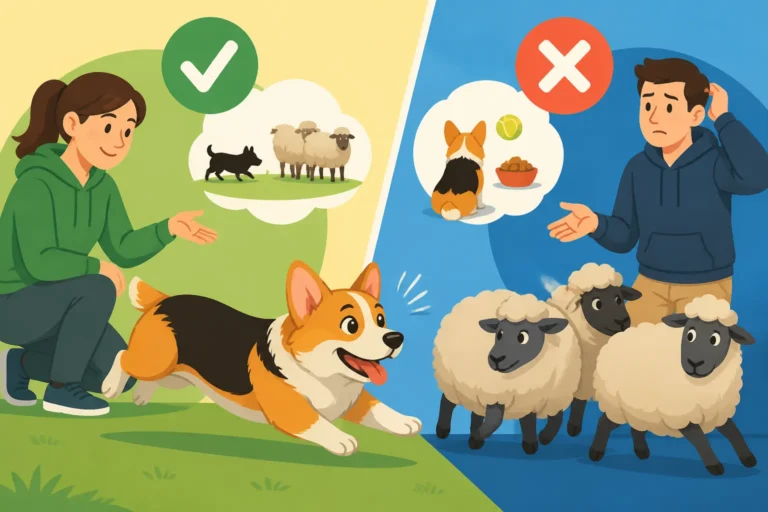
The primary goal of a herding instinct test is to evaluate a dog's natural aptitude for herding. It answers the question: "Does my Corgi want to herd?" Some Corgis, despite their lineage, might have a weaker instinct or simply not be interested, and that's perfectly okay! This test isn't about passing or failing in a competitive sense, but rather about discovering if your dog possesses the fundamental prey drive, confidence, and desire to control livestock. It's often the first step on a herding journey, revealing whether further training would be enjoyable and productive for your dog.
What Happens During the Test
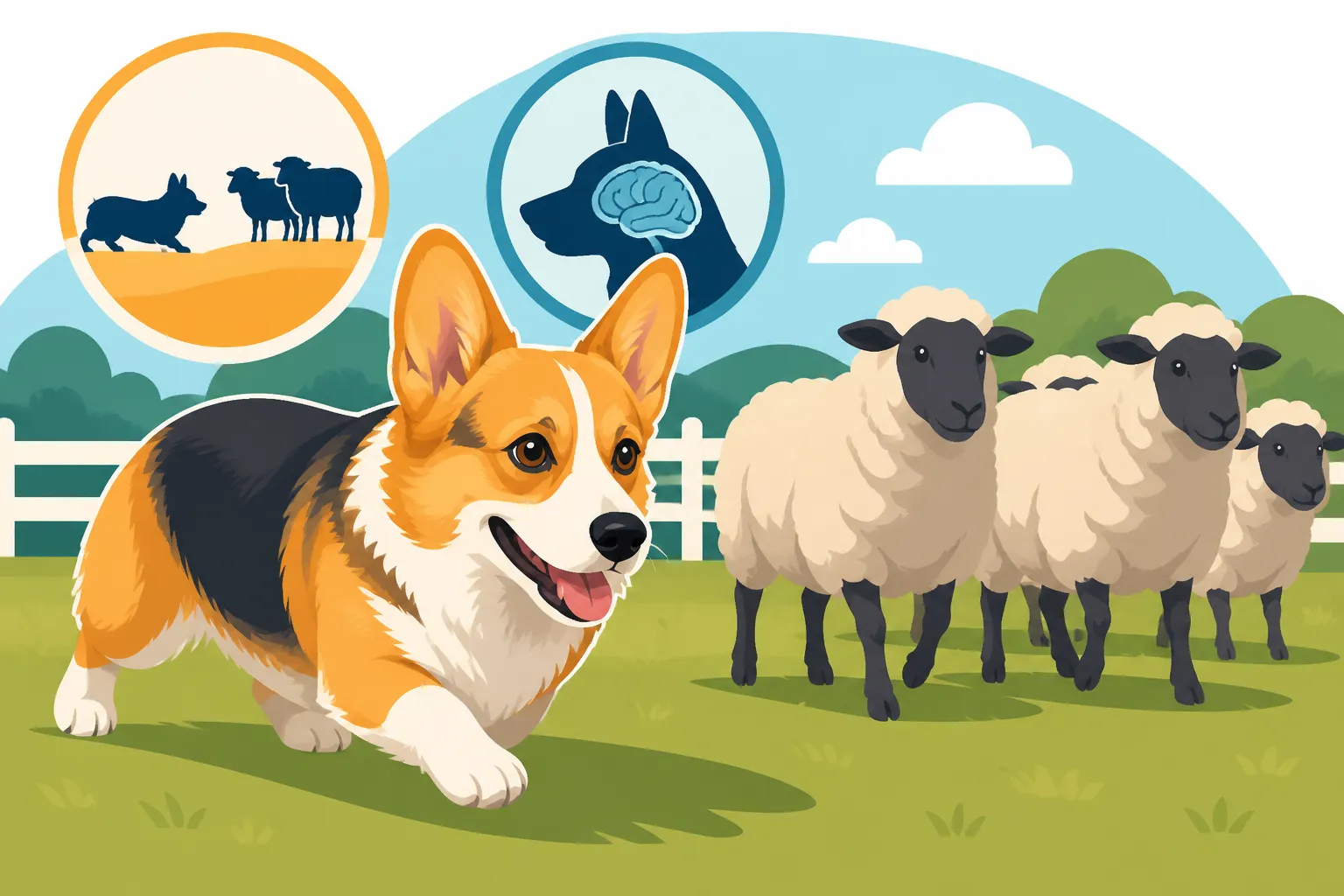
A typical instinct test involves a dog being introduced, usually on a long line, into a small, secure pen with a few docile sheep or ducks. An experienced instructor or judge observes your dog's reactions. Do they show interest? Do they try to move the animals? Do they engage with the livestock in a calm, confident, yet assertive manner? The instructor might offer minimal guidance, but the focus is on the dog's natural response. You'll observe behaviors like circling, eye-stalking, or even a cautious approach. It's fascinating to watch their instincts kick in, sometimes for the very first time.
Interpreting the Results
After the test, the instructor will assess your Corgi's performance. A "pass" generally means your dog demonstrated a clear, workable instinct, showing interest and an attempt to control the stock. A dog that just ignores the animals or is overly fearful might "not pass" for herding, but that doesn't mean they're a "failure" – it just means herding might not be their calling. Many Corgis surprise their owners by immediately understanding their role. If your Corgi shows that strong instinct, the next step is usually to enroll in fundamental herding lessons to develop and refine those raw abilities into controlled behaviors.
Moving Beyond Instinct: Herding Trials Explained
Once your Corgi has demonstrated a strong herding instinct and has had some foundational training, you might consider moving into herding trials. These are competitive events where dogs and handlers work as a team to move livestock through a prescribed course, demonstrating control, communication, and adherence to specific patterns.
Levels of Herding Trials
Herding trials are generally structured into various levels, reflecting increasing difficulty and skill requirements. You'll typically start at a "Started" or "Pre-Trial" level, focusing on basic control, moving a small group of animals, and perhaps navigating a single gate. As dogs and handlers progress, they can advance to "Intermediate" and "Advanced" levels, where courses become more complex, requiring more intricate maneuvering, larger groups of stock, and a higher degree of independence from the dog. Different organizations might offer different types of courses, such as arena trials, boundary trials, or large field trials, and some even specialize in certain types of livestock like sheep, ducks, or cattle.
The Role of the Handler
While the Corgi brings the instinct and drive, the handler brings the strategy and communication. Herding is truly a partnership. The handler learns to give precise commands – known as "flanks" (left and right), "walk up," "lie down," "steady," "bring it," and many others – to guide their dog. This requires immense patience, clear communication, and an understanding of both your dog's body language and the behavior of the livestock. It's not just about telling your dog what to do, but about reading the situation and making split-second decisions together. It truly builds an incredible bond and teaches you to communicate with your Corgi on a whole new level. The Job a Corgi Needs Instead of Herding You is all about finding that perfect activity.
Common Trial Organizations
There are several prominent organizations that sanction and host herding trials, each with its own set of rules, titles, and philosophies. The American Kennel Club (AKC) offers a popular program that awards titles for various levels of herding proficiency. Another respected organization is the Australian Shepherd Club of America (ASCA), which has a strong herding program open to all breeds. The American Herding Breed Association (AHBA) also provides trials with various levels and types of tests. Each organization's approach might differ slightly, so it's worth exploring their websites or talking to experienced handlers to see which aligns best with your goals and your Corgi's style. These clubs often have local chapters that can connect you to resources.
Finding a Herding Facility and Instructor
Embarking on a herding journey with your Corgi requires access to appropriate facilities and, crucially, guidance from experienced instructors. It’s not something you can easily do in your backyard, as it involves specific livestock and a safe, controlled environment.
Locating Local Resources
The best way to find a herding facility is often through word-of-mouth within the Corgi community, or by contacting your local breed club. These clubs are usually excellent resources for finding trainers and facilities that specialize in herding. You can also search online for "herding lessons near me" or "dog training with livestock" in your area. Many facilities might be located in more rural areas, so be prepared for a bit of a drive. Don't be shy about reaching out to national herding organizations; they often maintain lists of certified instructors and trial sites. Attending a local dog show or trial, even as a spectator, can also connect you with people who can point you in the right direction.
Qualities of a Good Instructor
A good herding instructor is absolutely invaluable. Look for someone with extensive experience not just in herding, but specifically with Corgis or other short-legged, intelligent herding breeds. They should understand the unique temperament and physical attributes of a Corgi and be able to tailor training methods accordingly. Positive reinforcement and clear communication are key. An instructor should be patient, encouraging, and able to break down complex tasks into manageable steps for both you and your dog. Don't hesitate to visit a facility, observe a class, and ask questions before committing. Ensuring a comfortable and safe environment for both you and your Corgi, as well as the livestock, is paramount.
Preparing for Your First Session
Once you've found a facility and instructor, there are a few things you can do to prepare for your first herding lesson. Your Corgi should have a solid foundation in basic obedience commands like "sit," "stay," "come," and "down," as these will be crucial for control. A well-fitting, comfortable harness (avoiding pressure on their long backs) and a sturdy leash are essential. Many handlers also use a longer line for initial sessions. It's a good idea to bring water for your dog, shade, and perhaps a crate for downtime. Mentally prepare yourself to be patient and open-minded; herding is a learned skill for both ends of the leash! For generalized advice on introducing your dog to new experiences, consider resources like BAXTER & Bella's online training programs, which focus on foundational skills and confidence-building that can be beneficial before tackling specialized activities like herding. Building a strong bond and clear communication early on, as discussed in Getting a Corgi Puppy Used to the World, will make specialized training much smoother.
Benefits Beyond the Ribbon
While the thrill of competition and earning titles can be incredibly rewarding, the advantages of engaging in herding activities with your Corgi extend far beyond any ribbons or certificates. These benefits touch every aspect of your Corgi's well-being and strengthen the bond you share.
Mental and Physical Stimulation
Corgis are highly intelligent dogs with a surprising amount of stamina for their size. If this energy isn't directed, it can quickly turn into boredom and destructive behaviors. Herding provides an unparalleled combination of mental and physical challenge. Your Corgi is constantly thinking, problem-solving, and responding to your cues, all while engaging in bursts of movement, circling, and chasing. It taps into their natural instincts in a way that a regular walk simply can't. This deep level of engagement leaves them satisfied and tired in the best possible way, often leading to a much calmer and happier dog at home. It truly fulfills their innate drive, offering them The Job a Corgi Needs Instead of Herding You.
Strengthening the Bond
Working together as a team in herding is an incredible bond-builder. You learn to read your Corgi's subtle signals, and they learn to trust your guidance implicitly. The constant communication, the shared focus on a task, and the mutual understanding developed during herding lessons create a deep connection that translates into everyday life. You become more attuned to each other, and your Corgi sees you as a reliable leader and partner in an exciting endeavor. This shared experience fosters a level of companionship that's truly special.
Building Confidence and Focus
For many dogs, especially those who might be a little hesitant or overly boisterous, herding can be a profound confidence booster. They discover their own abilities, learn to navigate new situations, and achieve success. The clear structure and purpose of herding tasks help dogs develop better focus and self-control. This newfound confidence and ability to concentrate can positively impact other areas of their lives, making them more resilient, adaptable, and less prone to anxiety in novel situations. It's amazing to watch a Corgi, initially unsure, blossom into a confident, capable herder.
Considerations for Your Corgi's Back
The Corgi's distinctive long back and short legs are adorable but also necessitate careful consideration when participating in physically demanding activities like herding. Ensuring their spinal health and safety is paramount.
The Corgi's Unique Structure
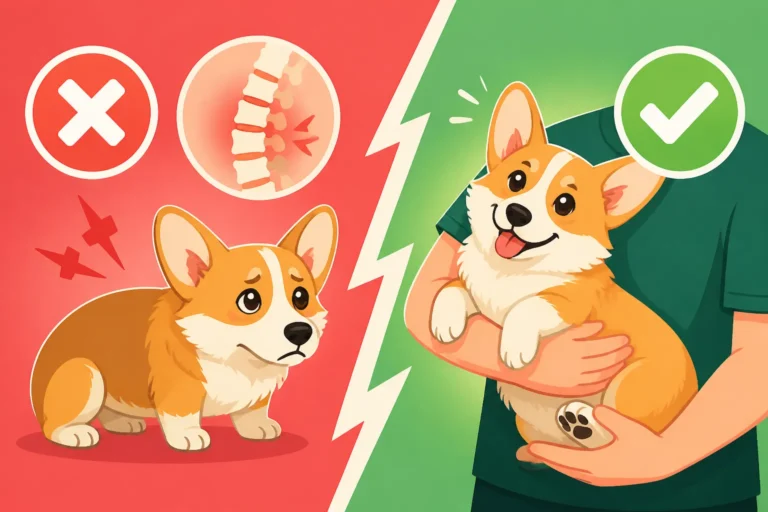
Corgis are a chondrodystrophic breed, meaning they have disproportionately short limbs and an elongated body. This genetic trait, while essential for their original herding job, also makes them predisposed to certain spinal issues, most notably Intervertebral Disc Disease (IVDD). Their discs can degenerate and rupture, causing pain, nerve damage, and potentially paralysis. Understanding What Chondrodystrophy Means for a Corgi is crucial for any owner. Activities involving excessive jumping, twisting, or repetitive high-impact movements can put undue strain on their delicate spines. Always prioritize safety over speed or flashy moves.
Modifying Training for Safety
A good herding instructor will understand the Corgi's physical limitations and adapt training accordingly. This means avoiding high jumps, sharp turns at full speed, or any movements that involve twisting the spine excessively. Most herding activities with Corgis happen at a moderate pace, relying more on their low center of gravity, quick bursts of controlled movement, and strategic positioning rather than sheer speed or acrobatic maneuvers. Ensuring good footing in the arena, perhaps by asking the facility if they offer surfaces with good traction, can also prevent slips and falls. Many Corgi owners find Amazon offers a wide selection of orthopedic beds that can help support their dog's back during rest periods, which are essential after any physical activity.
Monitoring for Signs of Discomfort
It's absolutely vital to be vigilant for any signs of discomfort or pain in your Corgi, especially when engaging in physical activities. Watch for changes in gait, reluctance to move, yelping when lifted or touched, changes in appetite or mood, or any dragging or scuffing of paws. These could be subtle indicators of a spinal issue. If you notice anything concerning, stop the activity immediately and consult your veterinarian. Early detection is key for managing conditions like IVDD. Regularly checking in with your vet and understanding Screening an Older Corgi's Spine can also be beneficial in the long run. If you notice your Corgi is suddenly struggling with their back legs, a visit to a neurologist who knows What a Neurologist Checks in a Corgi is a very good idea. Prompt action can make a big difference, especially if you recognize The First Signs of DM in a Corgi which can sometimes be confused with disc issues initially.
Is Herding Right for Your Corgi?
Deciding whether to pursue herding activities with your Corgi involves weighing various factors, including your dog's personality, your commitment, and access to resources. It's not for every Corgi, and that's perfectly fine!
Assessing Your Corgi's Temperament
While the instinct is strong in the breed, individual Corgis can vary. Some are bold, confident, and eager to work stock, while others might be more reserved or even fearful. Observe your Corgi's natural reactions: do they show interest in movement? Are they generally confident in new environments? Do they have a good "work ethic" when learning new things? A Corgi that is overly shy, easily stressed, or highly reactive might find the initial introduction to livestock overwhelming. It's important to set your dog up for success, and a good instructor will help you gauge their readiness.
Understanding the Commitment Involved
Herding is not a casual hobby. It requires a significant investment of time, effort, and often financial resources. Lessons, travel to facilities, and potential trial fees can add up. Consistent practice and dedication are crucial for both you and your Corgi to progress. However, for many owners, the rewards—the deep bond, the joy of seeing their Corgi thrive, and the development of their dog's natural talents—far outweigh the commitment. Consider if your lifestyle allows for regular training sessions and potentially travel to events.
Alternative Outlets for Herding Instinct
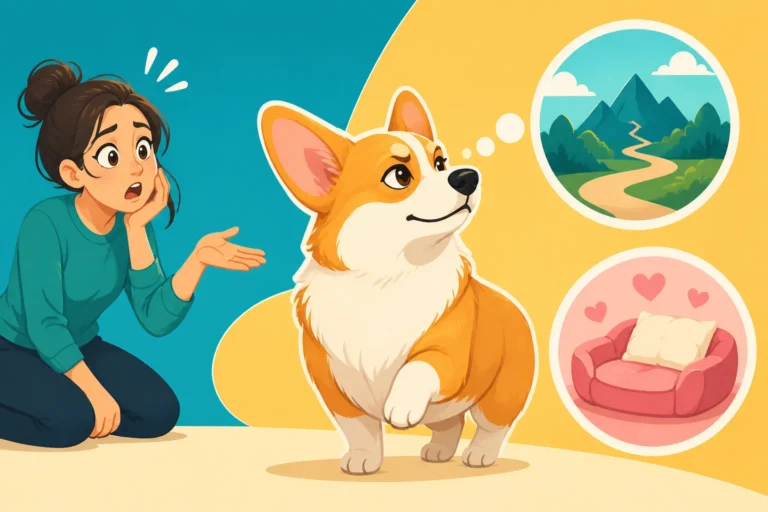
If formal herding isn't feasible or isn't the right fit for your Corgi, don't despair! There are many other ways to channel their intelligence and energy. Activities like scent work, trick training, or even advanced obedience can provide significant mental stimulation. Puzzle toys and interactive feeders can engage their problem-solving skills. Agility, with careful modifications to protect their back (avoiding high jumps and emphasizing flat-work), can also be an option. Remember, the goal is to fulfill their needs, not necessarily to become a champion herder. The critical thing is to give your Corgi a "job" that engages their brilliant mind. Scentwork as a Sport That Spares a Corgi's Back is a great alternative to explore.
| Feature | Herding Instinct Test | Herding Trial |
|---|---|---|
| Purpose | To determine if a dog has natural herding drive. | To demonstrate a dog's trained herding skills and partnership. |
| Focus | Innate desire, confidence with livestock. | Precision, control, handler communication, course navigation. |
| Experience Level | Beginner, no prior training usually required. | Requires foundational training, experience with livestock. |
| Environment | Small, secure pen with a few docile animals. | Larger arena or open field, varied stock, complex course elements. |
| Outcome | Pass/Fail (on instinct), assessment of potential. | Score based on performance against a standard, competitive titles. |
| Commitment | Low, one-time or few introductory sessions. | High, ongoing training, practice, potential travel for events. |
| Physical Demands | Low to moderate, observational. | Moderate to high, active participation from dog and handler. |
Disclaimer
This article is for general informational purposes only and does not constitute professional advice. Laws, prices and regulations vary by location and change over time. Consult a qualified professional for guidance on your specific situation.