Why a Corgi Switches Off After Ten Minutes
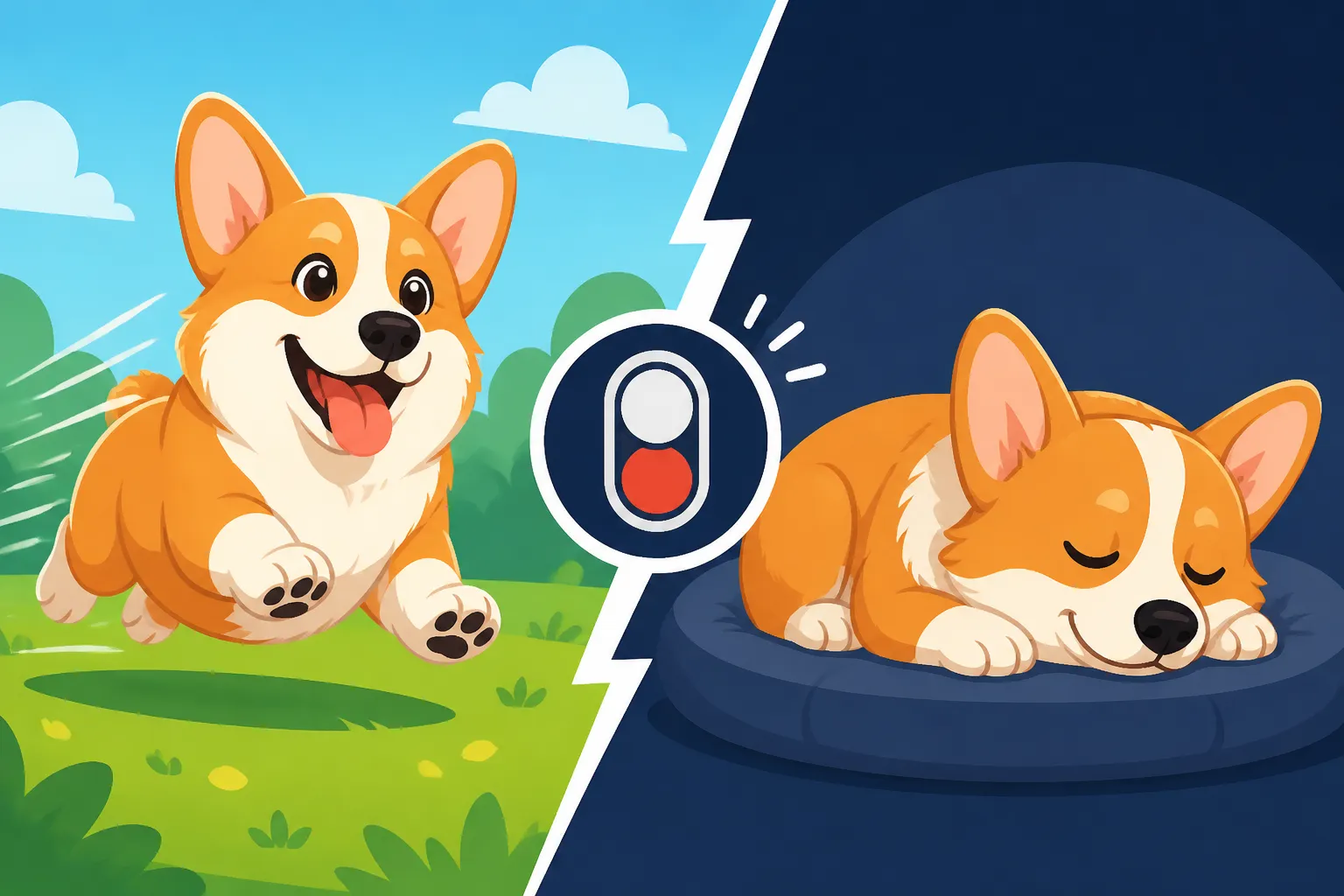
It's a familiar scenario for many Corgi owners: you start a training session with your bright-eyed, bushy-tailed pup, making great progress, and then, as if an invisible switch has been flipped, their focus dissipates entirely, often right around the ten-minute mark. You're left wondering what happened to that intelligent, driven dog you started with. This can be incredibly frustrating, especially when you're trying to teach them crucial manners or fun new tricks. This guide delves into the unique Corgi psyche, explaining why they might "switch off" during training and offering actionable strategies to keep them engaged, eager, and learning.
Understanding the Corgi Mindset: More Than Just a Cute Face
Before we can effectively train our Corgis, we really need to understand what makes them tick. These aren't your average lapdogs; they're working dogs, bred for centuries to drive cattle. That heritage is deeply embedded in their DNA, influencing everything from their physical build to their mental approach to tasks. Their intelligence is undeniable, but it comes with a strong sense of self-preservation and an instinct to prioritize what they deem important.
The Herding Dog's Independent Streak
Corgis, particularly the Pembroke Welsh Corgi, were bred to work independently, nipping at the heels of much larger animals to direct them. They had to think for themselves, often making split-second decisions without constant human direction. This isn't a breed that inherently looks to you for every single command, waiting patiently for instruction. They're problem-solvers, often with their own agenda. If they perceive a task as boring, redundant, or not immediately beneficial, their independent streak kicks in, and they'll happily "clock out." They're not being stubborn to spite you; they're simply reverting to their ancestral programming of making their own choices. This can manifest as a sudden disinterest, a wandering gaze, or even deciding to sniff something far more exciting across the room. It’s part of Why an Independent Corgi Ignores You, and it's something every Corgi owner learns to navigate.
Big Brain, Small Attention Span?
It might seem contradictory – how can a dog be so smart yet have such a short attention span for training? The truth is, Corgis are incredibly intelligent. They can learn quickly, solve complex puzzles, and remember commands with impressive accuracy. However, their intelligence often comes with a need for novelty and stimulation. They get bored easily with rote repetition. Imagine being a brilliant scientist asked to endlessly sort paper clips. You'd probably "switch off" too, no matter how clever you are! Their brains are constantly scanning their environment, looking for new things to herd, new smells to investigate, or new sounds to alert you to. This makes sustained, monotonous training a challenge. It’s not that they can’t focus; it's that their minds are wired to seek out varied and dynamic engagement, reflecting their historical role on the farm.
The "What's In It For Me?" Mentality
This goes hand-in-hand with their independent nature. A Corgi isn't going to work for free. They operate on a clear cost-benefit analysis system. If the reward for performing a task isn't compelling enough, or if the effort required seems too high for the perceived payoff, they will simply disengage. This isn't laziness; it's pragmatism. Their ancestors weren't herding sheep out of altruism; they were working for their keep, their next meal, or the satisfaction of a job well done. You'll quickly discover Whether a Corgi Works for Anything but Food and toys, and usually, food reigns supreme. If your rewards aren't high-value enough – think small, potent, irresistible treats – your Corgi will quickly decide that staring off into space or attempting to herd the cat is a much better use of their valuable time.
Common Training Pitfalls for Corgis
Knowing your Corgi's natural inclinations is the first step. The next is recognizing how our human-centric training methods can often clash with their inherent wiring, leading to that frustrating "switch off." We often approach training with the best intentions, but unknowingly set ourselves up for failure with a Corgi's unique personality.
Overwhelming Them with Lengthy Sessions
One of the most common mistakes owners make is expecting a Corgi to tolerate long training sessions, perhaps 15-20 minutes or more, especially when they're young. For a Corgi, this is like trying to hold a conversation while a dozen different radios are playing nearby. Their minds are constantly processing, and sustained, intense focus is simply not how they're built for an extended period. When you push past their natural attention span, typically 5-10 minutes for an adult Corgi and even less for a puppy, you're not building discipline; you're building frustration. They start to associate training with boredom or being mentally drained, which makes them even less likely to engage next time. Instead, think of Short Bursts of Training a Corgi Will Take as your golden rule.
Repetition Fatigue and Boredom
"Practice makes perfect," right? While repetition is crucial for solidifying commands, endless repetition is the fastest way to bore a Corgi. Once they've got a command down, doing it ten more times in a row will make their eyes glaze over. Their intelligent brains crave new challenges and variations. They'll quickly perceive the exercise as pointless if it offers no new learning or reward. This isn't true for all dogs, but for a Corgi, it's a huge factor. They might perform a "sit" perfectly three times, then on the fourth, they give you a look that clearly says, "Been there, done that, what's next?" This boredom often leads to them inventing their own entertainment, which is rarely what you had in mind for the training session.
Distractions, Distractions Everywhere
Corgis were bred to be vigilant. They're alert, vocal, and constantly aware of their surroundings. This means a training environment full of distractions is a recipe for disaster. A leaf blowing outside, a squirrel on the fence, the sound of a distant car, or even just another family member walking by can instantly derail a Corgi's focus. Their instinct to observe and react to their environment is powerful, and it will almost always win out over a command if the distraction is strong enough. Trying to train in a busy park or a chaotic household too early in their training journey is often futile. They simply cannot filter out the noise and focus on you, leading to that "switched off" appearance.
Strategies for Engaging Your Corgi: Making Training Fun Again
The good news is that with a little understanding and adjustment on our part, we can absolutely keep Corgis engaged and enthusiastic about learning. It's not about making them fit our traditional training mold; it's about tailoring our approach to suit their unique, brilliant, and sometimes sassy personalities.
Keeping Training Sessions Short and Sweet
This is perhaps the most critical adjustment. Instead of aiming for one long session, aim for multiple, very short sessions throughout the day. Think 2-5 minutes, max. You want to stop before your Corgi loses interest, leaving them wanting more. This builds a positive association with training – it's fun, rewarding, and ends before it gets boring. If you can get three or four short bursts of training in a day, you'll accumulate far more effective learning time than one frustrating 20-minute session. These Short Bursts of Training a Corgi Will Take are far more impactful. Use a timer if you need to, and when it goes off, celebrate, give them a jackpot treat, and end on a high note.
Varying Your Training Routine
Combat repetition fatigue by introducing variety. Don't just drill the same "sit, stay, come" sequence every time. Mix it up!
- Location Changes: Train in different rooms, in the yard, or even quietly on a walk.
- New Commands: Once they've mastered a basic, introduce a new one. Even tiny steps count.
- Mix Known and New: Start with a few easy, known commands to build confidence, then introduce one new challenge or variation, and end with another easy win.
- Games, Not Drills: Turn training into games. Hide-and-seek with treats is a fantastic way to practice recall in a fun, engaging manner. Scent work, like finding hidden treats, taps into their natural instincts and is mentally stimulating. Scentwork as a Sport That Spares a Corgi's Back is not only safe but incredibly enriching for them.
- Different Rewards: While food is often king, sometimes a favorite toy, a quick game of tug, or enthusiastic praise can also be a reward.
High-Value Rewards and Motivation
Remember that "what's in it for me?" mentality? You need to make the "what" truly irresistible.
- Treat Hierarchy: Not all treats are created equal. Kibble might work for a quick "sit" when they're hungry, but for more challenging tasks or to maintain focus, you'll need something like small pieces of cheese, cooked chicken, or liver treats. Keep Keeping Treats Inside a Corgi's Ration to avoid weight gain.
- Novelty: Sometimes, a treat they don't get often is even more exciting. Keep a rotating selection of special rewards.
- Timing is Everything: Deliver the reward immediately (within 1-2 seconds) after they perform the desired action. This clear connection is vital for them to understand what they're being rewarded for.
- Clicker Training: Many Corgi owners find a clicker invaluable. The click marks the exact moment your Corgi does something right, followed immediately by a treat. It's a clear, consistent signal that removes ambiguity and helps maintain focus. Whether a Clicker Holds a Corgi's Attention is often a resounding yes for this intelligent breed. You can find excellent clickers and training pouches on platforms like Amazon.
The Power of Play and Scent Work
Corgis are herding dogs, which means they are smart, active, and need a job. If you don't give them a job, they'll invent one – usually herding your feet or barking at the mailman.
- Interactive Play: Incorporate play into training. A quick game of fetch or tug before or after a short training session can act as a great motivator or a reward. This helps fulfill their natural desire for interaction and movement.
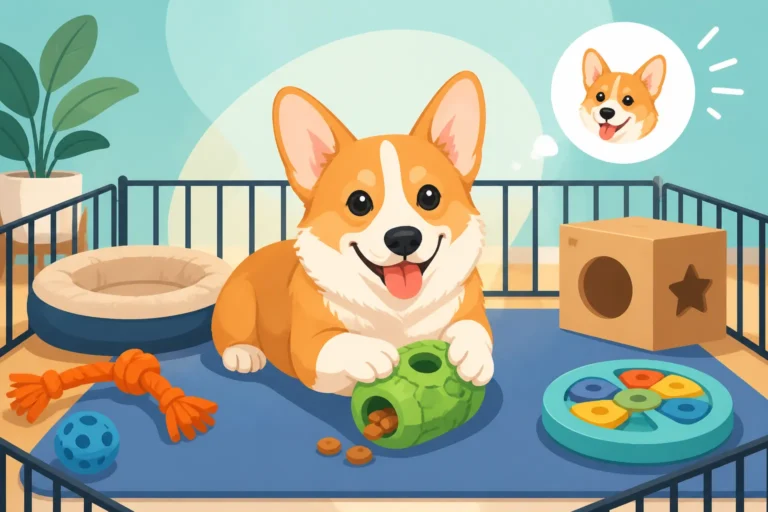
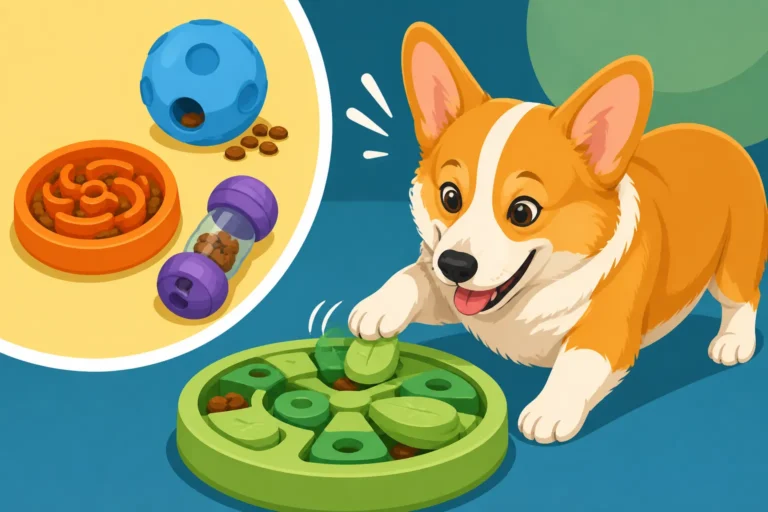
- Puzzle Toys: These are fantastic for mental stimulation and can keep their sharp minds occupied. Brands like Kong and other similar interactive feeders available on Amazon challenge them to work for their food, replicating some of the problem-solving aspects of their ancestral roles. Toys That Occupy a Corgi are essential for preventing boredom and channeling their intelligence constructively.
- Scent Games: Hide treats or even their dinner around the house and let them sniff them out. This engages their powerful sense of smell and provides immense mental enrichment. This can be as simple as hiding kibble under a cup or as complex as a structured "find it" game. It's a low-impact activity that's perfect for when physical exercise needs to be limited or to supplement daily walks.
Building a Stronger Bond Beyond Formal Training
Effective training with a Corgi isn't just about dedicated sessions; it's about integrating learning into your everyday life and building a relationship based on trust, consistency, and clear communication.
Consistency is Key, Even for Short Bursts
While sessions are short, the consistency of those sessions matters immensely. Try to incorporate a few minutes of training into your daily routine. Maybe it's while waiting for your coffee to brew, during commercials, or right before dinner. The more regular, albeit brief, these interactions are, the more your Corgi will understand that training is just a part of life with you, and that it's always fun and rewarding. This regular mental engagement helps prevent A Corgi That Shuts Down When Told Off because they are used to positive, short interactions. Remember, The Forty-Five Minutes a Corgi Needs Daily doesn't have to be one long, strenuous walk; it can be broken up into mental and physical activities.
Making Every Interaction a Learning Opportunity
Beyond formal training, every interaction is a chance to reinforce good behavior.
- Life Rewards: Ask for a "sit" before putting down their food bowl or before opening the door for a walk. This teaches them that polite behavior earns them things they want.
- Clear Communication: Use consistent verbal cues and hand signals. Corgis are adept at picking up on subtle body language, so be mindful of yours.
- Positive Reinforcement Always: Avoid punishment or harsh corrections. A Corgi's sensitive nature can lead them to shut down or become wary if training is negative. Keep it upbeat and positive, focusing on rewarding what you want them to do. This strengthens your bond and makes them eager to please.
- Desensitization: Gradually expose them to minor distractions during very short training bursts. Start in a quiet room, then move to a slightly busier one, then perhaps near an open window. This slowly builds their ability to focus in different environments.
Professional Guidance When You Hit a Wall
Sometimes, even with all the best intentions and strategies, you might find yourself struggling. Perhaps your Corgi has developed a particular habit, or you're just feeling overwhelmed. Don't hesitate to seek professional help.
- Certified Trainers: A certified professional dog trainer, especially one experienced with independent, intelligent breeds like Corgis, can offer invaluable personalized advice and techniques. They can observe your interactions and pinpoint specific areas for improvement. Whether a Trainer Understands a Herding Corgi is a crucial question to ask when selecting one.
- Online Resources: Online training platforms can also be a fantastic resource. Services like BAXTER & Bella offer comprehensive online training programs that you can follow at your own pace, often with video tutorials and support. These can be particularly helpful for understanding the nuances of Corgi behavior and learning new techniques.
- Behavioral Consultations: For more complex behavioral issues, a veterinary behaviorist might be necessary. They can assess underlying medical or behavioral causes for extreme disengagement or other challenges.
Here's a quick comparison of effective and less effective approaches when training your Corgi:
| Training Approach | Less Effective for Corgis | More Effective for Corgis |
|---|---|---|
| Session Length | 15-20 minutes or longer, once a day | Multiple 2-5 minute bursts throughout the day |
| Repetition | Drilling the same command many times in a row | Varying commands, mixing known with new, turning into games |
| Motivation/Rewards | Low-value treats (kibble), inconsistent rewards | High-value, novel treats; immediate and enthusiastic delivery |
| Environment | Highly distracting areas (busy park, chaotic home) | Quiet, controlled environment initially; gradual introduction of distractions |
| Engagement Strategy | Monotonous commands, forced compliance | Interactive games, scent work, puzzle toys, positive reinforcement |
| Communication | Inconsistent cues, verbal corrections | Clear, consistent verbal/hand cues, clicker training |
| Overall Philosophy | Expecting them to conform to traditional methods | Adapting methods to suit their intelligent, independent nature |
By understanding your Corgi's innate drives and adjusting your training methods to work with their personality rather than against it, you'll find that those "off" switches become far less frequent. You'll foster a stronger bond and have a Corgi who is not just well-behaved but truly enjoys learning with you.
Disclaimer
This article is for general informational purposes only and does not constitute professional advice. Laws, prices and regulations vary by location and change over time. Consult a qualified professional for guidance on your specific situation.