Whether a Corgi Should Have a Visible Tuck
It's a common dilemma for Corgi owners: you look at your adorable, low-riding companion, and sometimes it's hard to tell if their round little body is just naturally stout or if they're carrying a few too many pounds. Their unique physique can really obscure the subtle signs of weight gain, making it incredibly frustrating to gauge their ideal shape. This guide is here to help you understand what a healthy Corgi physique looks like, focusing on the often-overlooked "tuck," and how to maintain it for your furry friend's long-term health and happiness.
Understanding the Corgi Physique and Why "Tuck" Matters
Corgis are built like little tanks, aren't they? Short legs, long bodies, and often a glorious, thick double coat. This charming combination, while part of their appeal, can also be a master of disguise when it comes to their body condition. It’s easy to assume their inherent roundness is normal, but beneath that fluffy exterior, we need to pay attention to crucial indicators of health, like the abdominal tuck.
What is a "Tuck" in Canine Anatomy?
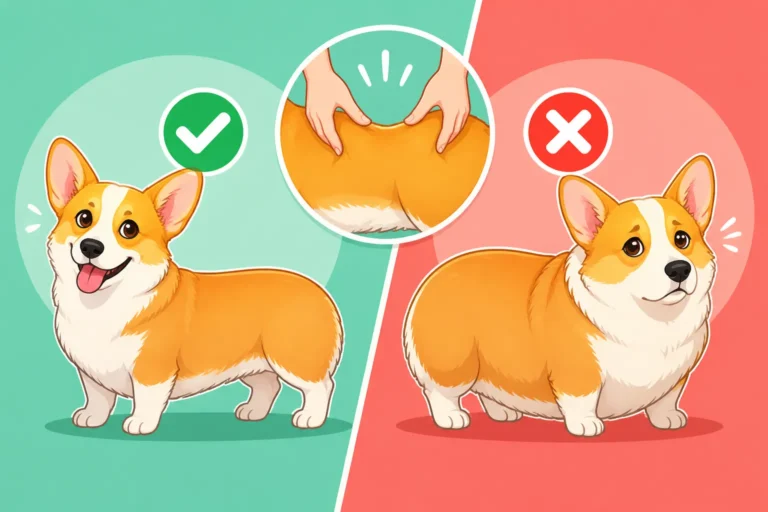
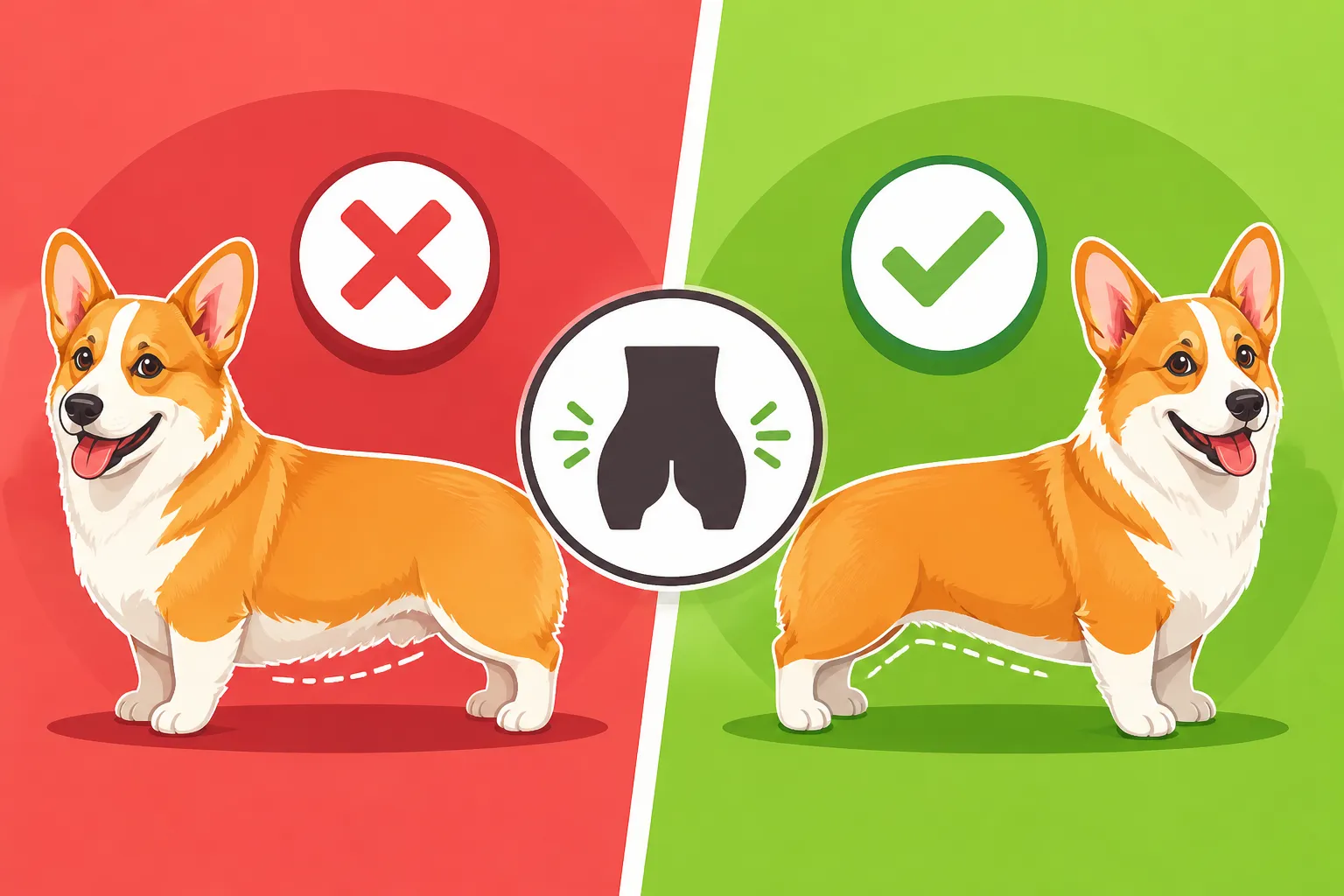
In canine anatomy, the "abdominal tuck" refers to the upward slope of the belly from the bottom of the rib cage to the hind legs. Think of it as a gentle curve, not a straight line, where the abdomen appears slightly cinched. In many breeds, this tuck is quite prominent, giving them a sleek, athletic appearance. For a healthy dog, this indicates appropriate body fat levels and muscle tone. It's a natural silhouette that shows their abdominal organs aren't obscured by excess fat, and their core is engaged. Without this visual cue, it’s much harder to discern whether your dog is at an ideal weight or needs to shed a few pounds.
The Corgi's Unique Build and How It Hides Weight
Now, here's where Corgis throw us a curveball. Their short legs and long bodies mean they are naturally closer to the ground, and their deep chest and substantial rib cage can make their midsection look less defined. Add to that their dense, plush double coat, which can easily add visual bulk, and suddenly, that subtle abdominal tuck becomes incredibly difficult to spot. Many Corgi owners mistakenly believe their dog's naturally "stocky" appearance means a visible tuck isn't applicable, leading them to unknowingly let their Corgi get a little too plump. It's not about them looking like a greyhound; it's about a healthy contour that suggests proper conditioning, even if it's less dramatic than in other breeds. The Body Condition Score a Corgi Should Hold delves deeper into understanding this.
Why the Standard Matters for Health, Not Just Looks
While many Corgis are beloved family pets and not show dogs, understanding the breed standard for their ideal physique isn't just about aesthetics; it's fundamentally about health. A Corgi that meets the standard for weight and body condition is one whose skeletal structure and internal organs are supported optimally. When they carry too much weight, the stress on their unique long back and short joints increases exponentially. This isn't just about general well-being; it's crucial for preventing or mitigating conditions like intervertebral disc disease (IVDD) and exacerbating issues like hip dysplasia. Their build, while adorable, makes them particularly vulnerable to weight-related ailments, so maintaining that healthy tuck, even if subtle, is a non-negotiable part of responsible Corgi ownership.
How to Assess Your Corgi's Body Condition Beyond Just the Tuck
Because the Corgi's coat and shape can be so deceptive, relying solely on the visual "tuck" can lead to misjudgments. We need to use a combination of visual and tactile assessments to truly understand what's happening under all that fluff. It’s about feeling for what you can’t always see.
The Rib Test: Feeling, Not Just Seeing
This is arguably the most reliable way to assess your Corgi's weight, especially given their furry camouflage. You should be able to easily feel your Corgi's ribs with minimal fat covering them, without pressing hard. Imagine running your hands along your knuckles; that's the ideal feeling. If you have to dig around to find the ribs, or if they feel like you're touching the palm of your hand, your Corgi is likely overweight. Conversely, if the ribs are extremely prominent and visible without touching, almost like the back of your hand, your Corgi might be underweight. Don't be shy; get your hands on your dog and feel for those ribs. It’s a habit that will serve you well throughout their life. What an Ideal Corgi Weighs can provide more context on target weight ranges.
The Waistline and Overhead View
Even with a Corgi’s long body, there should still be a discernible waistline when viewed from above. Stand directly over your Corgi while they're standing naturally. You should see a slight narrowing behind their rib cage before their hips. It won't be as dramatic as in a sighthound, but it should be there. If your Corgi looks like a straight-sided barrel from nose to tail, with no indentation whatsoever, that’s a red flag for excess weight. From the side, looking for that subtle upward slope of the abdomen (the tuck) is also important. Again, it's not a deep cut, but a gentle curve rather than a saggy or straight belly line.
The Role of the Tail Base
Another often-overlooked indicator of body condition is the tail base. For a healthy Corgi, there should be a smooth transition from the back to the tail, with minimal fat accumulation. Gently feel around the base of their tail. If you feel a significant amount of squishy fat or notice pronounced rolls of skin, your Corgi is likely carrying too much weight. Fat tends to accumulate here as well as over the hips and ribs. This area can be a good secondary indicator, especially when the main body shape is hard to interpret due to their dense coat. Think of it as another puzzle piece in the overall picture of their physical health.
Here's a quick guide to Body Condition Scoring (BCS), which uses these factors:
| Score | Description | Ribs | Waist/Tuck | Tail Base |
|---|---|---|---|---|
| 1-2 | Underweight/Emaciated | Ribs, spine, pelvic bones easily visible, no fat. | Pronounced abdominal tuck, severe waist. | Bones prominent, no fat. |
| 3 | Ideal/Lean | Ribs easily felt, minimal fat cover. | Visible abdominal tuck, distinct waist. | Smooth transition, minimal fat. |
| 4 | Overweight | Ribs palpable but with slight fat cover, more effort needed. | Little to no abdominal tuck, waist barely discernible or absent. | Some fat accumulation, slight thickening. |
| 5 | Obese | Ribs difficult to feel, heavy fat cover. | No abdominal tuck, belly distended, no waist. | Significant fat accumulation, prominent rolls. |
Most Corgis should aim for a BCS of 3, where you can feel the ribs, see a subtle waist from above, and have a slight abdominal tuck. How Much Weight an Overweight Corgi Carries can further emphasize the impact of these scores.
The Health Implications of an Absent or Excessive Tuck
The presence or absence of a healthy abdominal tuck is far more than just cosmetic. It's a direct reflection of your Corgi's overall health and can be a predictor of future medical challenges. Ignoring these signs could inadvertently shorten their lifespan and diminish their quality of life.
The Risks of Overweight Corgis (No Tuck)
When a Corgi loses that subtle tuck and appears more like a furry loaf, the risks are substantial. Their long back, already prone to issues like Disc Disease in a Long-Backed Corgi, becomes increasingly vulnerable. Every extra pound acts like a small backpack of bricks, compressing their delicate spinal discs. This significantly increases the likelihood of a slipped disc, which can lead to agonizing pain, paralysis, and costly, complex treatments like surgery. Beyond the spine, obesity in Corgis also contributes to:
- Joint Problems: Their short legs and sturdy frame are not designed for carrying excess weight, leading to increased wear and tear on hips, knees, and elbows, and accelerating the onset of arthritis. Joint Damage From Corgi Weight Gain highlights this impact.
- Heart and Respiratory Issues: Extra fat around internal organs makes the heart work harder and can restrict lung capacity, leading to breathing difficulties and other cardiovascular problems.
- Diabetes: Just like in humans, obesity can increase a Corgi's risk of developing diabetes, requiring lifelong management. Diabetes Risk in an Overweight Corgi is a serious concern.
- Reduced Stamina and Heat Intolerance: Overweight Corgis often have less energy, are less enthusiastic about walks, and struggle more in warm weather due to their heavy coats.
- Decreased Quality of Life: Simply put, an overweight Corgi can’t enjoy life to its fullest. They might struggle to play, jump (which they shouldn't do much anyway!), or even groom themselves comfortably.
When an Excessive Tuck Might Indicate Trouble
While an absent tuck usually points to being overweight, an excessive or overly dramatic tuck can also be a cause for concern. If your Corgi suddenly develops a very sharp, angular tuck, and you can easily see their ribs and hip bones, it could indicate they are underweight. This might be due to:
- Insufficient Food Intake: Perhaps their food portions are too small, or they're not getting enough calories for their activity level.
- Underlying Medical Conditions: An excessive tuck, especially if accompanied by other symptoms like lethargy, changes in stool, or vomiting, could signal issues such as gastrointestinal problems, parasites, thyroid disorders, or other systemic diseases that prevent proper nutrient absorption or cause rapid weight loss.
- High Metabolism/Stress: In rare cases, some Corgis might have an unusually high metabolism, or chronic stress could lead to weight loss.
If you notice your Corgi is too thin, it's just as important to consult your veterinarian as if they were overweight. An excessive tuck that appears suddenly or dramatically always warrants a professional check-up to rule out any health issues.
Maintaining a Healthy Tuck for Longevity
The goal, then, is to maintain that ideal body condition where the tuck is subtle but present, and the ribs are easily felt. This proactive approach significantly contributes to your Corgi's longevity and prevents a host of painful and expensive health problems. A healthy weight means less strain on their joints and spine, better organ function, and generally a more active, vibrant dog for many years to come. It truly is one of the most impactful things you can do as a Corgi owner to ensure they live a full, happy life.
Practical Steps to Achieve and Maintain a Healthy Tuck
Bringing your Corgi to a healthy weight and maintaining it isn't just about cutting back on food. It's a holistic approach that combines careful nutrition, appropriate exercise, and regular monitoring. It's about consistency and making sustainable choices for their well-being.
Calorie Control and Food Measurement
The first and most critical step is precise calorie control. Corgis are notoriously food-motivated, and their begging skills are legendary! It's incredibly easy to overfeed them, especially with seemingly small treats.
- Weigh, Don't Scoop: The most accurate way to portion your Corgi's food is by weighing it with a digital kitchen scale. Scoops can vary wildly, leading to significant calorie discrepancies over time. You can find precise digital scales on Amazon that will quickly become your best friend in the kitchen. A Month of Measured Food for a Corgi will show you how important this is.
- Calculate Needs: Consult your veterinarian to determine your Corgi's ideal weight and their daily caloric requirements based on their age, activity level, and current body condition. These needs can change, especially after spaying or neutering, so regular reassessment is key.
- High-Quality Food: Choose a high-quality dog food appropriate for their life stage and activity level. Some brands, like Ollie, offer fresh, pre-portioned meals based on your dog's specific profile, which can be fantastic for weight management. You can also find a wide variety of specialized weight management kibble on Chewy that offers lower calories and higher fiber to help them feel full.
- Treat Smart: Incorporate treats into their daily calorie count, or switch to low-calorie options like carrot sticks, green beans, or small pieces of apple (without seeds). Use their regular kibble as training rewards whenever possible. Treats Priced Into a Corgi's Daily Ration is a crucial consideration.
Appropriate Exercise for a Corgi
While diet is 80% of weight management, exercise plays a vital supporting role in building muscle, burning calories, and keeping your Corgi mentally stimulated.
- Daily Activity: Aim for at least 45-60 minutes of moderate exercise daily. This could be two shorter walks or one longer outing, interspersed with play sessions.
- Low-Impact Activities: Due to their long backs, high-impact activities like excessive jumping or long-distance running on hard surfaces should be minimized. Focus on brisk walks, gentle fetching games in a yard, or even swimming if your Corgi enjoys it. The Forty-Five Minutes a Corgi Needs Daily is a good guideline.
- Mental Stimulation: Don't forget mental exercise! Puzzle toys, sniff walks, and short training sessions can burn energy and prevent boredom, which sometimes leads to overeating. Scent work is a fantastic, low-impact activity that Corgis excel at.
- Ramps and Steps: To protect their back from jarring impacts, consider installing ramps for sofas, beds, and cars. Ramps and Steps That Save a Corgi's Back are an invaluable investment. Even if your Corgi isn't overweight, this is just good practice for their spinal health.
Regular Vet Check-ups and Monitoring
Consistent veterinary care is essential for monitoring your Corgi's weight and overall health.
- Annual Exams: Regular check-ups allow your vet to weigh your Corgi, assess their body condition score, and discuss any concerns you might have. They can also screen for underlying health issues that might impact weight. The Annual Exam Where a Corgi's Back Gets Checked is not just for vaccines.
- Listen to Your Vet: If your vet recommends a weight loss plan, take it seriously. They can provide tailored advice, recommend specific diets, and help you set realistic goals.
- Home Monitoring: Weigh your Corgi regularly at home if possible, or use the "rib test" and visual assessment every few weeks. Keep a journal to track their weight and food intake, which can be invaluable data for you and your vet.
- Adjust as Needed: As your Corgi ages, their metabolism might slow down, or their activity level might decrease. Be prepared to adjust their food intake and exercise routine accordingly to prevent weight creep. An older Corgi often needs fewer calories, even if they seem just as hungry.
By being diligent with these steps, you can ensure your Corgi maintains a healthy physique, including that subtle but important tuck, contributing significantly to their long-term health and happiness.
Disclaimer
This article is for general informational purposes only and does not constitute professional advice. Laws, prices and regulations vary by location and change over time. Consult a qualified professional for guidance on your specific situation.