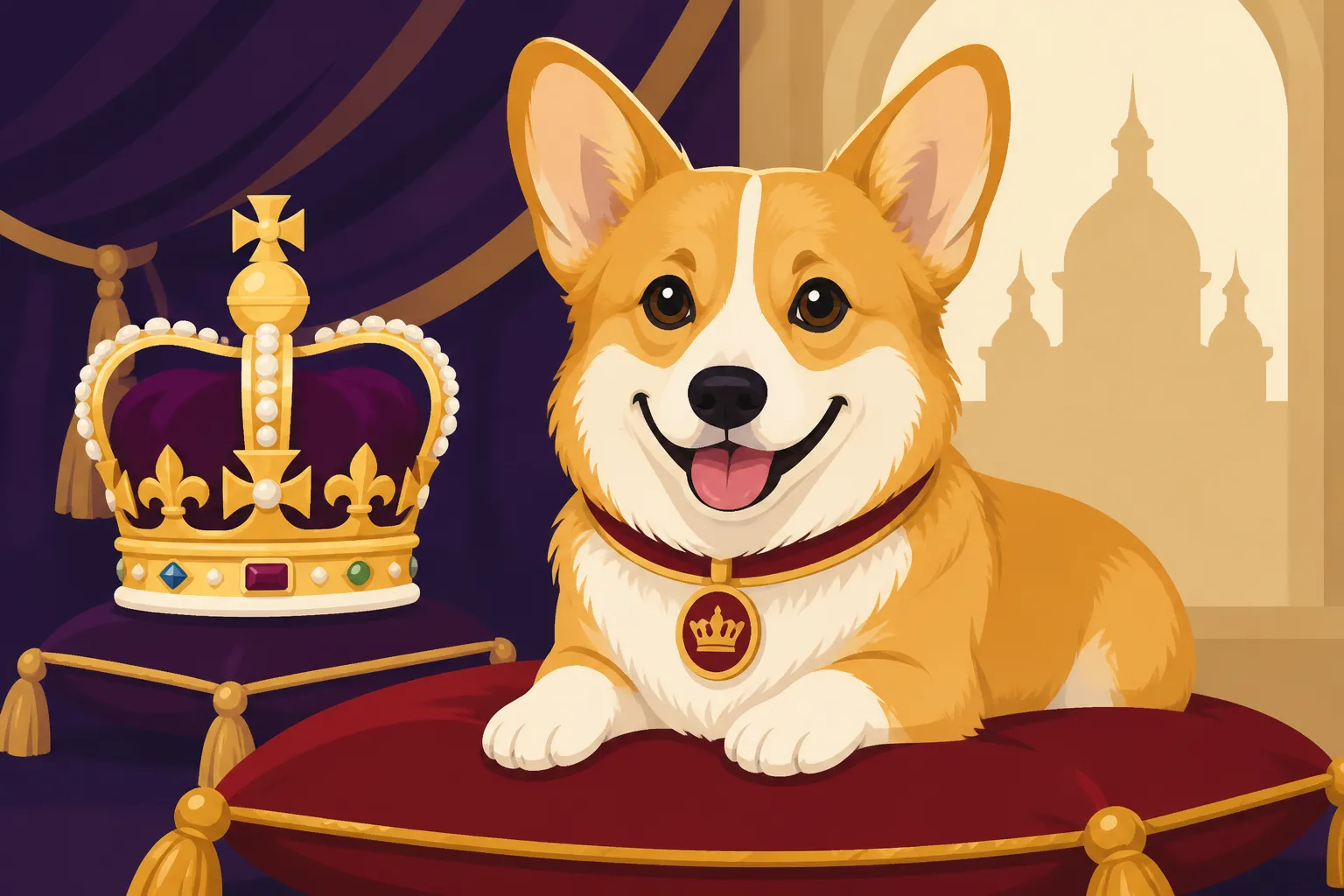
The Corgi in the Royal Household
When you think of a Corgi, what's the first image that springs to mind? For many, it's a fluffy, low-riding dog trotting beside a familiar figure in a headscarf, perhaps at Sandringham or Windsor. The connection between Corgis and the British Royal Family, particularly Queen Elizabeth II, is legendary, almost mythical. But beyond the adorable photos and public appearances, what was it truly like for these dogs living in palaces, and how did this royal association shape the breed's destiny? This guide dives deep into the fascinating history and lasting impact of Corgis in the royal household, uncovering the real stories behind the regal wagging tails and offering a realistic look at their influence.
The Origins of the Royal Corgi Obsession
It’s hard to imagine a time when Corgis weren’t synonymous with the British monarchy, but every grand tradition has to start somewhere. For the House of Windsor, the love affair with the Pembroke Welsh Corgi began quite simply, with a young princess and a thoughtful gift. This initial spark would ignite a lifelong passion and indelibly link a sturdy little herding dog to one of the world's most enduring symbols of royalty.
The First Corgi to Capture a Royal Heart
The year was 1933, and it was King George VI, then the Duke of York, who made the fateful decision to introduce a Pembroke Welsh Corgi into his family. This wasn't just any dog; he was Dookie, and he quickly became the furry, four-legged patriarch of a dynasty that would last for decades. Before Dookie, the royal family's canine companions tended to be larger, more traditional breeds, often associated with hunting and estates. The arrival of a small, feisty Corgi was a delightful departure, bringing an unexpected burst of energy and charm to the royal residences.
Dookie was reportedly quite the character, with all the typical Corgi sass and intelligence. He quickly charmed the entire family, adapting surprisingly well to life within the grand, formal palace walls. His antics and unwavering affection provided a welcome dose of normalcy and joy amidst the weighty responsibilities of royal life. He was a playful companion, a source of endless amusement, and a stark contrast to the often-stuffy environment of royal protocol.
It was Dookie who first forged the unbreakable bond with the young Princess Elizabeth and her sister, Princess Margaret. Still children at the time, the princesses were absolutely smitten with the lively little dog. He offered them the simple, unconditional love that only a pet can provide, a stark counterpoint to the highly structured lives they led. This early, innocent connection laid the indelible groundwork for a lifelong affection that would define Queen Elizabeth II's relationship with the breed for the rest of her days.
This initial introduction wasn't just about getting a pet; it was about integrating a breed into the very fabric of royal life, transforming the Corgi from a working farm dog into a beloved symbol. Dookie's playful spirit and loyal companionship paved the way for every royal Corgi that would follow, establishing a unique and heartwarming tradition that captured public imagination worldwide.
Princess Elizabeth's Eighteen-Year Gift: Susan
Fast forward a decade to 1944, and Princess Elizabeth celebrated her eighteenth birthday. As a special gift, she received another Pembroke Welsh Corgi, a sweet female named Susan. This was no ordinary present; Susan would become the foundational matriarch of every single Corgi that Queen Elizabeth II would personally own for the remainder of her incredibly long life. This single gift solidified the Princess's personal connection to the breed, moving beyond a childhood pet to a deeply cherished companion.
Susan was more than just a pet; she was a true, loyal confidante. Her devotion to the future Queen was evident early on, and their bond was exceptionally strong. So strong, in fact, that Susan even joined the then Princess Elizabeth and Prince Philip on their honeymoon in 1947. Imagine that – a Corgi, cleverly smuggled under a rug in the royal carriage, accompanying the newlyweds! This act alone speaks volumes about the depth of affection and the unique place Susan held in Elizabeth’s heart, signaling that these dogs were not mere accessories but integral family members.
From Susan, a continuous lineage of royal Corgis was established. The Queen made the remarkable decision to breed her Corgis exclusively within the royal household, maintaining a closed line that could be traced back directly to Susan. This wasn't about commercial breeding; it was about continuing a beloved family tradition, ensuring a consistent presence of these cherished dogs that shared the same loyal temperament and charm. Which Corgi the Queen Got for Her Eighteenth Birthday
This unique breeding tradition, spanning many generations, further cemented the Corgi’s place within the royal family. It underscored the Queen's profound commitment not just to the breed, but to the individual dogs themselves, valuing their companionship above all else. This unbroken line of Corgis from Susan fostered an incredible continuity, making the breed an iconic and enduring part of the Queen's public and private identity for over seven decades.
A Reign of Corgi Companionship: Queen Elizabeth II's Enduring Love
For anyone who watched Queen Elizabeth II throughout her monumental reign, the image of her surrounded by her beloved Corgis is indelible. These small, bustling dogs were not merely pets; they were constant companions, providing a sense of comfort, routine, and unconditional affection that few humans could. Their presence became a comforting symbol of stability, and the Queen's devotion to them was unmistakable.
A Constant Presence Throughout Her Reign
From the moment she ascended to the throne in 1952, Corgis were a constant, comforting feature of Queen Elizabeth II's life. They were there in official portraits, trotting faithfully at her heels during casual walks across the palace lawns, and often pictured in news reports during her vacations at Balmoral or Sandringham. For millions around the globe, seeing the Queen meant seeing her Corgis. They were an extension of her public persona, but more importantly, a private source of joy.
These furry companions were often seen traveling with her, whether in the back of the royal car, on special royal trains, or even occasionally accompanying her on flights. Their adaptability to such a unique lifestyle speaks volumes about their temperament and the careful way they were managed. They became almost as recognizable as the Queen herself, a living, breathing testament to her deep and personal affection for animals.
In a life defined by duty, protocol, and endless public engagements, her Corgis offered a unique sanctuary of normalcy and unpretentious affection. They didn't care about titles or treaties; they simply loved their human. This unconditional love was undoubtedly a profound source of solace and joy, a quiet constant amidst the grand, often isolating, pressures of monarchy. They were her furry shadow, her loyal companions in both the grandest and most mundane moments.
The sheer longevity of her connection to the breed—from her childhood to her final days—reinforces that her love for Corgis was deeply personal and authentic, far more than just a public image or a convenient prop. It was a genuine passion that shone through in every interaction, endearing her to dog lovers worldwide. How Many Corgis the Queen Owned
The Queen as a Dedicated Corgi Owner
Beyond the public spectacle, Queen Elizabeth II was, by all accounts, an exceptionally hands-on and dedicated Corgi owner. This wasn't a case of "pets to be looked after by staff while I attend to duties"; she took a profound personal interest in every aspect of their care. Many reports over the years detailed her involvement in their daily lives, demonstrating a commitment that any devoted dog owner would recognize and admire.
She reportedly took pleasure in mixing their special, carefully prepared meals herself, ensuring each Corgi received the right portion and blend. This wasn't simply pouring kibble into a bowl; their diet was a specific combination of fresh meats, vegetables, and other ingredients, overseen by royal chefs to meet their nutritional needs. Her personal involvement underscored the affection she felt and her desire to cater to their well-being.
Furthermore, the Queen was known to keep meticulous records of her Corgis' lineage, health, and temperaments. This wasn't just about breeding; it was about understanding each individual dog, tracking their ancestry, and ensuring their overall health was a top priority. This level of detail-oriented care went far beyond what most might expect of a head of state, highlighting her genuine passion and sense of responsibility.
While there was a dedicated team of royal staff, including footmen and kennel maids, who assisted with the Corgis' care, their roles were often to support the Queen's direct involvement. She personally walked her dogs whenever possible, enjoying the fresh air and the simple pleasure of their company on the vast palace grounds or at her country estates. Their daily walks were a cherished ritual.
This deep, personal involvement in the lives of her Corgis is something many everyday Corgi owners can relate to. It exemplifies the bond we share with our pets, treating them as integral, irreplaceable members of our families, deserving of our time, attention, and love, regardless of our station in life. Her dedication was a testament to the profound connection between humans and their canine companions.
Life in the Palace: What It Was Like for a Royal Corgi
Living in a palace might sound like a fairytale, and for the Queen’s Corgis, it certainly had its perks. But beneath the regal sheen, these were still Corgis – with all their quirks, needs, and demanding personalities. Their lives were a fascinating blend of pampered luxury and structured routine, all tailored to their unique breed characteristics and the specific environment of the royal household.
Royal Treatment and Daily Routines
The royal Corgis certainly enjoyed a life of privilege, but it was also one of structured routine. They weren't just decorative pets; they were active, engaged members of the household with their own dedicated schedules and spaces. Their days were carefully planned, ensuring they received proper care, exercise, and attention, reflecting the importance the Queen placed on their well-being.
Their meals were legendary. Prepared by royal chefs, these weren't simply bowls of dry kibble. The Corgis often dined on specific cuts of fresh meat, often beef or chicken, mixed with vegetables, and sometimes a special gravy. Each meal was individually portioned and served in polished silver or ceramic bowls, laid out on a sheet so they wouldn't slip on the floor. It was a tailored, nutritious diet designed to keep them healthy and happy.
At Buckingham Palace, the Corgis had their very own dedicated sleeping quarters, often referred to as the "Corgi Room." This wasn't just a corner; it was a comfortable space where they could retreat. Their beds were typically elevated wicker baskets, carefully chosen to keep them off the cold floor and away from drafts, a thoughtful consideration for their low-slung bodies. Each Corgi had its own designated sleeping spot, creating a sense of individual belonging.
Daily walks were a cherished ritual, offering plenty of opportunity for physical exercise and mental stimulation. Whether on the expansive grounds of Buckingham Palace, the sweeping landscapes of Balmoral, or the Sandringham estate, the Corgis had ample space to explore. The Queen often led these walks herself, or they were taken by trusted senior staff, ensuring the dogs maintained their fitness. The Forty-Five Minutes a Corgi Needs Daily This regular activity was essential for their physical and mental health.
A Hierarchy and Personality Quirks
Just like any multi-dog household, the royal Corgis were a collection of distinct personalities, and they certainly had their own pecking order. The Queen, with her keen understanding of canine behavior, was well aware of their individual characters and the subtle dynamics within the pack. She knew which dog was the leader, which was the mischievous one, and which preferred a quiet corner.
Corgis are known for their intelligence, but also for their bossy, sometimes feisty, nature—traits bred into them as herding dogs. The royal Corgis were no exception. There are countless tales of them being quite protective, occasionally nipping at the ankles of unsuspecting footmen, visitors, or even dignitaries. This is a classic Corgi trait, harking back to their cattle-herding days, where a nip to the heels kept stubborn livestock moving. The Cattle-Driving Nip a Corgi Still Has Palace staff quickly learned to respect their boundaries and anticipate their moods.
These personality quirks sometimes led to amusing, and occasionally embarrassing, incidents. Stories circulated of Corgis tripping up members of staff or engaging in minor skirmishes amongst themselves, often requiring the Queen to intervene with a gentle but firm command. The Queen, far from being annoyed, often found these antics rather amusing, a reminder that even in the most formal settings, dogs will be dogs.
Despite their occasional sass and independent streaks, the royal Corgis’ loyalty to the Queen was absolute. They were devoted companions, eager for her attention and quick to offer comfort. Their unwavering affection was a testament to the strong, reciprocal bond she shared with each one. Even with all the rules and grandeur, their fundamental nature as loving, intelligent dogs shone through. For example, keeping their upright ears clean was part of the routine, but also a chance for a little ear rub and bonding. Whether a Corgi's Upright Ears Stay Clean
Beyond Pembrokes: Dorgis and Other Royal Crosses
While the Pembroke Welsh Corgi holds the most iconic place in the royal narrative, Queen Elizabeth II's affection for canines wasn't limited to a single breed. Her household also introduced a delightful hybrid that captured her heart, and she was known to share her life with other dog breeds, showcasing a broader love for all things dog.
The Accidental Creation of the Dorgi
One of the most charming chapters in the royal canine story is the unexpected appearance of the "Dorgi." This unique hybrid, a cross between a Corgi and a Dachshund, didn't come about through deliberate breeding plans to create a new designer dog. Instead, it was, quite simply, an accident borne of proximity and canine chemistry within the palace walls.
The story goes that Princess Margaret, the Queen's sister, owned a Dachshund named Pipkin. In the natural course of dogs cohabiting in a large estate, Pipkin reportedly mated with one of the Queen's Pembroke Welsh Corgis, often cited as Tiny. The result was a litter of adorable puppies, possessing characteristics of both beloved breeds. These puppies became known as Dorgis – a portmanteau of Dachshund and Corgi.
These Dorgis often displayed a fascinating blend of traits. They typically inherited the longer, low-slung body of the Dachshund, combined with the sturdy build, expressive face, and often the herding dog intelligence of the Corgi. Their personalities were also a mix, sometimes displaying the spirited alertness of a Corgi with the devoted, sometimes more reserved, nature of a Dachshund. They were truly unique.
The Queen, far from being displeased by this accidental cross, found the Dorgis absolutely delightful. She was so charmed by them that she continued to breed Dorgis intentionally for a period, valuing their distinct appearance and endearing temperaments. This embrace of a hybrid breed showcased her open-mindedness and her deep appreciation for individual canine personalities, no matter their pedigree. What a Dorgi Is and How It Differs From a Corgi
Living Harmoniously with Other Breeds
While Corgis and Dorgis were undoubtedly the stars of the royal canine show, Queen Elizabeth II's household was occasionally home to other breeds as well. Over the years, she owned several Cocker Spaniels, who integrated into the royal canine family alongside their Corgi and Dorgi companions. This demonstrated her love for a variety of dogs and her ability to manage a diverse pack.
Bringing different breeds together in a single household, especially in a formal setting like a palace, requires careful planning and an understanding of each dog's needs and temperament. Different breeds have different energy levels, play styles, and social hierarchies. Ensuring harmony meant dedicated staff and the Queen herself understanding how to facilitate positive interactions and manage any potential conflicts, which is a common challenge for many multi-dog owners.
The Queen's skill in managing her diverse pack was a testament to her profound understanding of animals. She recognized that each dog, regardless of breed, had individual needs for diet, exercise, and mental stimulation. For example, a high-energy Cocker Spaniel might require different types of play than a more sedate older Corgi. It's a careful balancing act, even with all the resources of a royal household.
This broader canine companionship underscores a simple truth: the Queen was a true dog lover, appreciating the unique qualities that each breed brought to her life. Her dedication extended beyond a single breed, embracing a variety of furry friends who enriched her demanding existence. When it came to providing for these varied canine companions, ensuring they had the right food, toys, and beds was paramount. Many Corgi owners, for example, turn to trusted online retailers like Chewy for their pet supply needs, knowing they’ll find a wide selection suitable for all kinds of breeds and their individual requirements.
The Corgi's Global Impact: From Palace to Popularity
The sight of Queen Elizabeth II with her pack of Corgis became one of the most enduring images of the British monarchy. This powerful, decades-long association transformed the humble Welsh farm dog into a global celebrity, forever linking its name with royalty. However, this immense popularity brought with it both blessings and challenges for the breed itself.
The "Royal Corgi" Brand and Media Exposure
Queen Elizabeth II’s visible, unwavering affection for her Corgis undeniably propelled the breed onto the global stage. For more than 70 years, images of her with her dogs were ubiquitous, appearing in everything from official photographs and state portraits to casual paparazzi shots and news reports. This constant visual presence created a powerful, almost accidental, "royal brand" for the Corgi, making them instantly recognizable symbols of British royalty and charm around the world.
This association transcended mere pet ownership; it imbued the breed with a certain mystique and desirability. People weren't just seeing a dog; they were seeing the Queen's dog, a creature that shared the most private moments with one of the world's most famous figures. This connection made the Corgi seem more than just a pet; it made them seem extraordinary, accessible symbols of the monarchy itself.
The media played a huge role in amplifying this connection. Newsreels in the early days, followed by countless television documentaries, films, and hit series like The Crown, consistently featured the Queen's Corgis. They were often portrayed with accuracy, showcasing their spirited personalities and their undeniable bond with the Queen. This sustained, high-profile media exposure further cemented the breed's place in popular culture. How Corgi Popularity Changed After The Crown
This widespread visibility led to a significant, often dramatic, increase in demand for Corgi puppies globally. People wanted a piece of that royal charm in their own homes. The breed's popularity soared, influencing not only the public's perception of Corgis but also the breeding practices and market for these dogs across continents. Their status as royal companions undeniably put them on the map in a way few other breeds could ever achieve.
The Double-Edged Sword of Popularity
While increased popularity brought global recognition and adoration for the Corgi, it also came with a significant downside, creating a "double-edged sword" effect for the breed. High demand, especially when driven by trends or celebrity association, often leads to a surge in irresponsible breeding practices, which can compromise the health and welfare of the dogs.
When a breed becomes exceptionally popular, unscrupulous individuals often see an opportunity for quick profit. This can lead to the proliferation of "backyard breeders" or, even worse, puppy mills that prioritize quantity over quality. These breeders often neglect crucial health testing, pay little attention to proper socialization, and breed dogs with known genetic predispositions to illness, simply to meet market demand. This results in puppies that are more prone to health issues and behavioral problems. Why a Corgi Under a Thousand Should Worry You
For Corgis, a breed already predisposed to certain health concerns like Intervertebral Disc Disease (IVDD) due to their long backs, and other genetic conditions like Degenerative Myelopathy (DM), irresponsible breeding is particularly problematic. Without proper health screening of parent dogs, these conditions can be inadvertently propagated, leading to heartbreaking and costly health issues for owners down the line. It's vital to seek out reputable breeders who prioritize genetic testing and overall health. The DNA Tests a Corgi Breeder Should Run
It's important to acknowledge that the Queen's immense influence, while undoubtedly a positive force for the breed's visibility, inadvertently contributed to this surge in demand. This makes education about responsible ownership and ethical breeding practices even more crucial for anyone considering bringing a Corgi into their home. The goal should always be to protect the breed's health and integrity, ensuring that Corgis continue to be wonderful companions, far beyond any fleeting trend.
The Legacy Continues: The Corgi After the Queen
The passing of Queen Elizabeth II marked the end of an extraordinary era, not just for the monarchy, but also for her beloved Corgis. The question of what would happen to her cherished canine companions was a poignant one for many, symbolizing the enduring bond she shared with them. Thankfully, plans were in place to ensure her furry family continued to receive the love and care they deserved.
The Future of the Royal Corgis
When Queen Elizabeth II passed away, many people around the world wondered about the fate of her remaining Corgis. These dogs had been her constant companions, particularly in her later years, and the thought of them being left without their devoted owner was heartbreaking for many dog lovers. It was a question that touched the hearts of millions, reflecting the profound connection people felt not just to the Queen, but to her cherished canine family.
Thankfully, arrangements had been made, ensuring that her beloved dogs would remain within the embrace of the royal family. It was confirmed that her two remaining Corgis, Muick and Sandy, were taken in by her son, Prince Andrew, and his ex-wife, Sarah Ferguson, the Duchess of York. This decision provided immense comfort to the public, knowing that the dogs would continue to live in a familiar environment, surrounded by family members who understood and respected their unique place.
This move wasn't just practical; it was a deeply symbolic act. It demonstrated a profound respect for the Queen’s wishes and her lifelong bond with her pets. The dogs transitioned from living with the monarch to living with her children and grandchildren, ensuring continuity of care and affection. It underscored that these Corgis were more than just pets; they were family members, deserving of continued love and stability. Where the Queen's Last Corgis Went
While the era of the "Royal Corgis" as a constant, public presence alongside the reigning monarch may have drawn to a close, their legacy certainly continues. Through Muick and Sandy, and the broader family's enduring affection for dogs, the image of the Corgi as a symbol of loyalty and companionship remains deeply ingrained. Their story is a testament to a bond that truly transcended titles and traditions.
The End of a Breeding Line, But Not the Love
In a thoughtful and characteristic move, Queen Elizabeth II had made the decision in her later years to stop breeding Corgis. This was not due to a diminishing love for the breed, but quite the opposite. She reportedly did not want to leave any young dogs behind after her death, a testament to her deep sense of responsibility and foresight regarding her beloved companions. It was a conscious choice to ensure that every dog she owned would be cared for throughout its natural life.
This decision, to gradually allow her breeding line to conclude, underscores her profound connection to her pets. She viewed them as family members, and the thought of them being unsettled or without her direct care after her passing was something she clearly wished to avoid. This thoughtful consideration showcases her character as a true animal lover, always prioritizing the welfare of her dogs.
While the specific lineage of Corgis directly bred by the Queen herself may have gracefully come to an end, the broader royal family's affection for dogs, and Corgis in particular, endures. Other members of the royal family, such as Princess Anne and her children, are known dog enthusiasts, and the love for canine companions remains a thread within the family. This ensures that while the immediate "royal Corgi" dynasty has concluded, the overall appreciation for dogs continues.
The image of the Corgi as a royal companion is now indelibly etched in history and popular culture. Even without new litters being born at the palace, the legacy of Queen Elizabeth II and her Corgis will forever be remembered. Their story stands as a beautiful illustration of the power of the human-animal bond, reminding us all of the simple, profound joy that dogs bring to our lives, irrespective of status or circumstance.
Dispelling Myths and Understanding Real Corgi Life
The allure of the "royal Corgi" can sometimes create an idealized, almost mythical, image of the breed. It's easy to imagine perfectly behaved, docile dogs living a life of serene luxury. However, beneath the regal image, a Corgi is still a Corgi—a vibrant, intelligent, and sometimes stubborn herding dog with very specific needs and characteristics. Understanding these realities is crucial for any potential owner.
Beyond the Regal Image: Typical Corgi Traits
It’s tempting to envision the Queen’s Corgis as impeccably behaved, gliding through palace halls with quiet dignity. The reality, for both royal and everyday Corgis, is often much more spirited! These are highly intelligent dogs, but they also come with a healthy dose of sass, a strong will, and a tendency to be quite vocal. Their charming stubbornness is legendary amongst owners. Corgi Sass and What to Do About It
Corgis, whether living in a palace or a suburban home, are fundamentally herding dogs. This means they possess strong instincts to gather, control, and sometimes even nip at the heels of anything they perceive as "livestock"—which often includes children, other pets, or even unsuspecting adult humans. This ancient lineage gives them their characteristic low-slung, sturdy build, designed for darting beneath cattle, but also their inherent vocal tendencies and bossy personalities. The Cattle Dog Behind the Corgi
Owning a Corgi, regardless of their background, requires a deep understanding of these ingrained instincts. They aren't content to be decorative lapdogs; they thrive on mental stimulation, consistent training, and opportunities to use their clever brains. Without proper guidance and an outlet for their herding drives, they can become bored, vocal, or exhibit undesirable behaviors like excessive barking or nipping. Engaging their minds with puzzle toys or training exercises is key. Many Corgi owners, for example, visit online retailers like Chewy to find a variety of durable chew toys and interactive feeders that help keep their smart Corgis mentally engaged, which is crucial for a happy, well-adjusted herding dog.
This stark contrast to the often-serene public image serves as an important reminder for prospective Corgi owners. These are not passive pets; they are full of personality, energy, and an independent spirit. They bring immense joy, but they also require consistent effort, training, and a willingness to embrace their unique, spirited nature.
The Realities of Corgi Care and Health
While the royal Corgis certainly received the best possible care, even they weren't immune to the breed-specific health challenges that all Corgis face. Regardless of their pedigree or status, Corgis require particular attention to their health and daily management due to their unique physical structure. Their distinct physique, while adorable, comes with specific vulnerabilities that owners must address proactively.
One of the most significant health concerns for Corgis is their predisposition to spinal issues, particularly Intervertebral Disc Disease (IVDD). Their long backs and short legs make them highly susceptible to disc ruptures, which can lead to severe pain, nerve damage, and even paralysis. This is a cruel reality for many Corgi owners, and it’s something to be acutely aware of. Disc Disease in a Long-Backed Corgi
To mitigate these risks, owners—royal or otherwise—must be incredibly diligent about preventing high-impact activities like jumping on and off furniture, climbing stairs, or excessive rough play that twists the spine. Strict weight management is also paramount, as every extra pound adds strain to their delicate backs. Providing ramps or steps to access furniture and vehicles is not a luxury; it’s a necessity to protect their spine. Ramps and Steps That Save a Corgi's Back
Beyond their backs, Corgis are also famous for their luxurious double coats, which shed profusely year-round, not just seasonally. This isn't a coat that can be ignored; it requires regular and thorough grooming to manage the endless hair, prevent matting, and keep their skin healthy. Investing in good grooming tools and establishing a consistent routine is essential for any Corgi owner. Why a Corgi Sheds All Year and Not Just Twice
Understanding and addressing these health and grooming needs is a fundamental responsibility for any Corgi owner. It highlights that even royal status does not exempt a Corgi from breed-specific considerations and the dedication required to ensure their well-being. It’s about providing responsible, loving care that recognizes and supports their unique needs, ensuring they can lead happy, healthy lives. For specialized grooming tools, high-quality dog food, and even ramps, many Corgi families find everything they need at reliable online pet stores such as Chewy.
Disclaimer
This article is for general informational purposes only and does not constitute professional advice. Laws, prices and regulations vary by location and change over time. Consult a qualified professional for guidance on your specific situation.