Whether Corgis Outlive Other Herding Breeds
It's a common worry for any Corgi parent: with those adorable long backs and short legs, are our beloved low-riders destined for a shorter life compared to their canine cousins? The truth is, many of us fret over potential health issues, especially spinal concerns, and it naturally leads us to wonder about their overall longevity. This guide aims to shed light on the typical Corgi lifespan and how it stacks up against other popular herding breeds, offering peace of mind and practical advice for a long, happy life with your furry friend.
The Lifespan Expectation for a Corgi
When we talk about how long a Corgi lives, it’s important to remember we're discussing averages. Just like people, individual dogs can defy statistics, living shorter or longer lives depending on a myriad of factors. However, knowing the general range provides a good baseline for expectations and proactive care.
Pembroke vs. Cardigan Lifespans
While both are wonderful Welsh Corgi breeds, there are subtle differences in their average lifespans, though both typically fall within a very respectable range for a dog of their size.
The Pembroke Welsh Corgi, the more widely known of the two, especially thanks to their royal connections, generally boasts a lifespan of 12 to 15 years. This places them firmly in the healthy, long-lived category for a medium-small breed. They are robust little dogs, often full of vigor well into their senior years. While many people worry about their long backs, proactive care and responsible breeding practices have helped maintain this excellent lifespan.
The Cardigan Welsh Corgi, often distinguished by its tail and slightly larger build, tends to have a similar, if not slightly longer, average lifespan, usually ranging from 12 to 15 years, sometimes pushing to 16 or 17 years. Some breed enthusiasts suggest the Cardigan’s slightly sturdier build might contribute to this, but largely, both breeds are quite similar in their longevity potential. Anecdotally, you'll hear of Pembrokes hitting 17 and Cardigans living "only" to 12, so the overlap is significant. It’s less about a definitive difference between the two and more about individual health and care.
Factors Influencing a Corgi's Longevity
Several key elements play a critical role in determining just how many wonderful years you’ll share with your Corgi. It’s not just about genetics, though that’s a huge part of the puzzle.
First, genetics is foundational. A Corgi from a responsible breeder who screens for common inherited conditions like hip dysplasia, eye issues (such as Corgi Eye Disease and PRA), and genetic markers for Degenerative Myelopathy and the Corgi has a much better head start. Knowing your dog's genetic predisposition allows you and your vet to be proactive, which can significantly impact their long-term health. For instance, understanding The DNA Tests a Corgi Breeder Should Run is crucial for prospective owners.
Second, diet and nutrition are paramount. An appropriately portioned, high-quality diet prevents obesity, which is a major concern for Corgis. Why Corgi Weight Is a Spinal Problem cannot be overstated; excess weight puts immense strain on their already predisposed spines and joints. Feeding them the right amount of food, often carefully measured, can stave off a host of age-related issues.
Third, regular, appropriate exercise keeps their muscles strong and joints flexible. While Corgis aren't endurance runners, they need daily activity that supports their unique build. This means avoiding high-impact activities, excessive jumping, or long stretches of stair climbing. Think engaging walks, mental enrichment games, and moderate play.
Finally, preventive veterinary care is perhaps the most direct influence. Regular check-ups, vaccinations, parasite control, and early detection of any health changes can literally add years to a Corgi's life. Many Corgi owners, especially those concerned about spinal health, opt for pet insurance from providers like Healthy Paws, which can help cover unexpected vet bills for things like emergency neurology fees or long-term management of chronic conditions, ensuring your Corgi gets the best care without financial strain.
Comparing Corgi Lifespans to Other Popular Herding Breeds
It's natural to wonder how our Corgis fare against other dogs in their occupational group. "Herding breed" is a broad category, encompassing a wide range of sizes, temperaments, and health profiles. Let's dig into how Corgis stack up.
What Defines a "Herding Breed" for Comparison
Herding breeds are characterized by their intelligence, agility, high energy levels, and strong instinct to gather and control other animals. This group includes everything from the compact Corgi and Shetland Sheepdog to the larger German Shepherd and Australian Shepherd. Despite their shared instinct, their physical forms vary dramatically, influencing their common health issues and, by extension, their average lifespans.
Factors like overall size, bone structure, and genetic predispositions for certain diseases are all intertwined with breed. Smaller dogs generally live longer than larger dogs, and within the herding group, this trend often holds true. Active breeds, while seemingly robust, can sometimes be prone to musculoskeletal injuries if not properly managed, or certain genetic conditions tied to their specific lineage.
Lifespan Data for Common Herding Breeds
To provide a clearer picture, let's look at the average lifespans of some other well-known herding breeds, both large and small, and compare them to our Corgis.
| Herding Breed | Average Lifespan (Years) | Common Health Concerns (Impacting Lifespan) |
|---|---|---|
| Pembroke Welsh Corgi | 12-15 | IVDD, DM, Hip Dysplasia, Obesity |
| Cardigan Welsh Corgi | 12-15+ | IVDD, DM, Hip Dysplasia, Eye conditions |
| Australian Shepherd | 13-15 | Hip/Elbow Dysplasia, Eye Anomalies (CEA), Epilepsy |
| Border Collie | 12-15 | Hip Dysplasia, Epilepsy, Eye Anomalies (CEA, PRA) |
| Shetland Sheepdog (Sheltie) | 12-14 | Hip Dysplasia, Eye Anomalies (CEA, PRA), Hypothyroidism, Dermatomyositis |
| German Shepherd Dog | 9-13 | Hip/Elbow Dysplasia, Degenerative Myelopathy, Bloat, Cancers |
| Collie | 10-14 | Eye Anomalies (CEA, PRA), Gastric Dilatation-Volvulus (Bloat), Dermatomyositis |
| Old English Sheepdog | 10-12 | Hip Dysplasia, Hypothyroidism, Eye problems, Cancer |
As you can see from the table, Corgis generally fall into the upper-middle range for longevity within the herding group, especially when compared to larger herding breeds like German Shepherds or Old English Sheepdogs, which tend to have shorter lifespans. They align very closely with other small to medium-sized herding dogs like Australian Shepherds and Border Collies, which is excellent news. The key takeaway is that their comparatively small size, despite the long back, gives them an advantage over many of their larger herding counterparts when it comes to overall lifespan averages. However, it also highlights the specific breed-related health issues that need careful management.
Common Health Challenges That Can Impact Corgi Lifespan
While Corgis are generally hearty dogs, there are specific health concerns that, if left unmanaged, can unfortunately shorten their lives or significantly diminish their quality of life. Being aware of these and taking proactive steps is crucial.
Spinal Issues and Their Management
This is often the first thing Corgi owners worry about, and for good reason. Corgis are a chondrodystrophic breed, meaning they have a genetic predisposition for abnormal cartilage and bone development, resulting in their characteristic short legs and long backs. This makes them highly susceptible to spinal problems, primarily Intervertebral Disc Disease (IVDD).
Intervertebral Disc Disease (IVDD) is where the cushioning discs between the vertebrae in the spine degenerate and can rupture or bulge, pressing on the spinal cord. This can cause immense pain, nerve damage, and even paralysis. If not treated quickly and appropriately – whether through strict Crate Rest for a Corgi With a Bad Back, medication, or even Spinal Surgery on a Corgi – IVDD can lead to a severely reduced quality of life and, in extreme cases, euthanasia if pain cannot be managed or paralysis becomes permanent. Prompt intervention and ongoing management, including rehabilitation, are key to recovery and maintaining their health.
Degenerative Myelopathy (DM) is another significant spinal concern for Corgis. This progressive neurological disease affects the spinal cord, leading to weakness and paralysis in the hind limbs, similar to ALS in humans. While many Corgis carry the DM gene, a much smaller percentage actually develop the disease. For those that do, it doesn't cause pain, but it is ultimately debilitating and terminal. The progression can vary, with some Corgis declining quickly and others maintaining mobility for longer with support. The Months Between a Corgi's First Stumble and a Cart can be heartbreakingly fast. While DM doesn't directly shorten lifespan in the way a sudden IVDD crisis might, it impacts quality of life significantly, often leading owners to make difficult end-of-life decisions once mobility is severely compromised. Understanding Whether a Corgi With DM Is Suffering is vital for owners navigating this difficult journey. Insurance plans from providers like Healthy Paws can be instrumental in covering the extensive diagnostic tests, mobility aids, and supportive care required for these complex spinal conditions.
Weight Management and Related Health Risks
Obesity is a silent killer for Corgis, shortening their lifespan and exacerbating nearly every other health issue they might face. Their low-slung bodies are simply not designed to carry extra pounds.
An overweight Corgi puts incredible strain on its spine, significantly increasing the risk and severity of IVDD. It's not just the back, though. Extra weight also contributes to:
- Joint damage and early arthritis: Their short legs and already stressed joints can wear down much faster.
- Diabetes risk: Just like in humans, excess weight is a major contributing factor to canine diabetes, which requires lifelong management and can lead to other complications.
- Heart and respiratory problems: An obese Corgi's heart has to work harder, and their lung capacity can be reduced, leading to exercise intolerance and heat sensitivity. What Extra Weight Does to a Corgi Spine is just one piece of a larger, systemic problem.
Keeping your Corgi at an ideal body condition is one of the most impactful things you can do for their longevity. This often means careful portion control, weighing their food instead of scooping, and resisting those pleading Corgi eyes for extra treats. For some Corgis, a prescription weight management diet might be necessary, and while these can be more expensive, the investment in their health pays dividends in years added to their life.
Other Genetic Predispositions
Beyond the well-known spinal issues, Corgis can also be prone to other genetic conditions that can impact their health and longevity if not managed:
- Hip Dysplasia: While often associated with larger breeds, Corgis can also suffer from this malformation of the hip joint. Responsible breeders screen for this, using methods like Corgi Hip Scores and What They Mean. If severe, it can lead to painful arthritis and mobility issues.
- Eye Conditions: Progressive Retinal Atrophy (PRA) and cataracts can lead to vision loss, affecting their quality of life, though rarely directly shortening lifespan. Early screening helps breeders avoid passing these on.
- Von Willebrand's Disease (vWD): This is a genetic bleeding disorder, especially prevalent in Pembroke Welsh Corgis. It affects the blood's ability to clot, posing risks during surgery or injury. The Bleeding Disorder Pembrokes Carry is a serious concern, and knowing your dog's vWD status is vital before any surgical procedure, like spaying or neutering. Comprehensive pet insurance plans, like those offered by Healthy Paws, often cover the diagnostic testing and treatment for such inherited conditions, providing peace of mind.
- Epilepsy: Some Corgis can suffer from idiopathic epilepsy, which causes seizures. While medication can often control seizures, severe or uncontrolled epilepsy can, in rare cases, lead to complications that impact lifespan.
Understanding these predispositions isn't meant to cause anxiety, but rather to empower owners to work closely with their veterinarians and, ideally, choose puppies from reputable breeders who actively screen their breeding stock.
Strategies for Maximizing Your Corgi's Lifespan and Quality of Life
You have a significant role in ensuring your Corgi lives a long, vibrant life. Beyond good genetics, daily care and proactive decisions make all the difference.
The Importance of Proactive Veterinary Care
Regular vet visits are not just about vaccinations; they are cornerstone of preventive health for your Corgi.
- Annual Check-ups: These allow your vet to catch subtle changes that might indicate an emerging health issue. They'll monitor weight, check teeth, listen to the heart and lungs, and perform a thorough physical exam. Early detection of conditions like thyroid problems, emerging arthritis, or even early signs of kidney issues can lead to timely intervention and better outcomes. For instance, Blood Panels for a Corgi Over Ten can be crucial for detecting age-related changes.
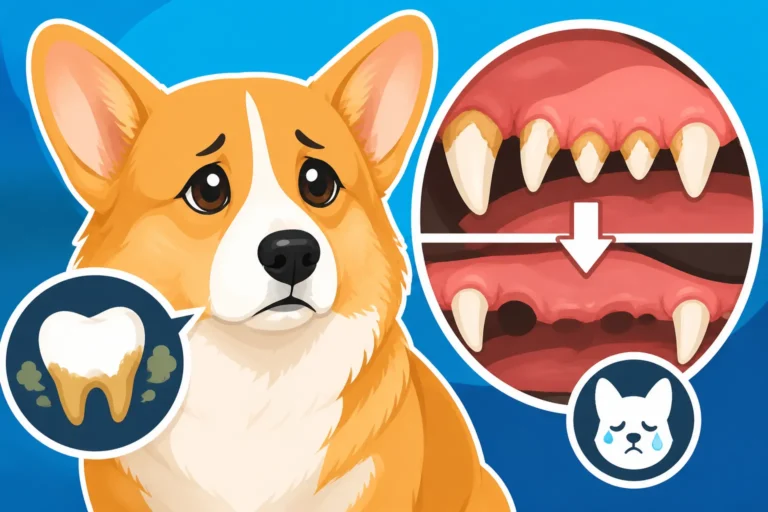
- Dental Care: Dental disease is incredibly common in dogs and can lead to serious systemic health problems if bacteria from the mouth enter the bloodstream. Regular professional dental cleanings and at-home care, like brushing, are vital for overall health and can add years to a Corgi's life. You'd be surprised how much Tartar and Tooth Loss in an Older Corgi can impact their well-being.
- Parasite Prevention: Consistent use of flea, tick, and heartworm preventatives protects your Corgi from diseases that can be debilitating or even fatal.
- Addressing Concerns Promptly: If you notice any change in your Corgi's behavior, appetite, mobility, or bathroom habits, don't wait. Early veterinary attention for issues like a sudden limp, changes in urination, or coughing can often prevent minor problems from escalating into major health crises. This is particularly true for spinal issues, where How Fast a Corgi Disc Injury Needs Treating can determine the outcome. Many pet insurance providers, including Healthy Paws, offer comprehensive plans that cover emergency visits and diagnostics, making it easier to seek immediate care.
Lifestyle Choices for a Healthy, Long-Lived Corgi
Beyond medical care, your daily choices profoundly influence your Corgi's well-being.
- Optimal Nutrition: As discussed, maintaining an ideal weight is paramount. Feed a high-quality dog food appropriate for their age and activity level. Avoid free-feeding; instead, measure meals carefully. Limit treats, or opt for healthy, low-calorie options like carrot sticks or green beans. Ensure they have constant access to fresh water. You’ll find that How Little an Adult Corgi Actually Eats might surprise you compared to other breeds.
- Appropriate Exercise: Corgis need exercise, but it must be tailored to protect their backs. Daily walks, mental games, and supervised play are excellent. Avoid activities that involve excessive jumping (like jumping off furniture or high agility obstacles) or repetitive stair climbing, as these can strain their spine. Instead, teach them to use ramps or steps for furniture and vehicles. Ramps and Steps That Save a Corgi's Back are not just conveniences; they are crucial preventative measures.
- Mental Stimulation: Corgis are intelligent working dogs and thrive on having a "job" to do. Puzzle toys, scent work, obedience training, and interactive play keep their minds engaged, reducing boredom and potential behavioral issues. A bored Corgi might be a destructive or over-vocal Corgi.
- Safe Home Environment: Modify your home to be Corgi-friendly. Provide orthopedic beds to support their spine. Use non-slip rugs on hard floors to prevent slips and falls that could injure their back. Ensure easy access to elevated surfaces with ramps or doggy steps. Consider a firm bed for them as well, as Beds That Hold a Corgi's Back Straight can make a significant difference.
- Consistent Grooming: While not directly linked to lifespan, regular grooming, including brushing their dense double coat (especially during shedding seasons), nail trims, and ear cleaning, contributes to their comfort and helps you spot any skin issues or lumps early. For instance, Nail Length and What It Does to a Corgi's Gait is often overlooked but important for spinal health.
By combining responsible breeding choices with diligent, proactive care and a supportive home environment, you are giving your Corgi the very best chance at a long, healthy, and happy life, often exceeding the average lifespans of many other herding breeds.
Disclaimer
This article is for general informational purposes only and does not constitute professional advice. Laws, prices and regulations vary by location and change over time. Consult a qualified professional for guidance on your specific situation.