Whether a Corgi Disc Injury Comes Back
That heart-stopping moment when your bouncy Corgi suddenly yelps or struggles with its back legs after a jump – it’s a terrifying experience that far too many Corgi owners have faced. And once you’ve gone through the ordeal of a disc injury, whether it was managed conservatively with crate rest or required intricate surgery, the nagging worry about whether it will happen again can loom large. It’s a completely valid fear. This guide is here to shed some light on the reality of Corgi disc injuries, explore whether they tend to recur, and, most importantly, provide concrete, proactive steps you can take to protect your beloved, long-backed companion from future episodes.
Understanding Intervertebral Disc Disease IVDD in Corgis
Before we delve into recurrence, it's essential to understand why Corgis are so prone to disc injuries in the first place. Corgis are a chondrodystrophic breed, which means they have a genetic predisposition to abnormal cartilage development. While it gives them their adorable short legs, it also impacts their spinal discs, making them more susceptible to a condition known as Intervertebral Disc Disease, or IVDD. Unlike other breeds where disc degeneration is usually a slow, age-related process, in Corgis, the discs can begin to calcify and harden much earlier in life.
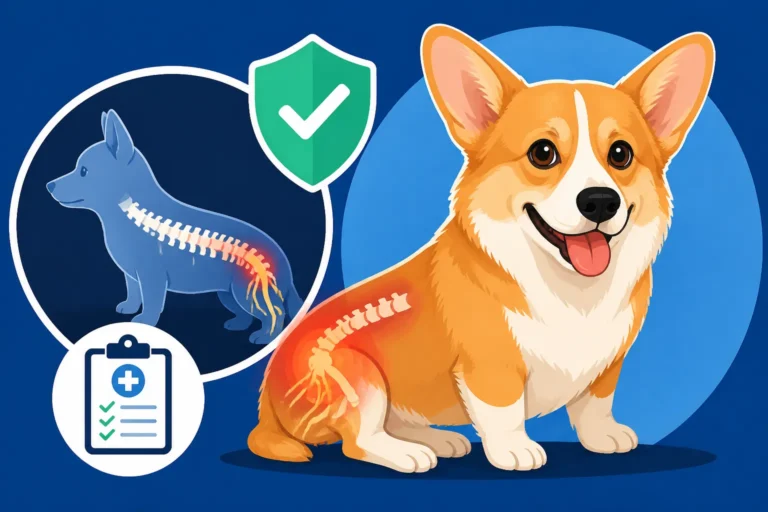
The discs themselves are like little jelly-filled donuts located between the vertebrae, acting as shock absorbers. When these discs degenerate, they become brittle and can either bulge out or rupture completely into the spinal canal. This puts pressure on the delicate spinal cord, leading to pain, neurological deficits, and in severe cases, paralysis. It’s a painful reality for our stocky, low-riding friends, and it’s why understanding Disc Disease in a Long-Backed Corgi is so crucial for any Corgi parent.
The Anatomy of a Corgi's Vulnerable Spine
A Corgi's unique build, with its long back and relatively short legs, is truly a double-edged sword. While perfectly suited for nipping at the heels of cattle without getting kicked, it places immense mechanical stress on their spine. Imagine a long bridge supported by short, sturdy pillars; that’s essentially your Corgi’s back. Each disc in that long spine is under constant pressure from movement, twisting, and jumping. When the inherent weakness from chondrodystrophy is added to this structural predisposition, the stage is set for potential problems.
The hardening process, known as chondroid metaplasia, often starts when Corgis are still quite young, sometimes even before they are a year old. By the time they reach middle age, say between three and seven years old, many Corgis have discs that are more like hard lumps than pliable cushions. This means a seemingly innocuous jump off the sofa or an awkward twist during play can be enough to trigger a severe disc event. The cumulative stress over time, rather than a single traumatic event, is often the true culprit.
Types of Disc Injuries and Their Severity
Disc injuries in Corgis primarily fall into two categories, known as Hansen Types, which can influence both the initial treatment and the risk of recurrence.
Hansen Type I injuries are typically acute and severe. This is where the hardened, central part of the disc (the nucleus pulposus) suddenly ruptures through the outer fibrous ring (annulus fibrosus) and forcefully impacts the spinal cord. It's often likened to a cherry pit being squeezed out of a cherry. These events are often very painful and can cause sudden neurological deficits, ranging from weakness and ataxia (wobbliness) to complete paralysis and loss of deep pain sensation. This is the kind of injury that usually necessitates immediate veterinary attention and often leads to discussions about Spinal Surgery on a Corgi. The age Corgi disc problems usually appear for this type is typically between 3 and 7 years.
Hansen Type II injuries are more chronic and progressive. Here, the outer fibrous ring of the disc slowly bulges or protrudes into the spinal canal, rather than rupturing explosively. This causes gradual compression of the spinal cord, leading to more subtle and slowly progressing signs of pain, weakness, or nerve dysfunction. These cases might present as a Corgi that's reluctant to jump, hesitates to climb stairs, or shows a generalized stiffness. While not as immediately dramatic as a Type I rupture, Type II can also cause significant discomfort and neurological impairment over time. It can sometimes be harder to distinguish these from other conditions like Degenerative Myelopathy, which is why Telling a Corgi's Slipped Disc From Myelopathy is a skill every Corgi owner should aim to understand.
The severity of the initial injury, regardless of type, is graded by veterinarians on a scale from 1 to 5, with Grade 1 being mild pain and Grade 5 being complete paralysis with no deep pain sensation. The grade of injury, along with the specific type (Type I or Type II) and the location of the affected disc(s), all play a role in determining the immediate treatment plan and, importantly, the prognosis for recovery and the likelihood of future episodes.
The Likelihood of a Corgi Disc Injury Recurring
The short answer is yes, a Corgi disc injury can recur. The unfortunate truth about IVDD in chondrodystrophic breeds like Corgis is that it's a degenerative disease, not a one-time event caused by external trauma. The underlying genetic predisposition means that if one disc has degenerated enough to cause a problem, it's highly probable that other discs in their spine have also undergone similar changes. This means that even after successful treatment of one disc, other compromised discs remain vulnerable to future injury. While recurrence rates vary widely depending on the study and the treatment method, it's a very real concern for Corgi owners.
Factors That Increase Recurrence Risk
Several factors significantly influence the chances of a Corgi experiencing a second, or even third, disc injury. Understanding these can empower you to take preventative action.
- Genetics and Breed Predisposition: As already discussed, the Corgi's inherent chondrodystrophy is the foundational risk factor. You can't change your Corgi's breed, but you can manage the environmental factors.
- Weight Management: This is perhaps one of the most controllable and crucial factors. An overweight Corgi carries extra strain on every part of its body, especially its long spine. Imagine carrying a heavy backpack all day, every day – that’s what excess weight feels like to your Corgi's delicate discs. For more on this, see Why Corgi Weight Is a Spinal Problem. Even an extra pound or two can significantly increase the load on already compromised discs, making them more prone to herniation.
- Activity Levels and Type of Exercise: High-impact activities such as jumping on and off furniture, repetitive stair climbing, rough play with larger dogs, or intense agility training without proper conditioning can all put undue stress on the Corgi spine. While exercise is vital, the type of exercise needs to be carefully considered to protect their back.
- Lack of Environmental Modifications: If a Corgi has had one disc injury, but its home environment remains unchanged (e.g., no ramps, no blocked off stairs), the risk of another injury remains high. They are creatures of habit and will often repeat behaviors that led to the initial injury.
- Severity of Previous Injury: Some studies suggest that dogs with more severe initial injuries, or those with multiple affected discs identified on imaging, might have a slightly higher recurrence risk, although this isn't universally agreed upon. What is certain is that a severe injury often means more spinal changes have occurred.
- Incomplete Recovery or Rehabilitation: If your Corgi didn't fully recover strength and muscle mass after the first injury, or if recommended rehabilitation was not followed diligently, their overall spinal stability might be compromised, increasing vulnerability.
How Initial Treatment Influences Future Episodes
The chosen treatment method for the initial disc injury can also play a role in the recurrence rate, though it's important to frame this correctly. Neither conservative management nor surgery completely eliminates the risk of another disc event because the underlying degenerative process continues throughout the spine.
- Conservative Management (Crate Rest and Medication): For Corgis with milder IVDD symptoms (Grade 1 or 2), conservative management is often the first line of defense. This involves strict Crate Rest for a Corgi With a Bad Back, usually for 4-6 weeks, along with anti-inflammatory medications and pain relief. The goal is to allow the disc to heal, the swelling to subside, and the body to reabsorb some of the herniated material. While many Corgis recover well with conservative care, recurrence rates can be higher compared to surgical intervention. This is because conservative management doesn't address the physically displaced disc material or prevent other degenerated discs from becoming problems in the future. Studies indicate that up to 40-50% of dogs treated conservatively may experience a recurrence within their lifetime.
- Surgical Intervention: For Corgis with more severe neurological deficits (Grade 3-5), or those that don't respond to conservative management, surgery is often recommended. Procedures like hemilaminectomy involve removing bone to decompress the spinal cord and extract the herniated disc material. Crucially, surgeons often perform a "fenestration" procedure on adjacent, healthy-looking discs during surgery. Fenestration involves making a small window in the outer part of the disc and removing the inner nucleus, essentially "hollowing out" potential problem discs to prevent them from rupturing in the future.
- While surgery offers a higher chance of immediate recovery from the acute episode and a lower recurrence rate at the same site, it doesn't make the entire spine immune. Recurrence can still happen, often in a different disc that wasn't fenestrated or has since degenerated. Recurrence rates post-surgery are generally cited to be in the 5-20% range. It’s also important to remember that Whether a Corgi Recovers From a Disc Rupture is dependent on many factors, even with surgery.
Ultimately, both methods aim for a full recovery from the current injury. The key takeaway is that the degenerative nature of IVDD means lifelong vigilance and management are required, regardless of initial treatment.
Proactive Steps to Prevent Future Disc Problems
The good news is that Corgi owners are not powerless against recurrence. There are many impactful steps you can take to significantly reduce the risk and safeguard your dog’s spinal health.
Weight Management and Nutrition for Spinal Health
This cannot be stressed enough: maintaining an ideal body weight is paramount for Corgis. Every extra pound your Corgi carries puts added strain on their spine and joints, accelerating disc degeneration and increasing the likelihood of another injury.
- Precision Feeding: Move away from simply filling the bowl. Measure your Corgi's food precisely, using a kitchen scale for accuracy. Consult your vet to determine the ideal caloric intake for your dog's activity level and target weight. Many Corgis thrive on two smaller meals a day, rather than one large one.
- Monitor Body Condition Score: Learn to assess your Corgi's body condition. You should be able to feel their ribs easily without pressing hard, and they should have a discernible waist when viewed from above and a slight tuck in their abdomen from the side. The Body Condition Score a Corgi Should Hold is a great resource to understand what to aim for.
- Healthy Treats: Treats should be factored into their daily calorie allowance. Opt for low-calorie options like plain cooked green beans, carrot slices, or small pieces of lean, cooked meat. Avoid high-fat or sugary human foods.
Modifying the Home Environment
Preventing jumps and awkward movements is critical. Corgis, despite their short legs, love to jump, whether it’s onto the sofa, off the bed, or into the car. These vertical impacts and twists can be catastrophic for their vulnerable discs.
- Ramps and Steps: Invest in sturdy, non-slip ramps or pet steps for access to furniture and beds. Teach your Corgi to use them consistently. This might take patience and positive reinforcement, but it's an investment in their long-term health. Read up on Ramps and Steps That Save a Corgi's Back for specific recommendations.
- Block Off Stairs: If you have stairs in your home, consider using baby gates to prevent your Corgi from using them unsupervised. While some Corgis can navigate stairs, the repetitive motion, especially going down, can be risky. Ideally, they should be carried up and down stairs, if possible, or taught to use a ramp if available.
- Car Access: Always use a ramp or safely lift your Corgi into and out of vehicles. Even a small jump can be dangerous, especially if they twist incorrectly.
- Non-Slip Flooring: If you have slippery floors (hardwood, tile), consider laying down runners or rugs to provide traction. Slipping and sliding can cause sudden hyperextension or twisting of the spine.
- Supportive Bedding: Provide orthopedic beds that offer good support, distributing their weight evenly and not allowing them to sink or slouch uncomfortably.
Appropriate Exercise and Activity
Regular exercise is vital for muscle strength and overall health, but for Corgis, it needs to be the right kind of exercise.
- Controlled Walks: Daily, moderate-length walks on a leash are excellent. Focus on steady, controlled movement on flat or gently sloped terrain. Avoid sudden starts, stops, or extreme turns.
- Swimming: If your Corgi enjoys it and you have access, swimming is a fantastic low-impact exercise that builds core strength without stressing the spine. Ensure they wear a dog life vest for safety.
- Avoid High-Impact Activities: Discourage jumping games, excessive fetch that involves quick turns, or rough play with dogs much larger or more boisterous than them. Avoid dog parks where uncontrolled play might lead to injury. If you’re considering dog sports, research Whether Agility Is Safe for a Corgi's Spine carefully and consult with a veterinary rehabilitation specialist.
- Core Strength Exercises: Consult with a vet or certified canine rehabilitation therapist for gentle exercises that build core muscle strength, which helps support the spine. These might include gentle stretches, balancing exercises, or specific walking patterns.
Regular Vet Check-ups and Early Detection
Early detection of subtle changes can make a huge difference in managing disc disease and preventing severe episodes.
- Annual Exams: Don't skip your Corgi's annual veterinary check-ups. Your vet can monitor their weight, gait, and overall spinal health. They can also discuss Screening an Older Corgi's Spine if your Corgi is entering their senior years.
- Be Vigilant for Subtle Signs: Corgis are stoic, but pay attention to any changes in behavior:
- Reluctance to jump or use stairs
- Yelping when lifted or touched in certain areas
- Changes in gait, like wobbliness, dragging a paw, or knuckling over
- Reduced activity levels or changes in posture
- Shaking, panting, or unusual anxiety
- Any signs of incontinence or difficulty urinating/defecating
- Prompt Action: If you notice any of these signs, contact your vet immediately. Acting quickly, especially if you see How Fast a Corgi Disc Injury Needs Treating, can often mean the difference between conservative management and emergency surgery.
Navigating a Recurrent Disc Injury
Even with the most diligent preventative care, the reality is that recurrence can happen. It doesn't mean you've failed as an owner, but it does mean you need to be prepared to act swiftly and decisively.
Recognizing the Signs of a Second Episode
Many of the signs of a recurrent disc injury will mirror the first one, but sometimes they can be different depending on which disc is affected. Pay very close attention to any changes in your Corgi's mobility, behavior, or pain signals.
- Sudden Weakness or Paralysis: This is often the most alarming sign, typically affecting the hind legs, but sometimes the front legs if the injury is in the neck. Your Corgi might stumble, drag their paws, or be unable to stand or walk.
- Pain: This can manifest as yelping, crying, shivering, panting, reluctance to move, guarding a specific area of their back or neck, or an unusual hunched posture. They might cry out if picked up, especially when lifted under the chest.
- Ataxia (Wobbliness): Your Corgi might appear drunk, uncoordinated, or sway significantly when standing or walking. Their back legs might cross over each other.
- Incontinence: Loss of bladder or bowel control is a serious neurological sign and requires immediate veterinary attention.
- Changes in Appetite or Mood: A Corgi in pain might refuse to eat, become withdrawn, or show aggression when approached.
If you observe any of these symptoms, consider it an emergency and contact your veterinarian or a veterinary neurologist right away. Knowing the Emergency Signs of a Corgi Disc Injury can save precious time and improve the prognosis.
Treatment Options for Recurrence
Treatment for a recurrent disc injury will depend heavily on the severity of the new episode, the location of the injury, and your Corgi's previous medical history.
- Veterinary Assessment: Your vet will perform a thorough neurological exam to localize the lesion and assess the grade of injury. This will likely be followed by diagnostic imaging.
- Diagnostic Imaging: X-rays can show calcified discs, but usually, a more advanced imaging technique like an MRI (Magnetic Resonance Imaging) or CT (Computed Tomography) scan is required to precisely identify the affected disc(s) and the degree of spinal cord compression. An MRI is the gold standard for diagnosing IVDD, providing detailed images of soft tissues and nerve structures. Understanding What an MRI Shows in a Corgi Back can help you grasp the diagnostic process.
- Conservative vs. Surgical:
- If the recurrence is mild and your Corgi responded well to conservative management previously, your vet might recommend another round of strict crate rest and anti-inflammatory medications.
- However, if the symptoms are severe, if conservative management failed the first time, or if the current episode is in a new, critical location, surgical intervention will likely be discussed. This might involve another spinal surgery, potentially with fenestration of additional vulnerable discs.
- Rehabilitation and Pain Management: Regardless of treatment choice, post-injury care is paramount. This will involve pain relief for an old Corgi's back, often a combination of medications. Physical rehabilitation, including hydrotherapy and therapeutic exercises, plays a crucial role in regaining strength, muscle mass, and proprioception (awareness of body position), especially if your Corgi has undergone surgery.
It’s a tough road, emotionally and financially, but with dedication and prompt action, many Corgis can lead fulfilling lives even after multiple disc incidents.
Financial Preparedness for Ongoing Spinal Care
The costs associated with diagnosing and treating Corgi disc injuries can be substantial. An MRI alone can run into thousands of dollars, and spinal surgery can easily reach $5,000-$10,000 or more, depending on your location and the complexity of the procedure. Add to that ongoing medication, rehabilitation sessions, and potential future recurrences, and the financial burden can be overwhelming.
This is where a good pet insurance plan, perhaps from a provider like Healthy Paws, can truly be a lifesaver. Enrolling your Corgi early, before any disc issues arise, is critical. Once a disc injury has occurred, it often becomes a pre-existing condition, meaning future claims related to IVDD might not be covered. A comprehensive policy can help cover a significant portion of the costs for diagnostics, surgery, specialist consultations, and even rehabilitation therapies. Having that financial safety net in place can allow you to make treatment decisions based on what’s best for your Corgi, rather than on your wallet. Always research different plans and understand their coverage for orthopedic and neurological conditions, as well as their annual limits and deductibles.
Another approach is to establish a dedicated savings fund specifically for potential veterinary emergencies. While it requires discipline to build up, having readily available funds can provide peace of mind. Many owners opt for a combination of both: insurance for catastrophic events and a savings fund for smaller, routine unexpected costs or deductibles.
Managing Lifelong Spinal Health for Your Corgi
Living with a Corgi who has experienced a disc injury means committing to a lifestyle that prioritizes their spinal health every single day. It’s not just about treating the acute episodes, but about proactive, consistent management.
- Consistency is Key: Ramps, weight control, and appropriate exercise must be consistent throughout their life. It's not a temporary measure but a permanent shift in how you care for your Corgi.
- Regular Monitoring: Continuously watch for any subtle changes in your Corgi's gait, willingness to move, or signs of pain. You know your dog best, and you're their first line of defense.
- Build a Support Team: Establish strong relationships with your primary veterinarian, and if possible, a board-certified veterinary neurologist or rehabilitation specialist. They are invaluable resources for managing a Corgi with IVDD.
- Stay Informed: The more you understand about Corgi spinal health, the better equipped you'll be to advocate for your dog. Resources like Whether a Corgi Needs Surgery or Rest can help you weigh options with your vet.
It’s a lot to take in, and it can feel daunting, but the joy and companionship a Corgi brings are immeasurable. With thoughtful care, environmental adjustments, and a close partnership with your veterinary team, you can give your Corgi the best possible chance at a long, comfortable, and recurrence-free life.
| Factor | Impact on Recurrence Risk | Management Strategy |
|---|---|---|
| Genetics (Chondrodystrophy) | High (Inherent) | Cannot be changed; manage all other controllable factors. |
| Excess Weight | High | Strict diet, measured portions, healthy low-calorie treats. |
| High-Impact Activities | High | Eliminate jumping, rough play; opt for controlled walks/swimming. |
| Slippery Floors | Moderate | Install rugs/runners, ensure traction. |
| Untreated Previous Discs | Moderate to High | Consider fenestration during surgery; lifelong vigilance. |
| Incomplete Rehab | Moderate | Follow vet/rehab therapist instructions diligently post-injury. |
| Age | Moderate (Older Corgis) | Increased vigilance, regular vet checks, gentle activity. |
| Home Environment (No Ramps) | High | Install ramps/steps, block stairs, lift into car. |
Disclaimer
The information provided in this article is for general informational purposes only and is not a substitute for professional veterinary advice. Always consult with a qualified veterinarian regarding your Corgi's specific health concerns, diagnosis, and treatment options. If your Corgi shows signs of pain or neurological issues, seek immediate veterinary attention.