Bowed Front Legs in a Corgi Puppy
It’s a sight that can send a jolt of worry through any new Corgi parent: those adorable, stubby front legs that, while characteristic of the breed, appear just a little too bowed. You might find yourself questioning if this is simply a part of their unique charm, or if it signals something more serious brewing underneath that fluffy exterior. This guide is here to walk you through understanding what's normal for a Corgi puppy's front legs, recognizing potential red flags, and knowing when it's time to seek veterinary guidance to ensure your furry friend grows up happy and healthy.
Understanding the Unique Corgi Build and Development
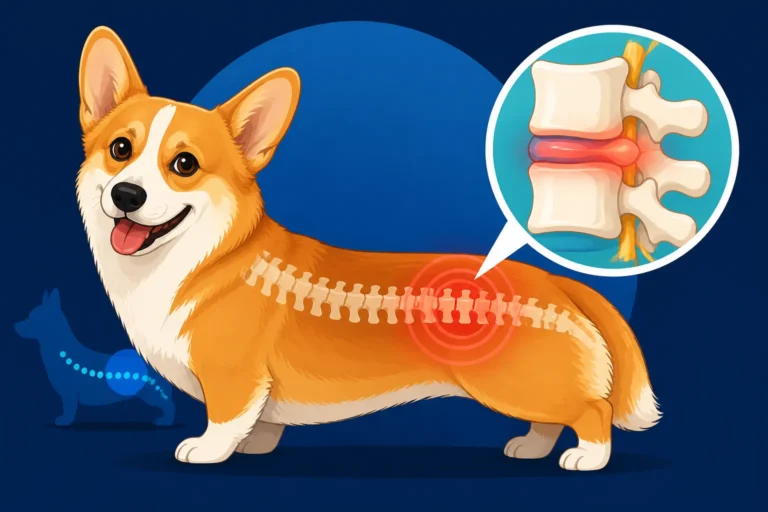
When you look at a Corgi, one of the first things that strikes you is their distinctive silhouette: a long body perched atop those wonderfully short legs. This isn't by accident; it's a fundamental part of their genetic makeup, designed for their historical role as cattle-herding dogs. But this special build also means their skeletal development has its own nuances, which can sometimes look a bit alarming if you're not expecting it.
The Distinctive Corgi Anatomy
Corgis, both Pembroke and Cardigan Welsh Corgis, are what's known as chondrodystrophic breeds. This fancy word simply means they have a genetic trait that causes disproportionately short limbs relative to their body length. Think of Dachshunds, Basset Hounds, or even certain bulldog breeds – they all share this characteristic. For Corgis, this short-legged stature was incredibly useful for herding cattle; they could duck and weave under the cows' hooves without getting kicked.
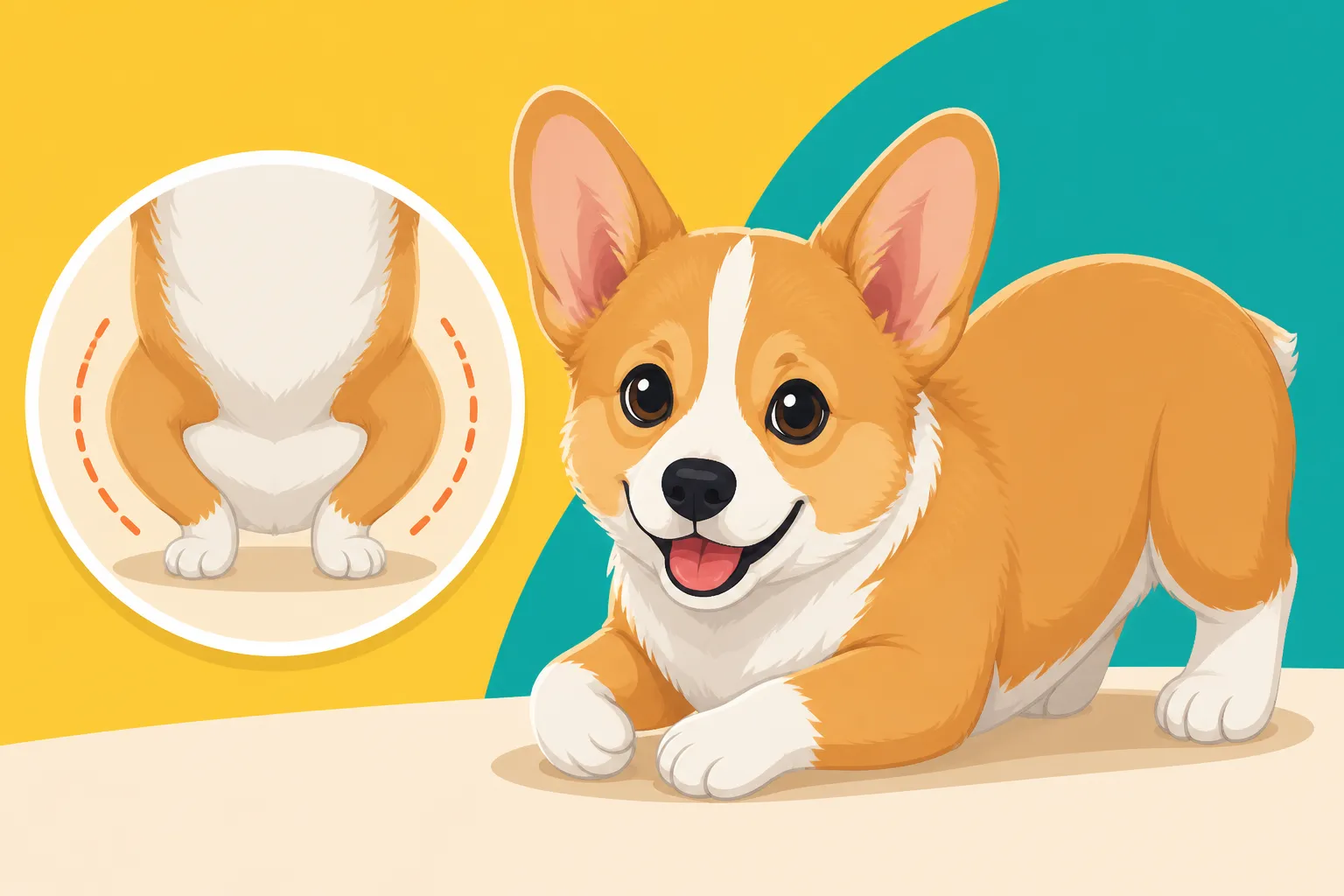
Because of this chondrodystrophy, a Corgi's front legs will naturally have a slight outward turn or a mild bow, especially as puppies. Their forelegs are designed to be sturdy and strong, capable of supporting their robust bodies, but they don't grow in the same perfectly straight lines you might see in a non-chondrodystrophic breed like a Labrador or a Golden Retriever. This natural angulation helps them maintain balance and maneuverability despite their low-slung build. It’s crucial to distinguish this normal, functional bow from something that indicates a developmental problem.
Growth Plate Development in Puppies
A puppy's bones don't just grow evenly from end to end. Instead, they lengthen primarily at areas called growth plates (or physes), which are layers of cartilage near the ends of long bones. These growth plates are softer and more vulnerable than the hardened bone that surrounds them, and they gradually close and ossify (turn into bone) as the puppy matures. For Corgis, like most breeds, these plates generally close by about 12 to 18 months of age, though the exact timing can vary slightly.
During this period of rapid growth, especially in the first six months, the delicate balance of nutrition, exercise, and genetics is paramount. Any disruption can potentially impact how these growth plates develop, leading to abnormal bone formation. For a Corgi puppy, who is already predisposed to a unique limb structure, careful management during this critical phase is even more important. Understanding this developmental timeline helps us appreciate why certain factors, from diet to playtime, can have such a profound effect on how their legs ultimately form. This is also why many reputable breeders will recommend specific guidelines for a Corgi puppy's early months to avoid undue stress on developing joints and bones.
Common Causes of Bowed Front Legs in Corgi Puppies
While a mild bow can be perfectly normal for a Corgi, there are instances where the bowing is more pronounced or symptomatic, indicating an underlying issue. These causes can range from genetic predispositions to environmental factors or nutritional imbalances. Pinpointing the exact cause is crucial for proper treatment and ensuring your puppy's long-term health.
Genetic Predispositions and Inherited Conditions
Beyond the standard chondrodystrophy that gives Corgis their short legs, certain genetic conditions can lead to more significant and problematic bowing. These are often inherited and can impact the way bones and joints develop.
One such concern is premature growth plate closure, particularly in the ulna, one of the two bones in the forearm. If the ulnar growth plate closes too early, while the radius (the other forearm bone) continues to grow, it can cause the radius to bow and twist, leading to a visibly deformed leg and often lameness. This condition, sometimes called "retained ulnar cartilage core" or "asynchronous growth," requires veterinary attention. Reputable breeders typically screen their breeding dogs for skeletal abnormalities and conditions like elbow dysplasia, which can sometimes manifest with abnormal limb development, though elbow issues in Corgis are less common than in some other large breeds. While it's focused on their hind end, understanding genetics is why many breeders emphasize checking things like Corgi Hips and Front-End Structure as part of a comprehensive health screening. If you're considering getting a Corgi, looking into The DNA Tests a Corgi Breeder Should Run can give you peace of mind about inherited conditions.
Nutritional Imbalances
It might seem counterintuitive, but feeding a growing puppy too much of a good thing, particularly calcium and phosphorus, can be just as detrimental as feeding too little. Large breed puppy formulas are often designed to support slower growth, but Corgis aren't technically "large breed" dogs, despite their sturdy build and tendency to pack on weight if left unchecked.
Over-supplementation of calcium or vitamin D, or feeding a diet with an incorrect calcium-to-phosphorus ratio, can disrupt the delicate process of bone mineralization and growth plate development. This can lead to conditions like osteochondrosis (OCD), where cartilage fails to convert to bone properly, or even contribute to abnormal bone growth that manifests as bowing. Conversely, severe nutritional deficiencies can also impact bone health, but this is less common with readily available high-quality commercial puppy foods. The key is to feed a balanced, age-appropriate diet, specifically formulated for medium-sized puppies, and avoid adding supplements unless explicitly directed by your vet. Learning about Keeping a Growing Corgi Puppy on the Thin Side is vital, as excess weight during growth also places undue stress on developing bones and joints.
Environmental Factors and Injury
A puppy's environment and activity levels play a significant role in their skeletal development. While Corgis are robust, their low-slung bodies make them susceptible to certain environmental stressors.
- Slippery Surfaces: Continuously moving on slippery surfaces like hardwood or tile floors can cause puppies to splay their legs, putting unnatural stress on their developing joints and muscles. This can exacerbate any underlying tendency towards bowing or contribute to joint laxity. Providing carpets, runners, or non-slip mats, as discussed in Flooring Changes a Corgi Owner Makes, is crucial for a Corgi household.
- Excessive Jumping and High-Impact Activities: While Corgi puppies have boundless energy, allowing them to jump on and off furniture or engage in repetitive, high-impact activities can strain their growth plates and developing joints. Their long backs are already prone to issues later in life, so protecting their young skeletons is paramount. A good rule of thumb is to limit vigorous activity and ensure jumps are minimized. Consider Ramps and Steps That Save a Corgi's Back from an early age, even for puppies, to prevent risky jumps.
- Over-Exercise: While exercise is good, too much too soon can be problematic. A general guideline is 5 minutes of structured exercise per month of age, twice a day, for puppies. Exceeding this, especially with forced runs or long hikes, can lead to repetitive stress injuries on soft growth plates. This is why guidelines for How Far a Corgi Puppy Should Walk at Four Months are important.
An accidental fall or trauma to a growth plate can also lead to an injury that affects how the bone grows, potentially causing bowing if one side of the plate is damaged while the other continues to grow. These factors, combined with genetics and nutrition, paint a comprehensive picture of why a Corgi puppy might develop bowed front legs beyond their normal breed characteristic.
When to Worry and What a Vet Checks For
It’s easy to get caught in a spiral of worry when you notice something seemingly "off" with your beloved Corgi puppy. Distinguishing a normal Corgi posture from a genuine concern requires a keen eye and, often, the expertise of a veterinarian. Knowing what signs warrant a visit to the clinic and what to expect during a diagnostic workup can help alleviate anxiety and ensure timely intervention.
Signs That Warrant a Vet Visit
While a slight outward turn of the paws or a mild bow is typical for a Corgi, there are definite red flags that should prompt a call to your veterinarian. Don't hesitate to seek professional advice, especially if you notice any of these more concerning symptoms:
- Asymmetry: If one leg appears significantly more bowed than the other, or if one paw turns out much further, it could indicate an uneven growth rate or an injury. This asymmetry is often a strong indicator of a problem.
- Pain or Lameness: Any signs of pain, such as whimpering when touched, reluctance to put weight on a leg, limping (even intermittent), or difficulty getting up and down, are always concerning and demand immediate veterinary attention.
- Changes in Gait: Observe how your puppy walks. Are they scuffing their paws, tripping frequently, or adopting an unusual "bunny hop" gait? A Corgi that drags one back foot could be showing early signs of Degenerative Myelopathy and the Corgi, which is a different issue but highlights the importance of observing gait. However, changes specifically in front leg movement could indicate discomfort or a structural problem.
- Swelling or Heat: Palpate your puppy's legs gently. Any localized swelling, heat, or tenderness around a joint or bone could point to inflammation, infection, or an injury to the growth plate.
- Worsening Bowing: If the bowing appears to be rapidly progressing or becoming more severe over a short period, this suggests an active developmental issue that needs to be addressed.
- Reluctance to Play or Exercise: A sudden decrease in activity level, an unwillingness to play, or appearing generally subdued could be a subtle sign of discomfort or pain from a skeletal issue.
Remember, early detection is key with many developmental orthopedic conditions. If you're seeing any of these signs, don't just wait and see; get your puppy checked out. Having pet insurance like Healthy Paws in place before any symptoms appear can be incredibly helpful for managing unexpected diagnostic and treatment costs.
The Diagnostic Process at the Vet
When you bring your Corgi puppy to the vet with concerns about bowed front legs, your veterinarian will undertake a thorough diagnostic process to understand what's happening.
- Comprehensive Physical Examination: The vet will start with a complete physical exam, paying close attention to your puppy's legs, joints, and overall body condition. They will gently palpate the bones and joints, checking for pain, swelling, instability, or abnormal ranges of motion. They might assess your puppy’s The Body Condition Score a Corgi Should Hold to rule out obesity contributing to stress on the joints.
- Gait Analysis: The vet will observe your puppy walking, trotting, and sometimes even running, to assess their gait and identify any lameness, stiffness, or abnormal weight bearing. They might watch your puppy move on different surfaces.
- Medical History: Be prepared to provide a detailed history, including when you first noticed the bowing, if it has worsened, any recent injuries, your puppy's diet, and any supplements they receive. Your vet will want to know if you've been consistent with The Vet Visits a Corgi Puppy Needs First.
- Radiographs (X-rays): This is usually the next step. X-rays allow the vet to visualize the bones and growth plates, identifying any deformities, premature closure, fractures, or other skeletal abnormalities. Sometimes, X-rays of both legs are taken for comparison, and specific views might be needed to assess growth plate alignment.
- Blood Tests: In some cases, blood work might be recommended, particularly if nutritional deficiencies or metabolic bone diseases are suspected, though this is less common.
- Referral to a Specialist: If the X-rays are inconclusive or suggest a complex orthopedic issue, your vet might recommend a referral to a veterinary orthopedic specialist or a veterinary neurologist. These specialists have advanced training and equipment, such as CT scans or MRIs (similar to how What an MRI Shows in a Corgi Back is used for spinal issues), to get an even more detailed picture of the skeletal structures.
This systematic approach helps ensure an accurate diagnosis, which is the foundation for an effective treatment plan.
Differentiating Normal Corgi Bow from Concerning Issues
It’s truly a fine line sometimes, distinguishing between the charming, characteristic bow of a healthy Corgi and a bow that signals trouble. This table can help you understand the differences, but remember, when in doubt, a vet visit is always the best course of action.
| Feature | Normal Corgi Leg Angulation | Signs of Concern |
|---|---|---|
| Degree of Bow | Mild, symmetrical outward turn, especially at the pasterns | Pronounced, severe bowing; one leg significantly more bowed than the other |
| Symmetry | Generally symmetrical between both front legs | Noticeable asymmetry, one leg looks very different |
| Gait | Agile, confident, no lameness; slight "rolling" motion | Limping, stiffness, scuffing paws, reluctance to move, abnormal gait |
| Pain | No signs of pain or discomfort during movement or palpation | Whimpering, growling, flinching, or yelping when touched; reluctance to bear weight |
| Activity Level | Eager to play, runs, jumps (within safe limits) | Decreased play, lethargy, avoids movement, appears uncomfortable |
| Joint Appearance | Smooth, no obvious swelling or heat | Swelling around joints, warmth to the touch, visible lumps/bumps |
| Progression | Remains stable as puppy grows, or resolves slightly | Rapidly worsening bowing, new onset of pain or lameness |
| Pasterns | May have a slight outward turn | Severely turned out or in, splayed paws, knuckling over |
Observing your puppy closely, especially during play and rest, is your best tool. Small changes might be easy to miss, but consistent monitoring will help you identify when a vet needs to step in.
Management and Treatment Options
Once a diagnosis has been made, your veterinarian will discuss the various management and treatment options available for your Corgi puppy's bowed front legs. The approach will depend entirely on the underlying cause, the severity of the condition, and your puppy's age and overall health. It's never a one-size-fits-all solution, but a tailored plan designed to give your puppy the best possible outcome.
Conservative Approaches for Mild Cases
For mild cases of bowing, or those primarily caused by nutritional imbalances or environmental factors, your vet might recommend a conservative management plan. This approach focuses on supportive care and modifying factors that contribute to the problem.
- Dietary Adjustments: This is often the first line of defense. If over-nutrition or an imbalanced diet is suspected, your vet will guide you on switching to a high-quality puppy food specifically formulated for medium breeds, ensuring appropriate calcium and phosphorus levels. They might recommend precise portion control to maintain a lean body condition, as discussed in detail in Feeding a Corgi So Its Spine Carries Less. Avoid any additional supplements unless explicitly prescribed, as these can easily throw off the delicate nutritional balance.
- Controlled Exercise and Activity Modification: Limiting strenuous activities that put undue stress on developing joints is crucial. This doesn't mean no exercise, but rather controlled exercise. Short, leash-walks on soft surfaces are preferable to long runs or rough play. Discourage jumping off furniture or stairs, utilizing ramps or steps (see Ramps and Steps That Save a Corgi's Back) and ensuring safe, non-slip flooring throughout your home. Preventing your Corgi from performing risky behaviors like jumping is critical for their long-term health.
- Supportive Environment: Provide orthopedic beds that offer firm, even support for their body, helping to keep their spine and limbs aligned while resting. You can find more details on this in Beds That Hold a Corgi's Back Straight. Ensure non-slip surfaces are readily available, especially in high-traffic areas where your puppy plays or frequently moves.
- Supplements (with caution): While generally advised against without veterinary guidance, in some specific cases, a vet might recommend supplements like glucosamine and chondroitin, or omega-3 fatty acids, to support joint health. However, these are typically for joint support rather than correcting structural deformities, and their efficacy for growth plate issues can vary. It’s important to remember that Whether Supplements Protect a Corgi's Discs is a complex topic, and what applies to adult joint health might not directly apply to puppy growth plates.
Consistency with conservative management is key. It often requires patience and strict adherence to the vet's recommendations, but it can make a significant difference in how your puppy's legs develop.
Surgical Interventions for Severe Deformities
When conservative measures aren't enough, or if the bowing is severe, progressive, or causing pain and lameness, surgical intervention might be necessary. Orthopedic surgery on a growing puppy aims to correct the bone deformity and prevent further damage.
- Corrective Osteotomy: This is a common surgical procedure for significant bowing due to asynchronous growth of the forearm bones (ulna and radius). The surgeon might make a cut in the longer bone to allow the shorter bone to "catch up," or they may perform a wedge osteotomy where a section of bone is removed to straighten the limb. In cases of premature ulnar growth plate closure, a segment of the ulna might be removed to free up the radius and allow it to grow without restriction. This is a delicate procedure, often requiring specialized veterinary orthopedic surgeons.
- Growth Plate Manipulation: In some very specific cases, if caught early enough and the growth plate is still active, a surgeon might be able to subtly manipulate growth by placing implants (like screws or plates) to temporarily slow down one side of a growth plate, allowing the other side to catch up and straighten the limb. This is a highly specialized technique.
- Post-Surgical Care: Regardless of the specific procedure, post-surgical care is critical. This typically involves strict rest and confinement for several weeks or even months, similar to the protocols for Six Weeks of Crate Rest With a Corgi after a disc injury. Pain management, physical therapy, and regular follow-up X-rays will be essential to monitor healing and ensure proper alignment. The costs associated with such specialized surgery and aftercare can be substantial, which is where a robust pet insurance plan like Healthy Paws truly provides invaluable support, covering a significant portion of these unexpected expenses.
Long-Term Outlook and Prognosis
The long-term outlook for a Corgi puppy with bowed front legs varies greatly depending on the cause, severity, and timeliness of intervention.
- Early Intervention: For conditions identified and treated early, especially those related to nutrition or mild environmental factors, the prognosis is generally good. Many puppies can go on to live full, active lives with little to no long-term issues. This is why it’s always best to get concerns checked out promptly, rather than waiting to see if Whether a Corgi Puppy's Legs Straighten Out on their own.
- Genetic Conditions: If the bowing is due to more severe genetic skeletal deformities requiring surgery, the prognosis can still be very good, especially with successful surgical correction. However, these dogs might require ongoing monitoring for arthritis or other joint issues later in life. Physiotherapy, hydrotherapy (as used for Hydrotherapy for a Corgi Recovering From Surgery), and careful weight management will be crucial components of their long-term care to maintain mobility and comfort.
- Potential for Arthritis: Any abnormal joint mechanics, even after correction, can sometimes predispose a dog to developing arthritis earlier than normal. Regular veterinary check-ups, appropriate exercise, and maintaining a healthy weight become even more important for these dogs as they age.
- Quality of Life: The ultimate goal of any treatment is to ensure your Corgi puppy has a good quality of life, free from pain, and able to enjoy normal activities. With dedicated care and a proactive approach, even Corgis with significant early-life orthopedic challenges can thrive. Being prepared for potential lifelong veterinary care, with the financial backing of a comprehensive pet insurance plan like Healthy Paws, can significantly ease the burden and allow you to focus on your Corgi's well-being.
Your veterinary team will be your best resource for understanding the specific prognosis for your Corgi and helping you navigate their journey to health.
Disclaimer
The information provided in this article is for general educational purposes only and is not intended to be a substitute for professional veterinary advice, diagnosis, or treatment. Always seek the advice of your veterinarian or other qualified health provider with any questions you may have regarding a medical condition.