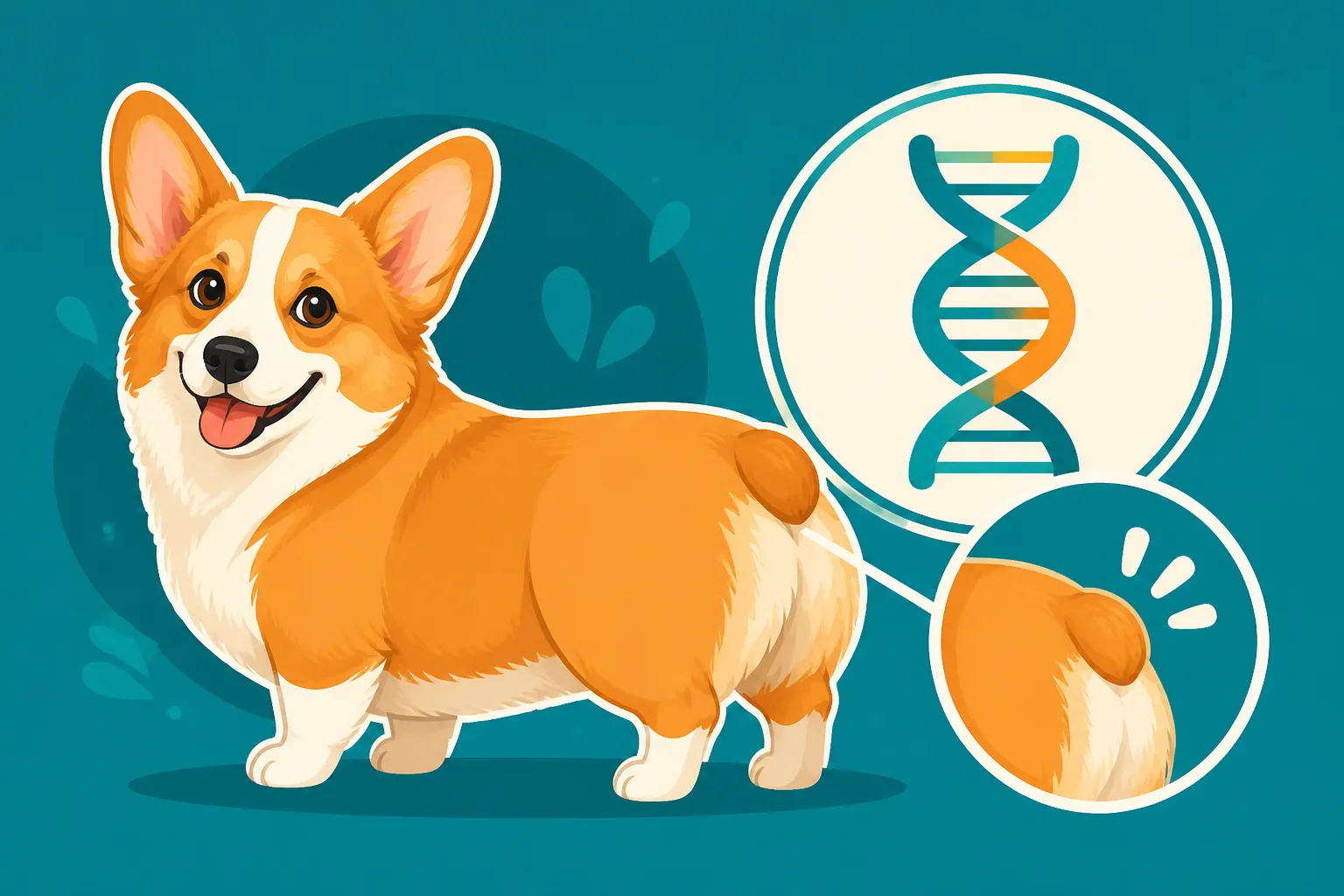
The Natural Bobtail Gene in Corgis
If you've spent any time admiring Corgis, you've probably noticed something about their adorable, fluffy behinds: some have short little nubs, while others sport a glorious, fluffy tail. This often sparks a big question – are all Corgi tails docked, or are some just born that way? It's a common point of confusion for new and experienced owners alike, and this guide is here to clear up the mystery of the natural bobtail gene in Corgis and what it all means.
Unpacking the Mystery of Corgi Tails
For generations, the image of a Corgi with a short, wiggling rear end has been iconic. It's so ingrained in our minds that many people automatically assume a Corgi without a long tail has undergone a procedure to achieve that look. And for a long time, they would have been right! But the landscape of Corgi tails is changing, and understanding the history and the science behind it is key to appreciating these delightful dogs fully.
A Brief History of Tail Docking in Corgis
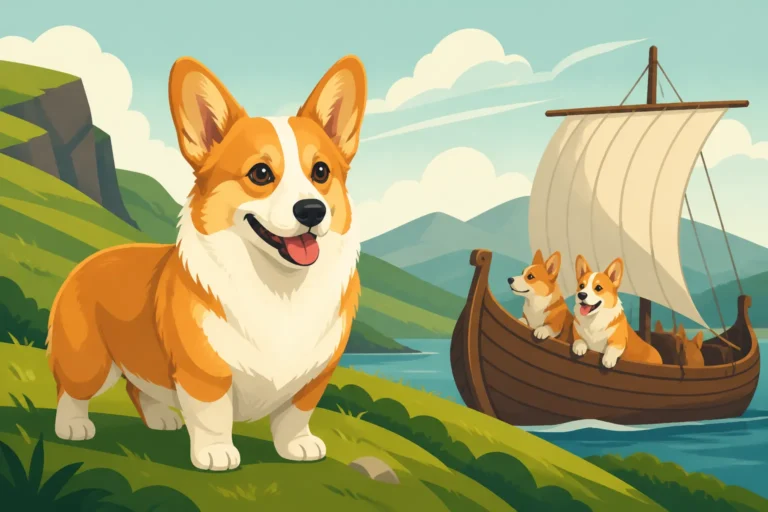
Historically, Corgis were bred to be working dogs, specifically for herding cattle in Wales. Their low stature allowed them to nip at the heels of stubborn livestock while avoiding dangerous kicks. In this working environment, a long tail could be a liability. It could get stepped on, caught in machinery, or injured in other ways while navigating fields and farm buildings. To prevent these potential injuries, tail docking became a routine practice for Corgi puppies, usually performed within the first few days of life. It was seen as a pragmatic measure to protect the dog and maintain its ability to perform its job effectively.
Beyond the practical working aspect, docking also became a deeply rooted tradition and an aesthetic expectation for the breed, particularly the Pembroke Welsh Corgi. For many years, the breed standard for Pembrokes in certain regions specifically called for a docked tail, further cementing this look in the public's mind. It was simply "how a Corgi should look," a characteristic feature that, for many, defined the breed's silhouette. This tradition persisted for decades, even as fewer Corgis actually worked on farms.
However, over the past few decades, there's been a significant shift in ethical perspectives regarding cosmetic procedures for animals, including tail docking. Many countries, particularly in Europe and parts of Australia, have completely banned or severely restricted tail docking for non-medical reasons. This legislative change has led to more and more Corgis, especially Pembrokes, sporting their natural, undocked tails, which can be quite long and fluffy. This means that seeing a Corgi with a full tail is becoming increasingly common, challenging the long-held visual expectation of the breed. For a deeper dive into the historical context, check out Why Pembroke Tails Were Docked Historically.
The Difference Between Docked and Naturally Bobbed Tails
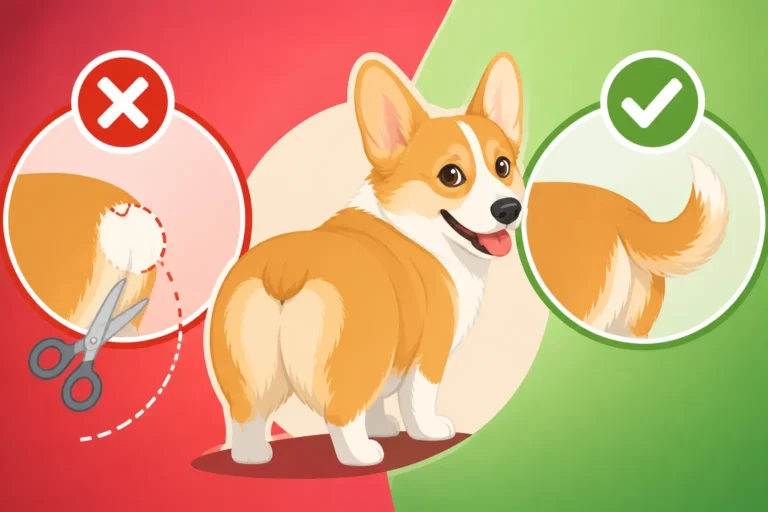
When you look at a Corgi with a short tail, how can you tell if it's been docked or if it was born that way? It's a great question, and while it might not always be immediately obvious to the untrained eye, there are distinct differences. A docked tail is the result of a surgical procedure. It's essentially an amputation, performed on puppies usually when they are just a few days old. The aim is to remove most of the tail, leaving a short stub. If you were to examine a docked tail closely, you might notice a subtle scar where the tail was cut, or the end might feel unnaturally blunt and uniform. The bones within the remaining stub would typically end abruptly.
In contrast, a natural bobtail (NBT) is a genetic trait. These Corgis are simply born with a tail that is naturally shorter than a full-length tail, or sometimes even completely absent. There's no surgical intervention involved. The length can vary quite a bit with a natural bobtail – some might have a very short, almost invisible nub, while others could have a tail that's a few inches long, sometimes with a kink or a curl. Because it's a natural development, there's no scar tissue, and the bone structure at the end of the tail will feel more organic, tapering off naturally rather than having a blunt, surgical cut.
This distinction is important not just for curiosity, but also for understanding the health and breeding aspects of Corgis. Knowing whether a Corgi's short tail is due to genetics or surgery informs conversations with breeders and helps owners understand their dog's unique physical characteristics. The shift towards accepting and even celebrating undocked tails has also brought the natural bobtail gene into sharper focus, as it provides a way for Corgis to have a short tail without requiring a procedure. If you're curious about the current legal landscape, Whether Corgi Tail Docking Is Still Legal Here has more information.
The Genetics Behind the Natural Bobtail
The natural bobtail in Corgis isn't just a random occurrence; it's a fascinating example of how specific genes can influence physical traits. Understanding the science behind it can help us appreciate the complexities of canine genetics and why some Corgis are born with shorter tails while others have long, flowing plumes. It’s all down to a tiny but powerful piece of genetic code.
The T-Box Gene and Its Role
The secret to the natural bobtail in Corgis lies within a specific gene known as the T-box transcription factor gene, often shortened to the T-gene. Specifically, scientists have identified a mutation in this gene, known as the C189G mutation, that is responsible for the bobtail trait in several dog breeds, including the Pembroke Welsh Corgi. This gene plays a critical role in the early embryonic development of the tail. Think of it as a set of instructions that tells the body how to build the tail bones and structure.
When this particular mutation is present, those instructions are altered, leading to an incomplete development of the tail. This means the tail bones either don't form to their full length or stop developing prematurely. What's particularly interesting is that this is an autosomal dominant gene. This means that a dog only needs to inherit one copy of the mutated gene from either parent to potentially display the bobtail trait. However, it's also considered to have "incomplete penetrance," which means that even if a dog carries the gene, the exact length and shape of the bobtail can vary, and in very rare cases, a dog with the gene might even have a near-normal length tail.
How the Gene is Inherited and Expressed
Understanding how the T-box gene is passed down is crucial for breeders and curious owners. Since it's a dominant gene, a Corgi typically inherits one copy of the bobtail gene (N) and one copy of the normal tail gene (n) to be naturally bobtailed (Nn). This is referred to as being heterozygous for the trait. If a Corgi inherits two copies of the normal gene (nn), it will have a full-length tail.
Here’s a simplified look at how it might play out:
- Bobtail Parent (Nn) x Full-Tail Parent (nn): Roughly 50% of the puppies would be expected to inherit one NBT gene and thus have a natural bobtail, while the other 50% would have full tails.
- Bobtail Parent (Nn) x Bobtail Parent (Nn): This is where it gets a little more complex. In this scenario, roughly 25% of the puppies might inherit two copies of the NBT gene (NN), 50% would inherit one copy (Nn) and have a bobtail, and 25% would inherit two normal genes (nn) and have a full tail. The 'NN' scenario, or homozygous bobtail, has been a point of concern in other breeds, as it can sometimes be associated with severe spinal defects or even be lethal. However, a key distinction for Pembroke Welsh Corgis is that the specific T-box gene mutation found in them is not associated with such severe defects. This is a critical piece of information that sets the Corgi's natural bobtail apart from some other breeds' bobtail genes.
This genetic understanding allows breeders to make informed decisions. They can use genetic tests to determine whether a Corgi carries the natural bobtail gene, helping them predict litter outcomes and make responsible breeding choices without relying on surgical docking. Reading a Corgi SOD1 Test Result (while about DM, highlights the principle of genetic testing) and The DNA Tests a Corgi Breeder Should Run are excellent resources for understanding the broader importance of genetic testing.
Health Implications and Ethical Considerations
The presence of the natural bobtail gene in Corgis, particularly Pembrokes, has spurred important conversations among breeders, veterinarians, and owners. While many are keen to embrace natural traits and avoid cosmetic surgeries, it's vital to examine any potential health implications and uphold the highest ethical breeding standards.
Potential Health Concerns Associated with the Gene
When discussions about natural bobtails arise in other breeds, concerns about associated health issues, particularly spinal defects or lethality in homozygous individuals (those inheriting two copies of the bobtail gene), are often prominent. For example, in breeds like the Manx cat, the bobtail gene is known to cause severe spinal problems. This led to initial caution and concern among Corgi enthusiasts when the natural bobtail gene was identified in the breed.
However, and this is a crucial point, the specific T-box gene mutation responsible for the natural bobtail in Pembroke Welsh Corgis has been extensively studied and is generally considered benign. Unlike some other bobtail mutations found in other species or breeds, inheriting two copies of the Corgi natural bobtail gene (making the dog homozygous, NN) is not associated with lethal defects or severe spinal malformations in Corgis. This is a significant difference that often gets overlooked or confused with information pertaining to other breeds. Therefore, the common fear that breeding two naturally bobtailed Corgis would result in severely deformed or non-viable puppies is, for this specific Corgi mutation, largely unfounded.
That said, while the specific Corgi NBT gene doesn't carry these severe risks, general principles of responsible breeding always apply. Any breeder should be vigilant for overall health and structure. Puppies should always be examined by a veterinarian, regardless of tail type, to ensure they are developing normally. While the NBT gene itself doesn't cause problems in Corgis, a well-structured dog is always the goal. Whether the Corgi Bobtail Gene Causes Problems delves into this in more detail.
Breeding Practices and Genetic Testing
The availability of genetic testing for the natural bobtail gene has been a game-changer for responsible Corgi breeders. Prior to these tests, the only way to ensure a short-tailed Corgi was through docking, or by breeding dogs and hoping for a natural bobtail without fully understanding the underlying genetics. Now, breeders can submit a simple cheek swab or blood sample to a specialized lab, like those found via reputable pet supply sites such as Chewy, to determine if a Corgi carries the NBT gene.
This testing allows breeders to make informed decisions about pairings. For example, if a breeder wants to produce naturally bobtailed puppies without performing surgical docking, they can ensure at least one parent carries the NBT gene (Nn). They can also use this information to avoid breeding two dogs that carry the gene if, for whatever reason, they prefer to minimize the occurrence of the trait or if they are still operating under older, more cautious understandings regarding homozygous pairings, even though the specific Corgi mutation is known to be safe. Some breeders might simply prefer full-tailed Corgis and can plan their pairings accordingly to avoid the NBT gene.
Ethical breeding practices extend beyond just tail length, of course. Comprehensive genetic testing for other breed-specific conditions, such as Degenerative Myelopathy and the Corgi or Corgi Eye Disease and PRA, is paramount. A responsible breeder will be transparent about all genetic test results for their breeding stock, including the NBT gene status. This transparency allows prospective owners to understand the genetic background of their puppy and ensures the continued health and well-being of the breed. For a full picture of what to look for in a breeder, refer to What a Corgi Breeder Should Be Testing For.
Living with a Naturally Bobtailed Corgi
Bringing a Corgi into your home, whether they have a natural bobtail or a full, flowing tail, is an absolute joy. While the tail length might seem like a small detail, it does have some subtle differences in terms of identification, care, and even how your Corgi communicates with the world.
Identifying an NBT Corgi
So, you're looking at a Corgi puppy with a short tail. How do you confidently say, "Ah, that's a natural bobtail!" versus "That's a docked tail"? The most definitive way, especially if you're not getting direct information from the breeder, is to feel the end of the tail and look for subtle signs. A naturally bobbed tail will feel like a natural extension of the spine, even if it's very short. The bone structure will typically taper to a natural end, sometimes with a little curl or kink. There will be no visible scar or evidence of surgical intervention at the tip. You won't feel a blunt, cut-off edge.
The length of a natural bobtail can also vary significantly. Some Corgis might have a tail that's barely a bump, appearing almost tailless, while others might have a stumpy tail a few inches long. It's truly a spectrum. A docked tail, on the other hand, often looks more uniform in length among puppies from the same litter that were docked, with a somewhat blunt, clean-cut appearance at the tip where the tail was surgically removed. When considering a puppy, asking the breeder about the parents' genetic tail status and seeing photos or videos can also help confirm if a short tail is natural. Many breeders will readily share this information, and it's a good sign of their commitment to transparency.
Grooming and Care Considerations
When it comes to grooming, a naturally bobtailed Corgi, much like a docked one, will have less tail to manage compared to their full-tailed counterparts. This means less fur to brush on the tail itself. However, the hindquarters of a Corgi, whether docked or NBT, still collect a fair amount of dirt and debris. Their low-to-the-ground build means their "trousers" (the longer fur on their rear legs and hind end) and the area directly beneath where their tail would be, can get mucky, especially after a romp in the mud or wet grass. Regular brushing and occasional spot cleaning around the rear end are still essential to prevent mats and maintain hygiene.
Beyond the aesthetics, a tail plays a significant role in a dog's balance and communication. While Corgis adapt remarkably well to their shorter tails (whether natural or docked), some owners observe subtle differences. A long, full tail acts as a counterbalance, especially during quick turns or jumps. A Corgi with a natural bobtail might have to compensate slightly with their body movements. More noticeably, tails are a primary form of canine communication. The subtle flicks, raises, and wags convey a lot to other dogs and to us. A natural bobtail can still wag and express emotion, but the visual cues might be less pronounced than with a full, flowing tail. Owners of bobtailed Corgis often find their dogs compensate with more expressive ears, body posture, and vocalizations to make their feelings known. For tips on general grooming, especially for their thick coats, you might find Grooming a Corgi That Sits Six Inches Off the Ground helpful.
The Shifting Landscape of Corgi Tails
The world of Corgis is constantly evolving, influenced by breeding practices, international laws, and changing perceptions. The conversation around natural bobtails is a significant part of this evolution, reflecting a broader movement towards prioritizing natural health and well-being in pedigree dogs.
Undocked Pembrokes and Breed Standards
Historically, the Pembroke Welsh Corgi breed standard in many parts of the world explicitly called for a docked tail. This tradition contributed to the widespread assumption that Corgis should have short tails. However, as ethical concerns about cosmetic tail docking grew, many countries introduced legislation banning the practice. This forced breed clubs and kennel organizations to adapt their standards. In places like the UK, Australia, and many European nations, undocked Pembroke Welsh Corgis are now not only accepted but are the norm, and they can compete in conformation shows. This has led to a beautiful re-appreciation of the Corgi's natural tail, which is often surprisingly long, fluffy, and expressive.
This is a stark contrast to the Cardigan Welsh Corgi, the other Corgi breed. Cardigans have always been expected to have full, brush-like tails as part of their breed standard. They do not carry the natural bobtail gene. So, if you see a Corgi with a long tail, it could be an undocked Pembroke or a Cardigan. This shift has added another layer to identifying and appreciating the nuances between the two distinct Corgi breeds. For more on how breed standards are adapting, Whether an Undocked Pembroke Can Be Shown provides great context, and Cardigan Tails Against Pembroke Tails highlights the differences between the two breeds' tails.
Ethical Breeding and Owner Choice
The discussion surrounding the natural bobtail gene highlights the importance of ethical breeding in all aspects of dog ownership. Responsible breeders are those who prioritize the health, temperament, and genetic diversity of their lines above all else. This includes making informed decisions about tail types, armed with genetic testing information. By using genetic tests, breeders can offer naturally bobtailed puppies to those who desire the short-tailed aesthetic without resorting to surgical docking, providing a humane alternative. This aligns with the broader push towards natural and healthy traits in pedigree dogs.
As a prospective Corgi owner, you now have more choices than ever before regarding tail length, depending on where you live and the breeder you choose. It's crucial to research thoroughly, ask questions about a breeder's practices, and understand the implications of each choice. Whether you prefer a natural bobtail, a full tail, or even a docked tail (if legal in your area), the most important thing is that your Corgi comes from a responsible breeder who prioritizes the health and well-being of their animals. This means someone who performs comprehensive genetic health screenings (like those you might find information about on Chewy's excellent resource pages), provides a clean and stimulating environment for their puppies, and is transparent about all aspects of their breeding program. Ultimately, the presence of the natural bobtail gene allows for greater flexibility and ethical choice, ensuring that these wonderful dogs continue to thrive in our homes.
| Feature | Docked Tail | Natural Bobtail |
|---|---|---|
| Origin | Surgical procedure performed by a vet or breeder | Genetic mutation (T-box gene) present from conception |
| When it happens | Usually within the first 3-5 days of birth | Present from birth, part of natural development |
| Appearance | Often uniform, blunt end; may have small scar | Variable length (from barely a nub to a few inches), often with a natural taper or kink, no scar |
| Health Risks | Minor surgical risks (infection, pain); phantom limb sensation debated | Generally considered safe and healthy in Corgis with this specific gene |
| Legality | Restricted or banned in many countries due to animal welfare concerns | Legal everywhere (it's a natural trait) |
| Breeding | Not related to genetic inheritance of tail length, but a cosmetic choice | Inherited from parents; genetic testing can confirm presence of the gene |
Disclaimer
This article is for general informational purposes only and does not constitute professional advice. Laws, prices and regulations vary by location and change over time. Consult a qualified professional for guidance on your specific situation.