Whether Corgi Tails Are Docked or Born Short
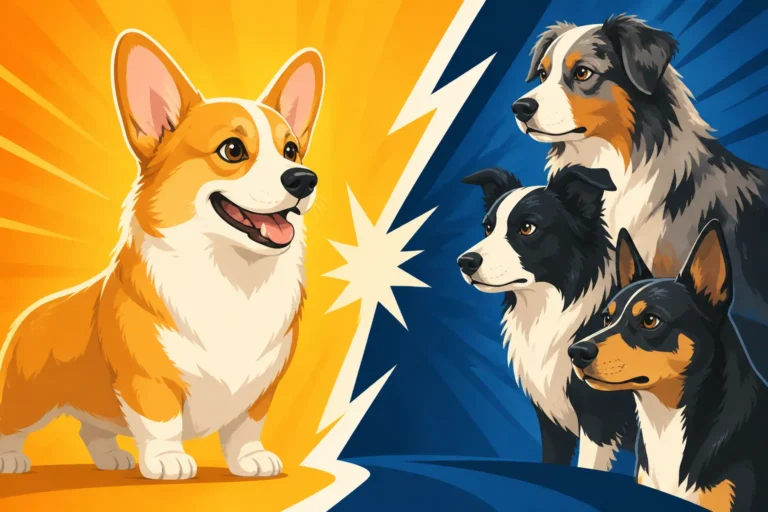
One common question that pops up in Corgi communities, often sparking a friendly debate, is about their tails. You see some Corgis with a little nub wagging furiously, and others with a full, flowing plume, which can leave new owners or admirers scratching their heads. This guide is here to clear up the mystery once and for all, explaining the history, genetics, and current practices behind Corgi tail lengths, so you know exactly what to expect.
The Historical Practice of Tail Docking in Corgis
For many years, seeing a Pembroke Welsh Corgi with a short tail was simply the norm. This wasn't because they were all born that way, but rather due to a practice deeply rooted in their working heritage. It's a facet of Corgi history that often surprises people when they first learn about it, especially in an era where such practices are increasingly questioned.
Why Working Corgis Had Their Tails Docked
Imagine a small, energetic dog, low to the ground, whose primary job was to herd cattle by nipping at their heels. This was the original role of the Corgi on Welsh farms, and it was a tough, often dangerous, assignment. A long, bushy tail, while beautiful, could easily become a liability in such an environment. It could get stepped on, caught in farm machinery, or even bitten by a protective cow. The thinking was that a docked tail reduced the risk of injury, allowing the dog to move more freely and safely in tight spaces and around large, irritable livestock.
It wasn't about aesthetics back then; it was about practicality and preventing painful injuries that could sideline a valuable working dog. Farmers needed their dogs to be robust and capable, and removing a potential hazard was seen as a responsible part of their care. This functional purpose cemented tail docking as a standard practice for the breed for generations, long before Corgis became popular household companions, gracing our sofas rather than cow pastures.
The Traditional Method and Timing of Docking
Historically, tail docking was typically performed by breeders when puppies were very young, often just a few days old. The procedure was usually done without anesthesia, a practice that has rightly become a major ethical concern and is now illegal in many parts of the world. The goal was to remove most of the tail, leaving just a short stub or "bob," which became characteristic of the Pembroke Welsh Corgi.
This early intervention was believed to be less traumatic for the puppies, as their nervous systems were still developing, though this belief is widely contested today by veterinary professionals. For those living in regions where docking is still permitted, it must now be performed by a veterinarian using appropriate pain relief. However, as public awareness and ethical considerations have grown, many countries have moved to ban cosmetic docking entirely, viewing it as an unnecessary surgical alteration. This shift has led to more and more Pembrokes proudly sporting their natural, full tails, which can be quite a beautiful sight.
The Pembroke Welsh Corgi's Tail Legacy
The Pembroke Welsh Corgi's tail has a particularly interesting story, caught between historical tradition, breed standards, and modern ethics. For decades, the image of a Pembroke almost exclusively featured that distinctive little nub, leading many to believe it was their natural state.
The Pembroke's Standard and Tail Length
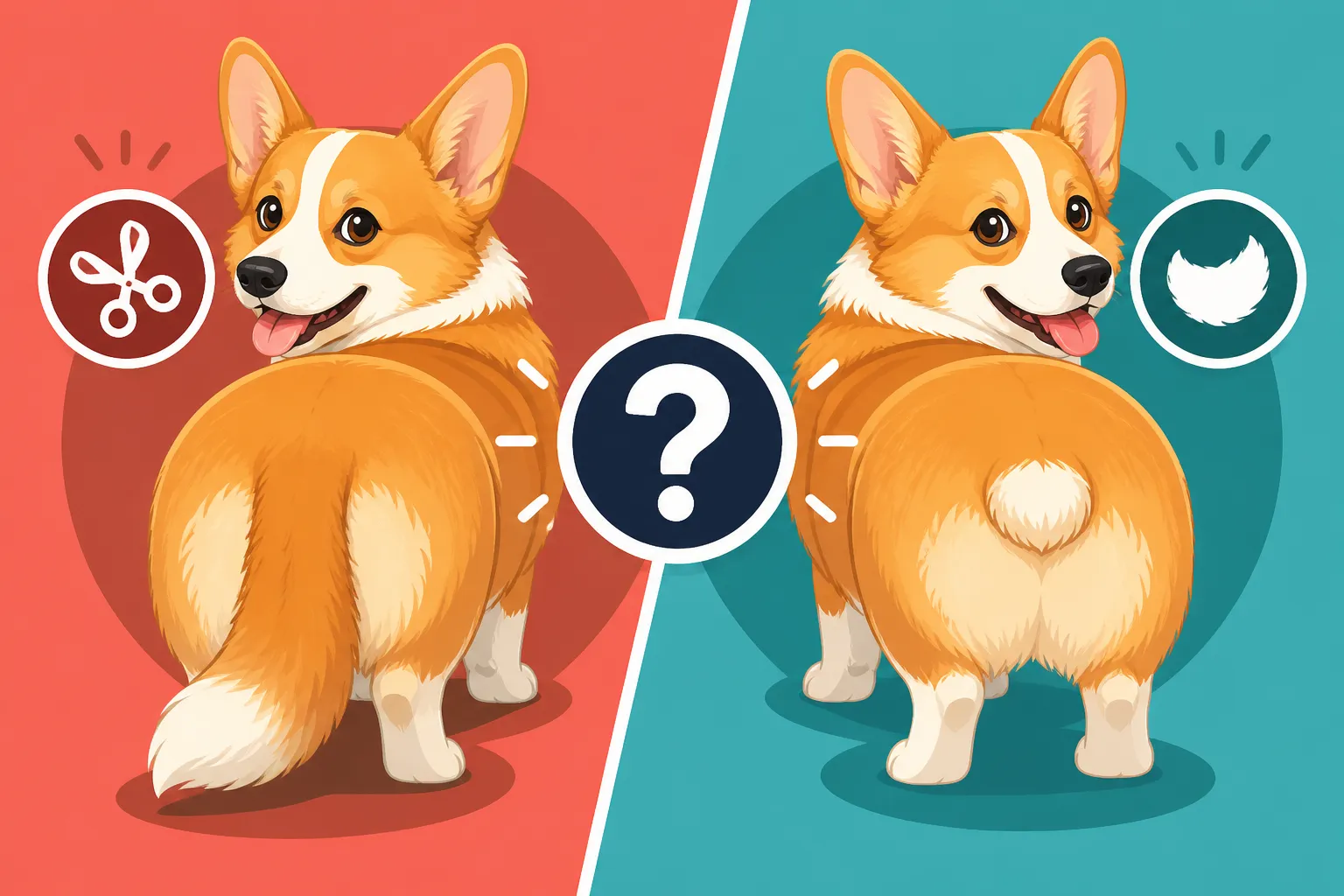
Historically, the breed standard for the Pembroke Welsh Corgi, set by kennel clubs, often either mandated a docked tail or described the ideal appearance as a very short bob. This wasn't necessarily because all Pembrokes were born with short tails. In fact, most Pembrokes are born with full tails. It was the practice of docking that created the iconic short-tailed look. However, there's a fascinating genetic twist: some Pembrokes are born with naturally short tails, known as a natural bobtail. This is due to a specific gene, and these dogs have always been an exception to the rule of docking.
The presence of this The Natural Bobtail Gene in Corgis meant that even among traditionally docked Corgis, a small percentage simply didn't need the procedure. For show dogs, the short tail was often a non-negotiable part of the look. Owners and breeders carefully adhered to these standards, whether through docking or seeking out naturally bobtailed puppies. This strong association between the Pembroke and its short tail persisted for generations, shaping public perception of the breed's appearance.
Undocked Pembrokes: A Growing Sight
As discussions around animal welfare gained traction and laws evolved, particularly in Europe and beyond, the practice of cosmetic tail docking began to decline. Many countries banned it outright, making it illegal to dock a Corgi's tail unless medically necessary. This legislative shift meant that breeders in these regions began leaving Pembroke tails intact, and a "new" look emerged – the long-tailed Pembroke Welsh Corgi.
For those accustomed to the traditional bobtail, seeing a Pembroke with a full, fox-like tail can be quite striking. These undocked tails are typically bushy, carried level with the back or slightly raised when the dog is alert or excited. They add a whole new dimension to the Corgi's expressive body language, allowing for a wider range of tail wags and signals. While some breed purists initially resisted this change, the long-tailed Pembroke is becoming increasingly accepted and celebrated, especially in regions where docking is no longer practiced. The question of Whether an Undocked Pembroke Can Be Shown now has different answers depending on where you are in the world and the specific rules of the kennel club.
The Cardigan Welsh Corgi: A Tail of Distinction
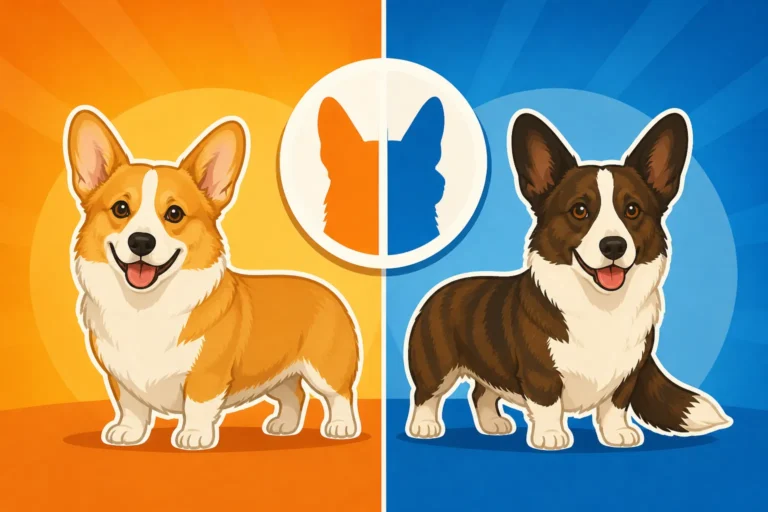
While Pembrokes have navigated the complexities of tail docking, their close relatives, the Cardigan Welsh Corgis, have always had a clear and unwavering identity when it comes to their tails. This difference is one of the most immediate visual cues that sets the two breeds apart, even for those new to Corgi ownership.
Cardigans and Their Inherent Long Tails
From the very beginning of their recognized history, Cardigan Welsh Corgis have always possessed long, brush-like tails. It's a defining characteristic of the breed, as integral to their appearance as their upright ears or their sturdy build. Unlike the Pembroke, there was never a tradition of docking Cardigan tails, and you won't find a naturally bobtailed Cardigan. If you see a Cardigan with a short tail, it would be an anomaly, likely due to a severe injury, not a breed standard or genetic trait.
A Cardigan's tail is typically set rather low, following the line of their topline, and can be carried happily or excitedly, but rarely curled over their back. It's often quite bushy, adding to their robust, hardy appearance. When they're trotting around, you'll see that tail swish and sway, a clear indicator of their mood and movement. This consistent trait is one of the easiest ways to tell the two Welsh Corgi breeds apart, a point often discussed by enthusiasts when comparing Cardigan Tails Against Pembroke Tails.
Why Cardigan Tails Were Never Docked
The reasons why Cardigan tails were never subject to the docking practices seen in Pembrokes are rooted in both their historical development and perhaps slight differences in their working styles or environments. While both were cattle-herding dogs, the Cardigan is generally considered the older of the two breeds, with a history that stretches back much further. Their role on the farm might have been slightly different, or perhaps the regions they came from simply didn't adopt the same tail-altering customs.
Genetically, the natural bobtail gene found in some Pembrokes simply isn't present in the Cardigan gene pool. This means that every Cardigan is born with a full tail, and this has always been accepted and desired within their breed standard. The full tail contributes to the Cardigan's overall balance and silhouette, and breeders have consistently maintained this characteristic. So, while the Pembroke's tail story is one of change and adaptation, the Cardigan's tale is one of steadfast tradition, a consistent and proud feature passed down through generations.
The Genetics Behind Corgi Tail Types
Delving into the genetic makeup of Corgis helps us understand why there's such variation in tail length, or why one breed consistently has a long tail while the other has historically been short-tailed. It’s a fascinating look at how selective breeding and natural variations combine to create the physical traits we see in our beloved companions.
Understanding the Natural Bobtail Gene
For Pembroke Welsh Corgis, the natural bobtail (NBT) gene is a critical piece of the puzzle. This gene, often referred to as the T-box gene mutation, is what causes some puppies to be born with a tail that is naturally short, ranging from a mere stub to a three-quarter length tail, without any human intervention. It’s a dominant gene, meaning a puppy only needs to inherit one copy from either parent to express the trait. However, inheriting two copies of the NBT gene can sometimes lead to severe spinal defects, which is why responsible breeders carefully test their dogs.
Breeders who wish to produce naturally bobtailed Pembrokes, or simply avoid potential health complications, will often run genetic tests on their breeding stock. This ensures they understand the genetic makeup of their dogs and can make informed breeding decisions. These The DNA Tests a Corgi Breeder Should Run are crucial for maintaining the health and integrity of the breed, especially when dealing with traits that carry potential risks. The presence of the NBT gene offers an alternative to surgical docking for those who prefer the traditional short-tailed look but live in areas where docking is illegal or undesirable.
Genetic Health and Tail Length
While the natural bobtail gene provides a fascinating insight into Corgi genetics, it's not without its considerations. As mentioned, inheriting two copies of the NBT gene (homozygous for the trait) can be detrimental, leading to severe skeletal abnormalities, particularly affecting the spine. This is why responsible breeding practices are paramount. Breeders should avoid breeding two natural bobtail Corgis together to prevent these severe health issues. The goal is to produce puppies that are either clear of the gene, or carry only one copy (heterozygous), resulting in a healthy, naturally short tail.
This genetic understanding is vital for responsible breeders. It means that simply having a short tail isn't always as straightforward as it seems; there's a delicate balance to consider for the health of future generations. Discussing Whether the Corgi Bobtail Gene Causes Problems is essential for prospective owners to ensure they are supporting ethical breeding practices. For the average pet owner, it's good to know that a short-tailed Pembroke is either the result of docking, or it carries a single copy of the NBT gene and is perfectly healthy. Cardigans, lacking this gene entirely, are not subject to these specific bobtail-related health concerns, which is another significant difference between the two breeds.
Living with a Corgi of Any Tail Length
Whether your Corgi sports a long, bushy tail or a happy little nub, each brings its own unique charm and, sometimes, specific care considerations. It's all part of the wonderful Corgi package, and understanding how to best care for and interpret your dog's tail, regardless of its length, is key to a happy companionship.
Tail Care for Long-Tailed Corgis
A long, flowing Corgi tail, particularly a Cardigan's, is a thing of beauty, often adorned with lovely feathering. However, that beauty comes with a need for a little extra care. Because Corgis are so low to the ground, their tails can easily pick up debris like burrs, twigs, or mud, especially if they enjoy exploring through tall grass or wooded areas. Regular brushing is essential to prevent mats and tangles in the long fur. You'll want to pay special attention to the underside of the tail and the feathering, using a slicker brush or a good metal comb. You might even find grooming supplies for this on Chewy, making it easy to keep that tail looking its best.
Hygiene is another factor. A long tail can sometimes get a bit messy, particularly around the hindquarters, so occasional spot cleaning might be necessary. Some owners even give a slight trim to the longer hairs underneath the tail to help keep the area cleaner. It's similar to the considerations for Grooming a Corgi That Sits Six Inches Off the Ground, where the belly and legs are constantly close to the ground; the tail needs that same vigilance. A routine check of your Corgi's tail during your daily groom will ensure it stays clean, healthy, and free of anything uncomfortable.
Tail Considerations for Short-Tailed Corgis
For Corgis with docked or naturally bobbed tails, the care routine is generally simpler. There's less fur to brush and less chance of picking up debris. However, "no tail" doesn't mean "no care." These short tails still wag with enthusiasm, and the skin around the nub needs to be kept clean and dry. Sometimes, especially with very short nubs, the area can be prone to skin folds or irritation if not properly maintained. Regular visual checks during your normal grooming routine are usually sufficient to catch any issues early.
Even without a long tail, Corgis are incredibly expressive creatures. Their entire body language, from their ears to their eyes, and even the wiggle of their hips, communicates volumes. A short tail still wiggles with joy, tucks with apprehension, or stiffens with alertness. It's a testament to their innate expressiveness that even a tiny nub can convey so much emotion. So, while the visual sweep of a long tail might be absent, the spirit of the wag is definitely still there.
Emotional Expression and Tail Length
One concern often voiced by prospective owners of short-tailed Corgis is whether they'll be able to read their dog's emotions effectively. It's a valid thought; we're so accustomed to interpreting a dog's mood by the sweep and carriage of their tail. However, Corgis, whether bobbed or long-tailed, are masters of full-body communication. They compensate for a lack of a long tail with an entire symphony of cues.
A happy Corgi will wiggle their whole back end, often called the "Corgi wiggle butt," their ears will be alert, their eyes bright, and their mouth might be slightly open in a joyful "smile." Conversely, a nervous Corgi might flatten their ears, lower their head, and try to make themselves small, even if they can't tuck a long tail between their legs. Learning to read these broader cues is incredibly rewarding and deepens the bond you share. So, rest assured, your Corgi will have no trouble letting you know exactly how they're feeling, tail or no tail.
The Evolving Landscape of Corgi Tails
The journey of the Corgi's tail reflects broader changes in societal attitudes towards animal welfare and breeding practices. What was once a routine farm necessity has become a subject of ethical debate and legal restriction, prompting a re-evaluation of breed standards and traditions.
Legal and Ethical Debates on Docking
For many, the idea of surgically altering an animal for cosmetic reasons or for a purpose that no longer exists (like herding cattle by nipping heels on a modern family pet) is a practice that belongs to the past. This ethical viewpoint has led to widespread bans on tail docking in numerous countries, including the UK, most of Europe, Australia, and parts of Canada. Where these bans are in place, Corgis, even Pembrokes, are seen exclusively with their natural, full tails, unless a medical necessity dictates otherwise. This has dramatically changed the appearance of the Pembroke Welsh Corgi in these regions and brought their look closer to that of their Cardigan cousins.
The debate continues in places where docking is still legal, such as parts of the United States. Kennel clubs and breed organizations are grappling with how to balance historical breed standards with modern ethical considerations. Some advocate for allowing natural bobtails to compete fairly, while others champion the right for owners to choose. It's a complex issue, reflecting the ever-evolving relationship between humans and their canine companions, and how we define responsible pet ownership.
Appreciating Corgi Diversity
Ultimately, whether a Corgi has a long, flowing tail or a charming little bob, it doesn't diminish their incredible personality, their endearing intelligence, or their capacity for love. The beauty of the Corgi breed lies in its spirit, its loyalty, and its unique blend of sass and sweetness. As an owner, embracing your Corgi's individual characteristics, tail length included, is part of the joy. A Cardigan's magnificent brush tail is a hallmark of its ancient lineage, and a Pembroke's full tail proudly displayed shows a connection to nature, just as a bobbed tail represents a historical working tradition.
The conversation around Corgi tails highlights the importance of researching reputable breeders who prioritize health and ethical practices, no matter which Corgi type you are considering. Knowing your breeder's stance on docking, and whether they test for the natural bobtail gene, are crucial questions to ask. Brands like Chewy, which offer a wide range of products, support all Corgis regardless of their tail type, providing everything from grooming tools for those long, luscious tails to comfy beds for every Corgi to rest its hind end, bobbed or otherwise. Every Corgi is a treasure, and their tail, in all its forms, is just another wonderful part of what makes them uniquely Corgi.
Disclaimer
This article is for general informational purposes only and does not constitute professional advice. Laws, prices and regulations vary by location and change over time. Consult a qualified professional for guidance on your specific situation.