Whether a Timid Corgi Gets Bolder
It’s heartbreaking to see your little Corgi shrink away from new people, cower at unfamiliar sounds, or hesitate to explore the world around them. While Corgis are known for their big personalities and confident herding spirit, some of them can be quite timid or wary, leaving their owners wondering if they'll ever truly bloom. This guide will explore why some Corgis develop shy tendencies and, more importantly, offer actionable strategies to help your sensitive companion grow bolder and more secure in their environment.
Understanding Corgi Temperament and Timidity
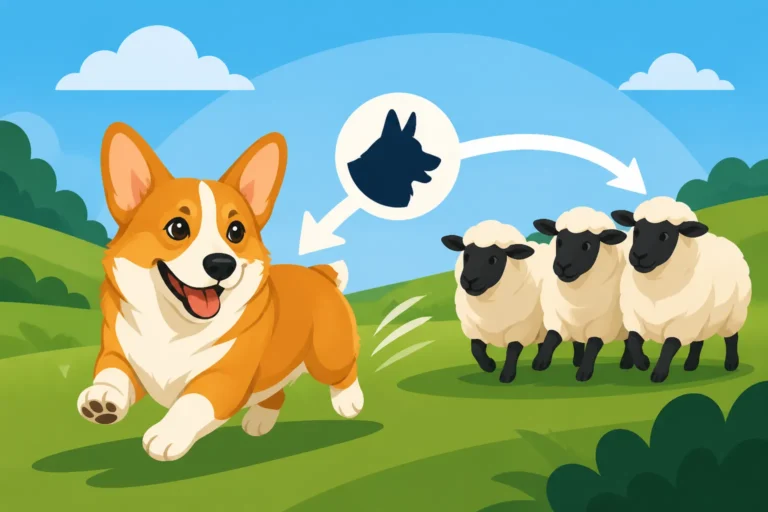
Corgis, by their very nature, are a fascinating mix of independent spirit and deep loyalty. They were bred to work, often alone, herding cattle much larger than themselves by nipping at their heels. This job required immense bravery, quick thinking, and a certain level of confidence. Yet, like all breeds, individual Corgis can vary wildly in personality, and some can indeed lean towards timidity.
The Corgi Paradox: Bold Herder, Sensitive Soul
You’d think a dog bred to face down a cow would be fearless, right? And in many ways, Corgis are bold. They often have an unshakeable sense of self-importance and aren’t easily intimidated by other dogs, regardless of size. They’re problem-solvers, sometimes to their own detriment, and can be quite vocal in expressing their opinions. This inherent drive and confidence are what we love about them.
However, beneath that brave exterior, some Corgis can be surprisingly sensitive. They can pick up on subtle changes in their environment, react strongly to loud noises, or become anxious in new situations. This isn't a flaw in their character; it's just a different facet of their intelligence and awareness. Think of it like a highly intelligent person who might also be prone to anxiety – their brain is always working, sometimes overdrive. For a Corgi, this sensitivity can mean that while they might be bold in some contexts, they can be quite fragile in others. It's a balance we, as their owners, need to respect and understand.
What Causes Timidity in Corgis?
It's natural to wonder why your Corgi is timid when the breed standard often describes them as outgoing and fearless. The truth is, timidity isn't usually a single-cause issue; it's often a complex interplay of factors.
One of the most significant contributors is lack of early socialization. Those crucial first few months of a puppy's life are a window for learning about the world. If a Corgi puppy isn't exposed to a wide variety of sights, sounds, people, and friendly dogs in a positive, controlled way, they can become fearful of the unknown. A pup raised in isolation, or one that had limited exposure to the outside world before coming home, might naturally be more wary. This is why it’s so important to think about Getting a Corgi Puppy Used to the World from a young age.
Traumatic experiences can also play a huge role. Perhaps your Corgi had a bad interaction with another dog, was startled by a loud noise, or experienced a harsh correction. Even something seemingly minor to us can be a deeply frightening event for a sensitive Corgi. These negative experiences can easily lead to avoidance behaviors and a general mistrust of similar situations or stimuli. If you've adopted a rescue Corgi, their past is often a mystery, and they might have endured experiences that have made them inherently cautious, requiring specific approaches for Retraining a Rescued Corgi.
Then there's the elephant in the room: genetics. While good breeders strive for sound temperament, some individual dogs might simply be predisposed to timidity. If a Corgi's parents or close relatives were unusually shy or anxious, there's a chance that trait could be passed down. This isn't always obvious in a young puppy but can become more apparent as they mature and face new challenges.
Finally, health issues can sometimes contribute to what appears as timidity. A Corgi in pain, for instance, might become withdrawn or snappish, not because they’re truly timid, but because they’re protecting themselves. Vision or hearing problems, especially in older Corgis, can also make them more startled and fearful of things they can’t properly perceive. Always rule out underlying medical conditions with your vet if you notice a sudden change in your Corgi's confidence levels.
Strategies for Building Confidence in a Timid Corgi
The good news is that with patience, consistency, and the right approach, many timid Corgis can become bolder. It’s not about forcing them to be brave, but about gently guiding them to feel safe and secure enough to explore their world.
Gentle Socialization and Positive Reinforcement
This is the cornerstone of building confidence. Forcing a timid Corgi into overwhelming situations will only make things worse. Instead, think about "controlled exposure" and always pair it with positive experiences.
Start small. If your Corgi is fearful of new people, don't invite a party over. Instead, have one calm, dog-savvy friend come over quietly. Ask them to ignore your Corgi initially, allowing your dog to approach on their own terms. When your Corgi takes even a tiny step forward – a sniff, a glance – reward them with a high-value treat and soft praise. The goal is to create positive associations: "New person equals delicious treat!" Never push them into interacting; let them dictate the pace.
The same applies to other dogs. Avoid chaotic dog parks. Instead, arrange a "parallel walk" with a very calm, friendly dog and their owner. Keep a safe distance, allowing your Corgi to observe without feeling threatened. Again, lots of treats and praise for staying calm. Over time, as your Corgi shows comfort, you can gradually decrease the distance.
Basic obedience training is also incredibly powerful for timid dogs. Learning cues like "sit," "stay," and "come" gives your Corgi a sense of predictability and control. When they know what's expected of them and they can successfully perform a task, it builds their self-esteem. You'll find that Corgis respond wonderfully to positive methods, and A Corgi That Shuts Down When Told Off won't thrive with harsh corrections. Online platforms, like those offered by BAXTER & Bella, can provide excellent, step-by-step guidance for positive reinforcement training that you can do at your Corgi's pace in the comfort of your own home, which is often ideal for shy dogs.
Creating a Secure and Predictable Environment
Imagine living in a world where everything is unpredictable and potentially scary. That’s how a timid Corgi can feel. Creating a stable, predictable home environment is vital for their emotional well-being.
Routine is your friend. Corgis thrive on knowing what to expect. Consistent feeding times, walk schedules, and training sessions provide a framework that reduces anxiety. They learn that certain events happen at certain times, which helps them feel more in control and less on edge. This predictability builds a foundation of trust between you and your Corgi.
Safe spaces are non-negotiable. Every timid Corgi needs a designated area where they can retreat and feel completely safe. This might be a cozy crate with a blanket, a bed in a quiet corner, or even just a specific room that's their sanctuary. Ensure this space is never used for punishment, only for comfort. When visitors come over, or if there's loud activity, your Corgi should know they have a place to escape to. This is especially important for puppies; consider having Crates and Pens for a Corgi Puppy set up before they arrive.
Avoid placing your Corgi in overwhelming situations if you can help it. If you know a particular park is usually full of boisterous dogs, choose a quieter route. If a friend tends to be very loud and excitable, brief them beforehand on how to interact calmly with your Corgi. Remember that you are your Corgi's advocate and protector. Gradually, as their confidence grows, you can gently expand their world, but always at their pace. Making sure your living space is adapted for their unique needs, like Whether a Corgi Copes Without a Yard, also contributes to their overall sense of security.
Professional Guidance and Resources
Sometimes, despite our best efforts, a Corgi's timidity might be too deeply ingrained or complex for an owner to manage alone. That's when professional help becomes invaluable.
A certified positive reinforcement dog trainer or a veterinary behaviorist can assess your Corgi's specific fears and develop a tailored behavior modification plan. They have the expertise to recognize subtle cues you might miss and can guide you through desensitization and counter-conditioning techniques effectively. Finding a trainer who truly understands the nuances of a herding breed like a Corgi is key; you want someone who appreciates their intelligence and independence, not someone who will try to use force. It’s worth asking Whether a Trainer Understands a Herding Corgi before committing.
Don't hesitate to consult your veterinarian. As mentioned, medical issues can sometimes masquerade as behavioral problems. Your vet can rule out any physical causes and, if appropriate, might discuss anti-anxiety medications or supplements that can help your Corgi cope during the behavior modification process. These aren't magic bullets, but they can lower a dog's overall anxiety levels enough for them to be more receptive to training.
Resources like online training courses, such as those from BAXTER & Bella, can be incredibly helpful for owners of timid Corgis. These programs often allow you to work at your own pace, in your own home, which can be much less stressful for a shy dog than a bustling group class. They provide structured lessons that empower you to build your dog's confidence systematically.
When to Expect Change and Realistic Expectations
It’s completely normal to want to see immediate results, but building confidence in a timid Corgi is a journey, not a sprint. Managing your expectations is crucial for both your sanity and your Corgi's progress.
The Role of Age and History
The age at which you start working with your timid Corgi significantly impacts the timeline for change. A timid puppy, still in their developmental stages, often responds more quickly to consistent, positive socialization. Their brains are still highly adaptable, and positive experiences can overwrite early negative ones more readily.
For an adult Corgi, especially one with a history of trauma or prolonged isolation, the process will likely be slower and require immense patience. Their neural pathways for fear responses are more established. While significant improvement is absolutely possible, it might take months or even years to see substantial changes. Remember, every step forward, no matter how small, is a victory. Don't compare your Corgi's progress to a naturally outgoing dog; compare them only to their past self.
Timid vs. Fear Aggressive: Knowing the Difference
It's vital to recognize that timidity, if not addressed, can sometimes escalate into fear aggression. A Corgi who constantly feels threatened and has no escape might eventually learn that growling, lunging, or even biting makes the scary thing go away. This isn't because they're "mean" dogs; it's a desperate attempt at self-preservation.
Signs of fear aggression might include:
- Growling or snapping when cornered or approached by strangers.
- Lashing out at other dogs when feeling overwhelmed.
- Displaying warning signals (stiff body, tucked tail, whale eye) followed by an aggressive outburst if those warnings are ignored.
If you observe any signs of fear aggression in your Corgi, seek professional help immediately from a qualified veterinary behaviorist or a certified professional dog trainer experienced in aggression cases. Early intervention is critical, not only for your Corgi's well-being but also for the safety of others. Understanding where The Cattle-Driving Nip a Corgi Still Has comes from can also help you differentiate between a true fear response and an ingrained herding behavior that simply needs redirection.
Celebrating Small Victories
When you're dealing with a timid dog, it's easy to get discouraged by setbacks. Maybe they had a great interaction yesterday, but today they're back to cowering. This is normal. Progress isn't linear.
The key is to celebrate every tiny step forward. Did your Corgi glance at a new person without immediately looking away? Treat! Did they walk a few extra steps on a busy street before needing to turn around? Praise! Did they finally choose to lay in the same room as a guest, even if it was under a chair? Huge victory!
Keep a journal of your Corgi's progress. This can be incredibly helpful on days when you feel frustrated, reminding you just how far they've come. For instance, being able to walk past a barking dog without a complete meltdown is a big deal. Over time, these small victories add up to a significant increase in confidence and a much happier, bolder Corgi. Remember that Short Bursts of Training a Corgi Will Take are often more effective than long, drawn-out sessions, especially for a sensitive dog.
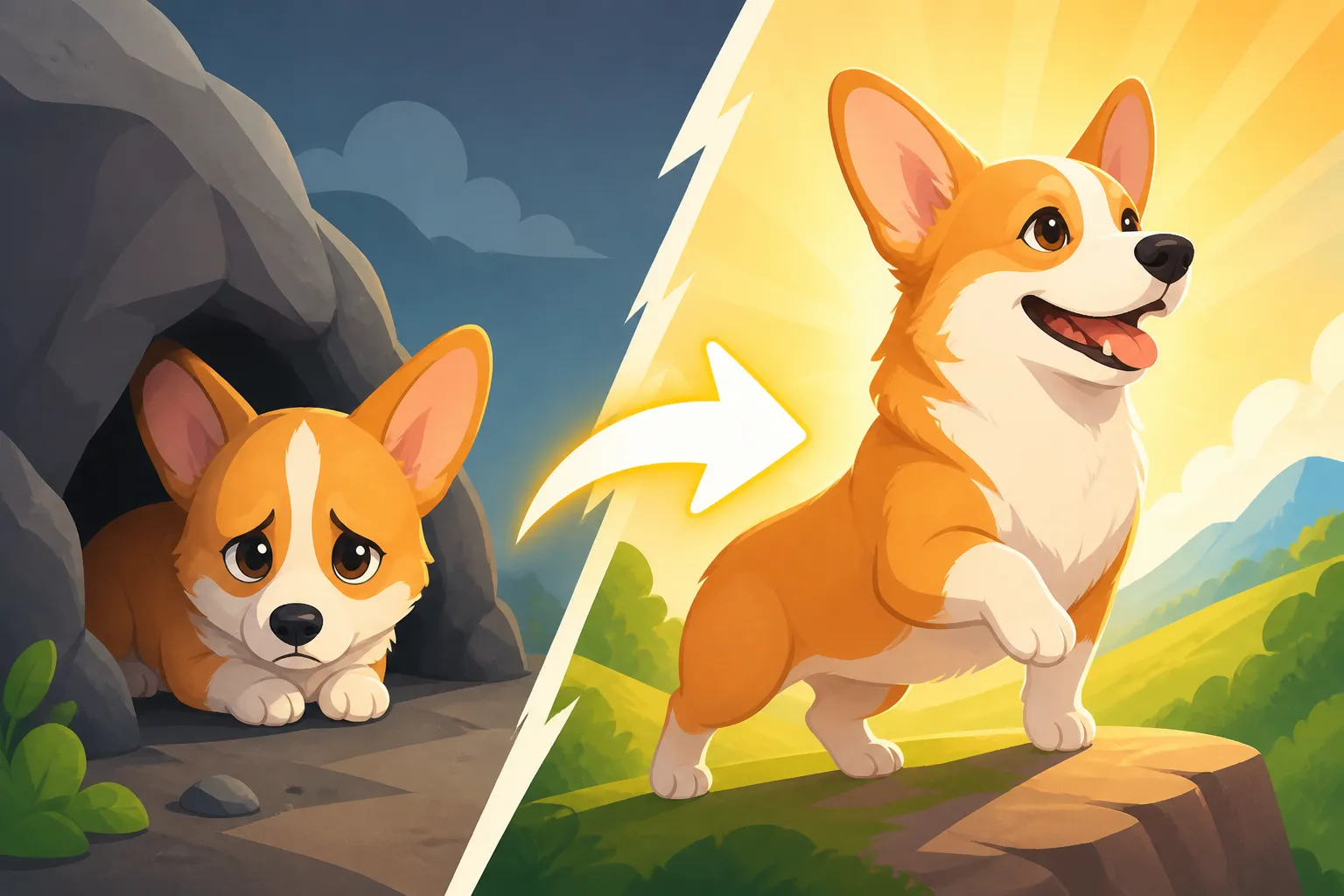
| Behavior Change Indicator | Timid Corgi Behavior (Before) | Bolder Corgi Behavior (After) |
|---|---|---|
| New People | Hides, retreats, avoids eye contact | Observes calmly, approaches for a sniff |
| New Environments | Freezes, pulls away, refuses to move | Explores cautiously, takes in surroundings |
| Loud Noises | Startles violently, shakes, seeks hiding | Looks towards sound, recovers quickly |
| Other Dogs | Attempts to escape, growls if cornered | Observes from a distance, calm parallel walk |
| Interaction | Avoids touch, flinches from sudden movements | Leans into pets, seeks attention, plays gently |
| Play | Rarely initiates, hesitant to engage | Shows interest in toys, engages in play |
Tools and Aids for Supporting a Timid Corgi
Beyond training and environmental management, there are various tools and aids that can help support your timid Corgi on their journey to becoming bolder. These are not substitutes for proper training but can make the process easier and help your Corgi feel more secure.
Comfort and Safety Gear
Choosing the right gear can make a big difference in how comfortable and secure your Corgi feels in different situations.
Firstly, consider a well-fitting harness instead of a collar for walks. A harness distributes pressure across their chest, preventing strain on their neck and throat, which can be particularly important for a breed known for its back issues. More importantly, for a timid Corgi, a harness offers a greater sense of security. If they get spooked, they're less likely to slip out of a harness than a collar, which can be a huge relief for an anxious owner. There are many options available on Amazon, from front-clip harnesses that help with pulling to more secure, vest-style harnesses. Just ensure it's comfortable and doesn't rub.
Calming aids can also be very helpful. These come in various forms, such as pheromone diffusers (like Adaptil), calming chews, or even thunder shirts. Pheromone diffusers release synthetic pheromones that mimic those secreted by a nursing mother dog, creating a sense of calm and security. Calming chews often contain ingredients like L-tryptophan or chamomile, which can help reduce anxiety. A thunder shirt applies gentle, constant pressure, much like swaddling a baby, which can have a remarkable calming effect on some dogs during stressful events like thunderstorms or fireworks. Always discuss these options with your vet before introducing them.
Enrichment for Mental Well-being
A mentally stimulated Corgi is often a more confident Corgi. Enrichment activities challenge their brains, build problem-solving skills, and can channel their natural herding instincts in a positive way.
Puzzle toys and treat dispensers are fantastic for timid dogs. They encourage independent problem-solving and provide a positive outlet for their energy. Stuffing a Kong with peanut butter or placing kibble in a puzzle feeder keeps their minds engaged and can distract them from anxieties. The satisfaction of "earning" their food or a treat can be a huge confidence booster. You can find a wide array of these on Amazon.
Scent work is another excellent activity. Corgis have powerful noses, and engaging this natural ability can be incredibly rewarding. Hiding treats around the house and encouraging your Corgi to sniff them out is a simple, low-impact way to build confidence. It doesn't require interaction with strangers or other dogs, making it perfect for shy Corgis. As they get better, you can make the game more challenging. Plus, it's a wonderful way to mentally tire them out without putting stress on their long backs. This is precisely why Scentwork as a Sport That Spares a Corgi's Back is highly recommended.
Remember, the goal is not to turn your timid Corgi into a boisterous extrovert overnight, but to help them navigate the world with greater comfort and less fear. With consistent effort, patience, and a whole lot of love, you can help your Corgi discover the bold, confident spirit that truly lies within them.
Disclaimer
This article is for general informational purposes only and does not constitute professional advice. Laws, prices and regulations vary by location and change over time. Consult a qualified professional for guidance on your specific situation.