Hiding Food Around the House for a Corgi
If you're living with a Corgi, you've probably noticed their incredible intelligence, their boundless energy, and perhaps, their uncanny ability to get into mischief when bored. That clever little brain needs a job, and without one, they often decide that job is rearranging your sofa cushions or herding your children's ankles. This guide is all about channeling that Corgi brilliance into a fun, safe, and engaging activity: hiding food around the house to stimulate their minds and satisfy their natural instincts.
The Corgi Brain: Why They Need a Job
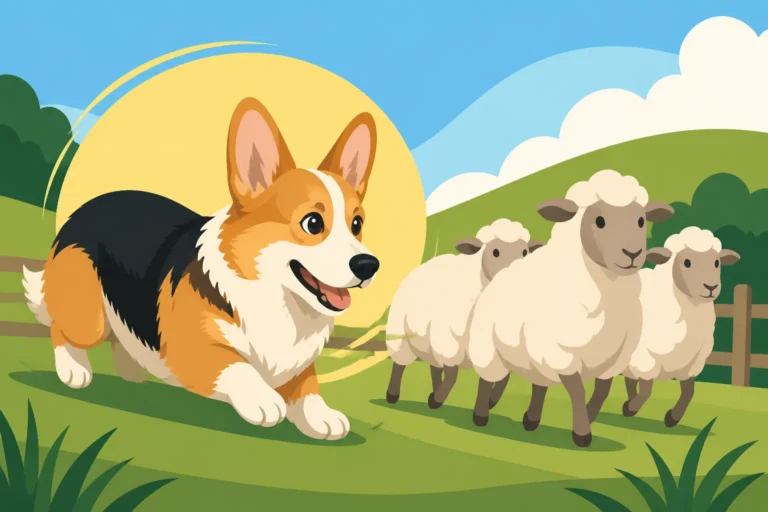
Corgis, whether Pembroke or Cardigan, were originally bred for herding cattle. Think about that for a moment: a dog only inches tall, darting under the hooves of large, powerful animals, strategically moving them where they needed to go. This wasn't just physical work; it required immense mental acuity, problem-solving skills, and independent decision-making. That heritage is still very much alive in your furry companion today.
Born to Think and Problem Solve
That little Corgi of yours isn't just a cute, fluffy loaf; they possess generations of genetic programming that craves mental challenges. If you've ever tried to teach your Corgi a new trick, you've seen how quickly they can grasp concepts, sometimes even figuring out what you want before you've finished asking. This intelligence, however, can be a double-edged sword. A bored Corgi is often a destructive Corgi, or at the very least, a Corgi who barks excessively because they have nothing better to do. They need outlets for that mental energy, much like their ancestors needed to figure out how to direct a stubborn cow.
Channeling the Herding Instinct Safely
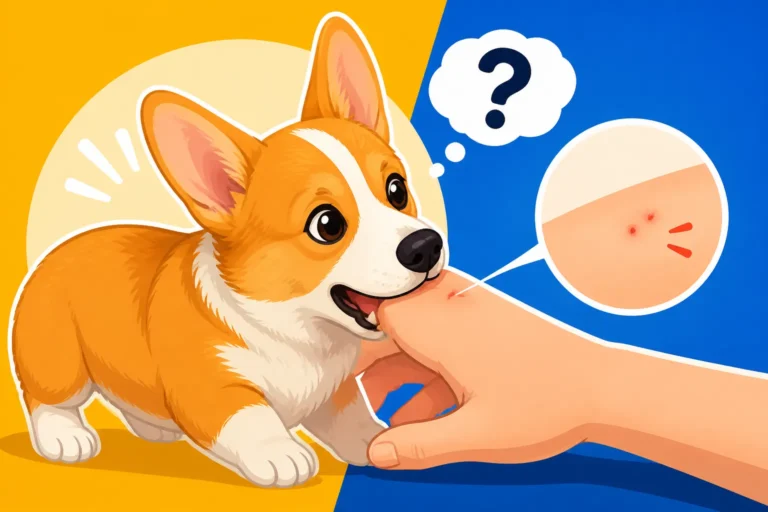
The instinct to "herd" doesn't just disappear because your Corgi lives in a cozy home instead of on a farm. Sometimes it manifests as nipping at heels (a frustration many owners face, which we've discussed in The Cattle-Driving Nip a Corgi Still Has), or trying to gather family members. Hiding food engages their natural foraging and scent-tracking abilities, giving them a constructive way to use their brain and nose, mimicking a "job" without any actual cattle involved. It helps them focus their energy and provides a sense of accomplishment when they find their tasty reward. This kind of mental engagement is often more tiring and satisfying for a Corgi than a purely physical walk, complementing The Forty-Five Minutes a Corgi Needs Daily for a truly enriched life.
The Wonderful Benefits of a Food Hunt
Beyond just keeping them busy, turning mealtime or treat time into a scavenger hunt offers a host of positive benefits for your Corgi's overall well-being. It’s not just a game; it’s a vital part of their mental and physical health.
Mental Stimulation and Fatigue
We all know the feeling of being mentally drained after a day of intense problem-solving. Your Corgi experiences the same! Sniffing, searching, and figuring out how to get to hidden food works their brain in profound ways. It's a form of mental exercise that can leave them happily tired and content, reducing the likelihood of them seeking out less desirable ways to entertain themselves. Instead of just scarfing down their dinner in thirty seconds, they have to think about it, engaging their powerful olfactory senses and problem-solving skills. This is a fantastic way to offer them The Job a Corgi Needs Instead of Herding You in a fun, low-impact manner.
Slowing Down Speedy Eaters
Many Corgis are, let's be honest, vacuum cleaners when it comes to food. They eat incredibly fast, often leading to indigestion, bloat, or simply not feeling satisfied. Hiding their food forces them to slow down, taking individual bites or small portions as they find them. This prolonged eating experience is not only better for their digestion but also helps them feel more satiated, as the process of searching and consuming takes longer. This can be a huge benefit for managing a Corgi's weight, especially when trying to maintain The Body Condition Score a Corgi Owner Aims For.
Reducing Anxiety and Destructive Behavior
A dog with too much pent-up energy, whether physical or mental, can develop anxiety or destructive habits. Your Corgi might chew on furniture, dig in the yard, or vocalize excessively if they're under-stimulated. Food hiding games provide a healthy outlet for their natural instincts, redirecting those urges into a positive activity. The focus required for scent work can also be calming for some dogs, helping to reduce general stress levels. It gives them a sense of purpose and control within their environment, making them feel more secure and content.
Getting Started: Safe Hiding Spots and Techniques
Ready to turn your house into a treasure hunt zone? It's easier than you think, but a few considerations for your Corgi's safety and success are key. Remember, we want to build confidence, not frustration!
Choosing the Right Food
When you're hiding food, think "high value, low quantity." Small, pea-sized pieces of kibble are perfect, especially if you're using their regular meal portions. For extra motivation, you can use small, healthy treats like dehydrated liver bits, pieces of cooked chicken, or even small carrot slices. The important thing is that the treats are tiny, appealing, and part of their daily caloric intake to prevent overfeeding. Using a Corgi's Own Kibble as Training Currency applies beautifully here, making mealtime an engaging activity.
Always consider your Corgi's back when choosing foods. Avoid anything that might make them jump excessively or twist awkwardly to retrieve. Soft, easily consumable treats are best to avoid choking hazards.
Starting Simple: The "Easy" Level
The goal in the beginning is to ensure success and build enthusiasm. Start with very obvious hiding spots.
- "See It, Smell It": Place pieces of food in plain sight on the floor in different rooms. Let your Corgi watch you place them. This teaches them the game's premise.
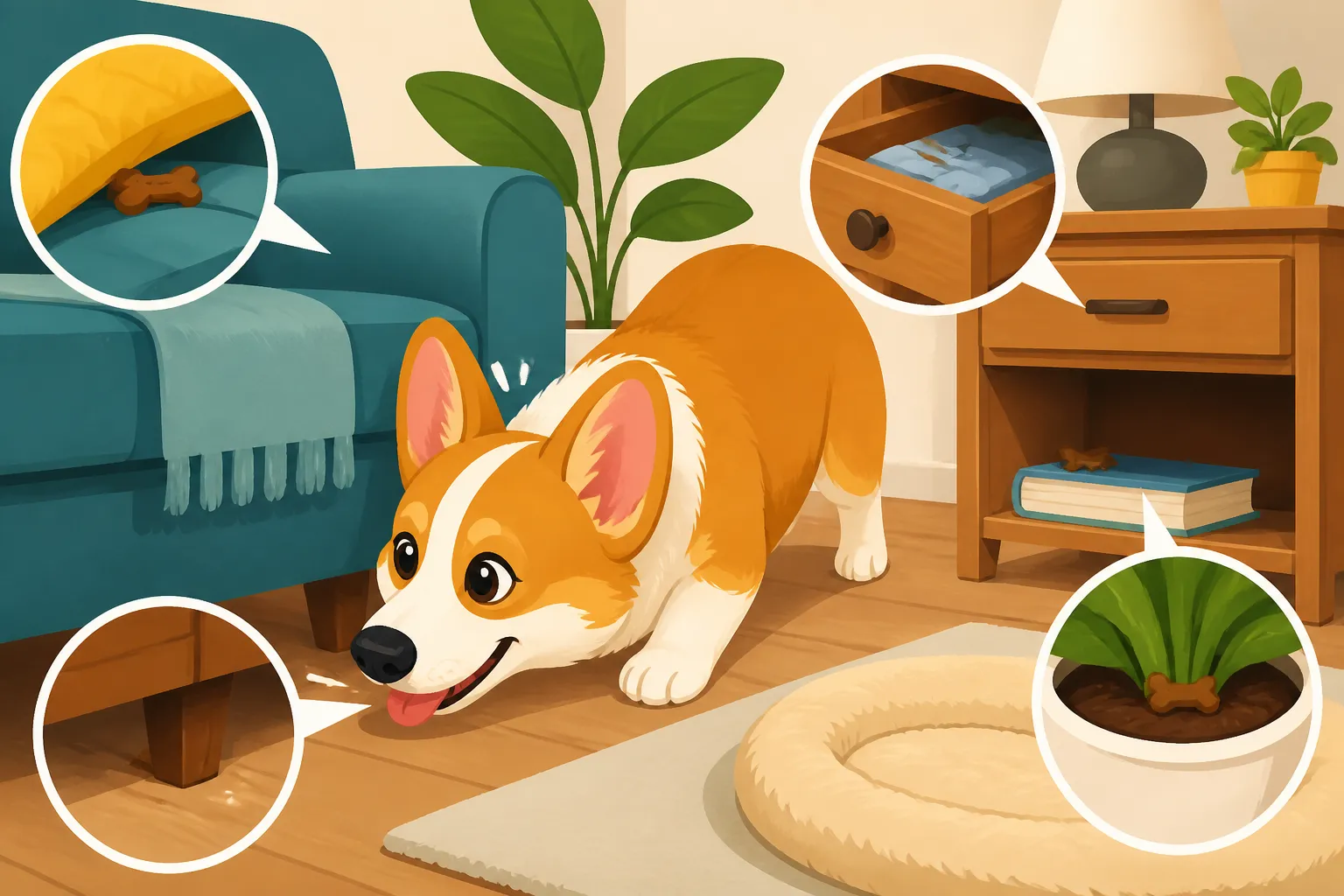
- Partially Hidden: Once they understand, start placing food just slightly out of sight – partially under a rug, next to a chair leg, or peeking out from behind a door. They can still see part of it, but they need to use their nose a bit more.
- Low and Accessible: Remember your Corgi's stature! All initial hiding spots should be at floor level or very slightly elevated, but still easy to reach without jumping or stretching. Avoid anything that requires them to stand on their hind legs or try to climb onto furniture, as we want to protect their precious backs.
Here’s a simple progression for easy hiding:
| Hiding Spot Difficulty | Description | Example Locations |
|---|---|---|
| Beginner | Food is mostly visible, requires minimal effort. | Scattered on the floor, next to a chair leg, in an open box. |
| Intermediate | Food is fully hidden but easily accessible, close by. | Under a small rug, behind a pillow on the floor, inside an empty paper towel roll. |
| Advanced | Food requires more sniffing, in less obvious places. | Under a laundry basket, behind a curtain, inside a rolled towel, in a slightly ajar drawer. |
Introducing the Game
Before you start, make sure your Corgi is in another room or behind a gate. Then, hide a few pieces of food. Bring them in, give a consistent cue like "Find it!" or "Go sniff!", and encourage them to search. Point to the first few spots if they need help. Praise them enthusiastically every time they find a piece. The key is to make it a positive, rewarding experience. If they seem frustrated, go back to easier spots. This is a great exercise for building their independence and confidence, traits that can sometimes be mistaken for Corgi Sass and What to Do About It.
Advanced Hiding Challenges and Variations
Once your Corgi is a seasoned food hunter, you can start to increase the difficulty and introduce new elements to keep the game fresh and exciting. This keeps their clever minds engaged and prevents boredom from setting in.
Increasing the Difficulty
Now that your Corgi is a pro at finding food, it's time to up the ante!
- More Hiding Spots, Wider Area: Instead of just one room, spread the treats across two or three rooms. This makes them cover more ground and use their nose for longer.
- Strategic Hiding: Place treats in slightly less obvious spots. Think behind a curtain, under a laundry basket, inside an empty box or a paper bag, or even inside a rolled-up towel. Still keep everything low and safe for their back, but make them work harder with their nose.
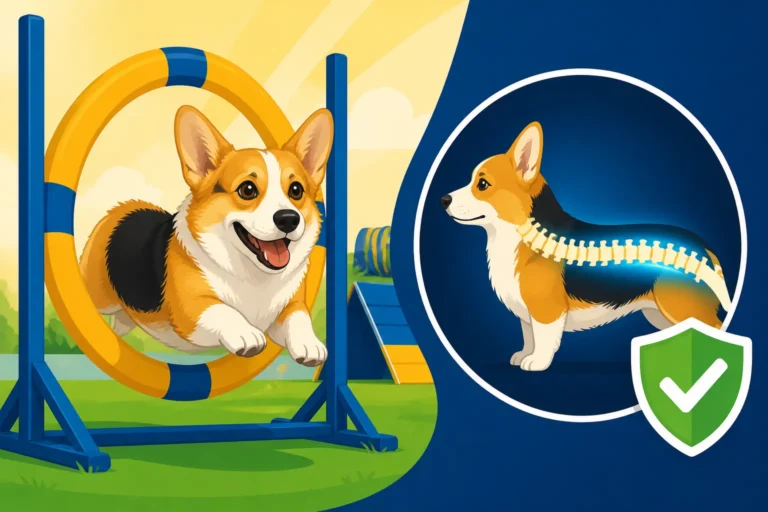
- Using Furniture (Safely!): You can utilize furniture, but with extreme caution. For example, you could place a treat on the floor directly under a chair or sofa, so they have to reach for it, not jump onto the furniture. Never encourage jumping on or off elevated surfaces due to the risk of Disc Disease in a Long-Backed Corgi. Ramps and steps, as discussed in Ramps and Steps That Save a Corgi's Back, are important tools if you ever need them to access higher areas, but for this game, keep it on the floor.
- Puzzle Toys and Snuffle Mats: Integrate commercially available puzzle toys. Many brands offer a variety of options. A snuffle mat, for instance, is a fabric mat with many folds and pockets where you can hide kibble, forcing your Corgi to sniff and dig (gently!) to find their meal. You can find a huge selection of these on platforms like Amazon. Slow feeder bowls, which make mealtime a puzzle in itself, are also excellent options for Feeders That Make a Corgi Work for Dinner.
Incorporating Scent Discrimination
For the truly advanced Corgi, you can introduce scent discrimination. This involves training them to find a specific scent among others. While this is a more formal form of scent work, the principles can be applied to food hunts. For instance, you could hide a particular type of treat (e.g., chicken) among other less appealing items, and encourage them to only find the chicken. This takes dedication, but Corgis are intelligent enough to learn it! Online training resources, like those offered by BAXTER & Bella, often provide modules on advanced scent games and enrichment ideas that can be adapted for Corgis.
Making it Part of a Routine
The beauty of food hiding is that it can be a quick five-minute brain booster or a longer, more involved activity, depending on your schedule. You can make it a daily routine by hiding a portion of their breakfast or dinner, or use it as a special treat on a rainy day. It's a fantastic way to provide consistent mental enrichment without requiring a lot of specialized equipment or space. Just remember to always supervise your Corgi, especially with new hiding spots or puzzle toys, to ensure their safety and enjoyment. This ongoing mental engagement is far more beneficial than just throwing food into a bowl; it makes your Corgi feel like they're earning their keep, just like their ancestors.
Disclaimer
This article is for general informational purposes only and does not constitute professional advice. Laws, prices and regulations vary by location and change over time. Consult a qualified professional for guidance on your specific situation.