Whether a Corgi Works for Anything but Food
It’s a frustration many Corgi owners know all too well: you’re trying to teach your clever little low-rider something new, or even just reinforce an old command, and it feels like their ears perk up only when a treat bag crinkles. They look at you with those soulful, intelligent eyes, and you just know they’re weighing the effort against the potential for a tasty reward. This guide is all about diving deep into Corgi motivation, helping you understand why they often seem to be all about the food, and more importantly, how you can tap into a much broader range of rewards to build a stronger, more engaged partnership with your furry friend.
The Allure of the Almighty Treat: Why Corgis Seem So Food-Focused
Let's be honest, Corgis are often portrayed as little gourmands, always ready for a snack. It's not entirely unfair, but it also doesn't tell the whole story. Their apparent single-minded pursuit of edibles in training situations is a blend of their historical purpose, their innate intelligence, and often, our own training habits.
The Herding Instinct and "Job" Mentality
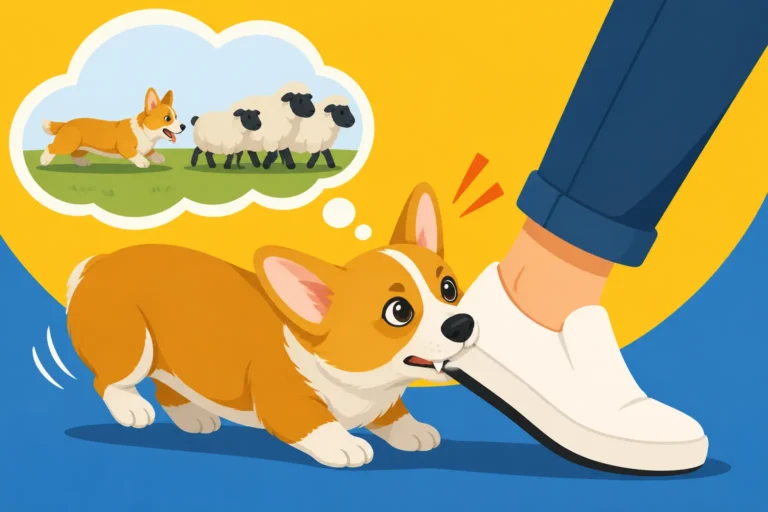
Think about what a Corgi was bred to do: herd cattle. They weren't just running around; they were working, making decisions, and using their wits to guide much larger animals. This isn't a passive dog; it's a dog that expects to be doing something and often wants to be compensated for its efforts. For a Corgi, a "job" could be moving cattle, or it could be learning a new trick. And just like any good worker, they appreciate being paid for their labor. Food, especially a delicious morsel, is a very tangible, immediate form of payment. It's clear, it's satisfying, and it quickly communicates that they've done something right. This instinctual drive to work and earn often translates directly into a strong desire for reinforcement, and food is an easy first choice. The Job a Corgi Needs Instead of Herding You might offer some more insights into their inherent drive.
For centuries, these dogs were valued for their ability to nip at the heels of stubborn livestock, ducking out of the way of kicks. This required quick thinking, resilience, and a certain degree of independence. They weren't just following orders blindly; they were problem-solving. When you bring that into a modern home, you have a dog that thrives on engagement and reward. If the "job" of training isn't as intrinsically motivating as herding a cow, the reward needs to be clear and desirable. Food fits that bill perfectly, often becoming the default motivator because it's so effective and easy for us to deliver.
Intelligence Paired with a Stubborn Streak
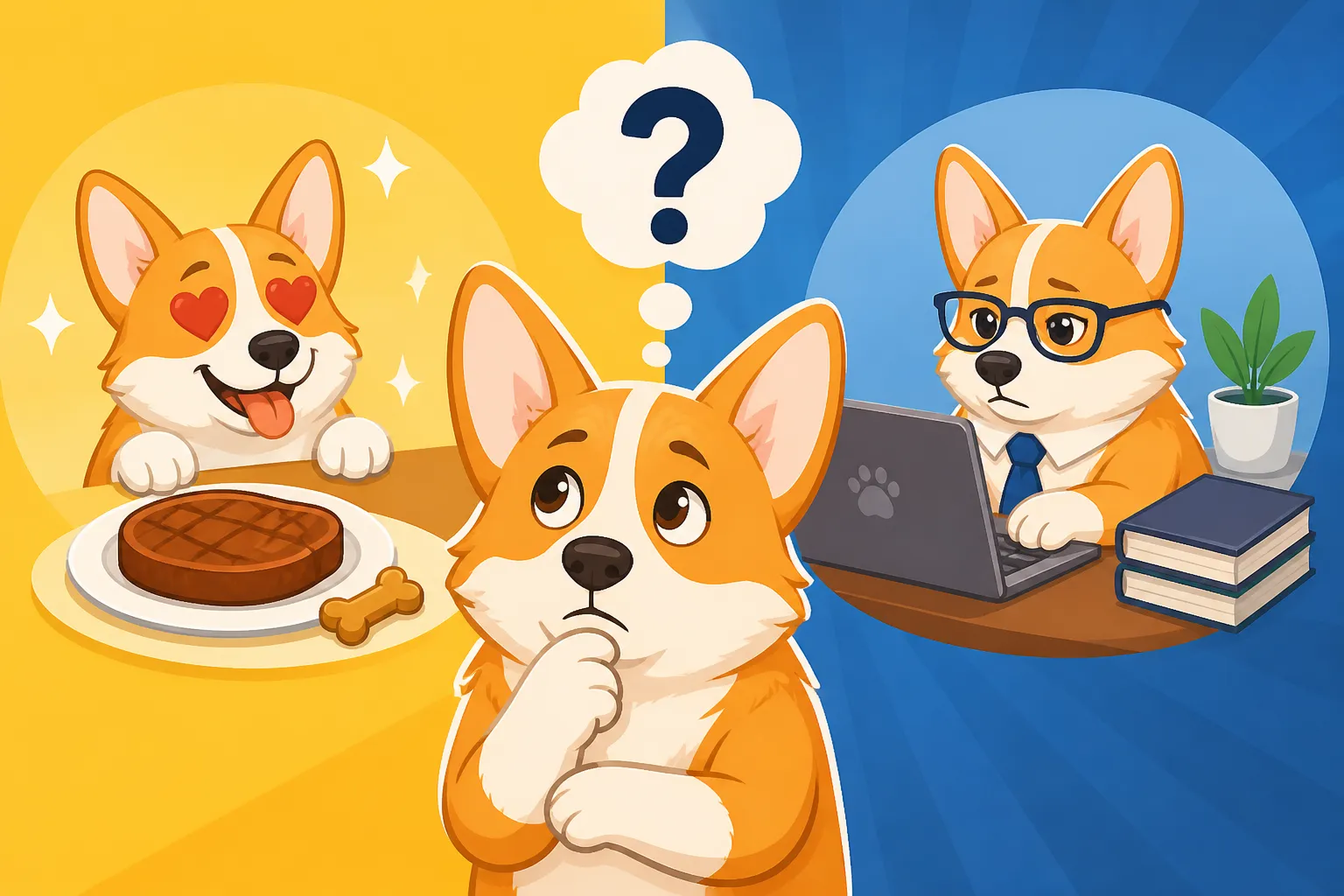
Corgis are smart. Like, really, really smart. They pick up on cues quickly, understand complex sequences, and can figure out how to get what they want. This intelligence, however, can sometimes manifest as a charmingly stubborn streak. They’re not just going to do something because you asked; they’re often assessing whether it’s worth their while. If the reward isn't appealing enough, they might just decide to ignore you, or offer a flurry of other behaviors hoping to hit the jackpot. This isn't defiance for the sake of it, but rather a calculation. "What's in it for me?" is a question your Corgi subtly asks every time you issue a command.
Their intelligence means they can become bored easily if training isn't varied or challenging. If you always use the same low-value kibble, they might decide the effort isn't worth the reward, especially if there are more interesting things happening, like a squirrel outside or a crumb on the floor. It takes a clever handler to stay one step ahead of a clever Corgi. Their short legs might make them appear unassuming, but their minds are always working, often faster than we realize. This combination of smarts and selective cooperation can make it seem like only the highest value treats will ever cut it. Why an Independent Corgi Ignores You goes into more detail about their self-reliant nature.
How Food Became the Go-To Training Tool
Let's be honest, for us humans, food is convenient. It's quantifiable, easy to carry, and universally understood by dogs as a positive reinforcement. When we're starting out with a new puppy, or even retraining an older dog, using food helps us quickly mark desired behaviors and build a positive association with training. It's often the fastest way to get a Corgi engaged and motivated, especially for foundational commands like "sit" or "stay."
However, the very convenience of food can sometimes lead us into a rut. If every single interaction or command is met with a piece of kibble, our Corgis can start to associate performing the command solely with receiving the food, rather than with the joy of learning or pleasing us. This isn't inherently bad, but it can create a dependency where, without a treat in hand, your Corgi might "forget" their manners. We accidentally train them to only work when food is present. Breaking this cycle requires intentionality and a broader understanding of what truly motivates our individual Corgis.
Unlocking Other Currencies: Beyond the Belly Rub
While food is undeniably powerful, reducing a Corgi's motivation solely to their stomach does a disservice to their complex personalities and drives. There’s a whole world of "currencies" beyond kibble that can be just as, if not more, effective in different situations and for different Corgis.
The Power of Praise and Affection
Never underestimate a Corgi’s desire for your approval and attention. A sincere, happy "Good boy!" delivered with enthusiasm, coupled with a gentle scratch behind the ears or a happy pat, can be incredibly rewarding. For many Corgis, especially once they understand the command, your joyous reaction is more than enough to reinforce the behavior. This isn't just about saying "good job"; it's about meaning it, and conveying that happiness through your tone of voice, facial expressions, and body language.
Some Corgis live for praise. They thrive on being the center of attention and delight in making you happy. For these dogs, a little praise goes a long way. It builds connection and trust, making them feel like a valued member of the pack. When training, try pairing a small, low-value treat with enthusiastic verbal praise and physical affection. Over time, you might find that your Corgi responds just as readily to your praise alone, especially in familiar environments and for well-established commands. This strengthens your bond, too, as the reward becomes more about the relationship than the transaction.
Play as a High-Value Reward
For a Corgi, few things beat a good play session. Whether it's a quick tug of war with a favorite rope toy, a chase for a squeaky ball, or even just a burst of enthusiastic play bows and a quick game of "catch me if you can," play can be an incredibly potent motivator. For energetic Corgis, especially puppies or those with a strong prey drive, the opportunity to play with their human is often higher value than any treat. The key is to make it interactive and engaging.
Imagine your Corgi has just aced a challenging recall in a distracting environment. Instead of just a treat, reward them with a wild, exciting game of fetch or a tug session that lasts a minute or two. This kind of reward taps into their natural instincts and helps burn off some of that boundless Corgi energy. It also teaches them that you are the source of fun and excitement, making them more likely to engage with you in the future. Whether a Corgi Works Better for Food or a Toy delves into this in more detail. You can even find interactive toys and puzzle feeders on platforms like Amazon that turn mealtime into a playful challenge, further blurring the lines between food and fun.
Environmental Rewards and Life Lures
"Life rewards" are all those things your Corgi naturally wants to do anyway. Want to go outside? That’s a reward. Want to sniff that interesting bush? That’s a reward. Want to greet a friendly person or dog? Also a reward. You can leverage these everyday desires to reinforce behavior. For example, ask for a sit before opening the door for a walk. Ask for a "stay" before releasing them to go greet a friend. The act of getting what they want (the "life lure") becomes the reward for performing the desired behavior.
This approach teaches your Corgi that good manners lead to good things in their daily lives, making the training feel less like a formal lesson and more like a natural part of their world. It also helps them generalize commands to real-world situations, rather than just performing them when a treat is in sight. Think about all the things your Corgi loves to do, and then think about how you can make access to those things contingent on a small, appropriate behavior. This is powerful because it uses what your Corgi already desires to motivate them.
Decoding Your Corgi's Unique Motivation Language
Every Corgi is an individual, a delightful blend of breed characteristics and unique personality quirks. What motivates one Corgi might leave another utterly cold. The secret to effective training, especially when moving beyond constant food rewards, lies in becoming a keen observer of your specific Corgi.
Observing Individual Preferences and Energy Levels
Take some time to really watch your Corgi. What do they really love? Is it chasing a laser pointer dot? A vigorous ear rub that sends their leg thumping? A particular squeaky toy? Do they have a higher drive for interaction, or are they more interested in exploration? High-energy Corgis might value a quick sprint or a vigorous game of tug, while a more laid-back Corgi might prefer a calm cuddle session or a few moments to chew a favorite toy.
Consider their energy levels throughout the day. A Corgi that's just woken up might be more amenable to quiet praise, while one with pent-up energy might find a game of fetch irresistible. Recognizing these individual preferences and the ebb and flow of their energy allows you to tailor your reward strategy to what will be most impactful at any given moment. This isn't about guesswork; it's about thoughtful, continuous observation and adjustment, just like a good shepherd would know their flock.
The Clicker and Marker Training: Bridging the Gap
If you're looking to transition away from food-only rewards, a clicker or a verbal marker ("Yes!" or "Good!") can be an invaluable tool. These markers are precise signals that tell your Corgi exactly the moment they performed the desired behavior. Initially, you'll pair the click/marker with a high-value food reward to build a strong positive association. Your Corgi quickly learns: click/marker means a reward is coming.
Once that association is solid, the click/marker itself becomes a secondary reinforcer. This means you can start to vary the type of primary reward that follows. Sometimes it might be a treat, sometimes a quick game of tug, sometimes enthusiastic praise, or access to a favored activity like going outside. This flexibility helps break the direct food-for-behavior link and allows you to experiment with other motivators without losing the precision of your communication. BAXTER & Bella, for instance, offers comprehensive online training programs that often integrate marker training, helping owners establish clear communication with their dogs regardless of the reward type. Whether a Clicker Holds a Corgi's Attention is another excellent resource for this.
When a Corgi Shuts Down: Recognizing Overwhelm
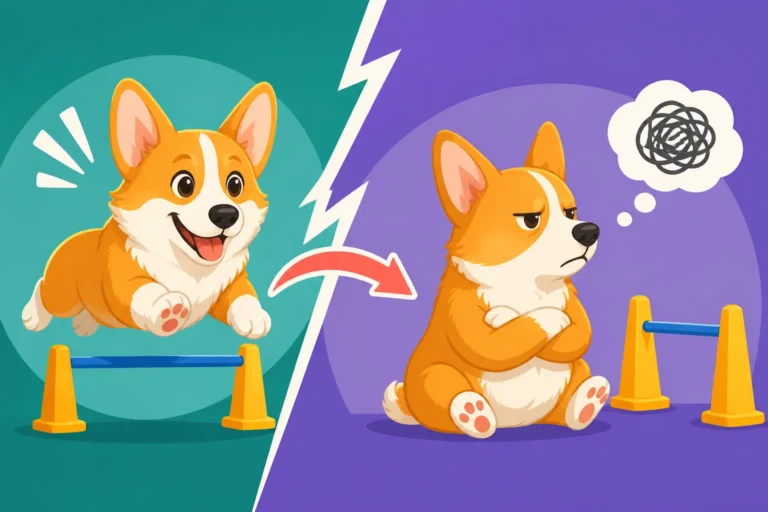
Corgis are smart, but like any dog, they can get overwhelmed. If your Corgi suddenly "shuts down" during a training session – refusing to engage, looking away, or offering incorrect behaviors – it's crucial to recognize this as a sign of stress or confusion, not defiance. This can happen if the training is too long, too challenging, or if the environment is too distracting. Pushing through can erode their trust and make them associate training with negativity.
Instead, when you see those signs, simplify the task, reduce distractions, or end the session on a positive, easy note. A low-value reward for something they can do, followed by a break, can reset their mindset. Sometimes, stepping back and engaging them in a non-training related activity, like a gentle cuddle or a simple game, is the best reward. This teaches them that you understand and respect their limits, which ultimately strengthens your bond and willingness to work with you. A Corgi That Shuts Down When Told Off explores this more deeply.
Weaving Non-Food Rewards into Daily Training
Moving beyond a purely food-based reward system isn't about eliminating treats entirely; it's about diversifying your toolkit and using food strategically. The goal is for your Corgi to perform behaviors because they've learned it leads to something good, not just food.
Phasing Out Treats: A Gradual Process
This isn't an overnight switch. Start by gradually reducing the frequency of food rewards for behaviors your Corgi already knows well, especially in low-distraction environments. Instead of a treat every time they sit, offer a treat every other time, then every third time, and so on, filling in the gaps with verbal praise, a quick pat, or a brief moment of play. This is called intermittent reinforcement, and it actually makes behaviors stronger and more resistant to extinction. Your Corgi learns that a reward might come, keeping them motivated. Keeping Treats Inside a Corgi's Ration also discusses how to manage food-based rewards within their diet.
| Training Phase | Reward Strategy | Example for "Sit" Command |
|---|---|---|
| Initial Learning | Treat for every correct response, high-value | "Sit" -> Corgi sits -> Treat + Praise |
| Fluent Behavior | Treat for most correct responses, varying value | "Sit" -> Corgi sits -> Treat (70%) or Praise (30%) |
| Generalization | Intermittent treats, varied non-food rewards | "Sit" -> Corgi sits -> Treat (50%), Play (25%), Praise (25%) |
| Maintenance | Random treats, focus on praise/life rewards/play | "Sit" -> Corgi sits -> Praise/Play most times, occasional treat |
| Advanced/Proofing | Highly variable, includes environmental rewards | "Sit" at door -> Door opens; "Sit" at park -> Release to play |
As your Corgi becomes more proficient and reliable, you can introduce different types of rewards after the click or marker. Remember, the key is consistency in marking the behavior, but variability in the reward itself. This keeps your Corgi engaged and guessing what wonderful thing might come next!
Integrating Play Sessions and Object Rewards
For Corgis who love to play, incorporate short bursts of interactive play as rewards. Did your Corgi come when called, even with distractions? Instead of just a treat, throw their favorite squeaky toy for a quick retrieve, or engage in a game of tug for 15-20 seconds. This is especially effective for building strong recall, as coming back to you means getting to do something incredibly fun.
Object rewards can also include giving them access to a favored chew toy or puzzle feeder after a training session. For instance, if your Corgi has been working hard on a new skill, rewarding them with a filled Kong or a durable chew toy from Amazon can be a wonderful way to wind down and reinforce positive behavior. Just ensure the play is always under your control – you start the game, and you end it – so it doesn't become a means for them to manipulate you.
Making "Life Rewards" Part of the Routine
Everyday activities offer countless opportunities for reinforcement. Teach your Corgi that good manners unlock access to these desired "life rewards." Before you throw the ball, ask for a "down." Before you put down their food bowl, ask for a "wait." Before you open the car door for an adventure, ask for a "stay."
By making desirable daily events contingent on a small behavior, you’re teaching your Corgi that cooperating with you leads to good things. This helps generalize their understanding that responding to your cues isn’t just for formal training sessions, but a valuable skill in navigating their world. This method also encourages impulse control, which is essential for Corgis who can sometimes be a bit headstrong.
Building a Relationship That Motivates
Beyond treats and toys, the most powerful motivator for any dog, including your clever Corgi, is the relationship they have with you. A strong, trusting, and fun relationship makes them want to work with you, not just for a reward, but because they enjoy the interaction itself.
Trust, Respect, and Clear Communication
A solid relationship is built on trust and mutual respect. Your Corgi needs to know that you are a consistent, fair, and reliable leader. This means giving clear, unambiguous commands, following through on your promises (a reward after a marker!), and never resorting to harsh punishment. When your Corgi trusts you, they are more willing to try new things and engage even when the immediate reward isn't obvious.
Clear communication goes hand-in-hand with trust. Use consistent cues, hand signals, and body language. If your Corgi is confused about what you want, they're less likely to offer the correct behavior, regardless of the potential reward. When they understand you, and you understand them, the flow of communication makes training a collaborative effort rather than a battle of wills.
The Joy of Shared Activities Beyond Commands
Don't let your interactions with your Corgi be all about commands and corrections. Spend time just being with them. Enjoy a relaxing walk where they get to sniff to their heart's content, engage in silly games in the yard, or simply cuddle on the sofa. These moments of shared joy and companionship strengthen your bond and build a reservoir of goodwill that makes them more receptive to training.
For a herding breed like the Corgi, structured activities can also be incredibly fulfilling. Exploring options like Agility With a Corgi's Back in Mind or Scentwork as a Sport That Spares a Corgi's Back can provide mental and physical enrichment that goes far beyond basic obedience. These shared experiences deepen your connection and provide a different kind of motivation – the satisfaction of working together as a team.
Understanding the Corgi's Independent Nature
Remember that independent streak? Embrace it, don't fight it. Corgis were bred to make decisions independently while herding, and that means they’re not always going to be velcro dogs who live to please your every whim. Understanding this inherent trait allows you to approach training with patience and a sense of humor. Don't take their occasional "sass" personally; it's just part of their charming personality. Corgi Sass and What to Do About It is a great companion piece for this topic.
Instead of demanding compliance, try to invite cooperation. Frame training as a fun puzzle you're solving together. Offer choices when appropriate. This approach respects their intelligence and independence, making them more willing partners. For example, rather than sternly ordering a "down," use a playful tone and gesture, making it seem like an enjoyable game they're choosing to participate in. The motivation here is the joy of the interaction itself, rather than purely external rewards.
Troubleshooting: When Food Motivation Still Dominates
Even with the best intentions and a varied reward system, some Corgis might still seem heavily fixated on food. This isn't a failure on your part, but rather a sign that you might need to adjust your approach or seek additional guidance.
Distraction Management and Reward Hierarchies
If your Corgi only performs for food in a quiet living room but "forgets" everything at the park, it's a matter of distraction. You haven't failed; you just need to raise the value of your rewards, or lower the level of distraction, and gradually build up. Think of a "reward hierarchy": what's the absolute highest value reward for your Corgi in that specific moment and environment?
In a highly distracting environment, you might need to revert to using super high-value food rewards (like cooked chicken or cheese) to compete with the environment's allure. As your Corgi starts to reliably perform, you can slowly begin to reintroduce lower-value food rewards and then non-food rewards, always ensuring you're setting them up for success. Always start in low-distraction areas and slowly introduce more challenges. This method is often part of structured online training programs like those from BAXTER & Bella, which guide you through building skills in various environments.
Seeking Professional Guidance
If you're consistently struggling to motivate your Corgi without constant food rewards, or if you're encountering specific behavioral challenges, don't hesitate to consult a professional dog trainer or behaviorist. They can offer personalized advice, observe your interactions, and help you identify underlying issues or suggest specific techniques tailored to your Corgi's needs.
A good trainer can help you understand your Corgi's body language, interpret their motivations, and develop a reward system that truly resonates with them. They can also help you troubleshoot specific problems like excessive barking or nipping, which might stem from unfulfilled drives rather than just a lack of food motivation. Whether a Trainer Understands a Herding Corgi is a good read if you're looking for professional help.
Patience and Consistency: The Corgi Way
Training a Corgi, especially one that seems to have an opinion on everything, requires immense patience and unwavering consistency. You won't see results overnight, and there will be days when it feels like you're taking two steps back for every one step forward. But every consistent interaction, every successful reinforcement, builds upon the last.
Corgis are creatures of habit, and they thrive on routine and predictability. The more consistent you are with your commands, your expectations, and your reward system (even if it's varied), the faster your Corgi will learn and internalize what you're asking of them. Keep training sessions short, fun, and positive. Short Bursts of Training a Corgi Will Take emphasizes this approach. Celebrate the small victories, learn from the setbacks, and remember that building a strong relationship with your Corgi is a lifelong journey, not a destination. They are worth every bit of effort.
Disclaimer
This article is for general informational purposes only and does not constitute professional advice. Laws, prices and regulations vary by location and change over time. Consult a qualified professional for guidance on your specific situation.