Why an Independent Corgi Ignores You
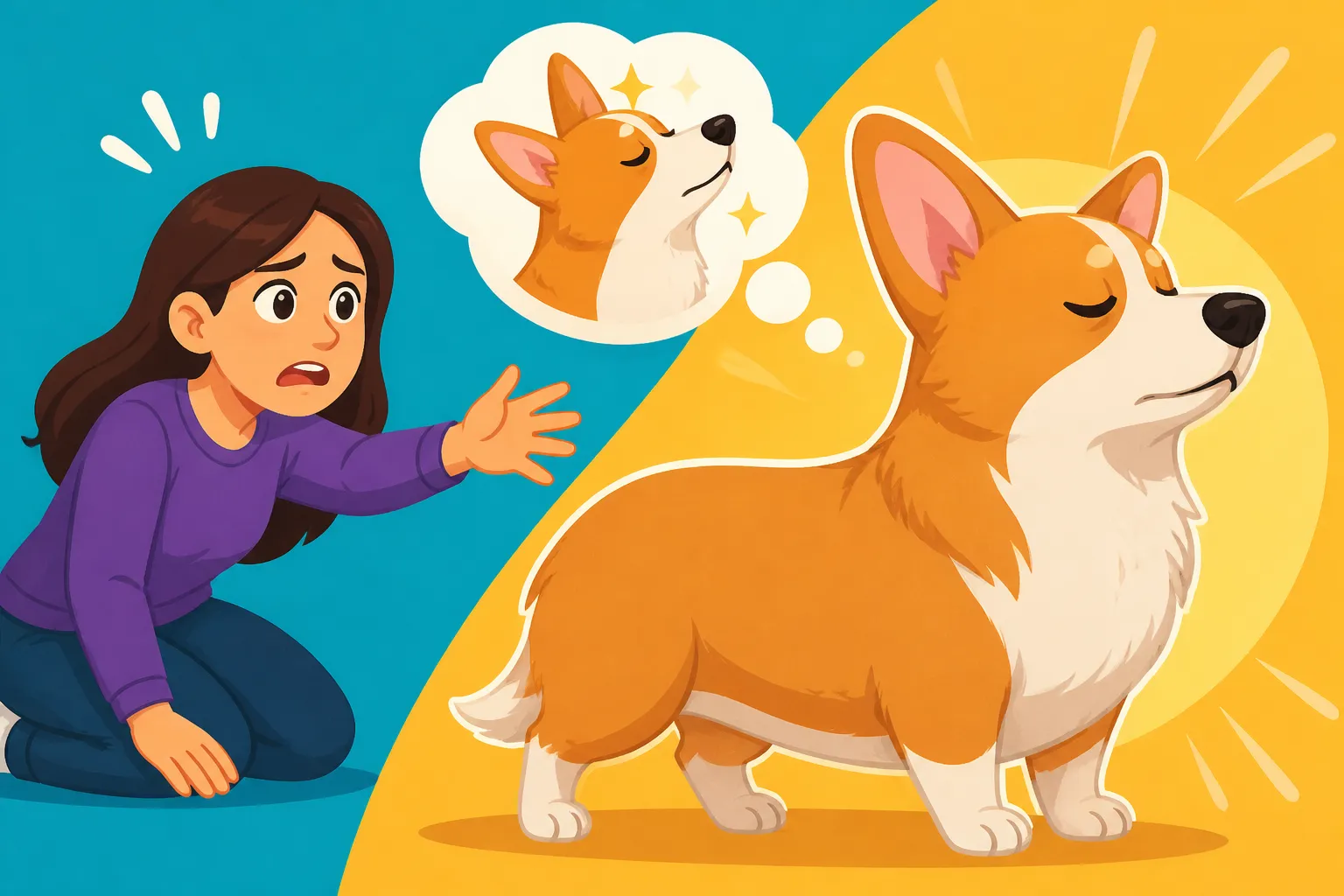
It can be incredibly frustrating when your adorable Corgi, a breed known for its intelligence and charm, seems to completely ignore you. You call their name, offer a treat, and they just stare off into the distance or, even worse, trot away as if you don't exist. This guide will help you understand why your independent Corgi might be tuning you out and provide practical strategies to foster a more responsive and engaged relationship with your beloved companion.
The Corgi Mindset: More Than Just "Stubborn"
When we talk about a Corgi's independence, it's easy to label it as stubbornness, but that's often an oversimplification. These aren't malicious acts of defiance; they are deeply ingrained traits shaped by centuries of selective breeding. Understanding the historical context of the Corgi can shed a lot of light on why they operate the way they do and why they sometimes seem to march to the beat of their own drum. It’s not that they don't love you, it's that their brains are wired for a specific kind of work that demanded self-reliance.
Tracing the Herding Instinct to Modern Behavior
Imagine a little Corgi in the fields of Wales, responsible for herding cattle much larger than itself. These dogs weren't simply following commands; they were making split-second decisions to nip at heels, duck away from hooves, and direct stubborn livestock. There wasn't a human handler right there for every single move. They had to think for themselves, assess situations, and act decisively. This intense problem-solving and self-starting nature is still very much alive in your modern Corgi. It’s why they are so clever, but also why they sometimes seem to "think for themselves" rather than instantly complying. Their heritage dictates a certain level of autonomy.
This herding instinct often manifests as a strong desire to control their environment, whether that's gathering family members, chasing anything that moves (like children, squirrels, or even the vacuum cleaner), or deciding the best route on a walk. This isn't naughtiness; it's a deep-seated drive. When your Corgi ignores your recall to chase a leaf, it’s not because they don't value you, but because that ancient herding brain has identified a "target" and the instinct to pursue it overrides everything else in that moment. They’re wired to react to movement and shape, and sometimes, that’s just more compelling than your voice.
The "Independent Decision-Maker" Persona
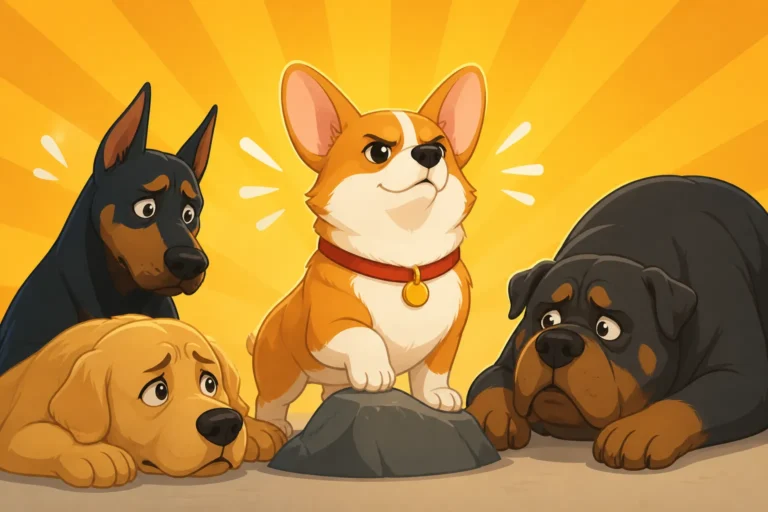
Because of their history, Corgis often come across as highly intelligent, self-sufficient, and yes, sometimes a bit bossy. They're not looking to you for every single instruction, especially if they've already decided on a course of action they believe is superior. This "independent decision-maker" persona means they're constantly evaluating situations. If your command doesn't make immediate sense to them, or if there's a more appealing alternative in their Corgi brain, they might simply opt for their own plan. This can be particularly true if they feel like they have a better understanding of the situation than you do—and let's be honest, sometimes they just might!
This independent streak also means that Corgis can be less motivated by a desire to simply please their human, which is a trait seen in some other breeds. Instead, they operate on a more transactional basis: "What's in it for me?" This isn't a flaw in their character; it's just how their intelligent, problem-solving brains are wired. They weigh the options, and if your offer isn't the best one on the table (or if they haven't been adequately motivated to see your offer as the best), they'll make their own choice. This is where many owners get frustrated, feeling like their Corgi is intentionally being difficult, when in reality, they're simply being a Corgi. This independent thinking is part of their charm, but it certainly requires a different approach to training.
Understanding the Communication Breakdown
It's easy to blame the dog when they're not listening, but often, the issue lies in how we're communicating. Are we clear? Are we consistent? Are we motivating them effectively? For an independent breed like the Corgi, these questions become even more critical. They aren't going to guess what you want or simply follow along out of blind obedience. You have to make your intentions and their incentives crystal clear.
Are You Speaking Corgi?
Sometimes, what we perceive as "ignoring" is actually a communication gap. We might be using too many words, unclear hand signals, or giving commands in a tone that doesn't convey urgency or importance. Corgis, with their sharp minds, pick up on consistency. If "come" sometimes means "come right now, there's a treat!" and other times means "come whenever you feel like it, I'm just going to walk over there anyway," then the command loses its power. They're smart enough to learn that your words don't always carry the weight you intend.
Consider the environment you're in when you give commands. A quiet living room is very different from a busy park with squirrels, children, and other dogs. Your Corgi might literally not hear you over the cacophony, or their attention might be so divided that your voice simply doesn't register. It's not that they're choosing to ignore you, but rather that your communication isn't cutting through the noise. Practicing in progressively more distracting environments is key to building reliability. We often ask too much too soon, expecting perfect obedience in high-distraction settings when we haven't built that foundation in calmer ones. This is a common pitfall for many dog owners, especially with clever, independent breeds.
The "What's In It For Me?" Factor
As mentioned earlier, Corgis are highly motivated by self-interest. If your Corgi is ignoring you, it's worth evaluating what incentive you're offering. Is it truly high-value enough to compete with whatever captivating thing has their attention? A dry, everyday kibble might not cut it when there's a fascinating scent trail to follow or another dog to greet. To capture an independent Corgi's attention, you often need to outbid the environment. Whether a Corgi Works for Anything but Food is a question many owners ponder, and the answer is usually: food helps a lot!
This means using soft, smelly, incredibly delicious treats, or their absolute favorite toy, especially in the early stages of teaching a new behavior or practicing in a challenging environment. It's not about bribing; it's about making your request the most rewarding option available. Once the behavior is consistently performed, you can gradually reduce the value and frequency of the rewards, but you should always be ready to pull out the "jackpot" reward for truly exceptional compliance. Remember, a Corgi is always assessing the cost-benefit analysis of obeying, so make the "benefit" overwhelmingly positive. For high-value training treats or engaging puzzle toys, platforms like Amazon offer a huge selection.
Common Scenarios Where Corgis "Ignore" You
Every Corgi owner has been there. That moment when you feel like you're talking to a brick wall with short legs and big ears. These moments of "ignoring" aren't just frustrating; they can sometimes be dangerous, especially if your Corgi runs off in an unsafe area. Understanding the typical situations where this behavior crops up can help you anticipate and proactively manage them.
Distraction Overrides: When the World is More Interesting
Corgis are highly alert and curious dogs. Their low stature gives them a unique perspective on the world—every bush is a treasure trove of smells, every rustle could be a small creature, and every distant sound is worth investigating. When something captures their attention, their focus can narrow intensely. Your voice, your commands, even your presence, can become secondary to the compelling stimulus of their environment. This is not necessarily them being rude; it's their herding and hunting instincts kicking in, overriding everything else.
Think about a walk in the park. Your Corgi might be sniffing an interesting patch of grass, completely engrossed. You call their name, but they don't even twitch an ear. To them, that scent is a rich tapestry of information, far more immediate and exciting than your request to "come." It's a genuine "distraction override." This is especially common for them because they were bred to work independently, making their own decisions about livestock movement, rather than constantly checking in with a handler. It takes a lot of consistent training to teach them that your input is more valuable, even than the most fascinating smell or sight. This is where building a strong foundation of engagement in calm environments is crucial before expecting miracles in stimulating ones.
Selective Hearing and the "Failed Recall"
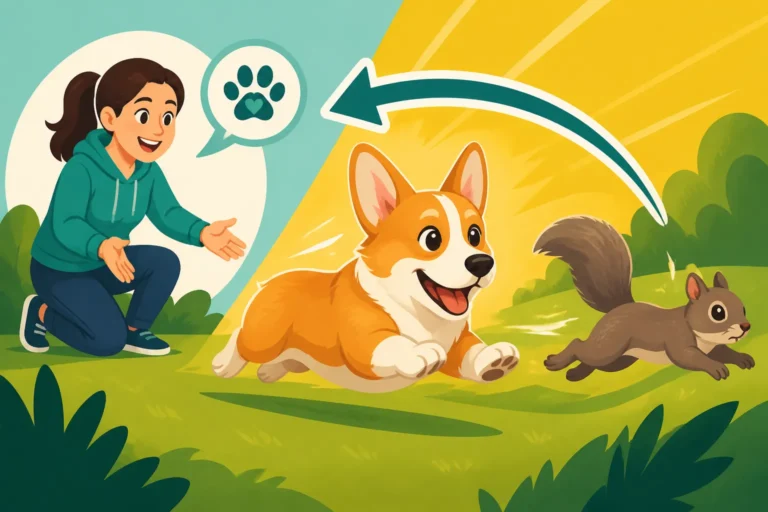
The classic scenario for an "ignoring" Corgi is the failed recall. You’re at the dog park, or perhaps just in your yard, and you call your Corgi’s name. They look at you, maybe even start to trot towards you, then suddenly pivot and dash off in pursuit of something far more captivating. This isn't really selective hearing; it's a priority shift. Your Corgi heard you, processed the command, and then actively chose to prioritize something else. This can be infuriating, but it's a testament to their independent nature. Corgi Recall and the Herding Instinct explores this common challenge in depth.
To combat this, your recall command needs to be associated with overwhelmingly positive outcomes. If "come" always means "fun is over, leash goes on, we go home," then your Corgi will learn to avoid it. Instead, "come" should mean "party time! super treats! exciting game!" When you call your Corgi, make it worth their while. Give them a special treat, engage in a quick game of tug, or offer enthusiastic praise. Then, release them to go back to playing. This teaches them that coming to you doesn't mean the end of fun, but often signals a temporary, highly rewarding interlude. Practice in low-distraction environments first, gradually increasing the challenge.
The "I'll Do It My Way" Approach to Commands
Corgis are clever, and they can learn commands very quickly. The challenge often isn't teaching them what a command means, but convincing them to do it reliably, every single time, even when they'd rather not. You might ask your Corgi to "sit," and they respond with a leisurely lean, or a half-hearted drop to their haunches that isn't quite a full sit. Or they might look at you as if to say, "Do I have to? It's much more comfortable standing here." This "I'll do it my way" approach stems from their independence. They know the command, but they're deciding whether it's worth the effort or if there’s a more Corgi-approved way to comply.
This behavior highlights the importance of precision in your training and consistency in your expectations. If you accept a "half-sit," your Corgi will learn that a half-sit is good enough. Be patient but firm in waiting for the full desired behavior before rewarding. Sometimes, they might even try to offer a different trick altogether, hoping it will be accepted instead. This is their cleverness at play, trying to find the path of least resistance or the most rewarding alternative. It’s also a good sign they are Whether Corgis Are Stubborn or Just Thinking. Remain steadfast in asking for what you want, and make it abundantly clear that that is what earns the reward.
Strategies for Building a More Responsive Corgi
Now that we understand why your Corgi might be "ignoring" you, let's talk about how to turn that around. It requires patience, consistency, and a deep understanding of what motivates your intelligent, independent companion. It's not about breaking their spirit but channeling their cleverness into cooperation.
Positive Reinforcement and High-Value Rewards
For an independent Corgi, positive reinforcement isn't just a good idea; it's essential. Harsh corrections or punishment tend to shut down these clever dogs, making them resentful or more determined to do things their own way, just out of spite. Instead, focus on rewarding the behaviors you do want to see. When your Corgi chooses to look at you, responds to their name, or performs a command, even imperfectly, reward them immediately and enthusiastically. This helps them understand that engaging with you is always a good thing.
The key, as we've discussed, is high-value rewards. Think beyond plain kibble. Small pieces of cooked chicken, cheese, hot dogs, or specially made training treats can be incredibly motivating. For Corgis that aren't food-motivated (they are rare, but they exist!), a favorite squeaky toy or a quick game of tug can be an excellent reward. The goal is to make obeying you the most rewarding activity in any given moment. Vary your rewards to keep things exciting. You can find excellent training tools and a wide variety of high-value treats on platforms like Amazon, making it easy to experiment and find what your Corgi loves most. Keeping Treats Inside a Corgi's Ration is also important to manage their weight while training.
Short, Engaging Training Sessions
Corgis are smart, but they also have surprisingly short attention spans for formal training. Their independent minds prefer to be active and problem-solving, not repeating the same "sit" command twenty times in a row. Long, monotonous training sessions will quickly lead to boredom, frustration, and your Corgi "tuning out." Instead, aim for frequent, very short training sessions—think 5-10 minutes, several times a day. Short Bursts of Training a Corgi Will Take are far more effective than one long, tedious session.
During these sessions, keep the energy positive and fun. Mix up commands, introduce new challenges, and always end on a high note, even if it's just after a simple "sit" and a big reward. This leaves your Corgi wanting more and eager for the next session. Incorporate training into everyday activities: ask for a "sit" before opening the door for a walk, or a "down" before they get their dinner bowl. This helps them generalize commands and see that listening to you is part of their daily routine, not just a formal "training time." A clicker can also be a fantastic tool to mark the exact moment of correct behavior, helping your Corgi understand exactly what they did right. Whether a Clicker Holds a Corgi's Attention is often yes, as the sound is precise and novel.
Consistency and Clear Expectations
This is arguably the most crucial element when training an independent Corgi. Every member of the household needs to be on the same page regarding commands, hand signals, and acceptable behavior. If one person allows jumping on guests but another punishes it, your Corgi will become confused and learn that rules are flexible, making them more likely to ignore commands selectively. Corgis thrive on structure and predictability.
Establish clear, concise commands and use them consistently. Avoid using different words for the same action (e.g., "come here," "get over here," "come on"). When you give a command, follow through. If you ask for a "sit," wait for the sit before rewarding or moving on. Don't repeat commands endlessly; give one clear command, wait a few seconds, and if your Corgi doesn't respond, gently guide them into position and then reward. This teaches them that the first command is the one that counts. Remember, Training a Corgi That Makes Its Own Decisions means you need to be even more deliberate in setting those clear boundaries. Online training platforms, like those offered by BAXTER & Bella, can be invaluable for providing structured, consistent guidance that you and your whole family can follow. They help ensure everyone is using the same cues and techniques.
Environmental Management and Proactive Prevention
Training isn't just about what happens in a dedicated session; it's about setting your Corgi up for success in their everyday life. Managing their environment and proactively addressing potential "ignoring" triggers can make a huge difference in their overall responsiveness.
Minimizing Distractions in Training
When you're teaching a new command or trying to solidify a behavior, start in an environment with minimal distractions. Your living room, a quiet hallway, or a fenced yard with no other animals or exciting smells are ideal. Once your Corgi is consistently performing the behavior in these calm settings, gradually introduce mild distractions. This might mean moving to a different room, training when someone else is in the house, or practicing in the backyard with a toy nearby (but out of reach).
Only once they're reliably responding to you in these moderately distracting environments should you venture out into places with high distractions, like a busy park. Even then, remember to set them up for success. Use a long line for recall practice to ensure their safety and your ability to reel them in if they get too distracted. The goal is to build their focus on you incrementally, rather than expecting them to ignore a flock of pigeons after only a few indoor sessions. This stepwise approach respects their independent nature and helps them learn that your voice is always important, no matter what's going on around them.
Harnessing Their Intelligence for Good
Corgis are incredibly intelligent and need mental stimulation as much as physical exercise. A bored Corgi is a Corgi more likely to create their own (often inconvenient) entertainment, which can include "ignoring" your commands in favor of their chosen activity. Provide plenty of opportunities for mental engagement. Puzzle toys, snuffle mats, and hiding treats around the house (often called "scent work" or "nose work") can be fantastic ways to channel their problem-solving abilities. Hiding Food Around the House for a Corgi is a wonderful activity for them.
Consider enrolling in dog sports like scent work, obedience, or even beginner agility (with careful consideration for their back, of course!). These activities tap into their natural drives and intelligence, giving them a "job" to do that is both mentally fulfilling and strengthens their bond with you. When their brains are tired from constructive work, they're often calmer and more receptive to your commands. A well-exercised and mentally stimulated Corgi is generally a happier, more biddable dog. The Forty-Five Minutes a Corgi Needs Daily of mental and physical engagement is critical for managing their independent spirit.
When Professional Help is Needed
Even with the best intentions and consistent effort, sometimes an independent Corgi's "ignoring" behavior can feel overwhelming or even become dangerous. This is when seeking professional guidance isn't a sign of failure, but a smart and responsible step.
Recognizing When You're Out of Your Depth
There are moments when you just hit a wall. Perhaps your Corgi's recall is nonexistent in public, leading to dangerous situations. Maybe their selective hearing extends to basic household commands, making daily life a struggle. Or perhaps their independence has morphed into more challenging behaviors like resource guarding or excessive barking that you can't seem to manage on your own. These are all valid reasons to seek external help. Don't let frustration fester or allow the problem to escalate. An experienced professional can offer a fresh perspective, identify subtle issues you might be missing, and provide tailored strategies for your specific Corgi and household.
It's particularly important to consider professional help if you find yourself getting angry or constantly frustrated with your Corgi. A good trainer will help you understand your Corgi's motivations and teach you how to communicate effectively without resorting to punitive methods. Remember, Whether Harsh Handling Works on a Corgi is generally no; it often exacerbates problems with independent, sensitive breeds. An expert can bridge the communication gap between you and your intelligent companion, ensuring both of you are happier and safer.
Finding the Right Trainer for an Independent Corgi
Not all dog trainers are created equal, and finding the right one is crucial, especially for a breed with the unique characteristics of a Corgi. Look for trainers who specialize in positive reinforcement methods and have experience with independent, intelligent breeds. Avoid trainers who advocate for harsh corrections, intimidation, or dominance theories, as these methods can be counterproductive and damaging to your Corgi's trust and confidence.
Interview potential trainers. Ask about their philosophy, their experience with Corgis or similar breeds, and what their approach would be to addressing selective hearing or poor recall. A good trainer should be able to explain why your Corgi is behaving a certain way, not just how to stop it. They should focus on teaching you, the owner, how to effectively communicate and motivate your dog. Online resources like those from BAXTER & Bella can be a great starting point for structured training, but sometimes hands-on, in-person guidance from a local professional is invaluable. Don't be afraid to ask for references or observe a class before committing. Finding someone who truly Whether a Trainer Understands a Herding Corgi can make all the difference.
Disclaimer
This article is for general informational purposes only and does not constitute professional advice. Laws, prices and regulations vary by location and change over time. Consult a qualified professional for guidance on your specific situation.