Which Labs Run the Corgi DM Test
The uncertainty surrounding your beloved Corgi's health can be incredibly stressful, especially when it comes to serious genetic conditions like Degenerative Myelopathy. Knowing precisely which laboratories offer reliable testing for this debilitating disease is the first crucial step toward gaining peace of mind and making informed decisions for your furry family member. This guide will walk you through the key labs that perform Corgi DM testing, what to expect from the process, and how to interpret those all-important results.
Understanding Degenerative Myelopathy in Corgis
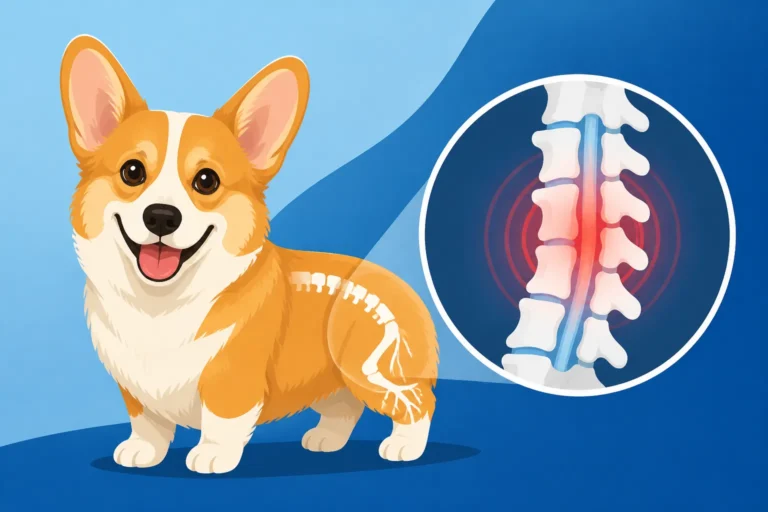
Degenerative Myelopathy (DM) is a progressive neurological disease affecting the spinal cord, primarily in older dogs. It's often compared to Amyotrophic Lateral Sclerosis (ALS) in humans, and for Corgi owners, it’s a concern that looms large. The disease typically begins with weakness and loss of coordination in the hind limbs, slowly progressing to paralysis, and eventually affecting the front limbs. It's heartbreaking to witness, and knowing the genetic predisposition of Corgis makes early understanding and testing paramount. You can learn more about specific symptoms in our comprehensive article on Degenerative Myelopathy and the Corgi.
The Genetic Basis of DM in Corgis
DM in Corgis, and many other breeds, is primarily associated with a mutation in the SOD1 gene. This gene is responsible for producing an enzyme called superoxide dismutase 1, which plays a role in protecting cells from damage. When a mutation occurs, it can lead to the dysfunction and eventual degeneration of nerve fibers in the spinal cord. It's not a simple dominant/recessive trait; instead, it's considered to have an autosomal recessive inheritance pattern with incomplete penetrance. This means that while a dog might carry two copies of the mutated gene, they may not always develop the disease in their lifetime, or they may develop it much later and more slowly. This complex genetic reality is why understanding Why a Corgi Carrying the DM Gene Usually Stays Well is so important.
Why Corgis are Particularly Susceptible
Corgis, particularly Pembroke Welsh Corgis, have a well-documented genetic predisposition to DM. It’s one of those breed-specific health concerns that every Corgi owner and breeder should be acutely aware of. While other breeds like German Shepherds, Boxers, and Bernese Mountain Dogs also carry the SOD1 mutation, Corgis have one of the highest incidences of both carrying the mutation and developing the disease. This isn't to say every Corgi will get it, far from it, but the prevalence is significant enough that responsible breeders routinely test their breeding stock. For owners of Corgi puppies, screening them early can offer valuable insight for their future care; our article on Whether a Corgi Puppy Should Be Screened for DM offers further insights.
The reasons for this heightened susceptibility are rooted in the breed's genetic history. Without diving too deep into the minutiae, it's essentially a consequence of line breeding and the genetic bottleneck effect that can occur within purebred populations. This concentration of certain genes, both desirable and undesirable, means that mutations like the SOD1 variant become more common in the gene pool.
Reputable Laboratories Offering Corgi DM Testing
When it comes to genetic testing for your Corgi, you want to ensure accuracy, reliability, and clear communication of results. Thankfully, several highly reputable laboratories specialize in canine genetic health, including comprehensive DM testing. These labs are widely recognized by breed clubs, veterinarians, and responsible breeders across North America and beyond. They typically use a simple cheek swab or blood sample, making the collection process relatively stress-free for your Corgi.
Key Players in Genetic Pet Testing
Several prominent laboratories offer specific testing for the SOD1 gene mutation linked to Degenerative Myelopathy in Corgis. These are the labs you’ll most commonly encounter when discussing DM testing with your veterinarian or breeder:
- Paw Print Genetics (PPG): Based in Spokane, Washington, Paw Print Genetics is a widely trusted name in canine genetic testing. They offer an extensive panel of tests for various breeds, including a specific DM test for Corgis. Their website is user-friendly, and they provide clear instructions for sample collection and submission. Many breeders rely on PPG for their detailed reports and comprehensive breed-specific health panels.
- Embark Veterinary, Inc.: Embark is another incredibly popular and comprehensive genetic testing service. While often known for their breed identification and health panels, they also include the SOD1 DM test for Corgis. Their kits typically involve a cheek swab, and their results often come with detailed explanations of potential health risks, including a Corgi's DM status. Their platform is very interactive, allowing you to explore your dog's genetics in depth.
- Orthopedic Foundation for Animals (OFA) – DNA Based Disease Registry: The OFA is a central registry for canine health clearances. While they don't perform the tests themselves, they maintain a public database of results submitted by various approved laboratories. Many of the actual tests for DM (and other conditions like Corgi Eye Disease and PRA or Corgi Hips and Front-End Structure) are processed by labs like the University of Missouri's Animal Molecular Genetic Lab (AMGL) or GenSol Diagnostics, and then registered with OFA. This allows breeders to verify health clearances. You’ll often see breeders refer to OFA clearances even if the test was done elsewhere.
- GenSol Diagnostics: Based in the United States, GenSol offers specific genetic testing for various breeds, including the DM SOD1 test for Corgis. They are known for quick turnaround times and offer competitive pricing. Like other reputable labs, they provide clear, easy-to-understand reports.
- University-Based Labs: Many university veterinary schools, such as the University of Missouri's Animal Molecular Genetic Lab (AMGL) mentioned above, offer genetic testing services. These labs are often at the forefront of genetic research and provide highly accurate testing. They might require a veterinarian to submit the sample, especially for blood tests.
Here's a quick comparison of some popular options:
| Laboratory Name | Primary Focus | Sample Type | Typical Turnaround | Unique Features |
|---|---|---|---|---|
| Paw Print Genetics | Breed-specific genetic health panels | Cheek Swab, Blood | 2-3 weeks | Detailed reports, comprehensive panels, breeder-focused. |
| Embark Veterinary | Breed identification, health, ancestry | Cheek Swab | 2-4 weeks | Interactive platform, vast breed database, relative finder, comprehensive health reporting. |
| GenSol Diagnostics | Specific genetic disease testing | Cheek Swab | 1-2 weeks | Fast results, competitive pricing, direct-to-consumer option. |
| Univ. of Missouri (AMGL) | Academic research, genetic disease testing | Blood, Cheek Swab | 2-4 weeks | Research-driven, often veterinarian-submitted. |
How to Submit a Sample for DM Testing
The process for submitting a sample is generally straightforward, whether you're working with a breeder or directly with a lab. Most labs provide a testing kit that you order online.
- Order the Kit: Visit the website of your chosen lab (e.g., Paw Print Genetics, Embark, GenSol). Select the Corgi DM test (or a Corgi breed panel that includes DM) and place your order. The kit will be mailed to you.
- Collect the Sample: The kit will typically contain sterile cheek swabs. Follow the instructions precisely. This usually involves rubbing the swab firmly on the inside of your dog's cheek for a specified amount of time (often 30-60 seconds per swab). It's crucial that your Corgi hasn't eaten or drunk anything for at least 30 minutes prior to collection to avoid contamination. For very young puppies, or if a more definitive sample is needed, your veterinarian might take a blood sample.
- Return the Sample: Once collected, allow the swabs to air dry completely (this prevents mold growth during transit) and then place them back into the provided packaging. Affix the pre-paid return label (if included) and drop it in the mail.
- Vet Involvement: While many labs allow direct-to-consumer testing, some breeders or owners prefer to have their vet collect the sample. This ensures proper technique and provides an extra layer of verification. If you're concerned about your Corgi's back health, discussing all The Vet Visits a Corgi Puppy Needs First is always a good idea.
What to Expect from the Testing Process
After you send off the sample, the waiting game begins. Most labs will send you an email confirmation once they receive your sample. The turnaround time can vary based on the lab and their current volume, but it generally ranges from one to four weeks. During this time, the lab extracts DNA from the cells on the swab or in the blood, then performs a Polymerase Chain Reaction (PCR) test to amplify specific segments of the SOD1 gene. This allows them to identify whether the mutation associated with DM is present.
The results will typically be sent to you via email or made available through an online portal. They will clearly state your Corgi's genetic status regarding the SOD1 mutation. It's an exciting moment, but it's important to approach the results with a calm and informed perspective, as they are just one piece of the larger health puzzle.
Interpreting Your Corgi's DM Test Results
Getting your Corgi's DM test results can feel a bit like reading a foreign language if you're not familiar with genetic terminology. However, reputable labs break it down into clear categories: "Clear," "Carrier," and "At-Risk." Understanding what each of these means is essential for any Corgi owner, especially if you are involved in breeding. For breeders, these tests are part of a larger panel, like The DNA Tests a Corgi Breeder Should Run.
Decoding "Clear," "Carrier," and "At-Risk" Designations
Here’s a breakdown of what the different classifications mean for your Corgi:
- N/N (Clear): This means your Corgi has two normal copies of the SOD1 gene and does not carry the mutation. A "Clear" Corgi cannot develop DM due to this specific SOD1 gene mutation, nor can they pass this mutation on to their offspring. This is the ideal result for breeding, as it ensures no affected puppies will be produced when bred with another clear or carrier. Our article on Whether a Clear Corgi Can Still Get DM offers more context.
- A/N (Carrier): A "Carrier" Corgi has one normal copy of the SOD1 gene and one copy of the mutated gene. These dogs typically do not develop DM themselves because the single normal gene copy is usually sufficient to prevent the disease's onset. However, they can pass the mutated gene to approximately 50% of their offspring. This means that if a carrier Corgi is bred with another carrier, some puppies could inherit two copies of the mutated gene and be "At-Risk." You might wonder Whether Carrier Corgis Ever Show Signs, and generally, the answer is no for DM.
- A/A (At-Risk / Affected): This designation means your Corgi has two copies of the mutated SOD1 gene. Dogs with this result are considered "At-Risk" of developing Degenerative Myelopathy in their lifetime. It’s important to remember the incomplete penetrance aspect here – not all "At-Risk" dogs will develop clinical signs of DM, but the vast majority will eventually show symptoms if they live long enough. They will also pass one copy of the mutated gene to all of their offspring. This status implies a higher level of vigilance regarding their health and lifestyle as they age.
Knowing these designations is crucial, especially when considering Reading a Corgi SOD1 Test Result in detail.
The Difference Between Carrying the Gene and Developing the Disease
This is perhaps the most confusing aspect of DM testing for many owners. As mentioned, the SOD1 mutation is inherited in an autosomal recessive fashion with incomplete penetrance. This means:
- Carriers (A/N): They have one mutated copy but almost never develop the disease. The normal gene copy seems to protect them. They are important in breeding considerations, but not typically for their personal health risk.
- At-Risk (A/A): They have two mutated copies. These are the dogs truly at risk. However, "incomplete penetrance" means that while most will eventually develop DM, a small percentage might not, or they might develop it much later in life than average. Environmental factors, other genetic modifiers, and overall health might play a role in whether and when clinical signs manifest. This is why How Few Corgis Actually Develop DM despite the number of carriers, is an important distinction.
So, a positive test result for the SOD1 mutation (meaning A/A or "At-Risk") doesn't guarantee your Corgi will get DM, but it significantly increases their probability. It's a risk factor, not a definitive diagnosis. Clinical diagnosis still requires neurological examination and ruling out other conditions. For instance, Telling Disc Pain From DM in a Corgi can be challenging, as both can cause hind leg weakness.
Making Informed Decisions After DM Testing
Receiving your Corgi's DM test results provides valuable information, but what you do with that information is equally important. Whether your Corgi is clear, a carrier, or at-risk, these results empower you to make proactive choices regarding their health, breeding, and overall well-being. This can also inform your financial planning, as conditions like DM can incur significant costs, something pet insurance providers like Healthy Paws aim to mitigate for eligible conditions.
Breeding Considerations for Corgis with DM Genes
For responsible Corgi breeders, DM testing is an indispensable tool for maintaining the health of the breed and reducing the incidence of DM in future generations. The goal is always to avoid producing puppies that are "At-Risk" (A/A).
- Clear to Clear (N/N x N/N): This pairing will produce 100% "Clear" (N/N) puppies. This is the safest breeding combination in terms of DM.
- Clear to Carrier (N/N x A/N): This pairing will produce approximately 50% "Clear" (N/N) and 50% "Carrier" (A/N) puppies. No "At-Risk" puppies will be produced. This is a common and acceptable breeding strategy to maintain genetic diversity while preventing affected offspring. Our article on Pairing a Carrier Corgi With a Clear One delves into this further.
- Clear to At-Risk (N/N x A/A): This pairing will produce 100% "Carrier" (A/N) puppies. Again, no "At-Risk" puppies will be produced. This strategy might be used by breeders to preserve valuable traits from an "At-Risk" dog while ensuring no puppies develop the disease, provided the offspring are then carefully bred with "Clear" partners.
- Carrier to Carrier (A/N x A/N): This pairing carries a risk of producing 25% "Clear" (N/N), 50% "Carrier" (A/N), and 25% "At-Risk" (A/A) puppies. This breeding is generally discouraged by responsible breeders because it knowingly produces "At-Risk" offspring.
- Carrier to At-Risk (A/N x A/A): This pairing will produce approximately 50% "Carrier" (A/N) and 50% "At-Risk" (A/A) puppies. This breeding is strongly discouraged.
- At-Risk to At-Risk (A/A x A/A): This pairing will produce 100% "At-Risk" (A/A) puppies and should never be done.
Understanding these probabilities helps breeders make ethical choices. The ultimate aim is to reduce How Many Corgis Carry the DM Mutation in the general population over time, without excessively narrowing the gene pool. It's a delicate balance, but one that responsible breeders actively manage through testing and careful selection, helping to How Breeders Cut the Corgi DM Rate.
Lifestyle and Management for At-Risk Corgis
If your Corgi tests as "At-Risk" for DM, it doesn't mean you should panic or despair. It simply means you have valuable information to prepare and potentially delay the onset or progression of the disease.
- Proactive Health Monitoring: Be extra vigilant for early signs of DM, such as stumbling, scuffing paws (especially the hind ones), or difficulty jumping. Consult your vet at the first sign of any neurological changes. Regular check-ups with your veterinarian are even more important.
- Weight Management: Keeping your Corgi at a healthy weight is paramount for their overall spinal health and could potentially impact DM progression. Excess weight puts additional strain on the entire body, including the spinal cord, and can exacerbate mobility issues.
- Regular, Moderate Exercise: While intense, high-impact activities should be avoided, regular, gentle exercise helps maintain muscle mass and good circulation. Swimming, short walks, and low-impact games are excellent. Discuss appropriate exercise levels with your vet. Our article on What Slows Corgi Myelopathy Down can provide more detail.
- Supportive Care: As your Corgi ages, consider orthopedic beds, ramps to prevent jumping on and off furniture, and non-slip mats on slick floors to help them maintain traction and reduce falls.
- Nutritional Support: Some vets may recommend supplements like Omega-3 fatty acids, B vitamins, or antioxidants, though scientific evidence for their efficacy in preventing or slowing DM is limited. Always discuss any supplements with your veterinarian.
- Physical Therapy: If early signs of weakness appear, physical therapy, including hydrotherapy and massage, can be incredibly beneficial for maintaining muscle tone, strength, and mobility for as long as possible.
- Financial Planning: Conditions like DM can require ongoing veterinary care, medications, and potentially mobility aids, which can become expensive. Having pet insurance, like a comprehensive plan from Healthy Paws, can provide significant financial relief. It’s always best to enroll your Corgi in pet insurance when they are young and healthy, before any conditions manifest, as DM could be considered a pre-existing condition if diagnosed prior to enrollment or during a waiting period. Thinking ahead about your Corgi's health needs and potential costs is part of being a responsible owner.
By being informed and proactive, you can provide the best possible quality of life for your Corgi, regardless of their genetic predisposition.
Disclaimer
This guide is intended for informational purposes only and does not constitute veterinary medical advice. Always consult with a qualified veterinarian for any health concerns or before making any decisions about your Corgi's care, diagnosis, or treatment. Genetic testing provides valuable information, but it is one piece of a comprehensive health plan that should be developed with your veterinary professional.