What Puts a Corgi Out of Competition
Bringing a beautiful Corgi puppy home often sparks dreams of companionship, endless laughs, and sometimes, even the exciting possibility of entering the show ring. However, for those aiming for competitive success, it can be truly disheartening to discover that your beloved Corgi, despite being a wonderful family member, might possess traits that make them ineligible for conformation shows. This guide aims to shed light on the specific characteristics and deviations from the breed standard that will put a Corgi out of competition, helping you understand what judges are looking for and why certain traits are considered disqualifying.
The Foundation: Understanding the Corgi Breed Standard
Before we dive into what puts a Corgi out of competition, it's crucial to understand what the "breed standard" actually is. Think of it as the ultimate blueprint, a detailed written description of the ideal specimen of the breed. For Pembroke Welsh Corgis, this standard is established by governing bodies like the American Kennel Club (AKC) or The Kennel Club (UK). It outlines everything from temperament and general appearance to specific measurements, coat colors, eye color, and even the way they move. Judges use this standard as their measuring stick in the conformation ring. They aren't just picking the "prettiest" dog; they're evaluating how closely each dog embodies the ideal Corgi as defined by the standard.
Why Breed Standards Exist
The breed standard isn't just about aesthetics; it's deeply rooted in the Corgi's original purpose as a herding dog. Every characteristic described in the standard, from their low-set body and powerful legs to their intelligent expression, once served a vital function on the farm. Their short stature, for instance, allowed them to nip at the heels of cattle without getting kicked. Their robust build meant they could withstand the rigors of a working life. Therefore, deviations from this standard are often seen as moving away from the breed's historical function and overall health integrity. When a Corgi is judged, it's about preserving the essence of what a Corgi truly is, both in form and temperament.
The Standard as a Judge's Guide
For a judge, the breed standard is their bible. They spend years studying it, not just reading the words, but understanding the nuances and how each part contributes to the whole. They're looking for balance, soundness, and type – meaning how much a dog truly looks and acts like a Corgi. A good judge can walk around a ring and quickly assess which dogs are closest to the ideal. They’re trained to spot subtle differences in angulation, ear set, coat texture, and movement. It's a precise art, and every detail matters. This is why even a trait that seems minor to a pet owner can be a significant fault or even a disqualification in the ring. The goal is to maintain the integrity and unique characteristics of the breed for future generations.
Deal-Breakers: Specific Disqualifying Faults
When we talk about a Corgi being "out of competition," we're usually referring to a disqualifying fault. These are traits that are considered so severe or so far removed from the breed standard that the dog cannot be awarded any points or placings in a conformation show, no matter how wonderful they are otherwise. It's a hard truth for many aspiring show owners, but these rules are in place to protect the breed's integrity.
Color and Markings Beyond the Standard
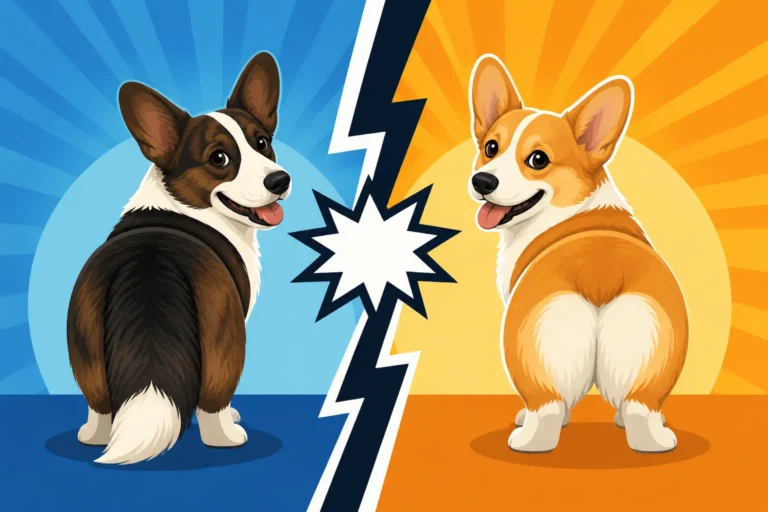
One of the most immediate disqualifiers for a Pembroke Welsh Corgi is incorrect color or markings. The breed standard is quite specific about acceptable colors. For instance, any color other than red, sable, fawn, or black and tan, with or without white markings, is a disqualification. This means a Corgi with a blue merle coat, which you might see in some other herding breeds like Australian Shepherds or Cardigan Welsh Corgis, would be immediately disqualified in the Pembroke ring. The reason Why a Blue Merle Pembroke Is a Warning Sign is often tied to potential health issues associated with the merle gene when not properly managed in a breeding program, as well as simply being outside the historical breed type.
Furthermore, the placement and extent of white markings can also be a disqualifier. While white is allowed on the legs, chest, neck, and as a narrow blaze on the head, "whitelies" – where white extends high up the sides of the body, creating a splashy or dominant white pattern – are usually a disqualification. This is because excessive white detracts from the classic Corgi appearance and can sometimes be linked to other genetic conditions, though in Pembrokes it's primarily an aesthetic deviation from the standard.
Structure and Movement That Don't Fit
The very essence of a Corgi is its unique structure and how it moves. A Corgi's body is described in The Corgi Body the Standard Describes with emphasis on its long, low frame and powerful build. Anything that compromises this functionality can be a disqualifier.
- Undershot or Overshot Bites: The Corgi standard calls for a scissors bite, where the outer side of the lower incisors just touches the inner side of the upper incisors. A significant undershot bite (lower jaw protrudes) or overshot bite (upper jaw protrudes) can be a disqualification because it affects the dog's ability to grasp and hold, which was crucial for their herding work. It's not just about looks; it's about function.
- Missing Teeth: While an accidental loss of a tooth is often overlooked, congenital absence of certain teeth can sometimes be a disqualification, particularly if it affects the bite or overall dental structure crucial for a working dog.
- Unsound Movement: While not always an outright disqualification unless severely debilitating, extremely poor or unsound movement that prevents the dog from performing its herding duties can lead to removal from consideration. A Corgi should move freely and powerfully, not appear stiff, stilted, or unsound. Whether a Corgi's Legs Should Bow is another structural consideration; while a slight turn out is acceptable, severely bowed or cow-hocked legs can be major faults impacting movement.
Tail Status: A Controversial Point
For Pembroke Welsh Corgis, the tail has historically been a point of contention and a source of confusion for new owners. Traditionally, Pembrokes were docked, meaning their tails were removed shortly after birth. The breed standard for many years reflected this, calling for a docked tail. However, with changing laws and attitudes towards tail docking in many parts of the world, the standard has adapted. The Corgi Tail Question delves into this in more detail. In areas where docking is banned or frowned upon, undocked Pembrokes are now often allowed to compete. However, in regions where docking is still permitted and expected by the standard, an undocked tail could be a disqualification, or at least a severe fault. It's vital to check the specific regulations of the kennel club in your region. For instance, Whether an Undocked Pembroke Can Be Shown often depends on local regulations and the specific interpretation of the standard in that particular country.
For the Cardigan Welsh Corgi, an undocked tail is always expected and part of their distinct appearance. A docked Cardigan would be a disqualification.
Size and Proportion
The Corgi is a dwarf breed, and its size and proportions are integral to its identity. The standard specifies a height range (typically 10-12 inches at the shoulder) and weight range (typically 25-30 pounds for males, 20-28 for females for Pembrokes, with Cardigans often slightly larger, as discussed in What a Pembroke Weighs Against a Cardigan). Dogs significantly outside these ranges can be penalized. While being slightly over or under the ideal might be a serious fault, extreme deviations, especially gigantism or dwarfism beyond the breed's natural dwarfism, could lead to disqualification. Whether a Big Corgi Is Over the Standard explores how judges evaluate size.
Beyond Disqualifications: Major Faults That Impact Show Performance
While disqualifying faults mean an immediate exit from the ring, there are also numerous "major faults" or "serious faults" that, while not disqualifying, will heavily penalize a Corgi in competition. These faults are deviations from the ideal that impact the dog's quality but don't outright remove them from consideration. A Corgi with several major faults is unlikely to win, but they can still be judged.
Coat Texture and Length
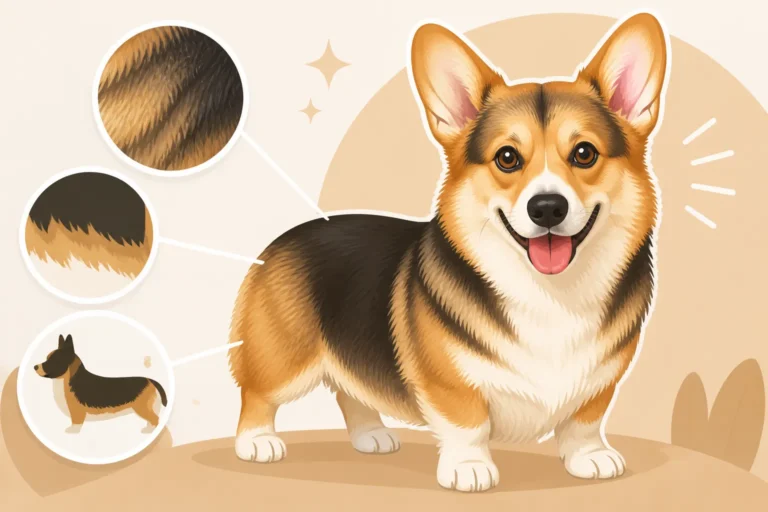
The Corgi's double coat is iconic, providing protection from the elements. The standard describes a medium length, dense, weather-resistant coat with a softer undercoat. A "fluffy Corgi" — one with an excessively long, soft, or wavy coat — is considered a serious fault, and in some standards, a disqualification. This is extensively covered in Corgi Colors and the Fluffy Coat and The Fluffy Corgi and the Standard. The fluffy coat, while undeniably adorable to pet owners, loses its protective qualities and deviates significantly from the desired texture for a working dog. Similarly, a thin, sparse coat or a wired texture would also be faulted.
Maintaining a healthy coat is crucial, even if your Corgi isn't fluffy. Regular grooming and a good diet, perhaps with quality food and supplements available from Chewy, can help keep their coat in top condition.
Ear Set and Head Shape
A Corgi's head and ear set are vital to its expression and breed type. The standard for The Corgi Head and Ear Set specifies erect, firm, medium-sized ears, slightly rounded at the tip. Ears that are too large, too small, set too low, or that flop (rose ears or hound ears) are considered faults. While not typically a disqualification unless extremely severe or appearing to be from another breed, they significantly detract from the classic Corgi look and will be heavily penalized. Similarly, a head that is too coarse, too fine, or lacks the foxy expression typical of the breed would also be faulted.
Temperament Concerns
A Corgi's temperament is just as important as its physical characteristics. The breed standard calls for an intelligent, outgoing, and friendly dog that is neither shy nor aggressive. While temperament is rarely an outright disqualification unless the dog is unmanageably aggressive or terrified to the point of being a danger or unable to be examined, any display of shyness, nervousness, or aggression towards the judge or other dogs will result in severe penalties. A Corgi that growls, snaps, or tries to bite a judge during examination, or one that cringes and pulls away in fear, will certainly not place in the ring. Their working heritage demands confidence and stability, and these traits are crucial for success in the show ring.
Overall Balance and Condition
Judges also look at the Corgi's overall balance and condition. A Corgi that is significantly overweight or underweight, poorly conditioned, or appears unkempt, will be penalized. An overweight Corgi, for example, will not move as freely and can put undue strain on its already long back. Ensuring your Corgi is at a healthy weight, with appropriate nutrition, perhaps sourced from a wide selection on Chewy, is key for their health and any show aspirations. Even minor issues like overgrown nails, which can affect a Corgi's gait, or dirty ears, can show a lack of proper care and reflect poorly on the dog's presentation.
Here's a quick overview of some common disqualifying and major faults:
| Category | Disqualifying Fault (Out of Competition) | Major Fault (Heavily Penalized) |
|---|---|---|
| Color/Coat | Any color other than red, sable, fawn, black & tan. Excessive white (whitelies). | Fluffy coat (excessively long/soft). Thin or sparse coat. |
| Structure | Severe overshot/undershot bite. Unilateral/bilateral cryptorchidism (undescended testicles in males). | Crooked front legs. Cow hocks. Significantly over/under standard height/weight. |
| Head/Ears | None typically listed, but extreme deviations could be noted. | Large/small ears. Low-set or flopped ears. Atypical head shape. |
| Tail | For Pembrokes, may be undocked depending on region/standard interpretation. For Cardigans, a docked tail. | Poorly carried tail (e.g., curled too tightly over back). |
| Temperament | Unprovoked aggression or extreme shyness rendering dog unexaminable. | Shyness, nervousness, mild aggression. |
| General | Evidence of deliberate alteration (e.g., dyed coat). | Poor overall condition (e.g., overweight, underweight, poor muscle tone). |
Finding a Champion: The Role of Responsible Breeding
Understanding what puts a Corgi out of competition highlights the immense importance of choosing a reputable and responsible breeder if your goal is to show. A good breeder will meticulously adhere to The AKC Pembroke Welsh Corgi Standard and screen their breeding dogs not just for health, but also for conformation to the standard.
Health and Genetic Screening
Responsible breeders will perform extensive health and genetic screenings on their breeding stock to minimize the likelihood of passing on genetic conditions or conformation faults. They will often DNA test for conditions like Degenerative Myelopathy (DM) and other hereditary issues. While a Corgi with a genetic predisposition to a health issue might not be disqualified from the show ring based solely on its genetics (unless the condition manifests and causes a structural fault), ethical breeders aim to produce the healthiest dogs possible. They understand that a sound, healthy dog is much more likely to have the stamina and structure to compete. You'll find a wealth of information on genetic testing in our posts like The DNA Tests a Corgi Breeder Should Run.
Pedigree Research
A reputable breeder will also be transparent about the pedigree of their puppies. They will be able to show you the lineage, often pointing out champions in the dog's ancestry who consistently exemplify the breed standard. This isn't just about bragging rights; it's about demonstrating a consistent line of dogs bred for quality and adherence to the standard. They can tell you about The Corgi Faults a Judge Marks Down in their lines and how they are working to improve them.
Early Assessment and Guidance
An experienced breeder can often identify potential show prospects, or conversely, puppies with obvious faults, from a very young age. They'll know the subtle indicators in a puppy's structure, head, or coat that suggest it will or won't mature into a show-quality dog. They might offer guidance on specific traits like The Corgi Ear Shape the Standard Calls For or The Foxy Head a Pembroke Should Have. They understand that even with the best breeding, nature has its own plans, and not every puppy will be a champion. They will be honest with you about a puppy's potential and help you make an informed decision, whether you're looking for a show dog or just a beloved family pet. You might find your new Corgi's starter supplies, like a cozy bed or durable toys, conveniently on Chewy before you even bring them home.
Ultimately, while the world of dog shows has strict rules, remember that every Corgi, regardless of its suitability for competition, is a loyal and loving companion. The standard is a guide for preservation, but the heart of a Corgi is what truly matters.
Disclaimer
This article is for general informational purposes only and does not constitute professional advice. Laws, prices and regulations vary by location and change over time. Consult a qualified professional for guidance on your specific situation.