Whether the Queen’s Corgis Bit Anyone
One of the most persistent whispers about the late Queen Elizabeth II's beloved Corgis, beyond their adorable waddle and regal bearing, was the notion that they were a bit… nippy. Many people worried if these famous dogs were actually prone to biting, creating a cautious perception around the breed. This guide aims to clear up those long-standing rumors, delving into the truth behind the royal Corgis' behavior and what it means for anyone considering bringing one of these charming, intelligent dogs into their home.
The Persistent Rumors: Why Did People Think the Royal Corgis Bit?
It’s easy for stories, especially those surrounding public figures and their pets, to take on a life of their own. The idea that the Queen's Corgis were a bit feisty wasn't entirely pulled from thin air, but the narrative often became exaggerated over time. There are several reasons why this perception became so widespread, often conflating natural Corgi behaviors with more serious aggression.
Media Sensationalism and Royal Scrutiny
Let's be honest, anything involving the Royal Family becomes prime fodder for headlines. A story about a dog having a bad day, or a playful nip being misinterpreted, quickly escalates when it involves the monarch's companions. Every interaction, every public appearance, was under immense scrutiny, and a small incident could become a dramatic tale by the time it hit the tabloids. For instance, if a Corgi accidentally snagged a royal foot or a visitor's pant leg in playful exuberance, it might be reported as a full-blown attack, even if no harm was intended or done. The very visible nature of the Queen's Corgis meant that any minor behavioral quirk was magnified, creating an impression that might not have been accurate to their day-to-day personalities.
Think about it: most dogs have their moments. They might get overexcited, or a bit startled, and react in a way that’s not ideal. For our own pets, these are usually quickly forgotten anecdotes. For a royal Corgi, a similar incident could become an enduring legend. This media lens created an image of the dogs as being less docile than they likely were, fueled by the public's fascination with everything royal.
The Herding Instinct and Nipping Behaviors
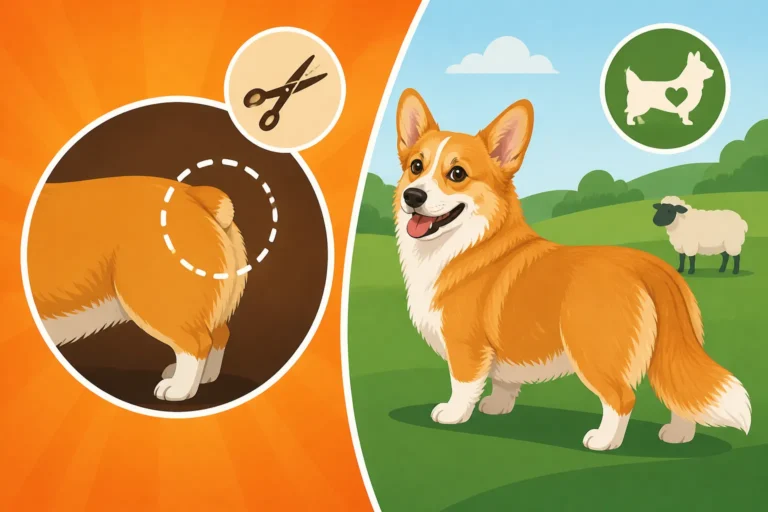
One crucial aspect often misunderstood about Corgis is their heritage. They are, first and foremost, herding dogs, bred to work cattle by nipping at their heels. This isn't aggressive behavior in their original context; it's a working tool. This instinct is deeply ingrained in the breed, and even in a pampered palace environment, it can manifest. A Corgi might "nip" at ankles or feet not out of malice, but out of an instinctive desire to gather or control movement, especially if people are running or moving quickly. This isn't a bite meant to injure, but a way to get attention or redirect. The Cattle-Driving Nip a Corgi Still Has is a real phenomenon that Corgi owners experience.
Imagine a small, energetic dog trying to manage a bustling household. When a visitor, perhaps unaccustomed to Corgi quirks, moves quickly or playfully, a Corgi’s natural inclination might be to engage that herding behavior. What looks like a "bite" to someone unfamiliar with the breed's working history is often a genetic predisposition playing out. It's important to differentiate this instinctual behavior from actual aggression, which stems from fear, territoriality, or dominance, rather than a deep-seated herding drive.
Isolated Incidents and Misinterpretations
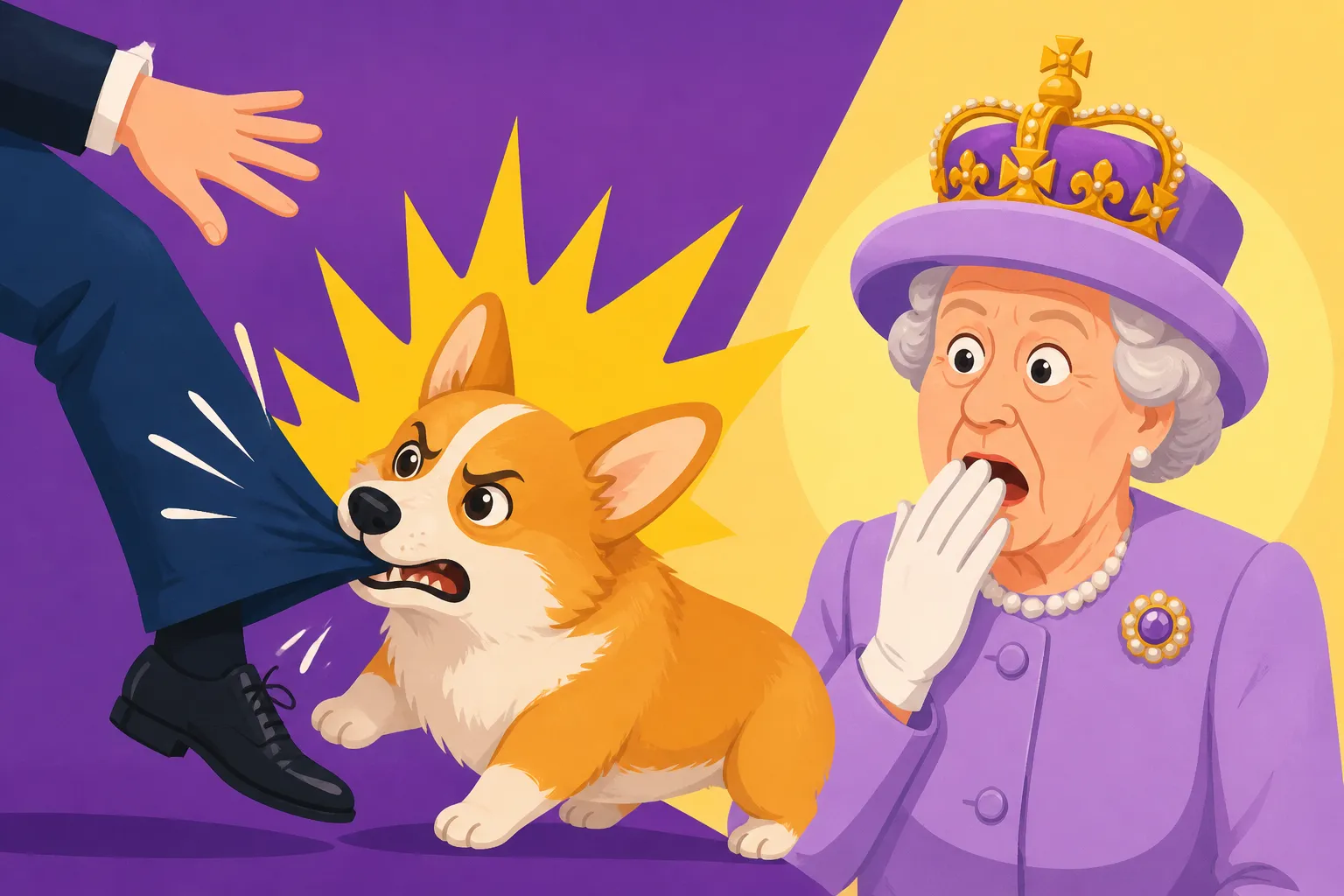
While sensationalized media and natural instinct contributed to the rumors, there were also documented, albeit isolated, incidents where royal Corgis did indeed bite. These were often under specific circumstances and not indicative of a general aggressive temperament. For example, there were reports of bites to palace staff or even members of the royal family, often when the dogs were startled, feeling protective, or reacting to perceived threats. One famous anecdote involved a Corgi biting a policeman on duty at Balmoral, and another involved the Queen herself breaking up a Corgi fight and being bitten in the process.
These incidents, while real, need to be viewed in context. Any dog, regardless of breed, can bite if provoked, startled, or feeling threatened. Even the most well-behaved pets have their limits. The royal Corgis were still dogs, with individual personalities and reactions. To extrapolate these few, specific instances into a blanket statement that "the Queen's Corgis bit everyone" is a misinterpretation of reality. They were not perpetually snarling or aggressive animals, but rather dogs who, on rare occasions, reacted as any dog might in a stressful or surprising situation. It also highlights the fact that even highly trained dogs in controlled environments can have moments.
The Reality of Royal Corgi Temperament and Training
Despite the sensational stories, the reality of the Queen's Corgis points to well-cared-for, generally well-behaved dogs who were an integral part of her life. Their temperament was shaped by consistent handling, professional training, and a deeply structured environment. They weren't just pets; they were companions living under specific protocols.
A Lifetime of Dedicated Care and Professional Handling
The Queen's Corgis lived a life most dogs could only dream of, surrounded by dedicated staff, including dog handlers and veterinarians. They received consistent training, not just for basic obedience, but also for specific behaviors required in a royal household. This wasn't a case of a casual owner with a dog; this was a well-oiled machine of care designed to ensure the dogs were healthy, happy, and manageable. From puppyhood, they were socialized and exposed to various sights, sounds, and people, which is crucial for developing a stable temperament.
This dedicated care meant that problematic behaviors were likely addressed swiftly and consistently. They had routines, structure, and positive reinforcement, all key ingredients for a well-adjusted dog. While the Queen herself was known to be very hands-on with her dogs, their overall welfare and training were a collective effort. Think of the kind of comprehensive care you might find for a service dog; while not quite that intense, the royal Corgis were certainly not left to their own devices when it came to their manners.
Known Personalities and Preferences
Just like human families, each Corgi had its own distinct personality. Some were undoubtedly bolder, some shyer, some more prone to vocal expressions, and others more reserved. The Queen knew her dogs intimately, understanding their individual quirks and preferences. She often referred to them by name and was deeply attuned to their moods. For example, some might have been more tolerant of strangers, while others preferred the familiar faces of household staff. These individual personalities meant that their reactions could vary.
It's common for owners to learn their dog's "tells" – the subtle cues that indicate they're uncomfortable or about to react. The Queen and her staff would have been experts at reading these signals, intervening before a situation escalated. While the general public might only see "a Corgi," those who lived with them saw unique individuals, each with their own set of preferences, boundaries, and habits. Understanding these nuances is key to fostering a positive relationship with any dog, royal or not.
Royal Protocol and Controlled Environments
The lives of the Queen's Corgis, while seemingly free-roaming within the palace, were actually quite structured. They lived within a controlled environment, largely interacting with familiar people and situations. When they did venture out for walks or public appearances, it was often under careful supervision. This meant that opportunities for them to be in situations that might provoke a negative reaction were minimized. They weren't typically exposed to chaotic, unpredictable public spaces without guidance.
This controlled environment is a significant factor in managing any dog's behavior. A dog that is always off-leash in a dog park with unknown dogs and people might be more prone to incidents than a dog that primarily interacts with a consistent social circle. For the royal Corgis, their daily lives, including feeding times, exercise routines, and interactions, adhered to a predictable schedule. This sense of routine and security contributes immensely to a dog’s overall calmness and reduces anxiety that could lead to reactivity. When it was time for their meals or a new toy, perhaps from a trusted pet supply retailer like Chewy, it would have been within a predictable routine.
Understanding Corgi Nipping vs. Actual Biting
It's crucial for any potential Corgi owner to understand the distinction between a playful or instinctual nip and an aggressive bite. These terms are often used interchangeably, but they represent very different behaviors and motivations.
The Herding Nip and Its Origins
As mentioned earlier, the Corgi's "nip" is rooted in its history as a cattle herder. These dogs were bred to drive large animals by nipping at their heels and lower legs, staying low to avoid being kicked. This is a quick, sharp action, often without much pressure, designed to get a reaction from the cattle, not to cause injury. When a Corgi nips at a human, especially children or people running, they are often expressing this instinct. It's their way of trying to "herd" or control movement. Where the Corgi Heel Nip Comes From tells you a lot about this.
This behavior is typically seen in puppies as they explore their world with their mouths, often referred to as "puppy nipping," and can persist into adulthood if not appropriately redirected. It's less about aggression and more about communication and instinct. A Corgi puppy might grab at hands or clothes during play, not to hurt, but because that's how they interact with their littermates. Understanding this origin helps owners approach the behavior with patience and appropriate training methods, rather than immediately assuming aggression.
When Nipping Becomes a Problem (and How to Address It)
While the herding nip isn't inherently aggressive, it can certainly become problematic if it's not managed. No one wants their Corgi constantly nipping at their family or guests. The key is to address it early and consistently. For puppies, redirection is vital. When a puppy nips, offer an appropriate chew toy instead. Teaching bite inhibition, where a puppy learns how much pressure is too much, is also crucial. The Corgi Puppy Mouth and Where It Lands offers insight into this phase.
For adult Corgis, managing the environment is important. If a Corgi tends to nip at running feet, then management might involve keeping them on a leash in certain situations or teaching children not to run around the dog. Consistent training, focusing on "leave it" and "off," and rewarding calm behavior are essential. Sometimes, simply having a supply of engaging chew toys or puzzle feeders from a store like Chewy can provide an alternative outlet for their mouthy tendencies, diverting them from human ankles.
The Difference Between Playful Nips and Aggressive Bites
It's crucial to distinguish between a playful nip and a true aggressive bite.
A playful nip:
- Often accompanied by relaxed body language (wiggly body, play bow, wagging tail).
- Low pressure, often just mouthing or a quick grab and release.
- Usually happens during play or excitement, often targeting hands, feet, or clothing.
- The dog is easily distracted or redirected.
An aggressive bite:
- Accompanied by tense body language (stiff posture, growling, snarling, raised hackles, whale eye).
- High pressure, intended to cause harm, often breaking the skin.
- Usually occurs when the dog feels threatened, fearful, guarding resources, or is in pain.
- The dog is difficult to distract and may escalate if pushed.
This table helps illustrate the key differences:
| Characteristic | Playful Nip (Herding Instinct) | Aggressive Bite |
|---|---|---|
| Body Language | Loose, wiggly, play bow, wagging tail, relaxed ears | Stiff, tense, growling, snarling, hackles raised |
| Pressure Applied | Soft mouthing, quick grab and release, low force | Hard pressure, intent to injure, skin broken |
| Context | During play, excitement, or herding instinct | Fear, pain, resource guarding, territoriality |
| Redirection | Easily redirected with a toy or command | Difficult to distract, may escalate |
| Sound | Playful barks, grumbles, no threatening growl | Deep growls, snarls, warning barks |
| Motivation | Instinct, play, seeking attention | Fear, defense, dominance, anxiety |
If you suspect your Corgi is exhibiting aggressive behaviors, rather than just playful nipping, it's vital to seek guidance from a professional dog trainer or veterinary behaviorist immediately. This is not a situation to ignore or try to "train out" without expert help, as it often stems from deeper issues that require a nuanced approach.
Nurturing a Well-Behaved Corgi: Lessons from the Palace
While most of us won't have a palace full of staff, we can certainly learn from the principles of responsible dog ownership demonstrated in the care of the royal Corgis. A well-adjusted Corgi, just like any dog, is the result of consistent effort, understanding, and appropriate training.
Importance of Early Socialization and Training
One of the most significant factors in a dog's temperament is early socialization. Exposing a Corgi puppy to a variety of safe, positive experiences with different people, other animals, sounds, and environments during their critical developmental period (roughly 3-16 weeks) is paramount. This helps them grow into confident, well-adjusted adults who are less likely to be fearful or reactive. Puppy classes are an excellent way to achieve this. Getting a Corgi Puppy Used to the World is essential reading for new owners.
Consistent, positive reinforcement-based training is also vital. Corgis are intelligent but can be stubborn, so short, engaging training sessions work best. Short Bursts of Training a Corgi Will Take and Training a Corgi That Makes Its Own Decisions highlight their independent nature. Focus on teaching basic obedience commands like "sit," "stay," "come," and "leave it." This not only gives you control but also builds a strong bond and helps your Corgi understand what you expect from them. Early intervention with nipping, by redirecting to appropriate chew toys or teaching "off," can prevent it from becoming a habit.
Consistent Management and Safe Environments
Even with the best training, some management is always necessary for a dog, especially a Corgi with its inherent herding instincts. This means creating a safe environment and proactively preventing situations where your Corgi might feel overwhelmed or resort to undesirable behaviors. For example, if your Corgi tends to nip at children's feet, supervise interactions closely or use baby gates to create separate spaces when kids are active. A Corgi in a House Full of Children and Animals offers more guidance.
This also means controlling their access to furniture if you don't want them jumping off and potentially injuring their backs – Teaching a Corgi Not to Jump Off Furniture is a great resource here. Consider using ramps or steps for access to sofas or beds. Always ensure your Corgi has a safe, quiet space they can retreat to if they feel overstimulated. This consistent management helps set your Corgi up for success and prevents both behavioral issues and potential physical injuries.
Providing Appropriate Outlets for Corgi Energy
Corgis, despite their short stature, are active and intelligent dogs. They need mental and physical stimulation to be happy and well-behaved. Without appropriate outlets, their energy and intelligence can manifest in destructive or problematic ways, including excessive barking or nipping. The Job a Corgi Needs Instead of Herding You talks about this need for purpose. Daily walks are important, but Corgis also thrive on activities that engage their minds, such as puzzle toys, scent work, or obedience training.
Interactive toys, especially those that dispense treats, can keep their minds busy. Stocking up on a variety of engaging toys from places like Chewy can be a game-changer. Consider activities like Scentwork as a Sport That Spares a Corgi's Back or trick training, which provide mental challenge without excessive physical impact that could strain their long backs. A tired Corgi, both mentally and physically, is generally a well-behaved Corgi, less likely to feel the urge to "herd" or nip out of boredom or pent-up energy. Giving them a constructive outlet for their natural drives is perhaps the most valuable lesson we can take from the successful management of the royal Corgis.
Disclaimer
This article is for general informational purposes only and does not constitute professional advice. Laws, prices and regulations vary by location and change over time. Consult a qualified professional for guidance on your specific situation.