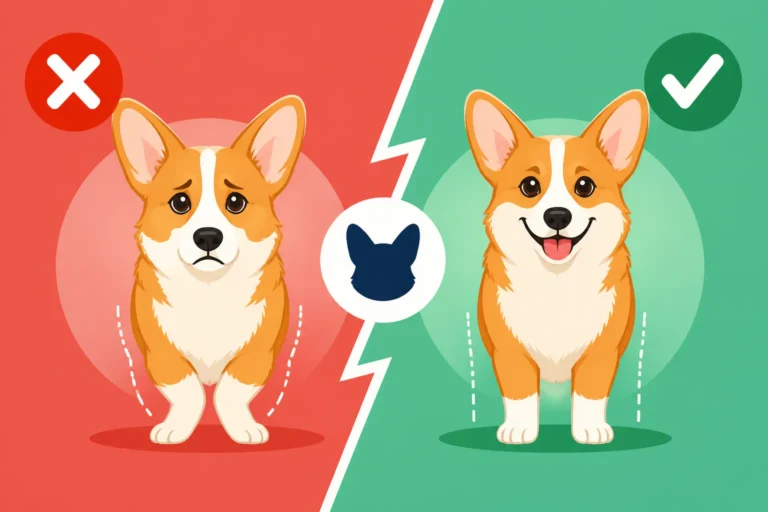
The Ten to Twelve Inch Corgi
It’s easy to look at a Corgi and imagine they’re just pint-sized bundles of fluff, perhaps similar in stature to a toy breed. However, many new Corgi parents, or those just admiring these delightful dogs, are often surprised to learn that while Corgis are undeniably low to the ground, their actual height is quite specific according to breed standards, and it's perhaps not as tiny as one might assume from their long bodies. This guide will dive deep into what the official breed standards say about a Corgi's height, what that truly looks like, and why understanding these measurements is crucial for their health and well-being.
Understanding the Corgi Breed Standard for Size
When we talk about a dog's "size," it's not just about how much they weigh or how long they are; height plays a critical role in defining their overall proportion and how they navigate the world. For Corgis, their unique build is central to their identity, stemming directly from their history as cattle-herding dogs. Getting a grasp on the breed standard's height requirements helps us appreciate their purpose-built physique.
Why Breed Standards Matter for Your Corgi
Breed standards might seem like something only show dog enthusiasts need to worry about, but they're actually incredibly important for every Corgi, whether they're destined for the show ring or simply to be the most adored family pet. These standards were developed to describe the ideal physical and temperament traits that make a Corgi, well, a Corgi. For physical traits like height, they're not just arbitrary numbers; they reflect the functional design of the breed.
A dog bred within the parameters of the standard is more likely to be structurally sound, healthier, and better equipped to live a full life. Deviations, especially significant ones, can sometimes indicate potential health issues or structural weaknesses. For example, a Corgi that is much taller or shorter than the standard might experience different biomechanical stresses on its joints and spine. These standards also help responsible breeders make informed decisions to preserve the health and integrity of the breed, ensuring that future generations maintain the wonderful traits we cherish.
The Official Height Range: Ten to Twelve Inches
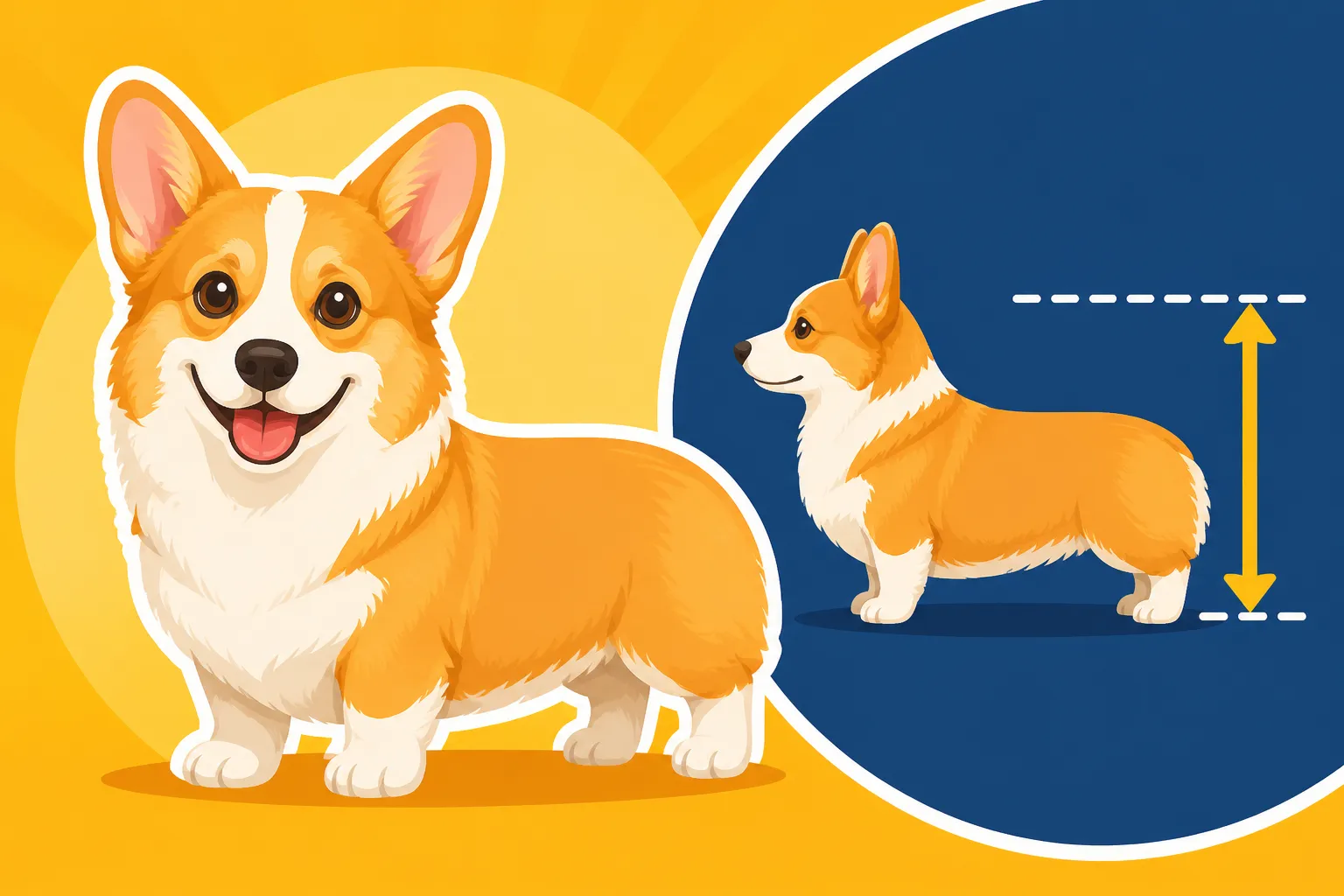
When it comes to the Corgi, both the Pembroke Welsh Corgi and the Cardigan Welsh Corgi have a very specific height requirement. The breed standard states that a Corgi should stand approximately ten to twelve inches (about 25 to 30 centimeters) at the withers. The "withers" is the highest point of the shoulder blades, located at the base of the neck where the shoulders meet. This isn't measured from the top of their head, or the tip of their ear, but precisely at that shoulder point.
This specific height range is crucial. It’s a testament to their heritage as cattle herders, where being low to the ground allowed them to nip at the heels of cattle without getting kicked. Imagine a larger dog trying to do that job; it would be far more exposed to danger. This low-slung design is not just charming; it's a functional characteristic that defined their working life. Owners need to understand that this ten to twelve-inch range is the sweet spot for a Corgi's structure, optimized for both agility and resilience in their original role.
Pembroke vs. Cardigan: Subtle Differences in Stature
While both types of Welsh Corgi share the characteristic low-rider profile, there are indeed some subtle distinctions in their overall build and, by extension, how their height presents. It’s a common misconception that all Corgis are exactly alike, but a closer look reveals that Pembroke and Cardigan Are Two Different Breeds with their own nuances within the breed standard.
Pembroke Welsh Corgi Height and Build
The Pembroke Welsh Corgi, often recognized by its docked or naturally bobbed tail and typically more foxy expression, adheres strictly to that ten to twelve-inch height requirement. However, when you observe a Pembroke, you might notice they often appear slightly lighter-boned and a touch more agile than their Cardigan cousins. Their bodies, while long, tend to be proportionate to their height, giving them a compact, sturdy appearance. The AKC standard for the Pembroke Welsh Corgi emphasizes a long, powerful body, yet light enough to move quickly.
Their build is often described as "big dog in a small package." This means they are stout and muscular, capable of bursts of speed and quick turns, despite their low center of gravity. When you feel a healthy Pembroke, you should feel solid muscle and bone under their thick coat, not excess fat. Their moderate length of body relative to their height contributes to their ability to turn on a dime, a crucial trait for a herding dog. Understanding The AKC Pembroke Welsh Corgi Standard means appreciating how every measurement, including height, contributes to this functional design.
Cardigan Welsh Corgi Height and Build
The Cardigan Welsh Corgi, distinguished by its long, brush-like tail and often larger, rounder ears, also falls within the ten to twelve-inch height range at the withers. However, a key difference lies in their overall build. Cardigans generally tend to be a bit heavier-boned and more substantial in body than Pembrokes. They often convey a slightly more rugged or robust impression. While their height range is the same, their greater bone density and often slightly deeper chest can make them seem a bit more "grounded."
The Cardigan standard allows for a bit more weight for their height, often giving them a more powerful look. This difference isn't about one being "better" than the other, but rather reflects their separate developmental histories and the specific nuances of their respective breed standards. Both breeds are incredible, but these subtle differences in build alongside their shared low height make them distinct. When observing The Corgi Body the Standard Describes, you'll find that while both are long and low, the Cardigan's overall presence often feels a tad more formidable.
What "Ten to Twelve Inches" Really Looks Like
It's one thing to read "ten to twelve inches" on paper, but quite another to truly visualize what that means for a living, breathing Corgi. Many owners are surprised by how deceptively small that sounds, only to realize that while they are indeed short, their length and substance make them feel like a much bigger dog than the numbers suggest.
Visualizing a Corgi's Height at the Withers
Imagine holding a standard ruler up to a Corgi's back, right where their neck meets their shoulders. Ten inches is roughly the length of a piece of printer paper. Twelve inches is a foot-long ruler. This gives you an idea of just how low these dogs are to the ground. For context, many small children are taller than a Corgi standing on all fours! This low stature is what makes them so distinct and, let's be honest, so incredibly charming.
Because they are so low, everyday objects like stairs, sofas, and even car entrances become significant obstacles. This isn't just about convenience; it's about protecting their delicate long backs. Owners quickly learn to adapt their homes, often investing in ramps for the sofa or steps to get into the car. What might seem like a minor height difference to us is a massive vertical challenge for a Corgi. Their world is literally viewed from a lower perspective, which shapes how they interact with their environment and even how they perceive threats or approach other animals.
Why a Corgi's Length Matters More Than Its Height
While height is part of the standard, perhaps the more defining characteristic of a Corgi's physique is its length. Corgis are often described as "long and low," and it's this disproportionate length-to-height ratio that truly defines their silhouette and contributes to their specific health considerations. The standard dictates a length that is significantly greater than their height, creating that iconic "sausage dog" or "loaf" shape.
This long back, while endearing, is also the source of some of their most significant health vulnerabilities. Their spines are under more stress simply because they are extended over a greater distance without the proportional height to reduce leverage. This is why discussions around Disc Disease in a Long-Backed Corgi are so common in Corgi circles. It highlights why paying attention to how they move, how they jump, and how they navigate their environment is paramount. Their unique length dictates a need for careful handling and environmental modifications to prevent injury.
The Impact of Size on a Corgi's Lifestyle and Health
A Corgi's specific dimensions aren't just for show; they profoundly influence their daily life, the types of activities they can safely enjoy, and the health concerns that owners need to be aware of. Being mindful of their unique build is key to providing them with a happy and healthy life.
How Height Influences Daily Life for a Corgi
Life at ten to twelve inches off the ground presents a unique set of challenges and considerations. Imagine trying to see over a kitchen counter, or jump onto a high bed, when you're only a foot tall! For Corgis, everything is an elevated obstacle. This means:
- Jumping Hazards: Jumping up and down from furniture, even small steps, puts immense strain on their long backs. This isn't just a recommendation; it's a critical safety measure to prevent spinal injuries. Many Corgi owners become experts in preventing jumps, often using ramps or pet stairs. Items available at places like Chewy can be invaluable for making your home Corgi-friendly, offering a wide range of ramps and steps that are designed with their unique stature in mind.
- Stairs: While some Corgis might manage stairs, it's generally advised to limit or prevent them from using stairs independently, especially as they get older. The repetitive impact and twisting motion can be detrimental to their discs. Carrying them, or installing baby gates, becomes a regular part of Corgi ownership.
- Grooming: Their low height means their bellies and legs are often dragging through whatever mud, dew, or dirt is on the ground. This necessitates more frequent cleaning of their underside and careful attention to grooming.
- Visibility: Because they're so low, they can be harder to see, especially in busy environments or around small children who might not be looking down. Awareness is key when walking them in public spaces.
Understanding these daily impacts helps owners create a safe and comfortable environment tailored to their Corgi's physical needs, extending their quality of life. Thinking about Ramps and Steps That Save a Corgi's Back becomes a critical part of household setup.
Connecting Size to Corgi-Specific Health Concerns
The combination of a Corgi's compact height and elongated body directly contributes to several well-known breed-specific health issues. These aren't just potential problems; they are significant considerations that every Corgi owner must be aware of from day one.
The most prominent concern related to their structure is Intervertebral Disc Disease (IVDD). Their long back and short legs mean increased leverage on their spinal discs, making them more prone to herniation or rupture. This can lead to excruciating pain, nerve damage, and even paralysis. Recognizing this risk means being proactive about prevention and understanding the signs of trouble. Telling a Corgi's Slipped Disc From Myelopathy is a crucial distinction, as both present similarly but have different prognoses.
Beyond the spine, their stature can also impact their joints, particularly their hips and elbows. While Corgis are generally a robust breed, the weight distribution on their short limbs, especially if they are overweight, can exacerbate conditions like hip dysplasia or early arthritis. This is why maintaining an ideal weight is so vital, and why discussions around Corgi Hips and Front-End Structure are common topics of concern for breeders and owners alike. It’s a delicate balance to manage a strong, active dog within the confines of its specific structural blueprint.
Managing Your Corgi's Weight to Maintain Ideal Size
Given the inherent structural vulnerabilities of a Corgi's long back and short legs, maintaining an ideal weight within their ten to twelve-inch height range is arguably one of the most critical aspects of their care. An overweight Corgi, even by a few pounds, significantly increases the strain on their spine and joints.
The Risks of an Overweight Corgi
It’s easy for Corgis to become overweight. They love food, often appear to be perpetually hungry, and their thick double coat can effectively hide extra pounds. However, allowing a Corgi to carry excess weight is a direct path to numerous health problems, particularly those affecting their musculoskeletal system.
Firstly, every extra pound puts additional stress on their already vulnerable spinal discs. This dramatically increases the risk and severity of IVDD. It's like asking a small, already heavily loaded bridge to carry even more traffic; eventually, something will give. Secondly, the short legs and stocky build mean their joints – hips, knees, and elbows – bear a disproportionate load. This can accelerate the onset and progression of arthritis, causing chronic pain and reducing mobility. You can learn more about this in Why Corgi Weight Is a Spinal Problem.
Beyond these immediate structural concerns, obesity in Corgis, as in any dog, can lead to other serious health issues. This includes diabetes, heart disease, respiratory problems, and even certain types of cancer. It shortens their lifespan and severely diminishes their quality of life. The temptation to give extra treats or larger portions is strong, but the consequences for a Corgi's health are profound and often heartbreaking.
Practical Tips for Weight Management and Healthy Growth
Proactive weight management is a lifelong commitment for a Corgi owner. It starts from puppyhood and continues through their senior years. The goal is to keep them lean and muscular, allowing their unique physique to function as intended, rather than being overburdened.
Here are some practical tips:
- Precise Portion Control: Never free-feed a Corgi. Measure their food precisely according to their activity level and target weight, not their current weight. Your vet can help you determine the right caloric intake. You might find specific feeding tools and measured kibble guides on pet supply sites like Chewy.
- Quality Food: Feed a high-quality, balanced diet. Sometimes, a "weight management" formula can be helpful, but often, simply feeding less of a good regular food is sufficient. Feeding a Corgi So Its Spine Carries Less is a continuous effort.
- Healthy Treats: If you use treats for training or rewards, ensure they are low-calorie options like small pieces of carrot, green bean, or specially formulated low-calorie dog treats. Factor these into their daily caloric allowance.
- Regular, Appropriate Exercise: Corgis need daily exercise to maintain muscle tone and burn calories, but it must be appropriate for their build. Think consistent walks, moderate playtime, and mental stimulation, rather than high-impact activities or excessive jumping.
- Regular Vet Check-ups: Your veterinarian is your best partner in weight management. They can help you determine The Body Condition Score a Corgi Should Hold and track your Corgi's weight to catch any creeping pounds before they become a significant problem. They can also rule out any underlying medical conditions contributing to weight gain.
- Awareness of "Ideal" Shape: Don't let the Corgi's fluffy coat trick you. You should be able to easily feel their ribs without pressing hard, and they should have a discernible waistline or "tuck-up" when viewed from above. Remember, What an Ideal Corgi Weighs is about their lean muscle mass, not just their overall number on the scale.
By being diligent about their diet and exercise, you're not just keeping your Corgi looking good; you're actively protecting their long back, strong legs, and ensuring they live the longest, most comfortable life possible at their perfect ten to twelve-inch height.
Disclaimer
This article is for general informational purposes only and does not constitute professional advice. Laws, prices and regulations vary by location and change over time. Consult a qualified professional for guidance on your specific situation.