Keeping a Corgi’s Bed Free of Hair
If you own a Corgi, you know that their charm comes with a side of endless fluff. That beautiful double coat, while adorable, means dog hair finds its way into every nook and cranny, especially their favorite bed. It's a constant battle, and let's be honest, cleaning their bed daily can feel like a losing one. But don't despair! This guide will walk you through practical strategies for understanding, managing, and ultimately reducing the amount of Corgi hair accumulating in their beloved sleeping spot.
Understanding the Corgi Coat: Why the Fluff is Real
Before we can even think about tackling the hair in their beds, we need to understand why Corgis shed so much. It's not just a casual shedding; it's a commitment to a life of fluff. Their glorious double coat is a marvel of nature, designed for the harsh Welsh climate they once called home, but it's also the root cause of our perpetual cleaning cycle. Knowing what you're up against is half the battle won, or at least, half the frustration understood.
The Double Coat Explained
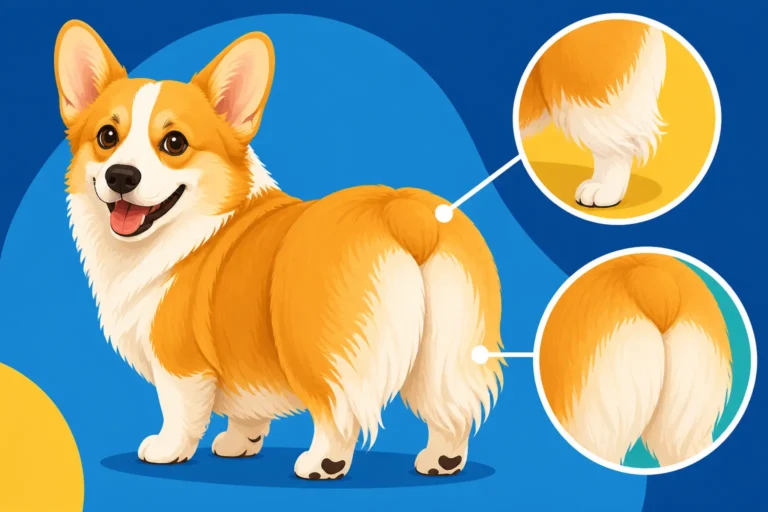
Corgis possess what's known as a double coat, and this is truly the key to their shedding prowess. Imagine two distinct layers of fur, each serving a critical purpose. The outer layer, called the guard coat, consists of longer, coarser hairs. These hairs are waterproof and act as a protective barrier against rain, snow, and thorny undergrowth. They're the ones that give your Corgi that lovely, vibrant color and often a bit of a shine. Below this is the undercoat: a dense, soft, downy layer of shorter hairs that provides insulation, keeping them warm in winter and surprisingly cool in summer by trapping air.
This undercoat is where the real shedding happens. Unlike some breeds with single coats, Corgis are constantly producing and shedding this insulating layer. Think of it as their natural climate control system, always adjusting. This means that even outside of peak shedding seasons, there's always some undercoat being released, making its way onto your floors, your clothes, and, of course, straight into their beds. Understanding this makes it clear why a quick brush here and there simply isn't enough to contain the fluffy onslaught.
Seasonal Shedding Versus Year-Round Hair
While Corgis do shed all year round, there are definitely two "seasons of fluff" where things hit peak intensity. These are typically in spring and fall. In the spring, they "blow their coat," meaning they shed their thick winter undercoat to make way for a lighter, thinner summer coat. It feels like an explosion of fur, coming out in literal handfuls. Then, in the fall, they shed their summer coat to grow in a denser winter undercoat. During these periods, the amount of hair coming off your Corgi can feel overwhelming, like a small, furry blizzard is happening indoors daily.
Even outside these two major seasonal events, you'll still find Corgi hair. They are active dogs, and their fur is constantly turning over. A Corgi on a normal day can still leave a respectable amount of hair wherever they've been. This consistent, albeit lighter, shedding is what makes it so challenging to keep their beds pristine. It's not just about surviving the seasonal blowouts; it's about managing the steady stream of fur that never truly stops. If you've ever wondered Whether a Corgi Really Sheds Every Day, the answer is pretty much yes, in varying degrees!
Factors Exacerbating Shedding
Beyond the natural coat cycles, several other factors can increase the amount of hair your Corgi sheds. Diet plays a huge role; a dog on a poor-quality diet lacking essential fatty acids might have a dull, dry coat that sheds more than usual. Stress or anxiety can also trigger shedding, as can certain health conditions like allergies, parasites, or hormonal imbalances. It’s always a good idea to chat with your vet if you notice a sudden, drastic increase in shedding that isn't tied to the typical seasonal changes, as it could be a sign of an underlying issue.
Environmental factors matter too. Dry indoor air, especially during winter months with heating, can dry out your dog's skin and coat, leading to more shedding. Frequent bathing with harsh shampoos can strip natural oils, making the problem worse. Even things like excessive rubbing against furniture can loosen hair. Understanding these contributing factors allows you to address them proactively, potentially making a noticeable difference in the sheer volume of hair you're dealing with day-to-day.
Your First Line of Defense: Grooming Strategies for Less Shedding
Since we know Corgis are going to shed, the best offensive strategy is a strong defense. Regular, consistent grooming is paramount to minimizing the amount of loose hair that ends up on their beds, your clothes, and all over your home. You can't stop it entirely, but you can certainly reduce the fallout. This isn't just about aesthetics; it's about keeping your Corgi's skin and coat healthy, too.
Brushing Routines and Tools
Daily brushing, especially during peak shedding seasons, is non-negotiable for Corgi owners. A quick once-over isn't going to cut it; you need to dedicate time to thoroughly work through that dense undercoat. During those heavy shedding periods, you might be amazed by How Many Handfuls Come Off a Corgi in Spring. For effective brushing, you'll need the right tools. A good quality slicker brush is excellent for the outer coat and for gently teasing out tangles. However, the real workhorse for a Corgi's undercoat is a deshedding rake or a good undercoat rake. These tools are designed with long, strong teeth that reach down through the guard hairs to grab and pull out the loose undercoat before it can float around your house.
I've found that starting with a pin brush to loosen things up, then moving to an undercoat rake, and finishing with a slicker brush for smoothness works wonders. Tools like the Furminator are popular for deshedding and can be quite effective, but use them sparingly and carefully, as over-brushing with them can damage the delicate guard hairs. Companies like Chewy offer a wide range of these tools, so you can find what works best for you and your Corgi's specific coat texture. The goal is to collect as much loose hair as possible on the brush rather than letting it settle on their bed. Establishing a consistent routine, perhaps Brushing a Corgi Daily Through a Shed, will make a significant difference.
The Importance of Deshedding
Deshedding isn't just brushing; it's a specific technique aimed at removing the dead undercoat. While regular brushing helps, dedicated deshedding sessions are crucial for Corgis. These sessions should be more intensive, using tools specifically designed to get deep into the undercoat. Think of it as systematically raking out all that insulating fluff that's ready to detach. During seasonal coat blows, you might find yourself doing a full deshedding session several times a week, or even daily, just to keep up.
Many professional groomers offer deshedding treatments, which can be a fantastic way to get a significant amount of loose hair out quickly. They often use high-velocity dryers that blast out loose undercoat, followed by specialized tools. If you're tackling it at home, invest in a good quality undercoat rake. Take your time, working in small sections, and be prepared for a pile of fur that looks like you could knit a whole new Corgi. Working a Rake Through a Corgi Undercoat effectively takes practice but is invaluable for managing their shedding.
Bathing Strategies
Bathing your Corgi can also play a role in shedding management, but it needs to be done correctly to avoid drying out their skin. A good bath with a deshedding shampoo and conditioner can help loosen and remove dead hair, especially if followed by thorough brushing while they are still damp and then again when dry. However, over-bathing can strip natural oils, leading to dry, itchy skin and potentially more shedding. For most Corgis, a bath every 4-6 weeks, or when they are visibly dirty, is usually sufficient.
When you do bathe them, make sure to use a high-quality shampoo designed for double-coated breeds or for shedding control. Work the shampoo deep into the undercoat, and rinse, rinse, rinse! Any residue left behind can irritate the skin. Then, crucially, towel dry thoroughly and use a high-velocity pet dryer if you have one. These dryers not only speed up the drying process but also help to blow out a lot of that loose undercoat. Without proper drying, a damp undercoat can lead to skin issues. Choosing a Shampoo That Suits a Thick Corgi Undercoat is key to making bath time effective.
Tackling the Hair Magnet: Keeping Corgi Beds Clean
Even with the best grooming routine, some hair is inevitably going to make its way into your Corgi's bed. After all, it's their cozy haven, and they spend a good portion of their day there. So, the next step is to have effective strategies for cleaning their beds regularly and efficiently. This keeps the bed hygienic, reduces allergens, and makes your life a little easier.
Washing Bed Covers Effectively
The vast majority of modern dog beds come with removable, washable covers, and this is a blessing for Corgi owners. Make sure to check the care instructions, but most can be machine washed. Before throwing the cover into the washing machine, it's a good idea to give it a thorough shake outside or even a quick vacuum with a handheld attachment to remove as much loose hair as possible. This prevents large clumps of fur from clogging your washing machine drain.
When washing, use a pet-safe detergent and consider adding a cup of white vinegar to the rinse cycle. Vinegar can help loosen hair from fabric and acts as a natural deodorizer. After washing, tumble dry on a low heat setting, or air dry if the label recommends it. You might even want to run it through a second rinse cycle if your machine has that option, just to ensure all detergent and loosened hair are gone. For heavily soiled beds or during major shedding seasons, a weekly wash might be necessary. Some owners even have a spare cover on hand from places like Amazon, so they can swap it out while one is in the laundry.
Lint Rolling and Vacuuming Techniques
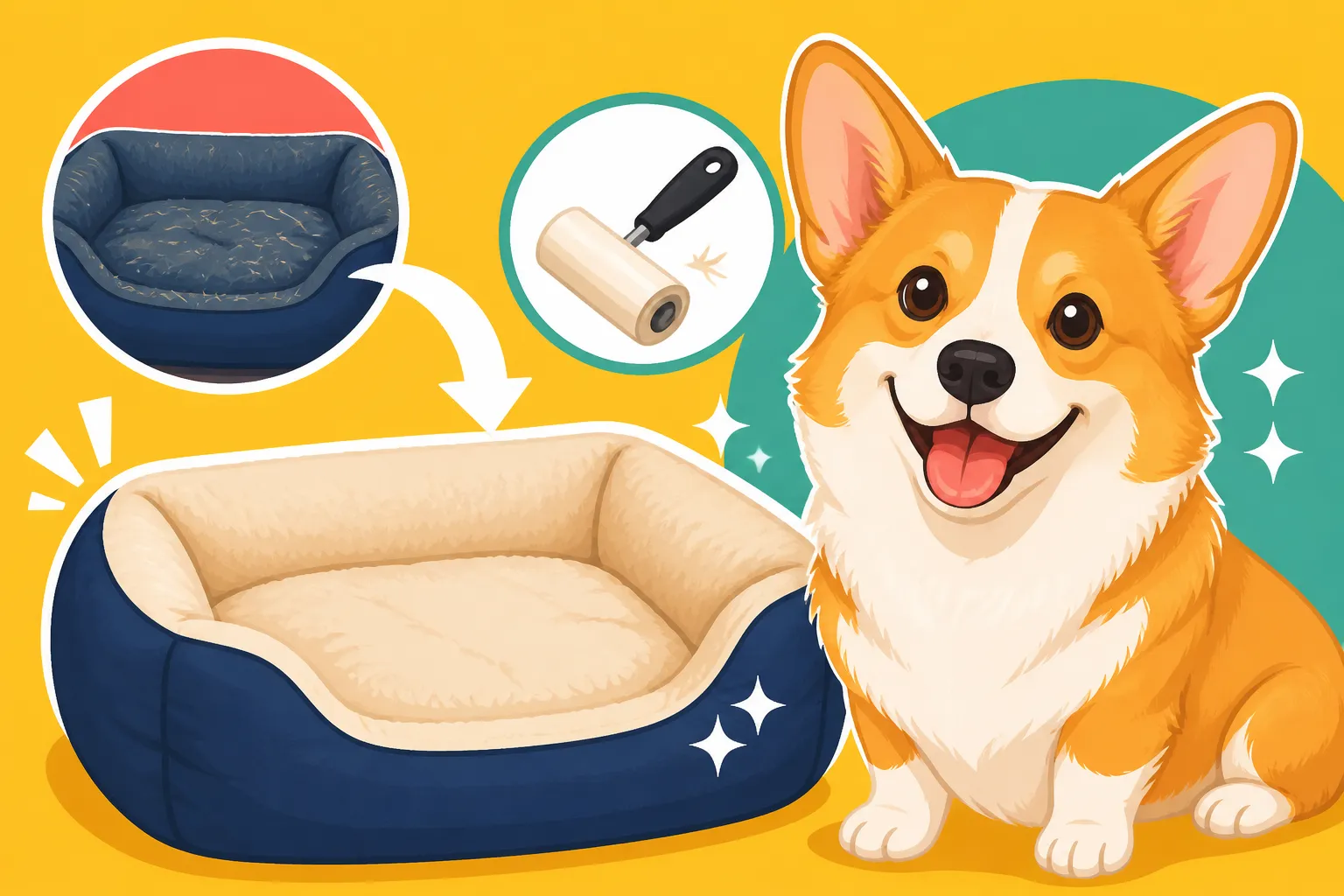
For in-between washes, or for beds that don't have removable covers, lint rollers and vacuum cleaners are your best friends. Keep a heavy-duty lint roller, or even a reusable silicone pet hair remover, handy near your Corgi's bed. A quick roll-over can pick up surface hair surprisingly well. This is particularly useful for those smaller, travel beds or spots they nap in that aren't easily tossed into the wash.
For a deeper clean, a powerful vacuum cleaner with good attachments is indispensable. A standard floor vacuum might struggle with embedded Corgi hair, so look for models designed for pet hair, often featuring specialized brushes that agitate and lift fur from fabric. Use the upholstery attachment to really work over the bed surface and sides. Don't forget to get into any crevices or seams where hair loves to collect. Regular vacuuming, perhaps every other day, can drastically reduce the build-up and extend the time between full washes. If you are considering investing in a more powerful vacuum cleaner, looking into Vacuum Costs in a Corgi Household might be helpful to plan your budget.
Bed Liners and Protectors
To add an extra layer of defense, consider using bed liners or waterproof protectors under the main bed cover. These can protect the inner cushion of the bed from dirt, odors, and some of the finer hairs that might escape the outer cover. Some Corgi beds even come with internal waterproof liners already. If not, you can often find universal bed liners online or at pet stores. These are usually much easier to wash than the entire bed or its main cover.
Another clever trick is to place a flat sheet or a thin, easily washable blanket over the Corgi's bed. This acts as a primary catcher for hair. You can simply shake this sheet out daily or toss it into the wash every few days, leaving the actual bed cover much cleaner for longer. This strategy is especially useful if your Corgi loves to dig or nest in their bed, as it protects the bed fabric from wear and tear as well as hair.
Smart Choices: Beds Designed to Resist Hair
Sometimes, the best solution isn't just about cleaning more efficiently, but about choosing bedding that inherently makes the problem easier to manage. Certain materials and designs are far more Corgi-hair-friendly than others. Making a thoughtful choice when purchasing a new bed can save you a lot of headache (and vacuuming) in the long run.
Materials That Attract Less Hair
Not all fabrics are created equal when it comes to attracting and holding onto dog hair. Generally, slicker, smoother fabrics tend to accumulate less hair and are easier to clean than fuzzy, textured ones. Think about materials like microfibers, nylon, or even some canvas blends. These materials often have a tighter weave that prevents hair from becoming deeply embedded, allowing it to sit on the surface where it can be easily wiped or vacuumed away.
Avoid materials like plush fleece, faux fur, or heavily textured chenille for the main sleeping surface. While these might seem cozy, their fibers are magnets for Corgi hair, gripping onto it tightly and making it incredibly difficult to remove. If your Corgi loves plushness, perhaps choose a bed with plush sides but a smoother sleeping surface. You want something that resists static cling, which often makes hair stick like glue. Brands found on Chewy often provide detailed material descriptions, allowing you to choose wisely.
Easy-to-Clean Bed Designs
Beyond the fabric, the overall design of the dog bed plays a significant role in how easy it is to keep hair-free. Look for beds with entirely removable and machine-washable covers. Ideally, the zippers should be sturdy and well-hidden to prevent your Corgi from chewing on them. Some beds even have modular designs where different sections of the cover can be removed and washed separately, which can be convenient.
Consider the shape and structure too. Beds with fewer deep crevices, intricate tufting, or complex shapes will have fewer hidden spots for hair to accumulate. A simple, rectangular or round bed with a smooth, firm surface might be easier to manage than a heavily bolstered or cave-style bed. Remember, the simpler the design, the less surface area there is for Corgi fluff to find a home. When selecting a bed, it’s also important to consider Choosing a Firm Bed for a Corgi for their spinal health, which often coincides with easier-to-clean designs.
Orthopedic Beds and Hair Management
Many Corgis, especially as they age, benefit immensely from orthopedic beds designed to support their long backs and joints. The good news is that many high-quality orthopedic beds are also designed with practicality in mind, including ease of cleaning. These beds often feature dense foam inserts with easily removable, durable covers that are made from more hair-resistant materials.
When selecting an orthopedic bed, look for one where the foam core is either protected by a waterproof liner or has a very thick, tightly woven outer cover. This ensures that even if some hair or dander gets through the main cover, the foam itself remains clean and hygienic. Brands that specialize in pet bedding often offer orthopedic options that balance comfort, support, and ease of cleaning. It's an investment, but choosing wisely for both your Corgi's health and your cleaning routine is well worth it. Ensuring you pick a good Orthopedic Beds for a Corgi can be a game-changer for older or sensitive Corgis.
A Hair Management Toolkit for Corgi Owners
Having the right tools at your disposal makes the battle against Corgi hair much less daunting. Stocking your cleaning caddy with specific items will streamline your routine and give you the upper hand against the fluff.
| Tool Type | Primary Function | Best For | Frequency of Use | Considerations |
|---|---|---|---|---|
| Undercoat Rake | Reaching and removing loose undercoat | Regular deshedding sessions, seasonal blows | Daily-Weekly | Essential for Corgis; various tooth lengths available. |
| Slicker Brush | Detangling outer coat, smoothing | Finishing brush, daily light grooming | Daily | Helps prevent mats and spreads natural oils. |
| High-Velocity Dryer | Blowing out loose hair, fast drying | After baths, intense deshedding | As needed (bath time) | Powerful, but can be noisy; speeds up drying and hair removal. |
| Pet Hair Vacuum | Removing embedded hair from upholstery/beds | Corgi beds, sofas, carpets | Daily-Weekly | Look for models with specialized pet hair attachments. |
| Lint Roller | Quick surface hair removal from fabrics | Clothes, small blankets, quick bed touch-ups | Daily | Keep several handy; reusable silicone rollers are eco-friendly. |
| Washable Bed Covers | Protecting inner bed, easy washing | All Corgi beds | Weekly-Bi-weekly | Having spares is a lifesaver; check material for hair resistance. |
| Pet-Safe Detergent | Cleaning bed covers and blankets | Laundry for pet items | As needed | Avoid harsh chemicals; opt for unscented or naturally derived formulas. |
This toolkit, combined with a consistent routine, will help you stay on top of the constant Corgi fluff. Remember, the goal isn't to eliminate hair entirely – that's impossible with a Corgi – but to manage it effectively so you can enjoy your furry companion without being overwhelmed by their shedding. Investing in good quality products, available from retailers like Amazon, will make a big difference in the long run. Also, understanding that Why a Corgi Sheds All Year and Not Just Twice is simply part of their charm will help you embrace the challenge!
Disclaimer
This article is for general informational purposes only and does not constitute professional advice. Laws, prices and regulations vary by location and change over time. Consult a qualified professional for guidance on your specific situation.