Keeping a Corgi Clean After It Loses Control
Finding that your beloved Corgi has had an accident, especially when they've never done so before, can be incredibly distressing and honestly, a little overwhelming. It's not just the mess, it's the sudden shift in their routine, your home environment, and the worry about their health. This guide is here to walk you through practical strategies for keeping your Corgi clean, managing accidents, and protecting your home when your furry family member starts to lose bladder or bowel control, all while maintaining their comfort and dignity.
Understanding Why Incontinence Happens in Corgis
When your Corgi starts having accidents, it's natural to feel frustrated, confused, and worried. It’s important to remember that this isn't typically a behavioral issue; it's almost always a sign of an underlying health problem. Understanding the common reasons for incontinence in Corgis can help you approach the situation with more empathy and seek the right veterinary support.
Age-Related Changes and Degenerative Myelopathy
As Corgis age, just like us, their bodies can start to show wear and tear. One of the most common and devastating age-related conditions that can lead to a loss of control is Degenerative Myelopathy (DM). This progressive neurological disease primarily affects the spinal cord, leading to weakness in the hind limbs, stumbling, and eventually, a complete loss of muscle control. When the nerves controlling the bladder and bowels are affected, incontinence becomes an unavoidable part of the disease's progression. It can start subtly, maybe just a damp spot where they were sleeping, before becoming more pronounced. This is a tough reality for many Corgi owners, and dealing with Incontinence in a Corgi With DM means embracing a new level of dedicated care.
It's heartbreaking to witness your once energetic Corgi gradually lose control, not just of their movements but also their bodily functions. Many owners report seeing the first signs of hind leg weakness or scuffing nails long before the incontinence begins, but once it does, it's a clear indicator of advancing DM. This can be particularly prevalent in the later The Corgi Years When the Back End Gives Out, often starting around 8-10 years of age. While there’s no cure for DM, managing the symptoms, including incontinence, is paramount to ensuring their quality of life.
Disc Disease and Other Spinal Issues
Beyond DM, Corgis are notoriously prone to intervertebral disc disease (IVDD) due to their unique long-backed, short-legged structure. A slipped, bulging, or ruptured disc can compress the spinal cord, causing immense pain, weakness, and neurological deficits, including an inability to control urination or defecation. This can happen suddenly, in a matter of hours, often after a seemingly innocuous jump or twist. Unlike the gradual onset of DM, disc disease can strike without much warning, leaving your Corgi in acute distress and you scrambling to figure out what happened. Disc Disease in a Long-Backed Corgi is a serious concern, and loss of control signals an emergency.
If your Corgi suddenly loses control, especially if accompanied by signs of pain, crying when lifted, reluctance to move, or a wobbly gait, it's crucial to seek immediate veterinary attention. This isn't just about cleaning up; it's about potentially saving your dog from further neurological damage. Even after surgical intervention or conservative management like Crate Rest for a Corgi With a Bad Back, some Corgis might experience temporary or permanent nerve damage that impacts their ability to hold it. Learning how to cope with these accidents is a big part of their recovery journey.
Urinary Tract Infections and Kidney Problems
Sometimes, the cause of incontinence is less about spinal cord damage and more about issues within the urinary or digestive system itself. Urinary tract infections (UTIs) are incredibly common in dogs and can cause increased frequency of urination, straining, and accidents, especially indoors. A UTI can make it impossible for even a well-trained Corgi to hold their bladder, leading to puddles or drips. This is often an easier fix than neurological issues, but it still requires prompt vet care.
Beyond UTIs, other conditions like bladder stones, kidney disease, or even certain hormonal imbalances can contribute to incontinence. Corgi Kidney and Urinary Problems can manifest in various ways, and increased thirst and urination are often early indicators. Similarly, chronic digestive issues could lead to loose stools or an inability to hold bowel movements. It’s vital to get a full diagnosis from your veterinarian before assuming the worst, as some of these conditions are quite treatable and managing them will significantly reduce accidents.
Immediate Steps for Cleaning and Comfort
When an accident happens, your first instinct might be panic or frustration, especially if it’s a big one or on your favorite rug. But taking a deep breath and having a plan can make all the difference. Your Corgi relies on you to help them, and a calm, efficient approach is best for everyone.
Quick Cleanup Strategies for Accidents
The moment you discover an accident, time is of the essence, not just for your floors but for your Corgi's comfort. For urine, blot, don't rub. Use old towels or paper towels to soak up as much liquid as possible, pressing down firmly. Then, apply an enzymatic cleaner specifically designed to break down pet urine proteins. These cleaners are crucial because they eliminate the odor at its source, preventing your Corgi from being drawn back to the same spot. Products available from retailers like Chewy or Amazon can work wonders here, often containing enzymes that chew up the odor-causing bacteria. Follow the product instructions carefully, letting it sit before blotting dry.
For fecal accidents, gently remove any solid waste first, then follow a similar procedure with blotting and enzymatic cleaners. If the mess is on fabric, like a carpet or a dog bed, consider pre-treating it and then using a carpet cleaner. Having a dedicated "accident kit" with towels, gloves, enzymatic cleaner, and stain remover in a readily accessible spot can save you precious minutes and stress when a mess occurs. Remember, getting to it quickly not only cleans the spot but also minimizes your Corgi's discomfort and any potential skin irritation from prolonged contact.
Keeping Your Corgi's Coat and Skin Healthy
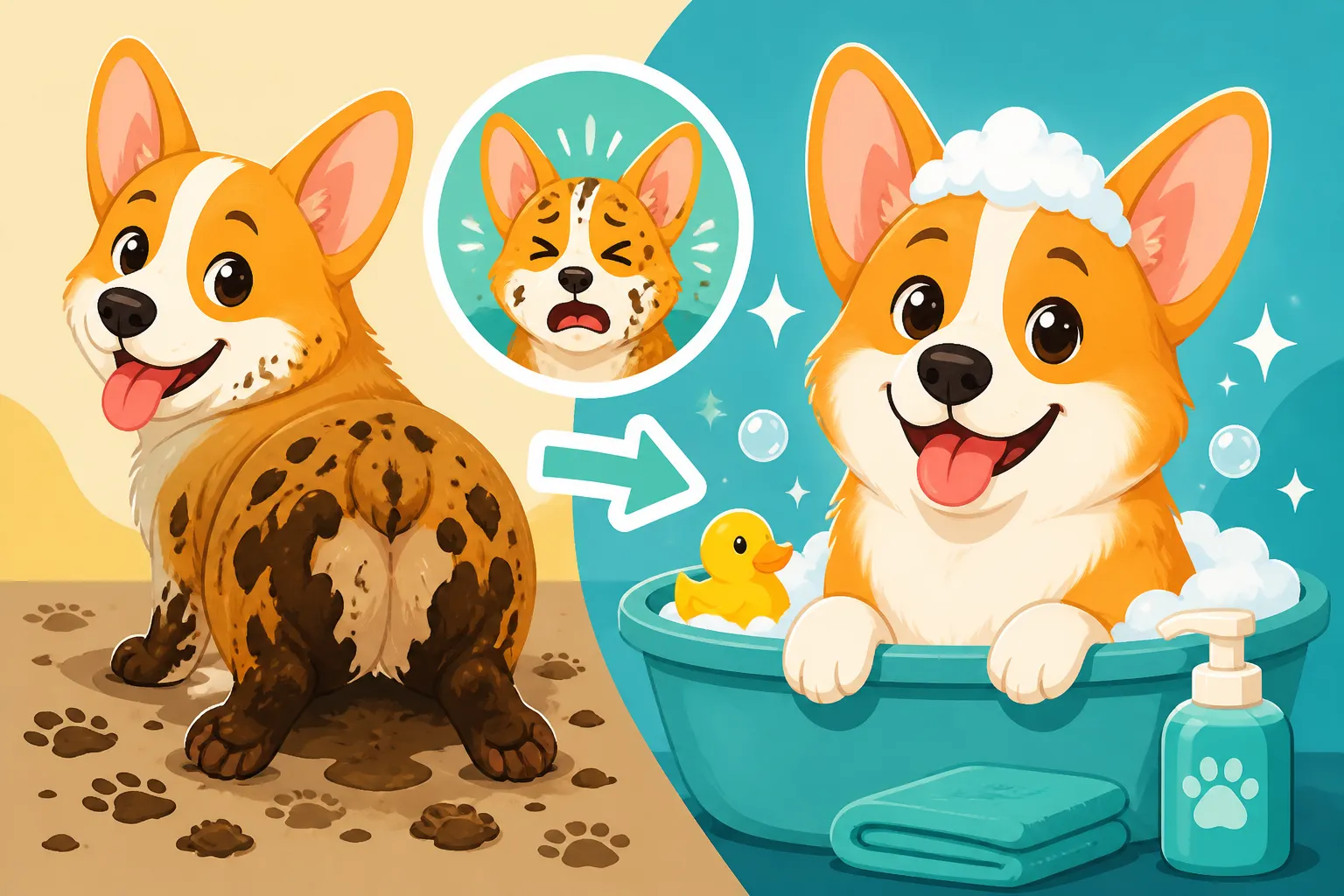
After an accident, especially one involving feces or prolonged contact with urine, your Corgi’s delicate skin and thick coat can become irritated. Their low stature means their belly and hindquarters are often the first to get soiled. Immediately after a bladder or bowel release, it's essential to clean your Corgi. Warm water and a mild, pet-safe shampoo are usually best. Focus on their rear end, tail, and any areas that got soiled. You might find pet wipes, readily available at pet stores or online, incredibly useful for quick clean-ups between full baths, especially when you're managing Nursing a Corgi That Has Lost Its Back Legs.
The goal isn't just cleanliness, but also preventing skin scalds, rashes, or infections. Make sure to thoroughly dry your Corgi’s coat, especially the dense undercoat, to prevent moisture from sitting against their skin. A towel dry followed by a gentle blow dryer on a cool setting can be helpful, paying special attention to the areas around their vulva or anus. If their skin appears red, inflamed, or they seem uncomfortable, a visit to the vet is in order to rule out a secondary infection. Regular grooming, even just a daily brush of their hindquarters, can help you spot issues early and keep their fur from becoming matted with waste.
Protecting Your Home Environment
Living with an incontinent Corgi means a bit of a home transformation to protect your sanity and your floors. Washable dog beds with waterproof liners are a lifesaver. You can layer these with absorbent puppy pads or old towels, making cleanup much simpler. Consider investing in durable, washable covers for sofas or chairs if your Corgi enjoys resting there. For floors, strategically placed waterproof mats or washable rugs can protect carpets and provide traction, which is especially important for Corgis with mobility issues.
Baby gates can be your best friend, allowing you to confine your Corgi to easily cleanable areas, like a kitchen with tile or linoleum, when you can't supervise them directly. Using a good quality dog crate, lined with absorbent bedding, for shorter periods of confinement (if medically appropriate and your Corgi is comfortable with it) can also help manage night-time accidents. Remember, the goal isn't to punish or isolate your Corgi, but to create a manageable and hygienic environment for everyone. Think of it as a practical adjustment, not a limitation on their love.
Long-Term Management and Prevention of Soiling
Managing incontinence is an ongoing commitment, and it requires a multi-faceted approach. Beyond the immediate cleanups, establishing a long-term strategy can significantly improve your Corgi's quality of life and reduce the frequency and severity of accidents.
Dietary Adjustments and Hydration
Diet plays a subtle but important role in managing a Corgi's incontinence. For urinary incontinence, ensuring adequate hydration is key. While it might seem counterintuitive to give more water, good hydration helps flush the urinary system and can prevent concentrated urine that might irritate the bladder. Always have fresh water available. If your Corgi is prone to UTIs, your vet might recommend specific dietary supplements or even a prescription diet.
For bowel incontinence or loose stools, a change in diet can make a huge difference. Sometimes, a sensitive stomach is contributing to the problem. Discuss with your vet whether a limited-ingredient diet, a novel protein diet, or even fresh-prepared meals from services like Ollie could help firm up their stool and make bowel movements more predictable. A consistent feeding schedule can also help regulate their digestive system, making it easier to predict when they'll need to go out. Avoid giving them table scraps, which can easily upset their stomach and lead to unexpected messes.
Mobility Aids and Home Modifications
For Corgis losing control due to mobility issues like DM or severe IVDD, making your home more accessible is crucial. Ramps are incredibly useful, allowing your Corgi to get on and off furniture or into the car without dangerous jumps or twists that could worsen their spinal condition. Ramps and Steps That Save a Corgi's Back are not just about preventing injury; they also empower your Corgi to maintain some independence. Consider Mobility Aids for a Corgi That Cannot Walk, such as supportive harnesses or even custom wheelchairs if their hind end is severely affected. These aids can make it easier for you to assist them outside for potty breaks, ensuring they have the opportunity to eliminate in appropriate places.
Think about flooring too. Slippery floors like hardwood or tile can be challenging for a Corgi with compromised mobility, leading to falls and increasing the likelihood of an accident if they can't get up quickly. Strategically placed runners or non-slip mats can provide much-needed traction. Creating clear, unobstructed paths to the door for quick potty trips is also helpful. These modifications don't just help with incontinence; they improve their overall comfort and safety, especially as they get older or if they're recovering from an injury.
Routine Care and Professional Support
A consistent routine is your best friend when managing Corgi incontinence. Frequent, regularly scheduled potty breaks, especially after waking up, eating, or playing, can significantly reduce indoor accidents. Even if your Corgi doesn't give obvious signals anymore, taking them out on a leash to a designated spot at consistent intervals helps. Setting a timer on your phone can be a simple way to remember.
Don't hesitate to lean on veterinary professionals. Regular check-ups are essential to monitor their underlying condition and adjust treatment plans. They can advise on medications that might help with urinary incontinence, recommend Physiotherapy for a Corgi Losing Its Legs, or explore options like Acupuncture for a Corgi With Back Pain or Hydrotherapy for a Corgi Recovering From Surgery to improve mobility, which in turn can sometimes help with control. Consulting a veterinary physical therapist or rehabilitation specialist can provide you with targeted exercises and strategies to keep your Corgi as strong and mobile as possible.
| Aspect of Care | Immediate Action | Long-Term Strategy | Key Benefit |
|---|---|---|---|
| Accident Cleanup | Blot immediately, use enzymatic cleaner. | Keep an "accident kit" ready, identify washable areas. | Prevents odors, stains, and repeat accidents. |
| Corgi Hygiene | Spot clean with warm water/pet wipes, dry thoroughly. | Regular gentle bathing, skin checks, professional grooming if needed. | Prevents skin irritation, rashes, and infections. |
| Home Protection | Absorbent pads, waterproof liners for beds. | Washable rugs, furniture covers, gates for easy-clean zones. | Protects furniture/flooring, simplifies cleanup. |
| Diet & Hydration | N/A (focus on cleanup). | Consistent feeding, appropriate diet, ample fresh water. | Regulates digestion, supports urinary health. |
| Mobility & Access | N/A (focus on cleanup). | Ramps, non-slip mats, supportive harnesses, vet-approved aids. | Increases mobility, reduces strain, aids outdoor potty breaks. |
| Routine & Support | Calm, patient assistance. | Frequent potty breaks, vet consultations, rehab specialists. | Reduces accidents, improves quality of life for Corgi and owner. |
Emotional Support for You and Your Corgi
Living with an incontinent Corgi is not just a physical challenge; it's a significant emotional one. It's okay to admit it's hard. Your Corgi senses your emotions, and your calm, loving presence is more important than ever.
Dealing with Frustration and Guilt
Let's be real: finding a puddle or a pile on your clean floor, especially after you just took them out, can be incredibly frustrating. You might feel angry, sad, or guilty for those feelings. It's vital to acknowledge these emotions without letting them define your interactions with your Corgi. Remember, they are not doing this on purpose. They are struggling with a health issue beyond their control. Yelling, punishing, or scolding them will only cause fear and stress, making the situation worse for both of you.
Many owners experience a roller coaster of emotions, from deep love and devotion to utter exhaustion and despair. It's a heavy burden, and you are allowed to feel it. Find a support system, whether it's understanding friends, family, or online communities of Corgi owners going through similar challenges. Talking about your feelings can be incredibly cathartic and help you process the grief that often accompanies caring for an aging or ailing pet. You're doing your best, and that's what truly matters.
Maintaining Your Corgi's Dignity and Routine
Despite the accidents, your Corgi is still the same loving companion. It's paramount to maintain their dignity and as much of their routine as possible. Continue to engage them in activities they enjoy, modified for their current abilities. If walks are difficult, perhaps short, frequent trips to a grassy patch in the yard. If they love playing with toys, bring the toys to them. For Corgis with cognitive decline, like An Old Corgi That Gets Lost in the House, maintaining a consistent schedule can provide comfort and security.
Your gentle handling, patient cleanups, and continued affection reinforce that they are still cherished members of the family. Use an encouraging tone, even during accident cleanups. Provide them with comfortable, clean bedding that can be easily changed, ensuring they never have to lie in their own waste. Regularly assess their quality of life, consulting with your vet openly and honestly about their comfort levels and whether they are still enjoying their days. This difficult journey is a testament to the incredible bond you share, and your unwavering love will provide them with the best possible care until the very end.
Disclaimer
This article is for general informational purposes only and does not constitute professional advice. Laws, prices and regulations vary by location and change over time. Consult a qualified professional for guidance on your specific situation.