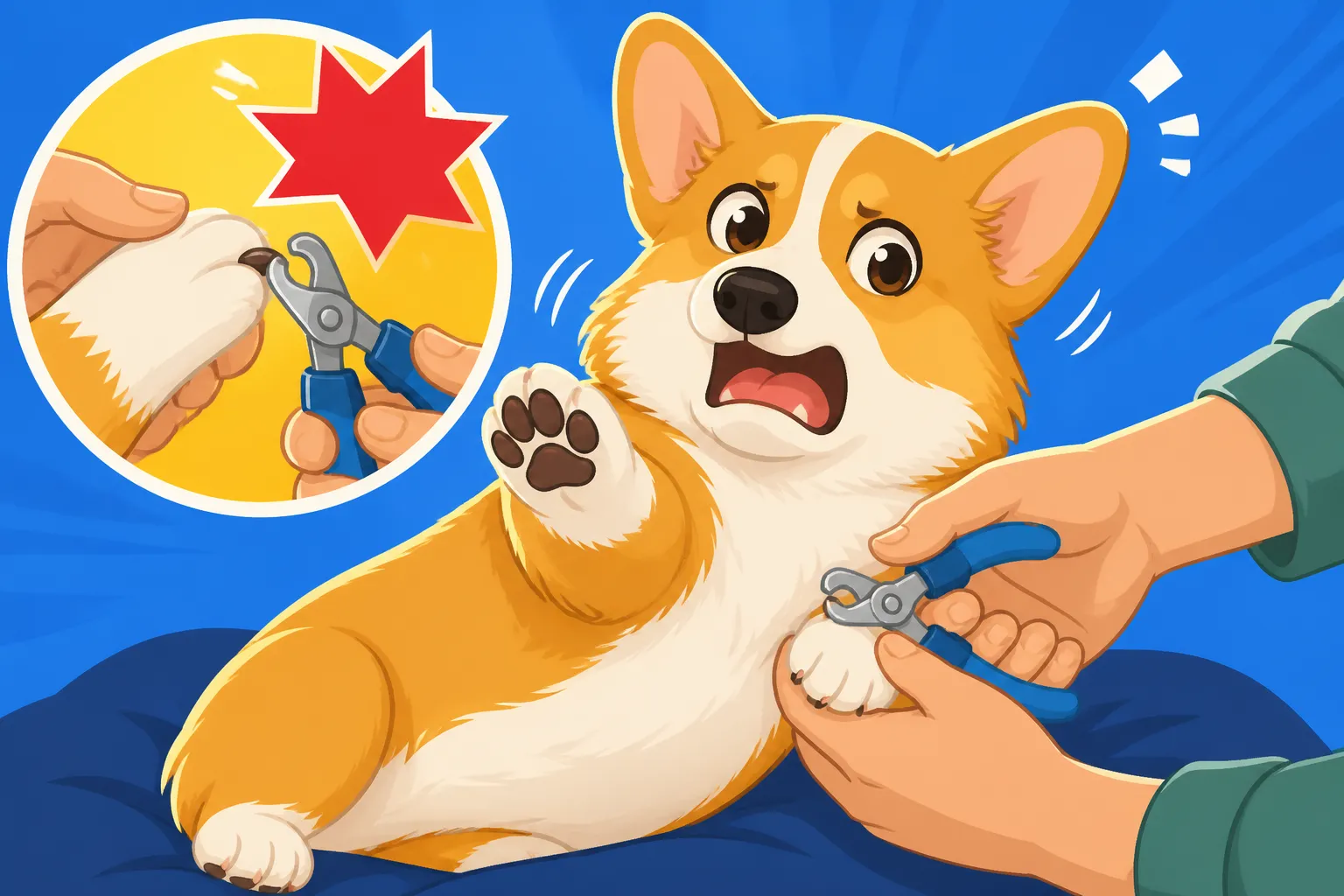
Clipping Nails on a Corgi That Objects
Clipping your Corgi’s nails can feel like a wrestling match, a battle of wills that leaves both you and your furry friend stressed and exhausted. Many Corgi owners grapple with this exact scenario, facing everything from gentle resistance to outright panic and snapping, simply because their low-rider absolutely despises having their paws handled. This comprehensive guide is here to walk you through understanding why your Corgi might be so against nail trims and equip you with practical tools and techniques to make the experience less stressful and even a little bit positive for everyone involved.
Understanding Why Your Corgi Objects to Nail Trims
It's easy to feel frustrated when your Corgi turns into a furry, squirming noodle at the mere sight of nail clippers. We often think, "It's just a nail trim, what's the big deal?" But for our Corgis, it can be a huge deal, rooted in instinct, past experiences, and their unique physical makeup. Understanding these underlying reasons is the first step toward compassion and finding a solution that actually works.
The Corgi's Natural Instincts and Sensitivity
Corgis are phenomenal little dogs, bred for herding cattle, which means they are smart, independent, and often quite sensitive. Being so close to the ground, their paws are constantly in contact with various surfaces, making them highly attuned to what’s happening underneath them. This can translate into extra sensitivity when those paws are handled, especially if it feels invasive or restrictive. Imagine someone trying to trim your fingernails while you’re lying on your back feeling vulnerable and unable to escape; it’s not exactly a comfortable thought! Their herding ancestry also plays a role; these dogs were bred to move independently and take charge, not to be passively restrained. This strong will, which makes them such capable workers, can also make them resistant to physical manipulation.
Beyond this inherent sensitivity, there's the dreaded "quick." This is the living part of the nail, containing blood vessels and nerves. If accidentally cut, it's not just a momentary sting; it can be quite painful and bleed a lot, leading to a deep-seated fear of nail trims. Many Corgis learn early on that nail trims can hurt, and that memory is powerful. They don't differentiate between a careful trim and a painful one; they just associate the entire process with discomfort. For a breed already prone to back issues, the awkward positions or struggles during a trim can also make them feel physically vulnerable, adding another layer of anxiety. You might notice your Corgi exhibits reluctance to be picked up around their chest or back, which often correlates with potential underlying spinal sensitivity, making the nail clipping ordeal even more fraught. Picking a Corgi Up Without Hurting It can be a skill in itself!
Negative Associations and Prior Experiences
Even if you’ve never accidentally cut the quick, your Corgi might have developed a negative association with nail trims for other reasons. Perhaps their first few trims were done with dull clippers that pinched, or maybe the person doing the trimming was nervous, and the Corgi picked up on that anxiety. Dogs are incredibly perceptive, and they can sense our stress, which then amplifies their own. The unfamiliar sound of the clippers snapping, or the whirring of a grinder, can be startling, especially for a dog with sensitive hearing. If the experience begins with chasing them down, forcing them into a position, or holding them too tightly, they quickly learn to anticipate unpleasantness.
Think about it: from your Corgi’s perspective, nail time means being held down, having their paws squeezed, and then hearing a scary noise that might be followed by pain. It’s no wonder they try to escape! This "fight or flight" response is completely natural when they feel trapped and threatened. This learned aversion can become so strong that just seeing the clippers, or being led to the designated "nail trimming spot," can trigger a full-blown panic attack. Over time, this can lead to increasingly aggressive resistance, making the task seem impossible. What’s more, if your Corgi has long nails that affect their gait, Nail Length and What It Does to a Corgi's Gait this discomfort can become chronic, making them even more sensitive about their feet.
Essential Tools and Techniques for a Smoother Experience
When you’re dealing with a Corgi who views nail trims as a personal affront, having the right tools and a game plan for a positive environment is crucial. This isn't just about getting the job done; it's about minimizing stress and building trust, so future trims don't turn into a circus act.
Choosing the Right Nail Trimmers or Grinder
The first step in making nail trims less traumatic is using the right equipment. There are generally two main types of tools: clippers and grinders.
Guillotine Clippers: These are often used for smaller to medium-sized dogs. The nail is inserted into a hole, and a blade slides across, severing the tip. They can be quick but require a steady hand and very sharp blades. If the blades are dull, they can crush the nail rather than cut cleanly, which is painful.
Scissor-Style Clippers: These resemble a pair of pliers and are often preferred for larger, thicker nails, but they work well for Corgis too. They offer more control and a clearer view of the nail, which can be helpful. Again, sharpness is key.
Dremel-Style Grinders: These battery-operated tools file the nail down. Many owners find grinders less intimidating than clippers because there’s less risk of cutting the quick and causing bleeding. They allow for slow, gradual removal of the nail, and you can achieve a smoother, rounded edge. However, they do create a vibrating sensation and a distinct whirring noise that some Corgis find alarming. You can find a wide variety of these tools, from simple clippers to advanced grinders, on sites like Chewy or Amazon, often with different features and price points. The important thing is to choose one that feels comfortable and safe in your hand, and ensure it's always sharp or well-maintained. The Brushes a Corgi Owner Buys Once will tell you that quality tools last.
Here's a quick comparison of the two main types:
| Feature | Nail Clippers (Guillotine/Scissor-Style) | Nail Grinder (Dremel-Style) |
|---|---|---|
| Speed | Generally faster, one quick snip per nail. | Slower, files nail down gradually, takes more time per nail. |
| Risk of Quick | Higher risk if not careful or if Corgi struggles; can cause bleeding. | Lower risk of significant bleeding if done gradually; less invasive. |
| Noise/Vibration | "Snip" sound can be startling. | Whirring sound and vibration can be frightening for sensitive dogs. |
| Control | Good control with sharp blades; can be less precise for tiny adjustments. | Excellent for precision and smoothing edges. |
| Maintenance | Needs to be kept very sharp; blades can dull. | Grinding bits need occasional replacement; battery charged. |
| Best For | Quick trims for cooperative dogs or those with lighter nails. | Anxious dogs, dark-nailed dogs, or achieving smoother finish. |
No matter which tool you choose, having styptic powder (a clotting agent) on hand is non-negotiable. It’s a literal lifesaver if you accidentally nick the quick, and just knowing it’s there can ease your own anxiety.
Creating a Calm and Positive Environment
The environment where you trim your Corgi's nails can make all the difference. This isn’t just about physical comfort; it’s about mental and emotional security. First, choose a quiet time when your Corgi is relaxed, perhaps after a good walk or a play session, but not when they’re overly tired or agitated. Avoid rushing. If you're stressed, your Corgi will pick up on it.
Select a location that’s familiar and comfortable for your Corgi. A soft bed, a non-slip mat on the floor, or even your lap can work. Some owners find a raised surface like a grooming table helpful for their own comfort, but ensure it's secure and that your Corgi feels safe on it. The key is to start associating this spot with positive experiences, not just nail trims. Before you even bring out the tools, spend time in this spot, offering praise and high-value treats.
Incorporating high-value treats is paramount. These aren’t just any treats; these are the absolute best, most delicious things your Corgi only gets during nail time. Think small pieces of cooked chicken, cheese, or even a smear of peanut butter on a lick mat. Brands like Ollie often offer fresh, palatable options that can be incredibly motivating. The goal is to create a positive association: nail trim = delicious rewards. Start with short sessions, focusing on positive reinforcement for any calm behavior, even just tolerating your presence with the tools nearby. Remember, consistency and patience are more important than speed. It might take weeks or even months to build up to a full trim, but it’s worth it for your Corgi’s comfort and your sanity.
Step-by-Step Approach to Desensitization and Training
For Corgis who truly object to nail trims, a slow, methodical approach using desensitization and counter-conditioning is the most effective path. This isn't a quick fix, but it's an investment in a calmer future for both of you.
Starting Small: Handling Paws and Rewarding Calmness
The journey begins long before the clippers even come out. You need to teach your Corgi that having their paws handled is not just okay, but wonderful. Start by simply touching your Corgi's leg, and immediately give a high-value treat. Repeat this many times over a session, perhaps 5-10 times, keeping sessions very short – maybe only a minute or two. The moment your Corgi shows any sign of discomfort, stop, and try again later. The goal is to keep it positive and prevent them from reaching their stress threshold.
Once they're comfortable with leg touches, move to gently touching their paw. Touch, treat, release. Then progress to holding a paw for a second, treat, release. Gradually increase the duration of the hold. The key is to never force it. If they pull away, let them, then try again more gently next time. Once they're comfortable with you holding a paw, move on to touching individual toes and nails. Again, touch, treat, release. This foundational work is critical, as many Corgis are simply not accustomed to this level of handling, which makes the actual trim terrifying. This is also a good opportunity to incorporate other grooming practices, like gently brushing their coat, so they associate general handling with positive experiences. Teaching a Corgi to Accept Brushing uses very similar principles.
Gradual Introduction to the Tools and the Act of Trimming
Once your Corgi is happy with paw handling, it's time to introduce the dreaded tools. Start by simply placing the clippers or grinder on the floor near your Corgi while you give them treats and praise. Don't touch them with it yet. Just let it be part of the environment. Over several sessions, gradually bring the tool closer. Pick it up, show it to them, treat. Put it down. Repeat.
Next, you'll want to introduce the sound of the tool without touching your Corgi. If using clippers, make the "snip" sound in the air, away from their paw, and immediately give a treat. If using a grinder, turn it on for a second, then immediately turn it off and give a treat. Gradually increase the duration of the sound and bring the sound source closer to their paw, always following with a treat. The goal is for them to associate the sound with receiving something amazing. Finally, you can try touching the tool to a nail, without actually clipping or grinding. Just touch the clipper to the nail, treat. Touch the grinder (turned off) to the nail, treat. When your Corgi is comfortable with all these steps, you can try trimming just one tiny tip of one nail. Snip (or grind for a second), treat, massive praise, then stop. End on a high note, even if it's just one nail. This might take many days, or even weeks, but consistency is key. Using a lick mat smeared with something delicious like cream cheese, or even an interactive feeder with treats from Chewy, can provide a fantastic distraction while you work on a nail or two.
Managing the Quick and Bleeding
The quick is every Corgi owner's nemesis, especially if your dog has dark nails where it's hard to see. In clear or light-colored nails, the quick appears as a pinkish area inside the nail. With dark nails, it’s much trickier; you often have to rely on trimming very small amounts at a time, looking at the underside of the nail for a small gray or black dot which indicates you're nearing the quick. You can always err on the side of caution and trim less, more frequently. Remember, short nails are better achieved through consistent, small trims rather than trying to get them all at once.
If you do accidentally cut the quick, don't panic. It happens to the best of us, and while it bleeds, it’s rarely life-threatening. Immediately apply styptic powder (Kwik Stop is a popular brand, often found on Amazon) directly to the bleeding nail and apply firm pressure for about 30 seconds. The bleeding should stop fairly quickly. Reassure your Corgi with a calm voice, but don't over-fuss, as this can inadvertently reward their distress. After a quick incident, it's wise to take a break from nail trims for a few days to let the memory fade slightly and to allow the nail to heal. You might also reconsider using a grinder if clippers proved too risky, or vice versa, to help regain confidence.
When to Seek Professional Help and Alternative Solutions
Despite your best efforts, some Corgis simply won't tolerate at-home nail trims, and that's perfectly okay. Knowing when to call in the cavalry is not a failure; it’s being a responsible and empathetic pet parent. There are professionals and alternative strategies available that can ease the burden on both you and your Corgi.
Recognizing When You Need a Vet or Professional Groomer
There comes a point when struggling through a nail trim causes more stress and potential harm than good. If your Corgi exhibits severe fear, intense struggling, or even aggression (growling, snapping, biting) during your attempts, it’s a clear sign that professional help is warranted. A Corgi's intense resistance can sometimes be rooted in pain or discomfort, perhaps from an underlying orthopedic issue common in the breed, such as disc disease. While Telling Disc Pain From DM in a Corgi is complex, general discomfort could contribute to their objection to handling. If you suspect any pain, a vet visit should be your first step.
Professional groomers and veterinary technicians have extensive experience with fearful or difficult dogs. They often possess specialized handling techniques, knowledge of dog behavior, and access to tools or setups that make the process quicker and safer. A good groomer understands the importance of positive reinforcement and can work quickly and efficiently. Your veterinarian's office is also an excellent option. They can often provide "tech appointments" specifically for nail trims, sometimes even with two people to ensure safety and speed. This takes the emotional stress out of your home environment and puts it into experienced hands. It's often worth the cost to maintain your dog's foot health and preserve your bond.
Exploring Sedation and Other Management Strategies
For Corgis with extreme anxiety or phobias surrounding nail trims, your veterinarian might discuss the option of mild sedation. This isn't about knocking your dog out, but rather using a gentle sedative or anxiolytic medication that takes the edge off their fear, allowing the trim to be completed safely and with minimal stress. This is always a discussion you should have thoroughly with your vet, exploring the pros, cons, and appropriate dosages for your Corgi's specific health profile. Sedation allows for a humane way to address overgrown nails that, if left unattended, can lead to serious health and mobility issues, including affecting their back and gait.
Beyond sedation, there are other management strategies. Regular walks on rough surfaces like pavement or concrete can naturally wear down nails, though Corgis are low riders so this might only affect the very tip. Some owners have success teaching their Corgis to use a scratching board—a piece of wood covered in sandpaper—which they learn to scratch for treats, effectively filing down their front nails. This turns a chore into a game! Consistency is still key, even with professional help. Schedule regular trims, whether they're at home, with a groomer, or at the vet, to prevent nails from becoming overgrown, which makes future trims even more challenging and uncomfortable for your Corgi. Remember, keeping your Corgi's nails at a healthy length is vital for their overall comfort and musculoskeletal health. Early Arthritis in a Corgi can be exacerbated by long nails, highlighting the importance of this routine care.
Disclaimer
This article is for general informational purposes only and does not constitute professional advice. Laws, prices and regulations vary by location and change over time. Consult a qualified professional for guidance on your specific situation.