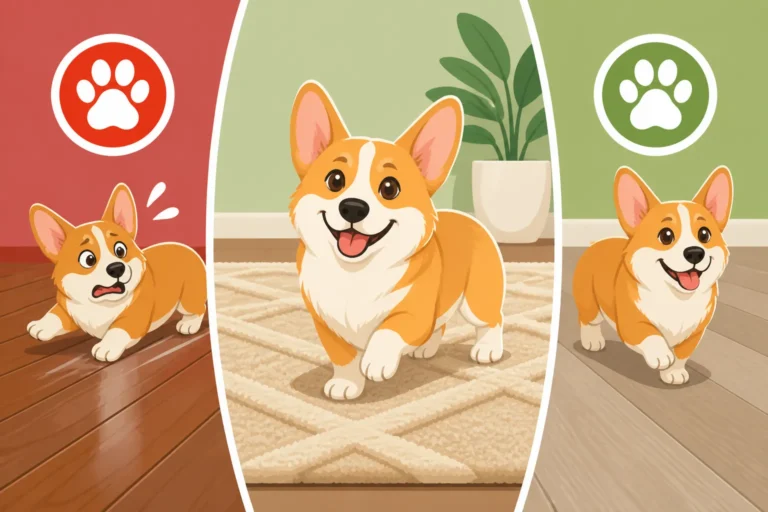
Whether a Corgi Should Be Trimmed in Summer
It’s a sweltering summer day, and you glance over at your beloved Corgi, panting, sprawled out on the cool tile, looking absolutely miserable. Your heart sinks. Naturally, your first thought might be, "If only I could shave off all that fur, they’d be so much cooler!" It seems like a logical solution, right? Less hair equals less heat. But for a Corgi, with their distinctive double coat, this seemingly helpful act can actually do more harm than good. This comprehensive guide will explain why trimming or shaving your Corgi in the summer is generally ill-advised, and what truly effective methods you can use to keep them comfortable and safe when temperatures rise.
Understanding the Corgi's Unique Double Coat
The Corgi’s coat is a marvel of natural engineering, perfectly adapted to their original purpose of herding in the variable Welsh climate. It’s not just "fluffy"; it’s a sophisticated system designed for protection and temperature regulation, year-round.
The Insulating Layers: Undercoat and Guard Hairs
A Corgi's coat is what we call a "double coat," meaning it consists of two distinct layers, each with its own crucial job. The first layer, closest to the skin, is the soft, dense undercoat. Think of this as your Corgi’s personal thermostat. In winter, this undercoat thickens significantly, trapping warm air close to the body and providing exceptional insulation against the cold, snow, and damp. It's like wearing a super-efficient wool sweater.
But here's the part that often surprises people: this very same undercoat also plays a vital role in keeping your Corgi cool in the summer. It creates an insulating layer that prevents external heat from reaching the skin. Imagine desert dwellers wearing thick, loose robes; those robes don't make them hotter, they keep the scorching sun away from their skin and allow air to circulate. Your Corgi’s undercoat works in a similar fashion, creating a natural air-conditioning system.
Overlaying this soft undercoat are the longer, coarser guard hairs. These are the protective outer layer, the "raincoat" and "sunscreen" of your Corgi's ensemble. Guard hairs are designed to be water-resistant, shedding rain and snow, and most importantly for summer, they offer critical protection against harmful UV radiation from the sun. They act as a physical barrier, preventing sunburn, insect bites, and minor scrapes from reaching the delicate skin beneath. Together, these two layers form a cohesive system that regulates body temperature and shields your Corgi from the elements, whether hot or cold.
Natural Shedding Cycles and Their Purpose
Corgi owners know all too well that these dogs are champion shedder. It's not just a nuisance; it's a vital part of their coat's health and functionality. Corgis have distinct seasonal shedding cycles, often referred to as "blowing coat," where they shed large amounts of their undercoat. This usually happens twice a year, in spring and fall, to prepare for the changing seasons. The spring shed gets rid of the thick winter undercoat, allowing for a lighter, airier layer to grow in for summer. The fall shed, conversely, removes the thinner summer coat to make way for the denser winter undercoat.
This natural process is crucial for effective temperature regulation. When your Corgi sheds their old undercoat, it allows for better air circulation close to the skin. It’s like clearing out old insulation to make room for new, more efficient material. Regular brushing during these times helps to remove all that dead, loose hair, preventing it from getting matted and stifling the natural airflow. If this dead hair isn't removed, it can indeed trap heat and make your Corgi hotter, which is why diligent grooming is key, not trimming. You can learn more about this process and how much fur to expect in How Much Hair a Twenty-Eight Pound Corgi Drops. The consistency of shedding throughout the year is also worth noting; Corgis tend to shed a little bit every day, even outside the major seasonal "blows," ensuring their coat is always adapting.
Why Trimming or Shaving a Corgi is Generally Not Recommended
It seems counterintuitive, doesn't it? When we're hot, we take off layers. Why wouldn't the same logic apply to our furry friends? The reality is, for double-coated breeds like Corgis, cutting their hair can actually make them less comfortable and even put their health at risk.
Disrupting Natural Insulation and Protection
When you trim or shave a Corgi’s double coat, you’re not just removing hair; you’re dismantling a finely tuned environmental protection system. The guard hairs, as mentioned, are the first line of defense. By cutting them short, you eliminate the natural barrier that shields their skin from direct sunlight. This makes your Corgi highly susceptible to sunburn, which can be painful, lead to skin irritation, and even increase the risk of skin cancer over time. Their skin is not designed to be exposed to harsh UV rays.
Beyond sunburn, cutting the guard hairs also compromises the coat's ability to regulate temperature. Those guard hairs work with the undercoat to create an insulating air pocket. This air pocket keeps your Corgi warm in winter and, critically, helps to keep them cool in summer by preventing external heat from penetrating to the skin. When you shave them, you remove this natural air buffer, leaving their skin exposed to the ambient temperature, which means they can absorb more heat from their surroundings, not less. It’s a bit like removing the insulation from your house in summer, expecting it to be cooler inside; often, the opposite is true. Why a Clipped Corgi Loses Its Weather Protection goes into more detail on how this protective function is lost.
Potential Damage to Coat Regrowth
One of the most disheartening consequences of shaving a Corgi is the potential for permanent coat damage, often referred to as "clipper alopecia" or "post-clipping alopecia." This isn't just a temporary bad hair day for your pup. What happens is that the undercoat tends to grow back much faster and thicker than the guard hairs, if the guard hairs grow back properly at all. The soft, downy undercoat can become the dominant layer, leading to several problems.
Firstly, this uneven regrowth can make the coat feel rough, patchy, and visually unappealing, sometimes resembling a "puppy coat" that never quite matures. Many owners report that their Corgi's coat never returns to its original texture or density after being shaved, remaining duller or even feeling like cotton. Secondly, and more importantly for their comfort, this overgrowth of undercoat can actually impair their natural cooling ability even further. A dense, uniform layer of undercoat without the protective guard hairs is prone to matting and can trap heat more effectively than a healthy double coat, leading to overheating. This matting then prevents proper air circulation, creating a vicious cycle. The patchy regrowth can be quite striking, as discussed in The Patchy Regrowth on a Clipped Corgi. It's a risk many professional groomers will strongly advise against taking for a Corgi.
Common Misconceptions About Cooling a Corgi
It’s completely understandable why many Corgi owners, out of love and concern, would consider trimming their dog's coat in summer. The idea that "less hair means a cooler dog" is deeply ingrained in our human logic, but it doesn't hold true for all animals, especially those with specialized coats like the Corgi.
The Idea That "Less Hair Means Cooler Dog"
This is perhaps the biggest and most common misconception for double-coated breeds. We, as humans, feel cooler when we shed layers, so it's natural to project that onto our dogs. However, a Corgi's double coat isn't just an accessory; it's an essential part of their thermoregulation system. The outer guard hairs reflect sunlight and create a protective layer, much like the roof of a house. The undercoat, meanwhile, provides insulation. In hot weather, this insulation helps prevent heat from penetrating to the skin, and allows for air to circulate, carrying away excess body heat through convection.
Think of it this way: imagine wearing a thick, but breathable, loose-fitting linen shirt in the desert. While it might seem counterintuitive to add a layer, that shirt actually keeps the direct sun off your skin and allows air to move, helping you stay cooler than if you were directly exposed to the sun's scorching rays. Your Corgi’s coat performs a similar function. When you shave off this protective layer, you expose their sensitive skin directly to the sun and ambient heat, removing their natural defense system. Instead of being cooler, they become more vulnerable to heat absorption and sunburn.
Confusion with Single-Coated or Hairless Breeds
Part of the confusion often stems from observing other dog breeds. Many people have seen Poodles, Bichon Frises, or even Portuguese Water Dogs with various trims and cuts, which indeed help them stay cooler and prevent matting. These breeds, however, typically have single coats – meaning they lack the dense undercoat and have hair that grows continuously, more akin to human hair. Trimming them is often necessary and beneficial for hygiene, comfort, and preventing matting.
Then there are hairless breeds, like the Chinese Crested or Xoloitzcuintli, where skin exposure is the norm. For these dogs, sunscreen is a must, and special care is taken to protect their skin from the elements. The Corgi, with its ancient lineage as a herding dog, falls into a completely different category. Their physiology and coat structure are vastly different from these other breeds. What works for a Poodle or a hairless dog simply doesn't apply to a Corgi, and applying the same logic can have detrimental effects on their health and coat integrity. It's crucial to understand these distinctions rather than assume a one-size-fits-all approach to canine grooming and heat management.
Effective Alternatives to Trimming for Summer Comfort
So, if trimming or shaving your Corgi isn't the answer, what can you do to help them stay cool and comfortable during those long, hot summer days? The good news is there are plenty of effective and safe strategies that work with their natural coat, not against it.
Regular and Thorough Grooming
This is truly your first and most powerful tool against summer heat for a Corgi. The goal isn't to remove the entire coat, but to remove the dead undercoat that can get trapped and prevent proper air circulation. During the warmer months, aim for daily or every-other-day brushing, especially if your Corgi is "blowing coat." You'll want to invest in the right tools to get the job done effectively. An undercoat rake is invaluable for getting deep into the dense undercoat and gently pulling out loose, dead hair without damaging the guard hairs. A good slicker brush can then help remove any remaining loose hairs and smooth the outer coat.
By diligently removing this dead hair, you create space for air to circulate freely close to your Corgi’s skin. This vastly improves their natural insulation system, allowing it to function as intended: keeping them cooler. Think of it as regularly changing the air filter in your own home’s HVAC system – it ensures optimal performance. Brands like Furminator offer specific deshedding tools designed for double coats, which you can often find readily available on Amazon or Chewy. Regular brushing also minimizes matting, which is a significant problem as mats trap heat and moisture, leading to skin irritation and hot spots. You can find more advice on what tools to use in The Rake and Comb a Corgi Coat Actually Needs and gain insights into their daily shedding routine in Whether a Corgi Really Sheds Every Day.
Environmental Management and Cooling Strategies
Beyond grooming, managing your Corgi's environment and activity levels is paramount to their summer comfort and safety. This involves a multi-pronged approach:
- Adjusting Walk Schedules: Avoid walks during the hottest parts of the day, typically late morning through late afternoon. Opt for early morning strolls when the air is still cool and pavement temperatures haven't soared, and evening outings once the sun has set and surfaces have cooled. Remember, Corgis are low to the ground, so their bellies are closer to hot pavement, which can cause burns.
- Indoor Cooling: Ensure your home is a cool sanctuary. Air conditioning is ideal, but if not available, strategic use of fans can help. Consider placing frozen water bottles in front of fans to create a cooler breeze.
- Cooling Mats and Beds: Many Corgis appreciate cooling mats, which absorb body heat or contain a gel that stays cool without refrigeration. Elevated dog beds also promote airflow underneath, keeping them off hot floors.
- Water Fun: A shallow kiddie pool filled with a few inches of water can be a fantastic way for your Corgi to cool down and play. Supervised time with a sprinkler can also be a big hit. Just be sure they don't ingest too much water and are thoroughly dried afterward to prevent skin issues.
- Cooling Vests or Bandanas: There are specialized cooling vests and bandanas that you can soak in water and wring out. These use evaporative cooling to help lower your Corgi's body temperature.
Always keep a close eye on your Corgi for signs of overheating, such as excessive panting, lethargy, or stumbling. For more detailed advice on keeping your Corgi safe when the mercury rises, check out How a Corgi Handles Hot Weather and Cooling a Corgi Down in Hot Weather.
Hydration and Nutritional Support
Proper hydration is critical for all dogs, especially in warm weather. Always ensure your Corgi has constant access to fresh, clean water. You might even consider adding a few ice cubes to their water bowl to keep it cooler longer, or invest in a pet water fountain to encourage more drinking. If you're out and about, carry a portable water bottle and bowl specifically for your Corgi. Encourage them to drink frequently, especially after any physical activity. Whether a Corgi Should Drink After a Run offers valuable tips on post-activity hydration.
Beyond water, a balanced and nutritious diet plays an indirect but important role in maintaining a healthy coat and overall well-being, which contributes to better heat tolerance. A diet rich in essential fatty acids (like Omega-3s) can support skin health and coat quality, ensuring the natural coat functions optimally. While no food will "cool" your dog, a healthy body is better equipped to handle environmental stressors. Some fresh dog food brands, like Ollie, focus on high-quality ingredients that can support overall health, including skin and coat, though it's always best to discuss dietary changes with your vet. Avoid overfeeding, as excess weight makes it much harder for a Corgi to cool down and puts additional strain on their short legs and long back.
When Professional Grooming Is Beneficial (Without Trimming)
While trimming a Corgi's double coat is generally discouraged, there are specific situations where professional grooming can be incredibly beneficial for their comfort and health, without resorting to shaving.
Professional Deshedding Treatments
For Corgi owners, the sheer volume of fur that comes off during shedding season can be overwhelming, and home grooming, no matter how diligent, sometimes just can’t keep up. This is where a professional deshedding treatment can be a game-changer. These services are specifically designed for double-coated breeds and involve much more than just a quick brush.
A typical professional deshedding treatment includes a thorough bath using specialized shampoos and conditioners formulated to loosen dead undercoat. This is followed by a high-velocity force dryer, which not only dries the coat quickly but also blasts out an incredible amount of loose undercoat that brushing alone would miss. Finally, the groomer will use professional tools like undercoat rakes and slicker brushes to meticulously work through the coat, removing any remaining dead hair. The results are often astounding, with groomers collecting literal bags full of fur. This process significantly thins out the undercoat, allowing for maximum air circulation and greatly enhancing your Corgi’s natural cooling ability, all without compromising their protective guard hairs. It's an investment in their comfort and coat health, helping them feel much lighter and cooler. To get an idea of the costs involved, you might want to read What a Groomer Charges to Blow Out a Corgi.
Health-Related Trimming (Rare Circumstances)
There are very rare, specific circumstances where a veterinarian might recommend some form of trimming, but these are typically for medical reasons, not routine summer cooling. For example:
- Severe Matting: While diligent grooming should prevent this, if a Corgi's coat becomes severely matted and compacted, especially in hard-to-reach areas, shaving might be the only humane way to remove the mats. Mats pull on the skin, cause pain, and can lead to skin infections. In such extreme cases, a groomer would likely use clippers with a guard comb to leave as much hair as possible, or shave only the matted areas, with guidance from a vet.
- Surgical Procedures: If your Corgi needs surgery, the area around the incision will be shaved to ensure a sterile field. This is a medical necessity and temporary.
- Severe Skin Conditions: In cases of severe dermatitis, hotspots, or other widespread skin infections, a vet might recommend shaving certain areas or even the entire coat to allow for topical treatments to reach the skin effectively and promote healing. This would always be done under veterinary guidance.
It's crucial to understand that these are exceptions driven by health crises, not a general recommendation for summer comfort. A healthy Corgi with a well-maintained coat rarely needs such drastic measures. Always consult your veterinarian if you believe your Corgi has a condition that warrants coat trimming for medical purposes.
Trimming vs. Proper Grooming for Corgis in Summer
To help you visualize the differences and potential outcomes, here's a comparison of trimming/shaving versus proper grooming techniques for a Corgi in the summer.
| Feature | Trimming/Shaving | Proper Grooming (Deshedding) |
|---|---|---|
| Method | Clippers used to cut hair short or shave to skin. | Brushing, raking, bathing with deshedding products, high-velocity drying. |
| Impact on Guard Hairs | Removes or severely shortens them. | Preserves guard hairs, allowing them to perform their protective function. |
| Impact on Undercoat | Often grows back thicker and faster, potentially leading to imbalance. | Removes dead undercoat, thinning it out for better airflow. |
| UV Protection | Significantly reduced, high risk of sunburn. | Maintained, natural shield against sun. |
| Temperature Regulation | Compromised; can lead to overheating as natural insulation is removed. | Enhanced; allows coat to work efficiently to dissipate heat and insulate. |
| Coat Regrowth | Risk of "clipper alopecia," patchy growth, altered texture, permanent damage. | Promotes healthy coat growth and natural shedding cycles. |
| Skin Health | Increased risk of sunburn, irritation, and skin conditions. | Supports healthy skin by preventing matting and promoting airflow. |
| Overall Comfort | Short-term perceived relief, long-term discomfort/health risks. | Long-term, sustainable comfort by working with the dog's natural biology. |
As you can see, while the intention behind trimming might be good, the reality for a Corgi's unique double coat paints a very different picture.
When you see your Corgi struggling with the summer heat, it's a natural instinct to want to remove their coat, thinking it will offer immediate relief. However, as we’ve explored, a Corgi's double coat is their built-in protection and cooling system. Trimming or shaving it disrupts this delicate balance, leaving them vulnerable to sunburn, making them potentially hotter in the long run, and risking permanent damage to their beautiful fur. Instead of reaching for the clippers, embrace diligent, consistent grooming to remove that dead undercoat, utilize smart environmental management strategies, and ensure they stay well-hydrated. Your Corgi will thank you for understanding their unique needs and working with their natural biology to keep them happy and comfortable all summer long.
Disclaimer
This article is for general informational purposes only and does not constitute professional advice. Laws, prices and regulations vary by location and change over time. Consult a qualified professional for guidance on your specific situation.