Whether a Corgi Diet Should Change After Nine
As your beloved Corgi approaches its golden years, typically around the nine-year mark, you might start noticing subtle shifts in their energy levels, their interest in playtime, or even how they manage those familiar sofa jumps. These changes aren't just about slowing down; they're often indicators that their body is aging, and just like us, their nutritional needs begin to evolve. This comprehensive guide will walk you through why an older Corgi's diet might need adjusting and what specific changes can help them live out their senior years happily and comfortably.
Understanding the Aging Corgi: What Happens After Nine?
When your Corgi hits nine years old, they're officially entering their senior chapter. This isn't a sudden cliff edge where everything changes overnight, but rather a gradual process where their body starts to operate differently. You might still see flashes of their puppy energy, but there will be undeniable signs that they're not quite the spry youngster they once were. Understanding these underlying physiological and behavioral changes is the first step in tailoring their care, including their diet.
Physiological Shifts in Senior Corgis
Inside your Corgi's compact, sturdy frame, several physiological processes are subtly changing. Their metabolism begins to slow down, meaning they don't burn calories as efficiently as they used to. This is a big reason why many older dogs tend to gain weight, even if their food intake hasn't increased. You might start noticing less lean muscle mass, particularly over their hindquarters, which can contribute to a slightly wobbly gait or less enthusiasm for long walks. Their immune system might not be as robust, making them a little more susceptible to minor illnesses or taking longer to recover.
Beyond these visible signs, their internal organs are also aging. Kidneys and liver might not filter toxins quite as effectively, and their digestive system can become more sensitive, leading to occasional upset stomachs or changes in stool quality. Arthritis and joint stiffness, especially in their characteristic long back and short legs, become more common. This is a breed known for potential Disc Disease in a Long-Backed Corgi, and older age can exacerbate these predispositions. Their senses, like sight and hearing, may also diminish, which can influence their overall comfort and daily routine.
Behavioral and Activity Level Changes
Along with the physical shifts, you'll likely observe changes in your Corgi's behavior and activity levels. That once tireless herding drive might be replaced by longer naps and less interest in chasing after squirrels. They might prefer a gentle stroll around the block over a vigorous hike. This decrease in activity directly impacts their calorie needs; a less active dog simply requires fewer calories to maintain a healthy weight.
You might also notice them being a little less tolerant of rambunctious younger dogs or loud noises, preferring a quieter, more predictable environment. Some older Corgis might become pickier eaters, or conversely, develop a stronger appetite as their sense of smell or taste diminishes, making them seek out more flavorful options. Monitoring these behavioral cues is just as important as physical examinations because they offer valuable insights into your Corgi's comfort and preferences, guiding your dietary decisions. Remember, When a Corgi Starts Being Treated as Old often coincides with these noticeable shifts in their daily routine.
Why Nutritional Needs Evolve with Age
It's tempting to think that "dog food is dog food," but just as our nutritional needs change from childhood to adulthood to our senior years, so do a Corgi's. The robust diet that fueled their energetic youth might not be the best fit for their aging body. The goal isn't just to keep them fed, but to provide targeted nutrition that supports their specific senior challenges and helps maintain their quality of life.
Metabolism and Calorie Requirements
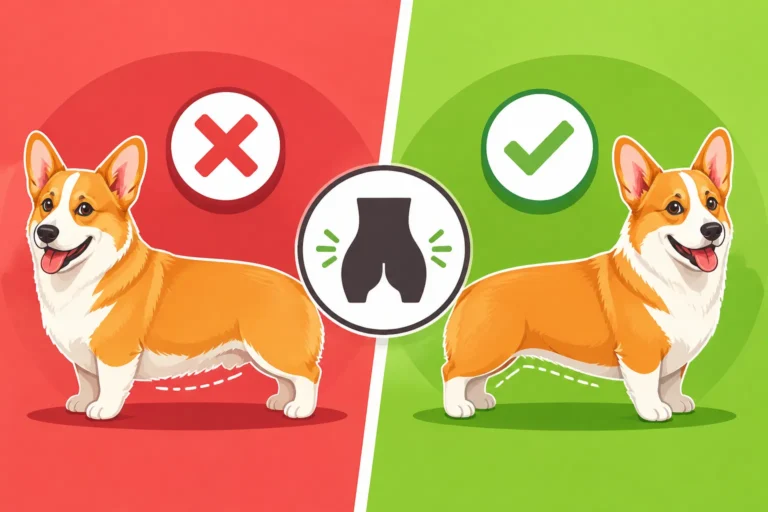
As your Corgi's metabolism slows down, their body becomes more efficient at storing fat, which means they need fewer calories to maintain their ideal weight. This is a critical point, especially for a breed prone to weight issues. An extra pound or two on a Corgi's short frame puts significant strain on their joints and their already vulnerable back. Overfeeding a senior Corgi with their usual adult food can quickly lead to unhealthy weight gain, exacerbating conditions like arthritis or even increasing the risk of Diabetes Risk in an Overweight Corgi.
Therefore, a primary reason for a dietary change is to reduce calorie intake without sacrificing essential nutrients. Senior dog foods are specifically formulated with this in mind – they typically contain fewer calories per serving but are still packed with the vitamins, minerals, and appropriate macronutrients an older dog needs. It's not about feeding less food, but feeding smarter food. Understanding The Calorie Target for a Twenty-Eight Pound Corgi and adjusting it as they age is paramount.
Joint Health and Muscle Mass Maintenance
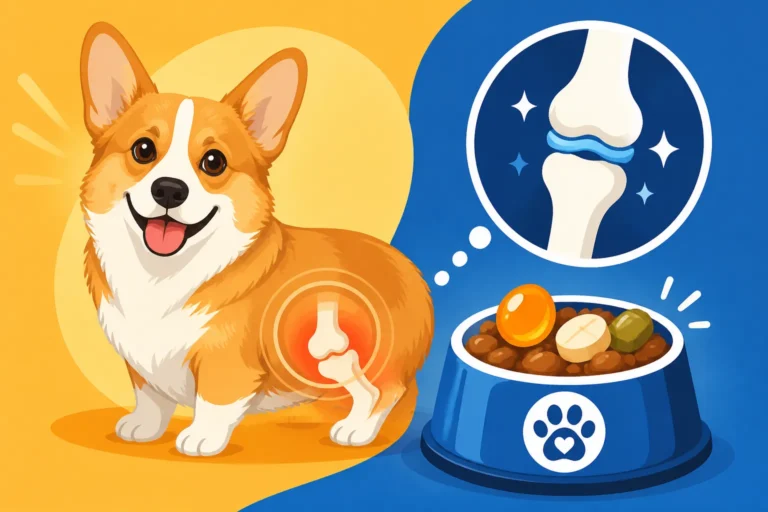
The wear and tear on a Corgi's joints over years of running, jumping, and herding can really start to show by age nine. Their short legs and long back make them particularly susceptible to joint issues and spinal discomfort. Maintaining muscle mass is also vital, as strong muscles support the skeleton and alleviate pressure on joints.
Senior diets often incorporate ingredients aimed at supporting joint health, such as glucosamine, chondroitin, and omega-3 fatty acids (like EPA and DHA). These ingredients can help reduce inflammation and support cartilage health, offering some relief from age-related stiffness. To combat muscle loss, senior foods usually maintain a moderate to high-quality protein content. It’s a common misconception that older dogs need less protein; they actually need adequate amounts to help preserve muscle mass, just with lower fat content to manage overall calories. You'll want to explore Whether a Corgi Needs Joint Support in Its Bowl when making dietary changes.
Organ Function and Digestive Sensitivity
With age, your Corgi's kidneys and liver might not function as efficiently. Some senior dog foods are formulated with lower levels of phosphorus and sodium to help support kidney function, and easily digestible proteins to ease the workload on the liver. A diet with balanced nutrients can help maintain these vital organs.
Digestive sensitivity can also become more prevalent. Older Corgis might experience more constipation, diarrhea, or gas. Senior dog foods often contain prebiotics and probiotics, or a higher fiber content, to promote a healthy gut microbiome and smoother digestion. The goal is to provide nutrients that are easily absorbed, reducing strain on the digestive system. You might notice your Corgi showing signs of Corgi Dental Disease more frequently, which can also impact their ability to chew and digest certain foods, making softer options more appealing.
Key Dietary Adjustments for the Senior Corgi
Once you understand why your Corgi's diet needs to change, the next step is identifying what those changes should look like. It's not just about switching to a bag labeled "senior food;" it's about understanding the macronutrient balance and specific ingredients that will best support your individual Corgi's health.
Protein and Fat Content
For senior Corgis, the ideal diet typically features high-quality protein and a moderate, controlled fat content. High-quality protein sources, such as lean meats like chicken, turkey, or fish, are crucial for maintaining muscle mass. As Corgis age, they can lose muscle, which impacts their strength and stability, particularly in their hindquarters. Good protein helps counteract this.
However, the fat content needs careful management. While some healthy fats are essential for skin, coat, and overall health, excess fat leads to unnecessary calories and weight gain. Given that an aging Corgi is less active and has a slower metabolism, a diet that is lower in fat but still provides essential fatty acids is often recommended. Look for foods that list specific meat sources as the first ingredient and have a guaranteed analysis that shows protein levels around 25-30% and fat levels closer to 10-15% for most senior Corgis, though individual needs can vary.
Fiber and Digestive Support
Digestive issues, such as constipation, can become more common in older dogs. Increasing dietary fiber can be a game-changer. Fiber helps promote regular bowel movements and can also contribute to a feeling of fullness, which is helpful if your Corgi is prone to begging or overeating. Sources of healthy fiber include ingredients like beet pulp, oats, and certain vegetables.
Many senior dog foods will include prebiotics and probiotics to support gut health. Prebiotics act as food for beneficial gut bacteria, while probiotics introduce these good bacteria directly. A healthy gut contributes to better nutrient absorption and a stronger immune system, both of which are vital for an aging Corgi. If your Corgi has a particularly sensitive stomach, a diet specifically designed for sensitive digestion, often featuring fewer ingredients or novel protein sources, might be beneficial.
Essential Vitamins, Minerals, and Supplements
Beyond macronutrients, ensuring your senior Corgi receives an adequate supply of vitamins and minerals is crucial. Antioxidants, like vitamins E and C, can help combat oxidative stress and support the immune system. Choline and B vitamins are often included to support cognitive function, which can decline in some older dogs.
Many senior formulas will already include joint-supporting supplements like glucosamine and chondroitin. However, depending on your Corgi's specific needs and vet recommendations, you might consider adding an external supplement. Omega-3 fatty acids, often in the form of fish oil, are excellent for reducing inflammation, supporting joint health, and promoting healthy skin and coat. Before adding any new supplements, always discuss it with your veterinarian to ensure it's appropriate for your Corgi and won't interact with any existing medications or conditions.
Choosing the Right Food for Your Older Corgi
Navigating the pet food aisle, or the vast digital shelves of retailers like Chewy or Amazon, can be overwhelming with all the options available. When it comes to your senior Corgi, making an informed choice about their food is paramount. It’s not just about the brand, but about understanding what the labels truly mean and considering the best format for your aging companion.
Decoding Senior Dog Food Labels
The term "senior dog food" isn't always regulated consistently, so you need to look beyond the marketing. A genuinely good senior formula will typically boast:
- Reduced Calories: Lower in fat and sometimes carbohydrates to prevent weight gain.
- Moderate to High-Quality Protein: Essential for muscle maintenance, often from named animal sources.
- Enhanced Fiber: To aid digestion and promote satiety.
- Joint Support: Ingredients like glucosamine, chondroitin, and omega-3 fatty acids.
- Antioxidants: Vitamins C and E to boost the immune system and combat cellular aging.
- Digestive Aids: Prebiotics and probiotics for gut health.
When reading labels, prioritize foods where a named meat source (e.g., chicken, lamb, salmon) is the first ingredient, rather than generic "meat meal" or fillers. Be wary of excessive artificial colors, flavors, or preservatives. Always check the guaranteed analysis for protein, fat, fiber, and moisture percentages. If you’re unsure, a quick chat with your vet can provide clarity on what percentages are ideal for your Corgi's individual health profile. Knowing The Body Condition Score a Corgi Should Hold is a great benchmark for evaluating if your current food is doing its job.
Wet vs. Dry Food Considerations
Both wet and dry food have their merits for senior Corgis.
- Dry Kibble:
- Pros: Generally more economical, helps keep teeth cleaner (though not a substitute for brushing), can be left out longer without spoiling. Good for puzzle toys to engage mental stimulation.
- Cons: Can be harder to chew for Corgis with dental issues, might not be as palatable for pickier eaters, lower moisture content means you need to ensure adequate water intake.
- Wet Food:
- Pros: Highly palatable, excellent for hydration, easier to chew for dogs with Soft Food for a Corgi With Bad Teeth or missing teeth, often less calorie-dense by volume which can help with satiety for dogs on a diet.
- Cons: More expensive, spoils faster once opened, doesn't offer the same dental benefits as kibble, can sometimes be too rich for sensitive stomachs.
Some owners opt for a mixed diet, combining a portion of senior kibble with a spoonful of wet food, or even a splash of low-sodium broth, to get the best of both worlds. This can increase palatability and hydration while keeping costs manageable.
Evaluating Fresh and Home-Cooked Options
The popularity of fresh-cooked or gently-cooked dog food, often from services like Ollie, has surged, and for good reason. These diets can be incredibly beneficial for senior Corgis, especially those with sensitive digestion or finicky appetites.
- Pros: Often made with human-grade ingredients, highly digestible, excellent hydration, very palatable, and can be customized to specific dietary needs (e.g., lower phosphorus for kidney support).
- Cons: Generally more expensive than kibble, requires refrigeration, and requires a commitment to a subscription service if using a pre-made plan. If home-cooking yourself, it demands careful research and consultation with a veterinary nutritionist to ensure complete and balanced nutrition, as deficiencies can arise if not done correctly.
When considering fresh options or even Home-Cooked Portions for a Corgi on a Diet, remember that balance is key. A reputable fresh food provider will have veterinary nutritionists on staff to formulate their meals, ensuring they meet AAFCO guidelines for senior dogs. For home-cooking, avoid simply feeding table scraps; dogs have very different nutritional requirements than humans, and certain human foods can be toxic.
Transitioning and Monitoring Your Corgi's New Diet
So, you've done your research, talked to your vet, and picked out a new food for your senior Corgi. Great! But the job isn't done yet. A sudden switch can upset their delicate digestive system. A slow, thoughtful transition, coupled with diligent monitoring, is crucial for success.
Gradual Introduction to New Foods
Never switch your Corgi's food cold turkey. This is a recipe for an upset stomach, diarrhea, and a potentially unhappy pup. A gradual transition period, typically lasting 7-10 days, allows their digestive system to adjust to the new ingredients.
Here’s a common schedule for transitioning:
- Days 1-2: Mix 75% old food with 25% new food.
- Days 3-4: Mix 50% old food with 50% new food.
- Days 5-6: Mix 25% old food with 75% new food.
- Days 7-10: 100% new food.
If your Corgi has a particularly sensitive stomach, you might extend this process over two weeks or even longer. Observe their stool consistency and overall demeanor. If you notice any digestive upset, such as vomiting, diarrhea, or excessive gas, slow down the transition or consult your vet. Patience is a virtue here; a smooth transition makes for a happier Corgi and a cleaner carpet! It's also a good idea to refer back to Feeding an Old Corgi Fewer Calories as you adjust the portion sizes of the new food.
Observing for Signs of Success or Issues
Once your Corgi is fully on their new senior diet, constant monitoring is key. What are you looking for?
- Energy Levels: Do they seem more spry, or are they still lethargic?
- Coat Condition: Is their coat still shiny and healthy, or is it dull and dry?
- Weight: Are they maintaining a healthy weight, losing excess pounds, or still gaining? Regularly assess What a Pembroke Should Weigh for accurate monitoring.
- Stool Quality: Are their bowel movements firm and consistent, or are you seeing diarrhea or constipation?
- Appetite: Are they eating enthusiastically, or turning their nose up at the new food?
- Overall Well-being: Do they seem comfortable, happy, and engaged?
Keep a journal for the first few weeks, noting any changes. If you see persistent issues like weight loss (when not intended), continued digestive upset, or a significant drop in energy, it’s time to consult your veterinarian again. They might suggest a different food, further diagnostic tests, or dietary supplements. Sometimes, what seems like a diet issue could be an underlying health problem, so don't hesitate to seek professional advice.
The Importance of Regular Vet Check-ups
Changing your Corgi's diet as they age isn't a one-and-done decision; it's part of an ongoing conversation with your veterinarian. Regular senior check-ups, often twice a year for older dogs, are crucial. During these visits, your vet can assess their overall health, discuss any new symptoms, and provide tailored dietary recommendations.
They might perform blood tests to check organ function (like kidneys and liver), which can directly influence dietary choices. For example, specific medical conditions might require prescription diets. They can also help you assess their The Body Condition Score a Corgi Should Hold accurately and adjust calorie intake accordingly. Your vet is your best partner in ensuring your Corgi's nutritional plan evolves with their changing needs, helping you preempt problems and provide the best possible care throughout their golden years. These visits are also a good time to ask about Screening an Older Corgi's Spine or discussing The Annual Exam Where a Corgi's Back Gets Checked and how diet can support spinal health.
Table: Key Dietary Changes for Senior Corgis
Here's a quick overview of how a senior Corgi's diet typically differs from that of a younger adult:
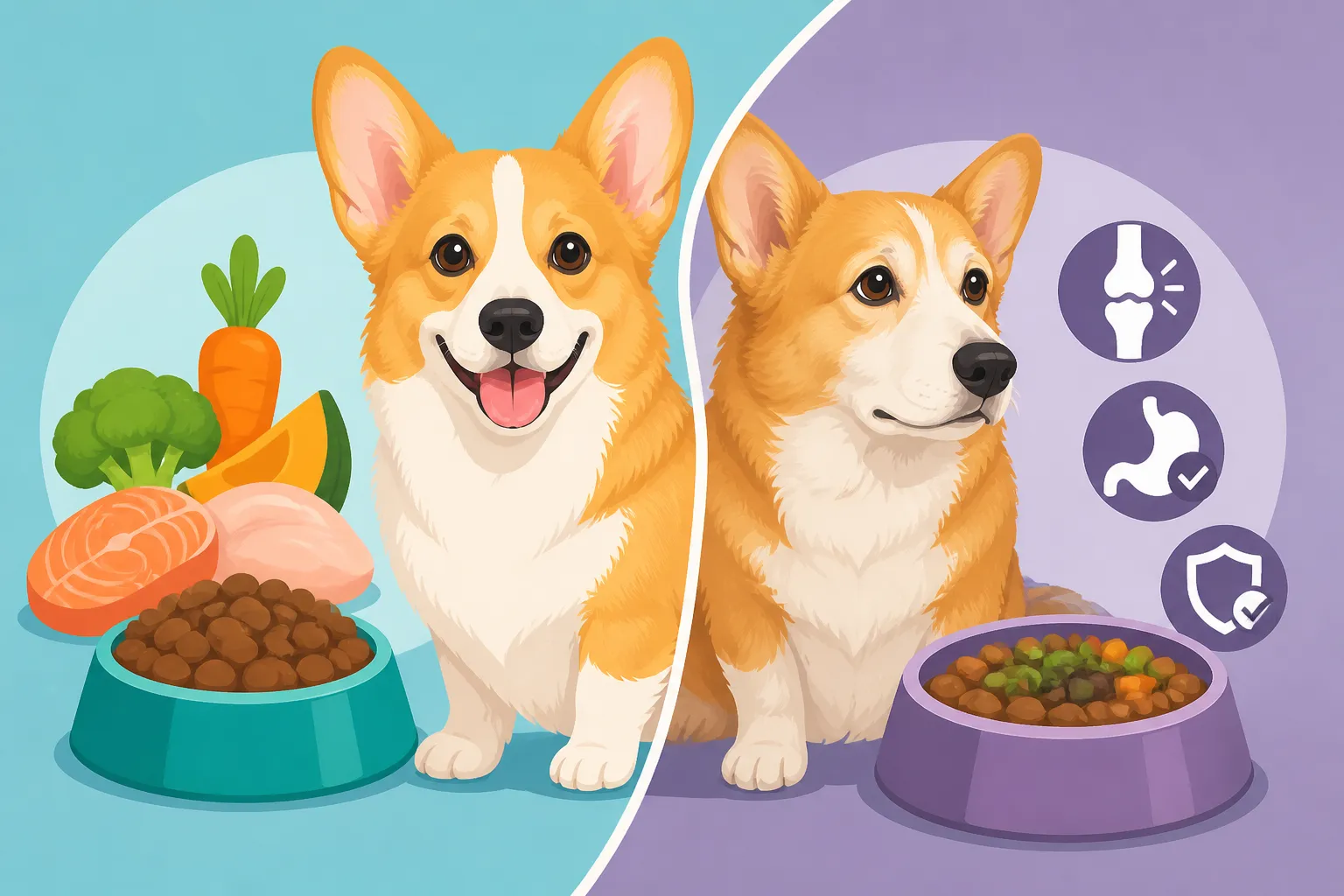
| Nutritional Aspect | Younger Adult Corgi (Approx. 1-8 years) | Senior Corgi (Approx. 9+ years) | Rationale for Change |
|---|---|---|---|
| Calorie Count | Moderate to High (to fuel active metabolism) | Lower (to prevent weight gain from slower metabolism) | Slower metabolism, decreased activity, obesity risk |
| Protein Level | Moderate to High (for muscle development/maintenance) | Moderate to High (for muscle mass preservation) | Prevent muscle wastage, support aging muscles |
| Fat Content | Moderate (for energy) | Lower (to reduce calories and prevent weight gain) | Reduced energy needs, propensity for weight gain |
| Fiber Content | Moderate | Higher (to aid digestion and regularity) | Increased risk of constipation, promote satiety |
| Joint Support | Optional/Preventative | Essential (glucosamine, chondroitin, Omega-3s) | Support aging joints, reduce inflammation |
| Antioxidants | Standard levels | Elevated (Vitamins E & C) | Boost immune function, combat cellular aging |
| Digestibility | Good | Highly digestible ingredients | Support sensitive digestive systems, improve nutrient absorption |
| Palatability | Generally good | Often enhanced (for picky eaters, scent/taste decline) | Combat decreased appetite or finicky eating habits |
| Dental Consideration | Less critical, some kibble benefit | More critical (softer textures, dental care) | Increased risk of Corgi Dental Disease, tooth loss |
Final Thoughts on Your Corgi's Golden Years Diet
Watching your Corgi age is a bittersweet journey. They might have a little more gray around the muzzle and a slower trot, but their loving spirit and charming personality remain. By understanding and proactively addressing their changing nutritional needs after nine years old, you're not just feeding them; you're investing in their comfort, health, and happiness during their golden years. This commitment to their well-being ensures that the bond you share continues to thrive, even as the years gently roll by.
Remember, every Corgi is an individual. What works perfectly for one might need slight tweaks for another. Always maintain open communication with your veterinarian, observe your Corgi closely, and adjust their diet as needed. A thoughtful, tailored approach to their senior nutrition will help your loyal companion enjoy these precious later chapters to the fullest. Consider this just one part of What Changes in a Corgi's Care After Ten.
Disclaimer
This article is for general informational purposes only and does not constitute professional advice. Laws, prices and regulations vary by location and change over time. Consult a qualified professional for guidance on your specific situation.