A Corgi That Barks the Whole Time You Are Out
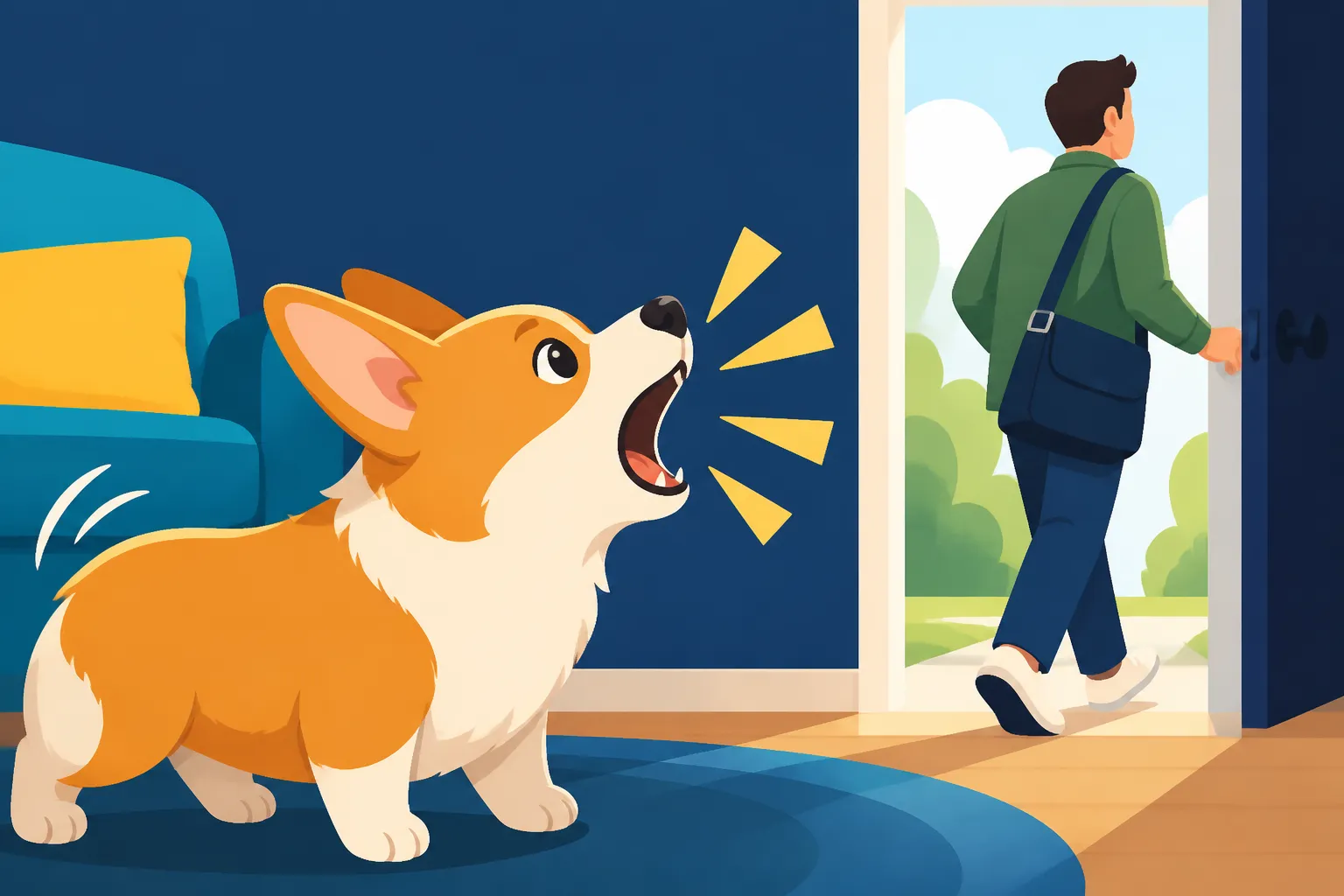
It’s a heart-wrenching and often incredibly frustrating situation: you pull out of the driveway, and before you’re even down the street, the barking starts. That insistent, sometimes frantic, sometimes just plain loud "woof, woof, woof" that tells you your beloved Corgi is anything but peaceful in your absence. This guide is here to help you understand why your Corgi might be barking nonstop when you're gone and, more importantly, to give you some real, actionable steps to bring some quiet back to your home and peace of mind to your Corgi.
Understanding Why Your Corgi Barks When You Leave
When your Corgi barks non-stop the moment you're out the door, it's never just "being naughty." There's always a reason rooted in their natural instincts, their emotional state, or their environment. Our job as Corgi parents is to become detectives and figure out what that underlying cause is. Knowing the "why" is the first critical step toward finding an effective solution.
Separation Anxiety Versus Isolation Distress
This is a really common point of confusion for many Corgi owners, and honestly, the terms are often used interchangeably, but there's a subtle yet important difference. Separation anxiety is a clinical condition, a true panic attack that a dog experiences when separated from its primary attachment figure. These Corgis aren't just sad; they're terrified. Symptoms often include destructive chewing, house-soiling, drooling, pacing, and, of course, frantic barking and howling, all of which only occur when the dog is left alone. It's not about being mad at you; it's about being in extreme distress.
On the other hand, isolation distress is a bit milder, though still very real for your Corgi. It's more about simply not liking being alone. Perhaps they're bored, or they feel insecure without their pack (you!) around, or they just crave company. They might bark, whine, or pace, but you might not see the full spectrum of panic-driven behaviors like destructive chewing of exit points (doors, windows) or extensive house-soiling. They just miss you and are expressing it vocally. The solutions might overlap, but understanding the nuance can help you gauge the intensity of the problem. Many Corgis, with their strong herding instincts and desire to be with their people, can lean towards one or both of these issues.
Boredom and Lack of Mental Stimulation
Let's be honest, Corgis are smart cookies. They were bred to work, to herd cattle, which means they're quick thinkers and need a job to do. If a Corgi is left alone with nothing but a comfy bed and a quiet house, it can get incredibly boring, incredibly fast. Imagine being stuck in an empty room with no phone, no book, no TV – after a while, you'd probably start talking to yourself or shouting out the window just for something to do!
For a Corgi, that "something to do" often manifests as barking. They might bark at dust motes, at shadows, at the refrigerator humming, or at the sound of a distant leaf blower. It's their way of creating their own entertainment, or perhaps alerting an imaginary herd to an imaginary threat. This kind of barking often sounds less distressed and more repetitive or even playful, but it's still disruptive and indicates a need that isn't being met. Providing appropriate mental stimulation is key here, something we'll dive into later.
Alert Barking and Environmental Triggers
Corgis, by their very nature as herding dogs, are vigilant. They're wired to alert their humans to anything perceived as unusual or threatening in their environment. This means they are often very attuned to sounds and sights outside the home. If your Corgi is barking at every squirrel, every delivery truck, every person walking past the window, or every distant siren while you're home, it's highly likely they're doing the same when you're not.
When you're out, they feel an even greater responsibility to "guard the fort." They might be barking at the mail carrier, the neighbor's dog, a bird landing on the feeder, or simply the sound of someone closing a car door down the street. This kind of barking is often sharp, repetitive, and directed outwards. It's their attempt to do their job – to warn you (even if you're not there) and to deter perceived intruders. This isn't usually a sign of distress, but rather a Corgi being a Corgi, doing what they feel they're meant to do. However, it can still cause a lot of issues with neighbors and stress for your dog. A Corgi That Barks at Every Passing Dog goes into more detail about managing these types of triggers.
Pinpointing the Specific Barking Triggers
Understanding the general categories of barking is one thing, but getting specific about your Corgi's individual triggers is where the real work begins. You can't fix a problem if you don't truly understand its nuances. This often requires a bit of detective work and some honest observation.
Recording Your Corgi's Behavior When Alone
This is probably the single most valuable tool you have in your arsenal. You think you know what your Corgi does when you're gone, but until you see or hear it, you're just guessing. Set up a camera (an old phone, a baby monitor, or a dedicated pet camera like those you can find on Amazon) before you leave. Place it where it has a good view of your Corgi's confinement area.
Record for at least an hour, or even longer if you're typically gone for extended periods. When you review the footage, pay close attention to:
- When the barking starts: Is it immediately after you leave, or does it build up over time?
- What kind of barking it is: Is it frantic and high-pitched (distress), deep and territorial (alert), or repetitive and monotone (boredom)?
- What else is happening: Is your Corgi pacing, drooling, trying to get out, chewing things, or just standing at the window?
- External sounds/sights: Does a specific sound (a car, a voice, a doorbell) trigger the barking, or does it seem random?
- Body language: Look for signs of stress like lip licking, yawning (when not tired), tense body, tucked tail, or dilated pupils.
This objective evidence will give you invaluable insights into whether you're dealing with separation anxiety, boredom, or environmental alert barking. It helps you distinguish between A Corgi That Cannot Settle Without You and a Corgi simply being overly vigilant.
Observing Your Corgi's Temperament and Routine
Your Corgi's baseline personality plays a huge role in how they react to being left alone. Is your Corgi generally a "velcro dog," always at your heels? Do they get particularly stressed during thunderstorms or fireworks? Do they have a strong drive to "herd" you or other family members? A Corgi with a more anxious or highly bonded temperament is more prone to separation-related issues.
Also, consider their daily routine. Are they getting enough exercise, both physical and mental, before you leave? A Corgi that's bursting with energy and hasn't had any mental engagement is a prime candidate for boredom barking. Think about how much stimulation they receive when you are home. If they're constantly interacting with you, then a sudden shift to complete solitude can be a shock. A quick, energetic walk or a vigorous play session before you depart can sometimes make a significant difference in their ability to settle. The Forty-Five Minutes a Corgi Needs Daily highlights the importance of consistent exercise.
| Barking Type | Common Triggers | Accompanying Behaviors | Sound/Tone |
|---|---|---|---|
| Separation Anxiety | Owner leaving, being alone. | Pacing, drooling, destructive chewing (exit points), house-soiling, trembling. | High-pitched, frantic, howling, whining. |
| Isolation Distress | Owner leaving, being alone. | Pacing, sometimes whining or pawing at door. | Repetitive, mournful, whiny, moderate intensity. |
| Boredom Barking | Lack of stimulation, quiet environment. | Pacing, self-grooming excessively, looking for something to do. | Monotone, repetitive, often directed at nothing obvious. |
| Alert/Territorial Barking | Sight/sound of people, animals, vehicles outside. | Standing at window/door, charging barriers, stiff body. | Sharp, loud, deep, warning barks. |
Practical Strategies to Reduce Out-of-Sight Barking
Once you've done your detective work, you can start implementing targeted strategies. Remember, consistency is absolutely key, and this isn't usually a quick fix. It takes patience and dedication.
Increasing Exercise and Mental Stimulation Before You Leave
A tired Corgi is a good Corgi, and a mentally satisfied Corgi is an even better Corgi when it comes to being left alone. Before you head out, make sure your Corgi has had a good physical and mental workout. This doesn't just mean a quick potty break.
For physical exercise, think about a brisk walk around the block, a session of fetch in the yard, or a visit to a dog park if that's appropriate for your Corgi. The goal is to burn off some of that abundant Corgi energy. Then, layer on mental stimulation. This could be a short training session where you practice commands like "sit," "stay," and "down," or engaging them with a puzzle toy filled with part of their meal. Scentwork as a Sport That Spares a Corgi's Back is an excellent way to provide mental enrichment without heavy physical impact.
The idea is that by the time you leave, they're physically tired and mentally fulfilled, making them far more likely to settle down for a nap rather than pacing and barking. For puzzle toys, consider robust options that you can load with kibble or treats, readily available on Amazon. Brands like Kong or LickiMats are great for this.
Creating a Safe and Comforting Environment
Your Corgi's "alone zone" needs to be a place of comfort and security, not a prison.
- Comfortable Bedding: Provide a soft, supportive bed where they can relax.
- Familiar Scents: Leave a piece of your unwashed clothing (like an old T-shirt) in their bed. Your scent can be incredibly reassuring.
- White Noise/Music: A radio or a white noise machine can help mask external sounds that trigger alert barking. There are even calming dog-specific music playlists available on streaming services.
- Visual Barriers: If alert barking at windows is an issue, close blinds or curtains, or use window film to block their view of the outside world. This reduces visual triggers significantly.
- Enrichment Toys: Always leave them with safe, engaging chew toys or puzzle feeders to keep their minds occupied. A frozen Kong stuffed with peanut butter or plain yogurt can keep them busy for a good chunk of time. Remember to factor these into their daily calorie intake, as Cutting Calories While a Corgi Is Confined is important for their long-term spinal health.
The goal is to make their alone time as stress-free and enjoyable as possible.
Desensitization and Counter-Conditioning for Departures
This is where you address the actual act of you leaving. Many Corgis start to get anxious the moment they see you grab your keys or put on your shoes. You need to break that association.
- Practice "Fake" Departures: Start by doing your departure routine (grabbing keys, putting on coat, opening door) but don't actually leave. Just do it, then sit back down. Repeat this multiple times a day until your Corgi barely reacts.
- Short Absences: Once they're desensitized to your departure cues, start leaving for very short periods – literally seconds at first. Step outside, close the door, and come right back in. Gradually increase the duration: 30 seconds, 1 minute, 2 minutes, and so on. Only increase the time if they remained quiet and calm. If they barked, shorten the next duration.
- Calm Departures and Arrivals: Make your goodbyes and hellos very low-key. No big fuss or emotional farewells, as this can heighten anxiety. A simple "Be good, I'll be back" is sufficient. When you return, ignore them for a minute or two until they've calmed down, then offer a calm greeting. This teaches them that your departure isn't a big deal and your return is predictable.
- Positive Association: Before you leave, give your Corgi a special, high-value chew toy or puzzle feeder that they only get when you're leaving. This helps create a positive association with your absence.
For more in-depth training resources, online platforms like BAXTER & Bella offer comprehensive programs that can guide you through these desensitization steps systematically. They often provide video tutorials and expert advice for various behavioral challenges, including separation anxiety.
Managing Environmental Triggers and Alert Barking
If your recording showed that your Corgi is primarily alert barking at outside stimuli, then management is key.
- Block the View: As mentioned, closing curtains, using frosted window film, or even placing a tall baby gate (available on Amazon) to block access to a window can be very effective. Ramps, Gates and Steps for a Corgi House can offer great solutions here.
- Sound Masking: Use a white noise machine, a fan, or play calming music to drown out external noises.
- "Quiet" Command: Teach your Corgi a "quiet" command when you are home. When they bark at a trigger, let them bark once or twice, then say "Quiet" and reward them immediately when they stop. This takes time and consistency, but it can eventually transfer to when you're away if practiced diligently.
- Reduce Access: Consider confining your Corgi to a room where there are fewer windows or less direct exposure to outside sounds when you're gone. A den-like crate (properly introduced and comfortable) can also provide a sense of security and reduce exposure to triggers. Just ensure it's a positive space for them. Keeping a Crated Corgi Sane offers great advice on making crate time a positive experience.
Remember that Corgi Barking and How Much Is Normal depends heavily on their personality and environment, but excessive barking while alone is usually a sign something needs addressing.
When to Call in the Professionals for Persistent Barking
Sometimes, despite your best efforts, the barking persists, or perhaps you're dealing with severe separation anxiety where your Corgi is truly suffering. That's when it's time to bring in the big guns. There's no shame in seeking professional help; it shows you're a dedicated pet parent who wants the best for your Corgi.
Recognizing the Need for a Certified Professional Dog Trainer or Behaviorist
If you've tried the above strategies consistently for several weeks and see little to no improvement, or if your Corgi is exhibiting extreme distress (self-harm, constant house-soiling, intense destructive behavior specifically related to trying to escape), it’s definitely time to get professional eyes on the situation.
A certified professional dog trainer, particularly one specializing in separation anxiety, can help you develop a tailored behavior modification plan. They can interpret your video recordings, observe your Corgi's subtle body language, and guide you through advanced desensitization and counter-conditioning protocols. A good trainer will use positive reinforcement methods and focus on addressing the root cause of the anxiety, not just suppressing the symptoms. For severe cases, a Veterinary Behaviorist (a vet with specialized training in animal behavior) might be recommended, as they can also prescribe medication to help manage the anxiety in conjunction with behavior modification. This can be a game-changer for Corgis experiencing true panic.
Exploring Medication and Supplement Options
For Corgis with severe separation anxiety, medication can be a crucial part of the treatment plan, but it should always be used in conjunction with a behavior modification program, not as a standalone solution. Think of it like this: if you had a broken leg, you wouldn't just take pain meds and then try to run a marathon. You'd need the cast, physical therapy, and the pain meds.
Medications, often anti-anxiety drugs, can help reduce your Corgi's overall anxiety levels, making them more receptive to training and less likely to fall into a full-blown panic. This allows them to learn new, calmer behaviors when you're gone. This is always done under the guidance of a veterinarian or a veterinary behaviorist. There are also various calming supplements available (some even found on Amazon) that contain ingredients like L-theanine or tryptophan, which might help some dogs with milder anxiety. Discuss these options thoroughly with your vet to see if they are appropriate for your Corgi.
Discussing Management and Lifestyle Adjustments
Sometimes, especially with severe cases, you might need to make significant lifestyle adjustments to accommodate your Corgi's needs.
- Doggy Daycare: If your Corgi loves other dogs and being around people, a reputable doggy daycare can be an excellent solution. They get supervision, exercise, and socialization, preventing them from being alone all day. This is a great way to ensure they aren't A Corgi That Objects Loudly to Confinement at home.
- Pet Sitter/Walker: Hiring a pet sitter to come in during the day or a dog walker to give them a mid-day break can make a huge difference, especially for longer absences. It breaks up their alone time and provides valuable human interaction.
- Adjusting Your Schedule: If possible, consider adjusting your work schedule to be home more, or explore options like working from home a few days a week. Even slight changes can dramatically improve your Corgi's well-being.
- Enlisting Help: If you have friends or family nearby who your Corgi trusts, they might be able to pop in for a visit, offering companionship and a bathroom break.
Understanding Whether a Corgi Suits Shared Walls is crucial here, as persistent barking can lead to serious neighbor complaints. While these solutions might involve extra cost or effort, the peace of mind for both you and your Corgi is invaluable. Remember, a happy, quiet Corgi is worth every bit of investment.
Disclaimer
This article is for general informational purposes only and does not constitute professional advice. Laws, prices and regulations vary by location and change over time. Consult a qualified professional for guidance on your specific situation.