How Much Running Is Safe for a Corgi
It’s a common sight: a Corgi tearing across the lawn, legs a blur, ears flapping, a look of pure joy on their face. These energetic little herders seem built for speed, and their enthusiasm for a good run is infectious. But as responsible Corgi guardians, we carry the worry of their unique physique – those short legs and that long, distinctive back. Knowing precisely how much running is truly safe for your Corgi without inadvertently putting them at risk of injury can feel like a constant balancing act. This guide aims to unpack the specifics of Corgi exercise, offering realistic advice on safe running and vital alternatives.
The Corgi Physique: Built for Bursts, Not Marathons
Corgis are captivating dogs, but their charming, low-slung appearance isn't just for looks; it's a direct result of a genetic trait called chondrodystrophy, a form of dwarfism that affects cartilage growth. While it gives them their iconic short stature, it also means their skeletal structure is inherently different from longer-limbed breeds. This difference is paramount when we talk about exercise, especially running. Their long backs, supported by those stubby legs, are simply not designed for the sustained impact and repetitive motions of long-distance running or vigorous, uncontrolled play.
Understanding Chondrodystrophy and Spinal Vulnerability
The most significant implication of chondrodystrophy for Corgis is their predisposition to Intervertebral Disc Disease (IVDD). Their spinal discs, which act as cushions between the vertebrae, are more prone to degeneration and herniation than in other breeds. Each jarring step, each leap, each sudden twist adds micro-trauma to these already vulnerable discs. Imagine trying to run a marathon with a long, flexible pole as your spine, supported by very short stilts – it's a recipe for disaster. This is why understanding What Chondrodystrophy Means for a Corgi is so crucial for every owner. Their conformation means that even seemingly minor impacts can contribute to serious spinal issues over time.
Short Legs, High Impact
It might seem counterintuitive, but those adorable short legs actually mean more steps are required to cover the same distance as a longer-legged dog. More steps mean more repetitive impact on their joints and spine. While a Corgi can certainly put on an impressive burst of speed, this is more akin to a sprint than a sustained jog. These short bursts are part of their herding heritage, allowing them to dart in and out of cattle, avoiding kicks. However, asking them to maintain a steady, prolonged pace on a run places disproportionate stress on their front and hind limbs, and particularly their back. There's less natural shock absorption across their entire frame, making them less resilient to the cumulative effects of continuous high-impact activities.
Defining 'Safe' Running for Your Corgi
So, does this mean your Corgi can never run? Absolutely not! It means we need to redefine what "running" looks like for them. Their natural instincts include quick bursts of speed, chasing, and engaging in short, intense play. The key is moderation, appropriate surfaces, and understanding their physical limits. Think of them as sprinters and agility stars, not endurance athletes.
Pacing, Duration, and Appropriate Surfaces
Safe running for a Corgi typically involves short, controlled bursts. This might look like a few minutes of fetch in the park, where they get to sprint and chase, followed by a cool-down period. Avoid turning these sessions into prolonged, strenuous workouts. A general guideline for puppies is about five minutes of exercise per month of age, twice a day, until they reach maturity. For adult Corgis, a 15-20 minute session of active, playful running (not sustained jogging) once or twice a day, interspersed with walks, is often ample. Always start with a gentle warm-up walk and end with a slow cool-down.
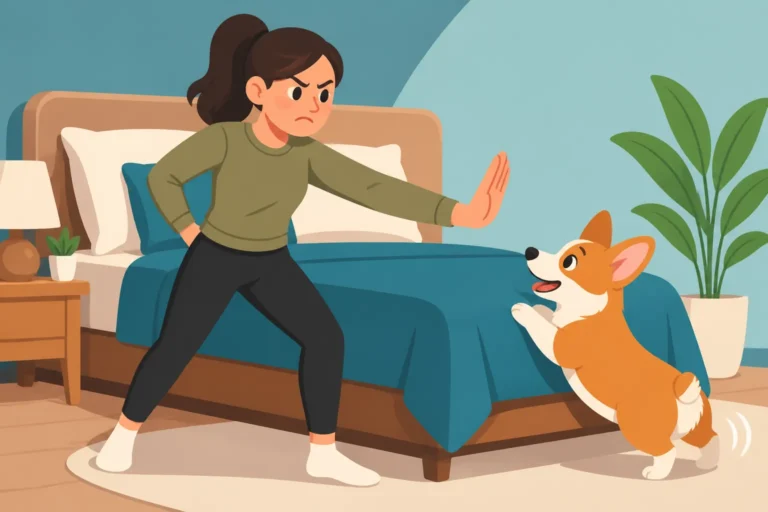
When it comes to surfaces, grass, dirt trails, or packed earth are your best friends. These surfaces provide natural cushioning, absorbing some of the impact that concrete or asphalt would amplify. Running on hard surfaces, especially for extended periods, significantly increases the stress on their joints and spine. Avoid steep inclines or declines, as these can put awkward pressure on their long backs. And speaking of avoiding harsh impacts, it's vital to prevent activities like jumping off furniture. Even a seemingly small drop can have significant long-term consequences, highlighting why Whether a Corgi Should Ever Jump Off a Sofa is a crucial consideration for Corgi owners.
Gear for Safe Movement
Selecting the right gear is also part of ensuring safe activity. A well-fitting harness is paramount for Corgis, as it distributes pressure across their chest and shoulders rather than placing it on their delicate neck and spine, unlike a traditional collar. This is especially important during any activity that might involve pulling or sudden movements. You want to make sure the harness does not put any pressure on their throat or back. Considerations like Whether a Corgi Should Wear a Harness Not a Collar are not just about comfort, but about long-term spinal health. Additionally, consider investing in orthopedic beds or sturdy ramps from retailers like Amazon to minimize jumping, or explore harnesses designed to distribute pressure away from the spine during walks. These small adjustments can make a big difference in preventing injuries down the road.
Alternatives to High-Impact Running for a Thriving Corgi
While limited, controlled running has its place, the bulk of your Corgi's physical and mental stimulation should come from lower-impact activities. These alternatives not only keep them physically fit but also engage their sharp minds and strong herding instincts in safer ways. A bored Corgi is often a mischievous Corgi, and channeling their energy appropriately is key to a happy, healthy companion.
Engaging Their Minds and Bodies Safely
Scent work is a fantastic alternative that taps into a Corgi's natural hunting and tracking abilities without putting undue stress on their body. Hide treats or toys around the house or yard and let their powerful noses do the work. This mental exercise can be just as tiring as a physical run, often more so! Puzzle toys and interactive feeders also provide excellent mental stimulation, making them work for their meals and preventing boredom. For more structured mental stimulation and trick training, which can be adapted to be low-impact, look into online training platforms like BAXTER & Bella. They offer fantastic resources for trick training, obedience, and even beginner scent work, all from the comfort of your home, helping you keep your Corgi engaged without risking their back. Exploring activities like Scentwork as a Sport That Spares a Corgi's Back can truly transform your Corgi's exercise routine.
Controlled Physical Activities
Brisk, regular walks are the cornerstone of a Corgi's physical fitness. These should be on a leash, allowing you to control the pace and duration. Incorporate short bursts of faster walking or gentle trots on soft surfaces. Swimming is another excellent, low-impact exercise that builds muscle tone without stressing joints. If you have access to a safe pool or calm body of water, supervised swimming can be a wonderful activity. Many veterinary rehabilitation centers even offer Hydrotherapy for a Corgi Recovering From Surgery or for general fitness, which provides a controlled environment for aquatic exercise.
Crucially, integrating ramps and steps throughout your home can drastically reduce the wear and tear on your Corgi's spine. Instead of letting them jump on and off the sofa or bed, teach them to use a ramp. This proactive measure, covered in detail in posts like Ramps and Steps That Save a Corgi's Back, is one of the most impactful things you can do to protect their long-term spinal health.
Recognizing Red Flags: When to Pump the Brakes
Being attuned to your Corgi's body language and physical cues is critical, especially after any physical activity. Corgis are stoic by nature, and they may try to mask pain, so it's up to us to notice subtle changes. Ignoring warning signs can quickly turn a minor strain into a serious injury, with long-lasting consequences.
Signs of Pain or Injury
After any exercise, observe your Corgi closely. Look for limping, stiffness, a reluctance to move, or difficulty getting up or lying down. A sudden yelp when touched, lifted, or making a specific movement is a clear sign of acute pain. Changes in their gait, such as a slight drag of a back foot or their back legs crossing over each other, can indicate spinal discomfort or nerve issues. Posts like A Corgi That Scuffs Its Back Nails highlight that these subtle changes often precede more severe problems. You might also notice them struggling to climb stairs, or crying when lifted under the chest. These are not just signs of a tired dog; they are distress signals that demand your attention.
Overheating and Environmental Risks
Corgis have a dense double coat that, while providing insulation in cold weather, can make them prone to overheating in warmer temperatures. During exercise, especially running, their body temperature can rise quickly. Watch for excessive panting, drooling, lethargy, or a glazed look in their eyes. Always provide plenty of fresh water and avoid strenuous exercise during the hottest parts of the day. Understanding How a Corgi Handles Hot Weather is essential for their safety. Furthermore, always be mindful of the surfaces they're on; hot pavement can burn their paw pads, while slippery floors in the home can lead to dangerous slips and falls that twist their spines. Making changes like those described in Flooring Changes a Corgi Owner Makes can prevent many common household accidents.
If you observe any of these red flags, stop the activity immediately. If the symptoms are sudden or severe – for example, if your Corgi suddenly collapses, can't move their back legs, or cries out intensely – it's an emergency. These could be Emergency Signs of a Corgi Disc Injury and warrant immediate veterinary attention. Do not try to "walk it off" or wait to see if it improves. Prompt action can make a significant difference in the outcome of spinal injuries.
Tailoring Exercise to Your Corgi's Life Stage and Health
Just like us, a Corgi's exercise needs and capabilities evolve throughout their life. What's safe and appropriate for a rambunctious puppy won't be suitable for a senior dog, or a Corgi carrying a few extra pounds. A personalized approach, informed by your vet and careful observation, is always best.
From Puppyhood to Adulthood: Gradual Progression
Corgi puppies are bundles of boundless energy, but it's crucial to resist the urge to over-exercise them. Their bones and joints are still developing, and too much high-impact activity can cause irreversible damage. Stick to short, controlled play sessions and brief walks on soft surfaces. Avoid forced running, long hikes, or vigorous play with much larger dogs. As they grow into adulthood, you can gradually increase the duration and intensity of their safe activities, always mindful of their unique physical limitations. The goal during puppyhood is to build a strong, healthy foundation without pushing their developing bodies too hard.
Adult Corgis: Maintaining Ideal Weight and Muscle Tone
For adult Corgis, maintaining an ideal body weight is perhaps the single most important factor in protecting their spine. Every extra pound puts additional strain on their discs and joints, significantly increasing the risk of IVDD and other mobility issues. A healthy adult Corgi should have a visible waist and you should be able to easily feel their ribs without pressing hard. This is where The Body Condition Score a Corgi Should Hold comes into play. If your Corgi is overweight, focusing on a controlled diet and appropriate, low-impact exercise for weight loss is paramount. You can dive deeper into this topic in Why Corgi Weight Is a Spinal Problem. Regular, consistent exercise helps build and maintain the core muscles that support their spine, but always prioritize quality over quantity and safety over strenuous activity.
Senior Corgis: Gentle Care and Continued Engagement
As Corgis enter their senior years – typically around 8-10 years old, as discussed in When a Corgi Starts Being Treated as Old – their activity levels will naturally decrease, and they may start to experience age-related stiffness or arthritis. The focus for senior Corgis shifts to gentle, consistent movement to maintain flexibility and muscle mass without causing pain. Short, slow walks, controlled swimming, and gentle stretching can be beneficial. Avoid any activities that involve sudden twists, jumps, or prolonged standing. Provide comfortable, orthopedic bedding and ensure easy access to all their favorite spots with ramps. Discuss pain management options with your veterinarian, as medications or supplements can significantly improve their quality of life, allowing them to remain active and comfortable into their golden years. This proactive approach to their comfort is often explored when considering Pain Relief for an Old Corgi's Back.
| Activity Type | Safety for Corgis | Notes |
|---|---|---|
| Short Sprints/Fetch | Safe (with caveats) | Limit to 5-10 minutes on soft grass, avoid repetitive hard stops/turns. Always warm up and cool down. |
| Long-Distance Jogging | Unsafe | High risk for spinal and joint injury due to repetitive impact. Corgis are not built for endurance. |
| Steep Hikes/Stairs | Unsafe | Puts extreme stress on the spine. Use ramps or carry them for stairs. Avoid difficult terrain. |
| Swimming (Controlled) | Safe (Excellent!) | Non-weight bearing, builds muscle. Ensure a life vest for safety and easy entry/exit. |
| Brisk Leashed Walks | Safe (Essential) | Daily walks on varied, soft terrain are crucial for fitness. Control pace and duration. |
| Agility (Modified) | Moderate Risk | Can be safe if jumps are lowered and weaves are wide. Avoid high-impact obstacles. Consult a vet or experienced trainer. |
| Scent Work/Puzzle Toys | Safe (Highly Recommended) | Excellent mental stimulation and low-impact physical activity. Taps into natural instincts. |
| Jumping on/off Furniture | Unsafe | High risk for acute disc injury. Provide ramps or lift them. |
| Rough Play with Large Dogs | Unsafe | Risk of accidental injury from larger, heavier dogs, especially to the spine. Supervise play closely or avoid entirely. |
Ultimately, understanding your Corgi's unique build and tailoring their exercise routine accordingly is key to a long, healthy, and happy life together. It's about smart exercise, not strenuous exercise.
Disclaimer
This article is for general informational purposes only and does not constitute professional advice. Laws, prices and regulations vary by location and change over time. Consult a qualified professional for guidance on your specific situation.