Ramp Training a Corgi to the Sofa
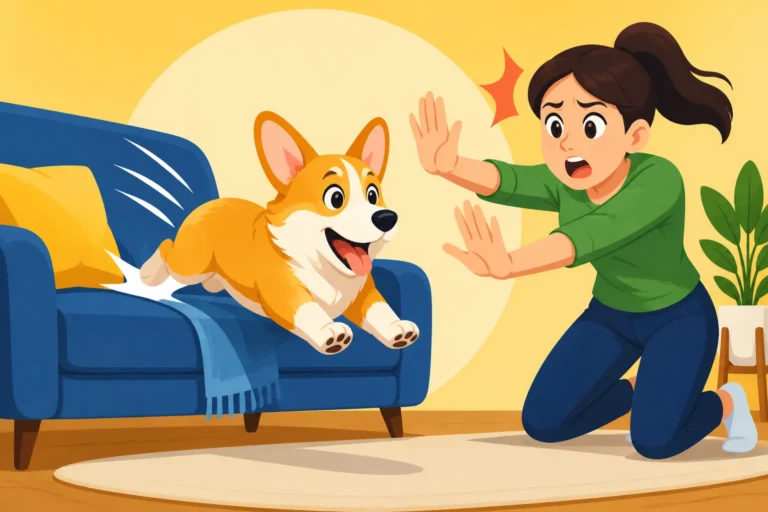
As Corgi parents, we've all seen that moment: our beloved short-legged companion launching themselves off the sofa with surprising gusto, or perhaps hesitating on the edge, debating the leap. While it might seem adorable or just part of their quirky charm, these jumps can be incredibly detrimental to their delicate, long backs, leading to serious and painful injuries. This guide is here to help you navigate the simple, yet crucial, process of ramp training your Corgi, turning potential injury into safe, confident navigation of your home.
Why Sofa Ramps are a Corgi's Best Friend (and a Back Saver)
Our Corgis are built low to the ground with those iconic long bodies, a design that's perfect for herding cattle by nipping at their heels but not so great for repetitive high-impact activities. When we allow them to constantly jump on and off furniture, we're putting immense strain on their spines, often without even realizing the silent damage that might be occurring.
The Hidden Dangers of Sofa Jumps
Think about the physics for a moment. A Corgi's body is designed with a relatively long back supported by those short legs. When they jump down from a sofa, even one that seems low to us, their spine absorbs the impact. It's like a spring compressing rapidly. Over time, or with one wrong landing, this compression can cause the discs between their vertebrae to bulge, slip, or even rupture entirely. We often hear a sudden yelp and rush to our Corgi's side, only to find them favoring a leg or refusing to move. That could be the tell-tale sign of a painful disc injury.
These are the same kinds of issues we associate with Disc Disease in a Long-Backed Corgi, and allowing uncontrolled jumping significantly escalates the risk. It's not just about one dramatic fall; it's the cumulative stress from hundreds, even thousands, of small jumps over their lifetime. Even if your Corgi seems agile now, the wear and tear can build up, leading to mobility issues later in life. Imagine if every time you stepped off a curb, you jarred your spine—you wouldn't do it willingly, and neither should our Corgis, especially when there's an easy alternative. The consequences can be heartbreaking, potentially leading to paralysis and an agonizing recovery or even permanent disability.
Early Prevention for a Lifetime of Comfort
The best time to start ramp training a Corgi is before they develop any bad habits or, ideally, as soon as they come home as a puppy. It's much easier to teach a Corgi the "right" way to get on and off furniture from the start than it is to break a deeply ingrained habit. If your Corgi has already been jumping for years, don't despair! It’s absolutely possible to retrain them, but it might take a bit more patience and consistency on your part.
Starting early means you can proactively safeguard their back, avoiding those terrifying emergency vet visits that often follow a sudden spinal injury. It's an investment in their long-term health and your peace of mind. By establishing the ramp as the only acceptable way to access elevated surfaces, you're not just preventing injury; you're building a foundation of healthy habits. This early intervention can literally add years of comfortable mobility to their lives. It's also part of a larger strategy to protect their unique physique, similar to the advice in Teaching a Corgi Not to Jump Off Furniture. You're teaching them a safe alternative rather than just a "no."
Choosing the Right Ramp for Your Home and Your Corgi
Once you’re on board with ramp training, the next step is selecting the right equipment. This isn't a one-size-fits-all situation, and what works for one Corgi or home might not be ideal for another. Taking the time to pick the perfect ramp will make the training process smoother and ensure your Corgi actually wants to use it.
Key Features to Look for in a Corgi-Friendly Ramp
When you start looking, you’ll notice a huge variety of pet ramps out there. For a Corgi, specific features are paramount:
- Height and Incline: The ramp needs to be tall enough to reach the top of your sofa comfortably, but crucially, it shouldn't be too steep. A gentle incline is essential for a Corgi's short legs and long back. If it's too steep, they'll be hesitant, or worse, they might struggle and still put strain on their joints. Look for ramps designed specifically for small to medium dogs, as those for larger breeds might be too steep.
- Surface Grip: This is non-negotiable. A slippery ramp is a dangerous ramp. Look for surfaces covered in carpet, rubberized treads, or a non-slip fabric. This provides traction for their little paws, preventing slips and falls, which can be traumatic and make them fearful of the ramp.
- Stability: A wobbly ramp will scare your Corgi and undermine all your training efforts. The ramp needs to be sturdy and stable, not shifting or creaking when they put their weight on it. If it slides on your floor, invest in some non-slip pads for its base. You want them to feel completely secure walking on it.
- Width: A wider ramp offers more confidence and space for your Corgi to maneuver. While Corgis aren't huge, a narrow ramp can feel precarious.
- Material and Aesthetics: Ramps come in various materials like wood, plastic, or carpeted composite. Wooden ramps often offer a more aesthetic blend with home decor, while plastic can be lighter and easier to move. Consider what fits your home's style and your practical needs. Remember, a ramp is an important piece of safety equipment, so functionality should always come first, but there are many options on places like Amazon that balance both form and function, so you don't have to sacrifice your living room's look entirely.
You might even want to consider ramps with adjustable heights or those that fold for storage, especially if you need to move them between rooms or take them with you when traveling. The goal is to make the ramp an inviting and effortless path.
Placement and Integration into Your Living Space
Where you place the ramp is almost as important as the ramp itself. It needs to be easily accessible and feel like a natural extension of the furniture it serves.
- Strategic Positioning: Place the ramp directly against the sofa, chair, or bed your Corgi most frequently uses. Ensure it’s aligned straight, without any gaps that a paw could slip into. If your Corgi has a favorite spot on the sofa, angle the ramp so it leads directly to that area, making it the path of least resistance.
- Making it Natural: Don't just plonk the ramp down and expect your Corgi to understand. Make it feel like it belongs. You might want to place their favorite blanket or a toy they love near the top of the ramp on the sofa, creating an incentive to use it. If you have multiple pieces of furniture they like to access, consider investing in multiple ramps. Consistency is key here. Every elevated surface your Corgi uses should have a ramp. This includes beds, which can be even higher and more dangerous than sofas. For more ideas on how to outfit your home, check out Ramps and Steps That Save a Corgi's Back.
The more seamlessly the ramp integrates into your daily life, the more readily your Corgi will adopt it. It shouldn't feel like a chore for you or a strange obstacle for them.
Step-by-Step Guide to Ramp Training Your Corgi
Training your Corgi to use a ramp requires patience, positive reinforcement, and a bit of understanding about their independent nature. Remember, Corgis are smart but can also be stubborn, so a gentle, consistent approach is best.
Making the Ramp a Positive Experience
The absolute golden rule of ramp training is to make it fun and rewarding. Never force your Corgi onto or off the ramp, as this can create a negative association and make them fearful. Instead, think of it as a game where the ramp leads to good things!
- High-Value Rewards: Arm yourself with your Corgi's absolute favorite treats. These should be small, soft, and irresistible. Think tiny pieces of cooked chicken, cheese, or specialized training treats. The higher the value, the greater the motivation.
- Start on Flat Ground: Don't introduce the ramp at full incline right away. If your ramp folds or can be laid flat, start there. If not, lay it flat on the floor or a very low surface. This allows your Corgi to get used to the texture and feel of walking on it without the added challenge of an incline. Let them sniff it, walk around it, and reward them for any positive interaction, even just a curious glance.
- Lure with Treats: Hold a treat at the end of the ramp and encourage them to walk across. As they take a step or two, say "Good!" or "Yes!" in an excited voice and give the treat. Repeat this many times until they are confidently walking the length of the flat ramp.
- Introduce Toys: Some Corgis respond better to toys than treats. Roll a favorite toy up or down the ramp (when flat) to encourage them to follow it. This turns it into play, making the experience even more positive. Many online dog training programs, like those offered by BAXTER & Bella, emphasize positive, play-based methods which work wonderfully for Corgis.
Consistency is key here. Short, frequent training sessions (5-10 minutes) several times a day are far more effective than one long, tedious session. Always end on a positive note, even if it's just for a small success.
The Gradual Introduction Technique
Once your Corgi is comfortable walking on the ramp when it's flat, you can start introducing the incline. This is where patience really comes into play.
- Slight Incline First: Prop one end of the ramp onto a very low step, a thick book, or a low ottoman. The goal is to create the barest hint of an incline. Repeat the luring process: hold a treat at the top of the ramp, encourage them to walk up, and reward heavily when they do.
- Increase Height Incrementally: Over several days, or even weeks, gradually increase the height of the ramp until it reaches the sofa. Take it one small step at a time. If at any point your Corgi seems hesitant or fearful, go back to the previous, easier step and build their confidence again.
- Down is as Important as Up: Once they are confidently going up, you must train them to go down the ramp as well. Many Corgis find going down more intimidating. Lure them down the same way you lured them up, rewarding each successful step.
- Practice Makes Perfect: Once the ramp is at full height, practice going up and down multiple times in each session. Always use your cue word (like "ramp" or "up") as they ascend and descend, and always reward. Make it a habit that every time they want to get on or off the sofa, they use the ramp.
- Remove Alternatives: This is crucial. Block off any other way your Corgi might try to get on or off the furniture. Use baby gates or even large cushions to make jumping impossible. They need to understand the ramp is the only option.
| Stage of Training | Action | Key Focus | Reward Strategy |
|---|---|---|---|
| Introduction | Lay ramp flat on the floor. | Familiarization with texture and presence. | Treat for sniffing, walking over. |
| Low Incline | Prop ramp on a very low step. | Building confidence with minimal elevation. | Lure up with treat, enthusiastic praise. |
| Mid-Incline | Gradually increase height to medium level. | Practicing ascent/descent on a growing slope. | Frequent treats for full traverses, both directions. |
| Full Height to Sofa | Ramp placed securely against the sofa/bed. | Solidifying ramp use for actual furniture access. | High-value treats for consistent use, both ways. |
| Consistency | Regular use, remove jumping alternatives. | Reinforcing ramp as the only option for furniture. | Random treats, verbal praise, access to comfort. |
Troubleshooting Common Corgi Challenges
It's rare for a Corgi to master ramp use overnight. You'll likely encounter a few bumps along the way, and that's totally normal.
- Fear of the Ramp: If your Corgi outright refuses to approach the ramp, it might be too steep, too wobbly, or the surface might feel strange. Re-evaluate your ramp choice. Go back to square one, letting them explore it on flat ground, covering it with a familiar blanket, and feeding them treats near the ramp, not just on it. You can even try placing their food bowl at the bottom or top of the ramp (when flat) to encourage positive association.
- Ignoring the Ramp and Jumping Anyway: This is a classic Corgi move – they know what you want, but they'll try to find an easier way! This is where consistency and blocking alternatives become critical. If they jump off, gently but firmly guide them back to the ramp and restart the process. Don't scold, just redirect. You might even have to block off access to the furniture entirely for a short period if they absolutely refuse the ramp. Remember, Asking a Corgi to Wait for a Lift can be a valuable command in these situations, buying you time to redirect them.
- Rushing Up or Down: Some Corgis will try to run up or down the ramp, which can still put strain on their backs. Teach them to slow down by placing treats strategically along the ramp, making them pause and take each step deliberately. You can also use a leash to gently guide their pace during training, ensuring a slow, controlled ascent and descent.
- "What's in it for me?" Mentality: Corgis are very food-motivated. If your treats aren't exciting enough, they won't put in the effort. Experiment with different high-value treats to find their ultimate motivator. Make training sessions short, fun, and always end with success and a big reward.
Remember, every Corgi is an individual. What works quickly for one might take longer for another. The key is never to give up, stay patient, and keep those training sessions positive and rewarding.
Maintaining Good Habits and Corgi Back Health Beyond the Ramp
Getting your Corgi to use the ramp consistently is a huge achievement, but it's not the end of the journey. Protecting their precious back is a lifelong commitment that involves consistent habits and a holistic approach to their well-being.
Consistency is Your Corgi's Best Friend
Once your Corgi is ramp-trained, the most important thing is consistency. This means every single time they want to get on or off a sofa, a bed, or any elevated surface, they must use the ramp. One slip-up, one allowed jump, and you risk undermining all your hard work and confusing your Corgi.
- Family Buy-In: Ensure every member of the household, including children and visitors, understands the rule: "Corgi uses the ramp." Everyone needs to be on the same page. If someone lets your Corgi jump, it sends mixed signals and makes training much harder. It's vital that everyone is consistent.
- Ramps in All Key Areas: If your Corgi spends time in different rooms or has access to multiple pieces of furniture, you may need multiple ramps. Think about the bed, the living room sofa, perhaps even an armchair they love. If a ramp isn't available, the furniture should be inaccessible.
- Reinforce Regularly: Even after they're proficient, occasionally reward your Corgi for using the ramp correctly. A quick "Good ramp!" and a small treat will help reinforce the behavior, reminding them that this safe choice is always appreciated. It helps them to understand that this is the expected behavior, not just a temporary training exercise. Understanding Whether a Corgi Understands Its Own Back might be a stretch, but they certainly understand routines and rewards.
Holistic Approaches to Spinal Well-being
Ramp training is a critical piece of the puzzle, but it's part of a larger picture of Corgi spinal health. Combining ramp use with other preventive measures will give your Corgi the best chance at a long, healthy, and pain-free life.
- Weight Management: An overweight Corgi carries extra strain on their spine, exacerbating the risk of disc issues. Maintaining a healthy weight is paramount. Work with your vet to determine the ideal body condition score for your individual Corgi and stick to a measured feeding plan. For more on this, see Feeding a Corgi So Its Spine Carries Less. Every extra pound puts undue stress on those crucial discs.
- Appropriate Exercise: Corgis need regular, moderate exercise to keep their muscles strong and support their spine. This includes walks, playtime, and mental stimulation. However, avoid high-impact activities like excessive jumping (off objects, not just furniture), roughhousing with large dogs, or agility exercises that involve significant leaps, as this can be risky for their backs. Gentle, consistent activity is key, and be mindful of advice like that found in Whether Agility Is Safe for a Corgi's Spine.
- Safe Handling: Always support your Corgi's full body when lifting them. Avoid picking them up by just their front legs or under their chest, which leaves their long back unsupported. Instead, place one hand under their chest and the other under their hindquarters, keeping their spine horizontal and supported. This simple act of care can prevent accidental twists or strains, as detailed in Picking a Corgi Up Without Hurting It.
- Supportive Bedding: Invest in an orthopedic dog bed that provides firm, even support for your Corgi's spine. A soft, saggy bed won't offer the necessary spinal alignment, contributing to stiffness and discomfort. A firm, supportive bed is crucial, particularly for older Corgis or those with any existing back issues, as explored in Choosing a Firm Bed for a Corgi.
- Environmental Adjustments: Beyond ramps, consider other changes that protect their back. Use non-slip rugs on hard floors to prevent slips and falls that can jar the spine. Think about car ramps or sturdy pet stairs for vehicle access to avoid dangerous leaps in and out of the car. And remember, the general rule of thumb for Corgis should be Whether a Corgi Should Ever Jump Off a Sofa (the answer is no!).
By integrating ramp training with these broader care strategies, you are creating an environment where your Corgi can thrive, minimizing the risks associated with their unique, cherished physique. It's a commitment, but one that rewards you with a healthier, happier companion for many years to come.
Disclaimer
This article is for general informational purposes only and does not constitute professional advice. Laws, prices and regulations vary by location and change over time. Consult a qualified professional for guidance on your specific situation.