Whether a Corgi Works Better for Food or a Toy
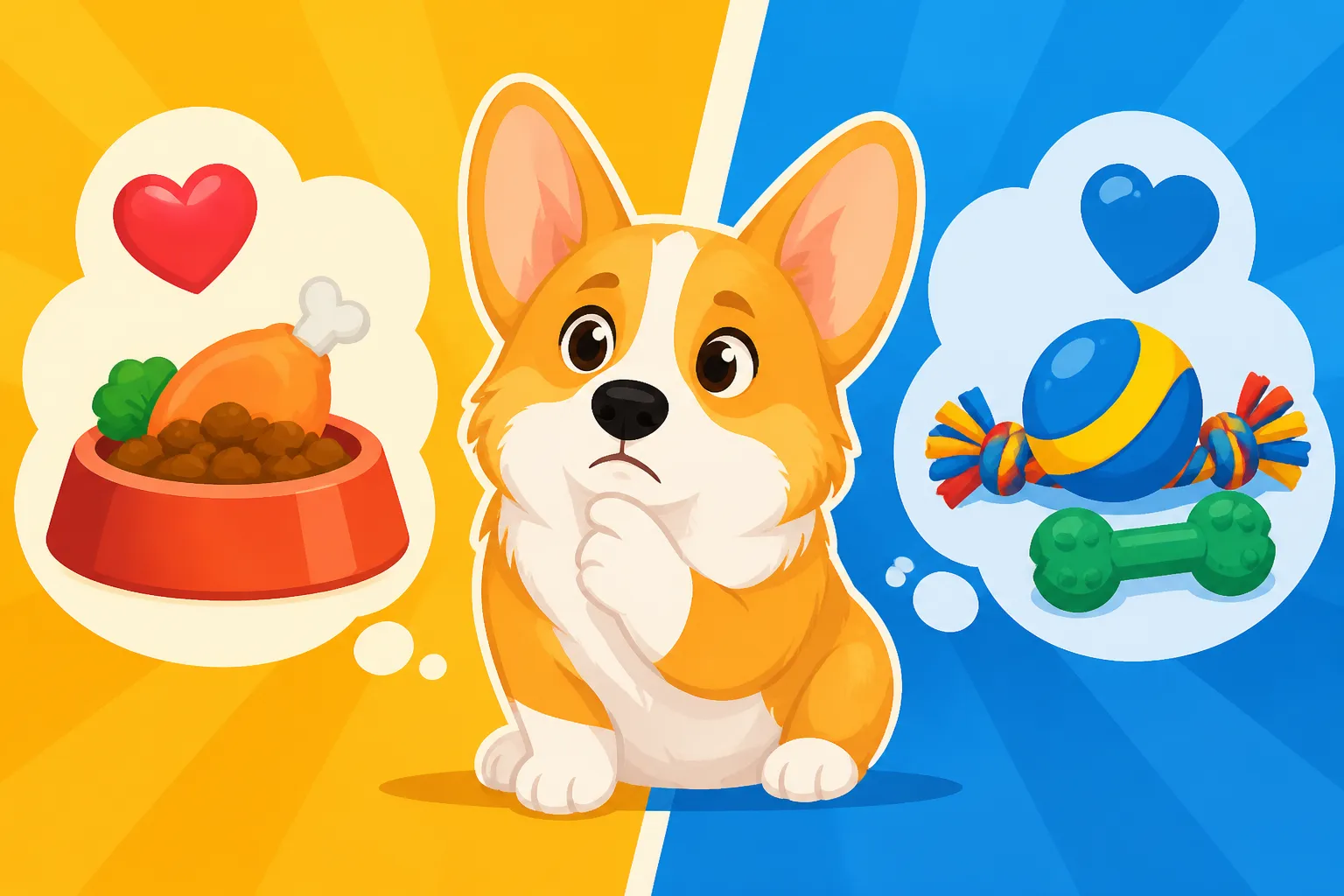
One of the most common dilemmas Corgi owners face when diving into training is figuring out what truly lights up their furry friend’s brain and makes them eager to learn. You might find yourself tossing treats with little enthusiasm from your Corgi, or waving a toy only to be met with a blank stare. It’s frustrating when you’re putting in the effort but not getting the desired response, leaving you wondering if your Corgi is just stubborn or if you're missing something crucial about their motivation. This guide is here to help you unlock the secrets to your Corgi's drive, exploring whether food or toys are the better motivator for training and how to use both effectively.
Understanding Your Corgi's Intrinsic Motivation
Corgis are incredibly intelligent dogs, bred for centuries to be independent thinkers. They had to make decisions on their own while herding cattle, often out of sight of their human companions. This deep-seated instinct means they're not always looking to please us simply for the sake of it; they're looking for what's in it for them. Tapping into that "what's in it for me" is the golden ticket to effective training, and it starts with understanding their natural drives.
The Corgi's Food Drive: A Powerful, Primal Instinct
Let's be honest, many Corgis act like they've never seen food before, even if they just finished a meal! This isn't just a cute quirk; it's often a strong, primal drive. Corgis, like many herding breeds, were working dogs, and efficient energy conversion was key to their survival and performance. Food is a fundamental motivator, speaking directly to their basic needs and, often, their insatiable appetites.
Think about it: from the moment they are born, food is linked to survival and comfort. A warm meal, a tasty treat, these things are inherently rewarding for almost any dog. For a Corgi, whose metabolism can be surprisingly robust for their size, food often ranks very high on their list of priorities. When you're trying to teach a new command, a high-value food reward can cut through distractions and quickly establish a positive association with the desired behavior. If your Corgi is particularly food-motivated, even mundane kibble can sometimes work wonders, but for challenging tasks or high-distraction environments, you'll want to pull out the big guns – bits of cheese, cooked chicken, or specialized training treats.
The Herding Dog's Play Drive: More Than Just Fun
While food often seems like the most obvious choice, don't underestimate the power of play for a Corgi. These aren't lapdogs; they're former cattle drovers! Their play drive is often deeply intertwined with their herding instincts. A game of chase, a quick tug, or even a strategic "pounce" on a toy can mimic the actions they would have performed in their ancestral role. This kind of interaction is incredibly stimulating for their minds and bodies.
For many Corgis, play isn't just about burning off energy; it's about engagement, problem-solving, and exerting their natural drive in a constructive way. A quick session with a favorite tug toy can be just as rewarding as a handful of treats, especially if your Corgi loves to "work" with you. This can be particularly true for behaviors that involve movement or quick changes in direction, where a toy can seamlessly integrate into the action. If you've ever seen your Corgi A Corgi That Nips Running Children, you'll recognize that intense focus and drive that can be redirected into play-based training.
Observing Your Corgi's Individual Preferences
Here's the real talk: every Corgi is an individual, a quirky, furry little personality all their own. While breed tendencies give us a good starting point, what truly motivates your Corgi might surprise you. Some Corgis will turn their noses up at a gourmet treat if there's a squeaky ball involved, while others wouldn't bat an eye at a squirrel if a piece of hot dog was on offer.
The best way to figure out your Corgi's preference is to observe them carefully. When they're excited, what do they gravitate towards? When you introduce a new toy or a new treat, what gets the most enthusiastic response? Try offering both in different scenarios. For instance, present a new command, reward with food. Then, try a different command and reward with a short game of tug. Watch their body language, their eagerness, their focus. A training program like BAXTER & Bella often emphasizes understanding your dog's individual learning style and motivators, which is crucial for building a strong foundation. This individual assessment is vital; don't assume what worked for your neighbor's Labrador will work for your unique Corgi. You might also find that their preference changes with age, environment, or even mood, so staying attuned to their signals is an ongoing process.
Leveraging Food Rewards in Corgi Training
For many Corgis, food is the undisputed king of motivation. It’s tangible, immediate, and universally understood as a positive. But simply tossing a biscuit isn't always effective training. There's an art to using food rewards that maximizes their impact and helps your Corgi learn quickly and enthusiastically.
Choosing the Right Edible Reinforcers
Not all treats are created equal in the eyes of a Corgi. What might be a high-value reward for one dog could be entirely ignored by another. For your Corgi, you need a hierarchy of treats. For basic, low-distraction environments, their regular kibble can often work – it also helps with Keeping Treats Inside a Corgi's Ration and managing their weight. But for new, more challenging behaviors, or when you're training in a busy park, you'll need something irresistible.
This is where you experiment. Soft, smelly treats like small pieces of cooked chicken, cheese, hot dogs, or liverwurst often rank very high. Some Corgis go wild for dried fish treats or specific commercial soft chews. The key is "high-value" – something they don't get all the time, something that makes them drop everything and pay attention. Break these into tiny, pea-sized pieces to avoid overfeeding and keep them wanting more. You want them to be able to gobble it down quickly so you can move on to the next repetition without delay. Remember that treats should be part of their daily calorie intake, especially for a breed prone to weight gain, as discussed in The Body Condition Score a Corgi Owner Aims For.
Timing and Delivery of Food Rewards
The secret sauce to effective food reward training isn't just what you use, but when and how you deliver it. Timing is everything. Your Corgi needs to associate the reward directly with the desired behavior. This means the treat should enter their mouth within 1-2 seconds of them performing the action correctly. If you're too slow, they might associate the reward with sitting down after the command, or looking away, or scratching an ear – anything they did in those extra few seconds.
Practice quick delivery. Many trainers use a clicker (Whether a Clicker Holds a Corgi's Attention) to mark the exact moment of correct behavior, followed immediately by the treat. This creates a powerful connection. When delivering the treat, do so calmly and efficiently. Avoid holding it away as a lure for too long, as this can become distracting. You want them to focus on the behavior, not just the food in your hand. Hand-feeding can also strengthen your bond and improve their focus on you. Try to deliver the treat at their nose level, so they don't have to jump or stretch excessively, which can be hard on their backs.
Fading Food Lures and Rewards
While food is fantastic for teaching new behaviors, you don't want your Corgi to only perform when they see a treat in your hand. The goal is to eventually fade the visible lure and the constant reliance on food. This doesn't mean you stop using treats entirely, but you become more strategic.
Start by phasing out lures. If you're luring them into a sit with a treat over their head, gradually make the hand motion smaller and smaller until it's just a subtle finger movement or even just your verbal cue. Then, begin to reward intermittently. Instead of every time, reward every two times, then every three, and so on. Mix it up! Sometimes they get a treat, sometimes they get a verbal "Good dog!" and a pat. This teaches them that the reward isn't guaranteed every single time, but it's always possible, which actually makes them more persistent. The aim is for the behavior itself to become intrinsically rewarding, or for a variable schedule of reinforcement to keep them guessing and motivated. Remember, a Corgi can be quite independent, so consistent, thoughtful reinforcement is key to Training a Corgi That Makes Its Own Decisions effectively.
Harnessing Toy Rewards for Engaged Corgi Training
For some Corgis, especially those with a strong herding or chase drive, toys can be an even more powerful motivator than food. Using play in training taps into their natural instincts and can lead to incredibly enthusiastic and focused sessions.
Selecting High-Value Toys for Training Sessions
Just like with food, not all toys are created equal in the eyes of a Corgi. For training purposes, you need a "high-value" toy – something they absolutely adore and only get during training sessions. This might be a special squeaky ball, a tough tug toy, or even a soft plush animal that they can "kill" (playfully, of course!). The key is exclusivity; don't leave these special training toys lying around for them to play with whenever they want.
Consider the Corgi's natural drive: many love to chase, herd, and tug. A sturdy tug toy that allows for a good grip for both of you can be excellent for engagement. A small, bouncy ball that fits comfortably in their mouth and can be quickly retrieved can tap into their chase instinct. You might find a plush toy on Amazon that mimics a small animal, which could trigger their prey drive (in a healthy, controlled way). Whatever it is, it should be something that instantly captures their attention and excites them. Just be mindful of their back when selecting toys; avoid anything that encourages excessive jumping or twisting.
Incorporating Play into Training Sequences
Once you've identified your Corgi's high-value toy, the next step is to seamlessly integrate play into your training. Instead of just offering a treat, you'll offer a quick game. For example, if you ask for a "down" and your Corgi drops quickly, immediately follow with a burst of tugging for 10-15 seconds, or a quick toss of the ball.
The interaction itself becomes the reward. This approach can be incredibly effective for Corgis who get bored easily with repetitive treat-based drills. It breaks up the monotony and keeps their minds engaged. You're not just rewarding a behavior; you're celebrating it with a shared activity they love. This can also be fantastic for building retrieve skills or working on commands that require a burst of energy, like a quick recall. For some Corgis, this type of play also helps satisfy their innate need to "work" or "herd," making training feel less like a chore and more like a collaboration. This can be especially useful for working on their recall, as discussed in The Word That Stops a Corgi Mid-Chase.
When Toys Work Better Than Treats
There are specific situations where toys can often outperform food as a motivator for your Corgi. High-distraction environments are a prime example. If you're at a dog park, a busy street, or in a class with other dogs, a Corgi's focus on food can sometimes be eclipsed by the exciting smells and sights around them. A highly engaging tug game, however, might be exactly what's needed to re-establish focus and channel their energy productively.
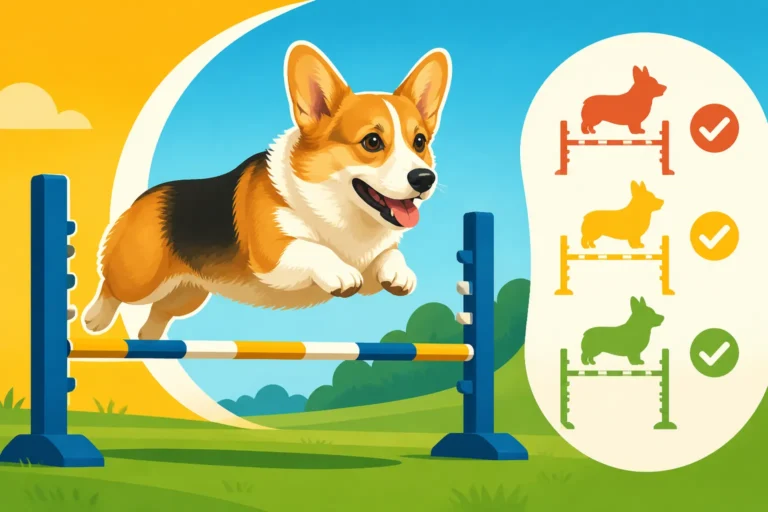
Another scenario is when teaching behaviors that involve speed or agility. A quick dash for a thrown toy after a "stay" or a "come" command can be much more natural and rewarding than stopping for a food reward. Toys can also be better for dogs who tend to get easily satiated by food or who are on a strict diet, helping to prevent weight gain while still providing powerful positive reinforcement. Furthermore, play builds a stronger bond and relationship with your Corgi. It's a shared experience that goes beyond just receiving a handout, fostering a deeper level of trust and cooperation. If you're struggling with a Corgi that simply acts like Whether a Corgi Works for Anything but Food (meaning they don't seem to care), a high-value toy might be the answer.
Combining and Customizing Your Reward Strategy
The truth is, for most Corgis, the most effective training approach isn't an either/or situation between food and toys. It's a dynamic, personalized strategy that combines both, adapting to your Corgi's needs, the training environment, and the specific behavior you're teaching.
The Art of the Mixed-Motivator Approach
A skilled trainer knows how to wield both food and toys in their arsenal, creating a powerful blend of motivation. This is often called a "mixed-motivator" approach. Imagine teaching your Corgi a new, complex trick. You might start with high-value food rewards to help them quickly understand the steps. Once they've grasped the basics, you could introduce a play reward every few repetitions to keep their energy levels high and prevent boredom.
For instance, you might use a tiny piece of cheese for precise placement cues, and then a quick game of tug for a burst of speed on a recall. This variety keeps your Corgi guessing and engaged. It also prepares them for real-world situations where rewards aren't always predictable. A mixed approach ensures that your Corgi remains enthusiastic, whether they're working for a tangible treat or the thrill of a game with you. It acknowledges that sometimes their tummy calls louder, and sometimes their inner cattle dog demands a good chase.
Adapting Rewards to Different Training Scenarios
The "best" reward isn't static; it changes depending on the context. If you're teaching a calm, stationary behavior like "stay" indoors, a small, easily consumed food treat might be perfect. It reinforces the stillness without creating too much excitement. However, if you're trying to get your Corgi to ignore a passing dog on a walk, a quick, intense game of tug right after they refocus on you might be far more effective in breaking their attention from the distraction and rewarding the desired behavior.
Consider the level of distraction. In a busy park, a play session might be more captivating than food for some Corgis, whereas a very high-value, smelly treat might cut through better for others. When working on Short Bursts of Training a Corgi Will Take, perhaps you alternate. Two repetitions with food, one with a toy. This adaptability is key to consistent success. Always evaluate the environment and the specific behavior you're targeting, and then choose the reward that's most likely to get the desired response from your Corgi in that moment.
Troubleshooting When Neither Seems to Work
What if your Corgi seems uninterested in both food and toys during training? This can be incredibly frustrating, making you feel like your Corgi is simply "stubborn" or untrainable. But usually, it means one of a few things, and it's rarely about their inherent capability.
First, check the value of your rewards. Are your "high-value" treats truly high-value to your Corgi? Try novel foods – small pieces of cooked meat, specific freeze-dried treats, or even tiny dollops of peanut butter (if safe for dogs). For toys, is it truly their favorite? Is the play engaging enough? Are you making it exciting? Sometimes, Corgis need a little coaxing to understand that play can be part of training. If your Corgi usually loves a toy, but not in a training context, try making the play more interactive and less structured initially.
Second, consider the environment. Is it too distracting for your Corgi? If they're overwhelmed, even their favorite motivator might not be enough. Start in a quiet, familiar place. Third, what's your Corgi's energy level? A tired Corgi might not be enthusiastic about playing, and a very full Corgi might not care about food. Fourth, are you asking too much? Keep sessions short and fun, especially for a Corgi who can Why a Corgi Switches Off After Ten Minutes. Finally, if persistent lack of motivation is an issue, a vet check-up might be in order to rule out any underlying health issues. Sometimes, subtle pain or discomfort can manifest as a lack of interest in training or play.
Ultimately, understanding your Corgi's individual drives is an ongoing journey of observation, experimentation, and partnership. There's no single magic bullet; instead, it's about building a diverse toolkit of motivators that you can pull from, making every training session a positive and engaging experience for both of you.
| Reward Type | Pros for Corgi Training | Cons for Corgi Training | Best Use Cases |
|---|---|---|---|
| Food | Highly motivating for many Corgis; quick to deliver; easy to vary value; good for precise timing; universal appeal. | Can lead to weight gain; Corgi might only work for visible food; less engaging for some; can be messy. | Teaching new behaviors; luring; low-distraction environments; shaping specific, precise actions; maintaining focus. |
| Toys | Taps into herding/prey drive; great for energy release; strengthens bond; excellent for high-distraction environments; no calories. | Can be over-stimulating for some Corgis; not suitable for all behaviors (e.g., "stay"); requires more active participation from owner; limited "value" hierarchy. | Recalls; agility work; breaking attention from distractions; reinforcing energetic behaviors; building drive and enthusiasm. |
Disclaimer
This article is for general informational purposes only and does not constitute professional advice. Laws, prices and regulations vary by location and change over time. Consult a qualified professional for guidance on your specific situation.