A Corgi That Barks at the Window
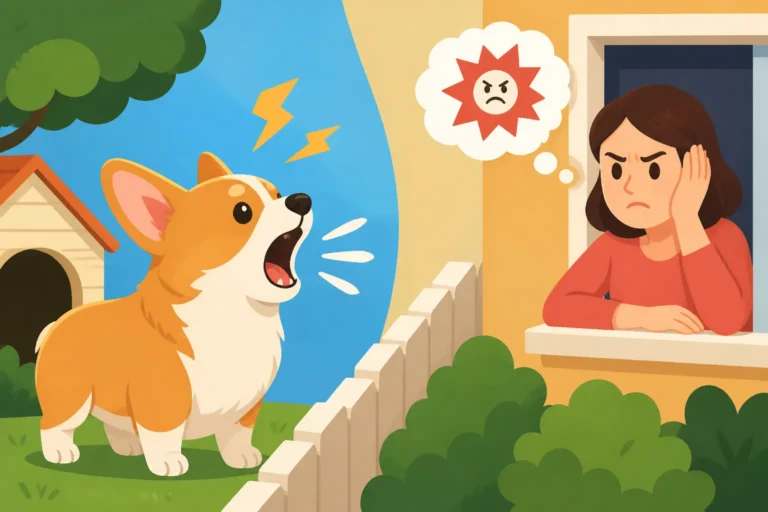
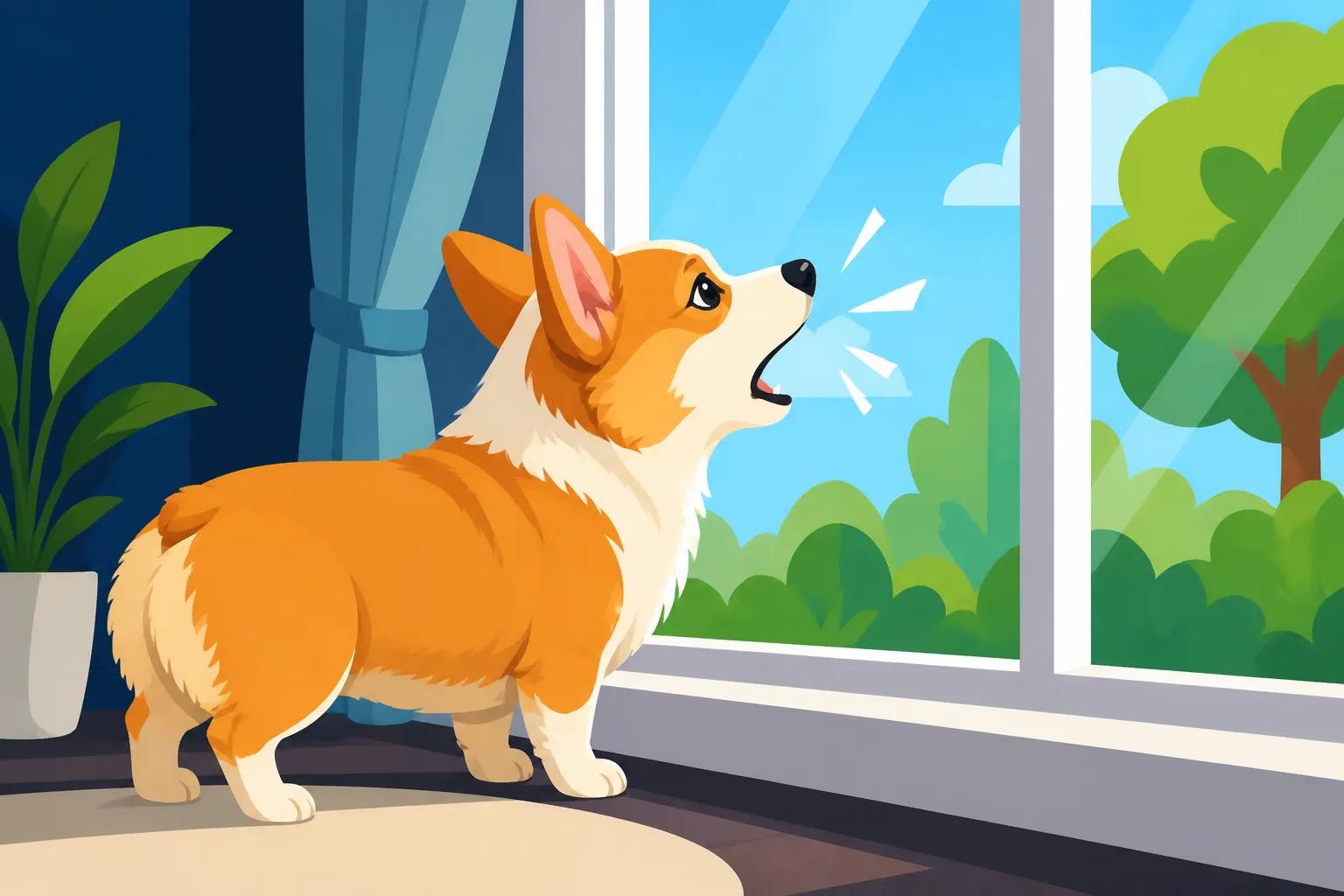
Oh, the infamous Corgi window bark! If your charming, low-riding companion has decided that the window is their personal outdoor broadcasting station, you're not alone. This incredibly common behavior can turn peaceful afternoons into a cacophony of barks, frustrating both you and your neighbors. This guide is here to walk you through understanding why your Corgi feels the need to announce every passing squirrel, mail carrier, or leaf, and more importantly, how you can gently and effectively curb this noisy habit for a calmer household.
Understanding the Root Causes of Corgi Window Barking
It’s easy to get annoyed when your Corgi launches into a barking frenzy at every perceived threat or movement outside the window. But understanding why they do it is the first crucial step in finding a solution. Corgis are intelligent, historically driven working dogs, and many of their "bad" behaviors are simply manifestations of their inherent traits.
The Herding Instinct and Alert Barking
Let's be real: Corgis were bred to herd cattle, often much larger than themselves. They had to be brave, vocal, and quick to react to keep those cows in line. That strong herding instinct doesn't just disappear because they're now lounging on your sofa. When your Corgi sees something moving outside the window, their ancient programming kicks in. They're not just barking; they're herding that squirrel, that delivery person, or even the gust of wind across the lawn. They're alerting you, their flock, to potential changes in their perceived territory. This alert barking is deeply ingrained. They see something, they announce it. It's their job, as far as they're concerned. They might not be nipping at heels, but they're certainly using their voice to manage their environment, just as their ancestors did in the Welsh countryside. It’s part of Why Corgis Bark More Than Most breeds.
Territorial Behavior and Guarding
Beyond herding, Corgis also possess a strong sense of territory. They view their home, yard, and everything they can see from their vantage point as theirs. When someone or something enters their visual field, whether it's another dog walking by or a child riding a bike, they perceive it as an intrusion. Their barking then becomes a warning: "Hey, you! This is my turf! Keep moving!" This isn't necessarily aggression, though it can escalate if not managed. It's more about guarding their perceived space and their family. They’re trying to scare away what they see as a threat or simply make it known that they are on watch. This behavior is amplified when they feel secure within their "den" (your house) but see the "outside world" moving by.
Boredom, Loneliness, and Attention-Seeking
Sometimes, the reason for window barking isn't quite so noble. Corgis are smart dogs who need mental and physical stimulation. If they're left alone for long periods without enough to do, or if their daily routine lacks enrichment, boredom can set in. A window then becomes their personal entertainment system. Every passing car, every person, becomes a stimulus, and barking gets a reaction – even if it's just you coming to tell them to be quiet. For a Corgi, any attention is often good attention. If barking at the window consistently gets you to come over, speak to them, or even just look their way, they learn that it's an effective strategy to alleviate boredom or loneliness. It becomes a self-reinforcing cycle. Providing engaging toys or activities, perhaps even from a retailer like Amazon, can go a long way in addressing this.
Assessing the Severity and Triggers of Your Corgi's Barking
Before you can tackle the barking, you need to become a bit of a detective. What exactly is setting your Corgi off? How often does it happen? Understanding the specifics will help you tailor the most effective intervention.
Identifying What Sets Your Corgi Off
The first step is observation. Sit with your Corgi, or discreetly watch them, and make a mental note of every trigger. Is it only when someone walks past the house? Or does the sight of another dog, a cat, or even a blowing leaf send them into a frenzy? Does the mail truck cause a more intense reaction than a pedestrian? Pay attention to sounds too – sometimes it's not just visual. A distant siren, a car door slamming, or a neighbor's dog barking might precede the window barking. Also, consider the time of day. Is it worse in the morning, when traffic is heavy, or in the evening, when shadows play tricks? Knowing these specifics will allow you to pinpoint the exact moments you need to intervene. For some Corgis, it might be A Corgi That Barks at Every Passing Dog, while for others, it's broader.
Tracking Barking Patterns and Intensity
Once you know the triggers, start tracking. How long does the barking last? Is it just a few "woofs" that you can quickly interrupt, or does it escalate into a sustained, high-pitched frenzy? Does your Corgi recover quickly, or do they remain agitated for a while after the trigger has passed? Note the intensity of the barking and your Corgi's body language. Are their hackles raised? Are they stiff, or do they look excited and bouncy? This tracking helps you understand if the barking is a mild annoyance or a sign of deeper anxiety or over-arousal. A journal or a simple note on your phone can be invaluable here. You might notice that certain triggers consistently lead to more intense or prolonged barking, indicating where you need to focus your efforts first.
When to Seek Professional Help
While many cases of window barking can be managed with consistent training, there are times when professional help is essential. If your Corgi's barking is incessant, escalates to aggressive behavior (like lunging at the window, growling, or showing signs of fear), or if you feel completely overwhelmed and unsure where to start, it's time to call in a certified professional dog trainer or a veterinary behaviorist. These experts can assess the underlying causes, which might include anxiety disorders, and develop a tailored plan. Sometimes, what seems like simple nuisance barking can be a symptom of a larger behavioral issue, and a professional can provide the tools and guidance you need. Don't feel ashamed to ask for help; it shows you're a dedicated pet parent committed to your Corgi's well-being and your own peace of mind.
Practical Strategies to Manage Window Barking
Okay, so you understand why your Corgi barks. Now, let’s get into the nitty-gritty of what to do. There are many practical steps you can take, from simple environmental changes to more involved training.
Limiting Visual Access and Environmental Management
One of the quickest and often most effective ways to reduce window barking is to remove the temptation entirely. If your Corgi can't see the triggers, they can't bark at them!
- Window Films and Blinds: Consider opaque window films for lower panes or simply keep blinds and curtains closed during peak trigger times. This doesn't mean your Corgi lives in darkness, but it selectively blocks their view of the "outside world" that causes such distress. You can find many affordable and easy-to-apply options on Amazon.
- Baby Gates or Playpens: If you have specific windows that are problematic, use baby gates or an indoor playpen to block access to those areas. This creates a physical barrier, preventing them from getting to their favorite "perch." Just make sure the gate is sturdy enough for a determined Corgi!
- Change the Furniture Layout: If your Corgi loves to jump onto a specific sofa or chair to get a better view, consider temporarily moving that furniture or placing deterrents on it to prevent access.
By managing the environment, you're not eliminating the underlying urge to bark, but you are effectively "turning off" the immediate trigger, giving you a baseline of quiet to work from.
Desensitization and Counter-Conditioning Techniques
These are powerful training tools that help change your Corgi's emotional response to triggers. Instead of reacting with barking, you want them to react with calm anticipation for a treat.
- Controlled Exposure: Start with very low-level triggers. Maybe stand further back from the window with your Corgi when a trigger (like a person walking by) is barely visible or very far away. The moment they notice the trigger but before they bark, give them a high-value treat. Repeat this many, many times.
- Gradual Increase: Slowly, gradually, decrease the distance to the window or increase the intensity of the trigger (e.g., closer person, more frequent passersby). The key is to keep them under their barking threshold. If they bark, you’ve gone too fast. Reset and go back a step.
- "Look at That" Game: This is a classic counter-conditioning game. When your Corgi looks at a trigger outside, say "Yes!" or use a clicker, and immediately give them a treat. The goal is for them to see the trigger, look at it, and then look back at you expectantly for a reward, rather than barking. The BAXTER & Bella online training program often covers similar positive reinforcement techniques that can be applied here.
This takes time and consistency, but it fundamentally rewires your Corgi’s brain to associate the trigger with good things (treats!) rather than a need to bark.
Providing Alternative Mental and Physical Stimulation
A tired Corgi is often a quiet Corgi. These dogs are intelligent and energetic, despite their short legs. They need outlets for both their bodies and their minds.
- Puzzle Toys and Treat Dispensers: Instead of just putting food in a bowl, make your Corgi work for it. KONG toys stuffed with peanut butter, snuffle mats, or puzzle feeders (many available on Amazon) can keep them engaged for significant periods. This satisfies their natural foraging instincts and provides mental exercise. Toys That Occupy a Corgi are essential!
- Interactive Play: Dedicate time each day to active play like fetch, tug, or hide-and-seek indoors. This burns off physical energy and strengthens your bond. Remember, a Corgi doesn’t need hours of running, but consistent, engaging bursts of activity.
- Training Sessions: Short, fun training sessions throughout the day can be incredibly mentally stimulating. Teach them new tricks, practice obedience commands, or even try scent work in the house by Hiding Food Around the House for a Corgi. This taps into their intelligence and gives them a "job." Even 10-15 minutes of focused training can be as tiring as a long walk for a Corgi.
By ensuring your Corgi has plenty of appropriate outlets for their energy and intelligence, you reduce the likelihood that they’ll turn to window barking out of sheer boredom or excess energy. Remember, The Forty-Five Minutes a Corgi Needs Daily is just a baseline, and mental exercise is just as important.
Training Techniques to Reinforce Quiet Behavior
Environmental management and enrichment are foundational, but direct training is crucial for teaching your Corgi what to do instead of barking.
Teaching "Quiet" and Rewarding Calmness
Teaching a specific "quiet" cue is incredibly valuable. This isn't about scolding them into silence but teaching them to associate quiet with a reward.
- The "Bark and Quiet" Method: Wait for your Corgi to bark (you can even intentionally set up a mild trigger if needed). After 2-3 barks, gently interrupt them with a treat to their nose, or a soft "shhh" sound. The instant they are quiet, even for a second, say "Quiet!" (or your chosen cue) and give them the treat. Practice this repeatedly. The timing is crucial: reward the absence of barking, not the barking itself.
- Rewarding Spontaneous Quiet: Don't just wait for them to bark. Actively look for moments when your Corgi is calmly observing something outside the window, or when a trigger passes without a reaction. Mark that calm behavior with a "Good quiet!" and reward them generously. You want to make quiet more rewarding than barking.
- Managing Excitement: If your Corgi tends to get over-aroused, focus on teaching relaxation. Have them lie down on a mat or in their bed away from the window, and reward them for staying calm as triggers pass.
Consistency is key here. Every family member needs to be on board with the same commands and rewards. For more on this, you might find guidance in Teaching a Corgi to Stop on Cue.
Consistent Redirection and Interruption
When your Corgi does bark at the window, your immediate reaction is important. You want to interrupt the barking and redirect their focus to something more appropriate.
- Interrupt, Don't Punish: A sharp "No bark!" or shaking a can of coins might stop the barking temporarily, but it doesn't teach them what to do. Instead, try a verbal interrupt like "Uh-oh!" or a sharp clap, then immediately redirect their attention.
- Redirect to an Alternative Activity: Once you have their attention, redirect them. Call them away from the window to a different room, ask them for a "sit" or "down" in a designated quiet spot, or engage them with a favorite puzzle toy. The goal is to break the barking cycle and give them something acceptable to do.
- Manage Your Own Reactions: Avoid yelling or rushing to the window in a panic. This often reinforces the behavior, as your Corgi might interpret your reaction as you "joining in" on the alert, or simply getting the attention they desired. Remain calm, firm, and consistent in your redirection. If you're struggling with getting their attention, it might be a sign that Why an Independent Corgi Ignores You is at play.
Utilizing Training Aids and Tools
There are various tools that can assist in managing window barking, though they are most effective when used as part of a comprehensive training plan, not as standalone solutions.
- White Noise Machines or Radios: Placing a white noise machine or playing calming music near the window can help mask outdoor sounds that might trigger your Corgi, making it harder for them to hear distant noises.
- Crates or Designated "Safe Spaces": For some Corgis, a comfortable crate or a designated bed in a quiet part of the house can serve as a safe haven when triggers are high. Teach them to love their crate so they see it as a place of comfort, not punishment. This is especially helpful if A Corgi That Barks in the Car is also an issue, as it teaches calmness in confined spaces.
- Harnesses and Leashes: If your Corgi is particularly reactive, having them on a leash even inside the house when you anticipate triggers can help you manage their movement and quickly redirect them away from the window. Just be mindful of whether a Corgi's harness should not press the spine for their comfort and health.
- Consult Training Resources: Online resources like BAXTER & Bella offer puppy and dog training programs that emphasize positive reinforcement and could provide structured lessons for addressing barking, alongside their general obedience training modules.
Remember, no tool replaces consistent, positive training and a clear understanding of your Corgi's needs.
Long-Term Prevention and Lifestyle Adjustments
Solving window barking isn't a quick fix; it requires a holistic approach that integrates into your Corgi's daily life. It’s about creating an environment and routine that supports a calm, well-adjusted dog.
Establishing a Consistent Routine
Dogs thrive on routine, and Corgis are no exception. A predictable schedule can significantly reduce anxiety and boredom, both of which contribute to excessive barking.
- Regular Exercise Schedule: Ensure your Corgi gets consistent physical activity every day. This doesn't mean just letting them out in the yard; it means intentional walks, play sessions, or training. Knowing when their walks or playtimes are coming can help them settle during other parts of the day.
- Consistent Feeding Times: Feeding at the same times each day provides another layer of predictability.
- Dedicated "Quiet Time": Schedule specific times for quiet, calm activities away from windows, perhaps with a chew toy or a short cuddle session. This teaches them that not every moment needs to be an exciting adventure or a barking opportunity. When you live in close quarters, considering Whether a Corgi Suits Shared Walls makes these routines even more critical.
A structured day helps your Corgi understand what to expect, reducing the need to invent their own entertainment or feel the need to constantly be "on alert."
Enriching Your Corgi's Environment
A stimulating environment prevents boredom and provides appropriate outlets for your Corgi's natural instincts, diverting them from less desirable behaviors like window barking.
- Interactive Toys: Beyond puzzle feeders, rotate a variety of stimulating toys. Some toys, like those found on Amazon, are designed to be chewed, others to be fetched, and some to be solved. Keep them fresh by putting some away and bringing them out later.
- Scent Games: Corgis have excellent noses. Incorporate scent games into their daily routine. Hide treats around the house and encourage them to "find it." This is a fantastic mental workout and taps into their innate tracking abilities.
- Socialization Opportunities: If your Corgi enjoys the company of other calm, well-behaved dogs, arranged playdates or supervised dog park visits (with caution regarding their back!) can provide valuable social enrichment. This helps them learn appropriate dog-dog communication and can reduce reactivity to other dogs seen outside the window.
The more engaging and appropriate activities you provide, the less likely your Corgi is to create their own (often noisy) fun at the window.
Socialization and Exposure
Thoughtful socialization isn't just for puppies; it's a lifelong process that can significantly impact how your Corgi reacts to the world around them.
- Positive Experiences with Triggers: If your Corgi barks at people, work on creating positive associations. Have a friend stand at a distance from your window. The moment your Corgi notices them but stays quiet, reward them. Gradually reduce the distance, always ensuring positive associations. This ties back into desensitization and counter-conditioning.
- Exposure to Different Environments: Take your Corgi on walks in various locations – quiet parks, bustling city streets (if appropriate for their temperament and back health), and different neighborhoods. The more they safely and positively experience new sights, sounds, and smells, the less likely they are to be startled or overly reactive to everyday occurrences.
- Enroll in Training Classes: Even if your Corgi knows basic commands, advanced obedience, rally, or even beginner agility classes (with careful consideration for their spinal health) can be incredibly beneficial. These classes offer mental stimulation, reinforce good behavior, and provide controlled socialization opportunities. They also help establish a strong working relationship between you and your Corgi. Sometimes, a Corgi acts like Whether a Corgi Is Stubborn or Just Thinking, and these classes can help you better understand their motivations.
By proactively shaping your Corgi's perception of the world through positive experiences and consistent training, you can foster a more confident, calmer companion who is less inclined to sound the alarm at every window.
Barking Management Strategies
Here’s a quick overview of the key strategies discussed for managing your Corgi's window barking.
| Strategy Type | Action | Benefit |
|---|---|---|
| Environmental | Use window film, blinds, or gates. | Reduces visual triggers immediately. |
| Desensitization | Gradually expose to triggers with positive rewards. | Changes emotional response to triggers. |
| Enrichment | Provide puzzle toys, interactive play, scent games. | Reduces boredom and provides mental/physical outlets. |
| Training | Teach "quiet" cue, reward calmness. | Teaches alternative, desirable behavior. |
| Redirection | Interrupt barking, redirect to an appropriate activity. | Breaks the barking cycle, diverts focus. |
| Routine | Establish consistent exercise and feeding schedules. | Reduces anxiety and creates predictability. |
| Socialization | Positive exposure to various environments and stimuli. | Builds confidence and reduces reactivity. |
| Professional Help | Consult a trainer/behaviorist for severe cases. | Provides expert, tailored intervention for complex issues. |
Managing a Corgi that barks at the window can feel like an uphill battle, but with patience, consistency, and a deep understanding of your dog's unique breed traits, you absolutely can make progress. Remember, your Corgi isn't barking to annoy you; they're communicating, even if it's in a way that sometimes drives us up the wall. By providing them with appropriate outlets, clear boundaries, and consistent positive reinforcement, you can help them become a calmer, happier member of your family. It's a journey, not a sprint, but the quieter home and happier Corgi at the end are truly worth it.
Disclaimer
This article is for general informational purposes only and does not constitute professional advice. Laws, prices and regulations vary by location and change over time. Consult a qualified professional for guidance on your specific situation.