The Job a Corgi Needs Instead of Herding You
It can be incredibly frustrating when your adorable Corgi decides its main mission in life is to "herd" you, your children, or even your other pets around the house. You’re left with nipped ankles, relentless barking, and a feeling that your furry friend is more boss than companion. This guide will walk you through understanding why your Corgi acts this way and, more importantly, how to redirect that powerful, innate instinct into positive, fulfilling "jobs" that benefit everyone.
Understanding the Corgi's Deep-Rooted Herding Instinct
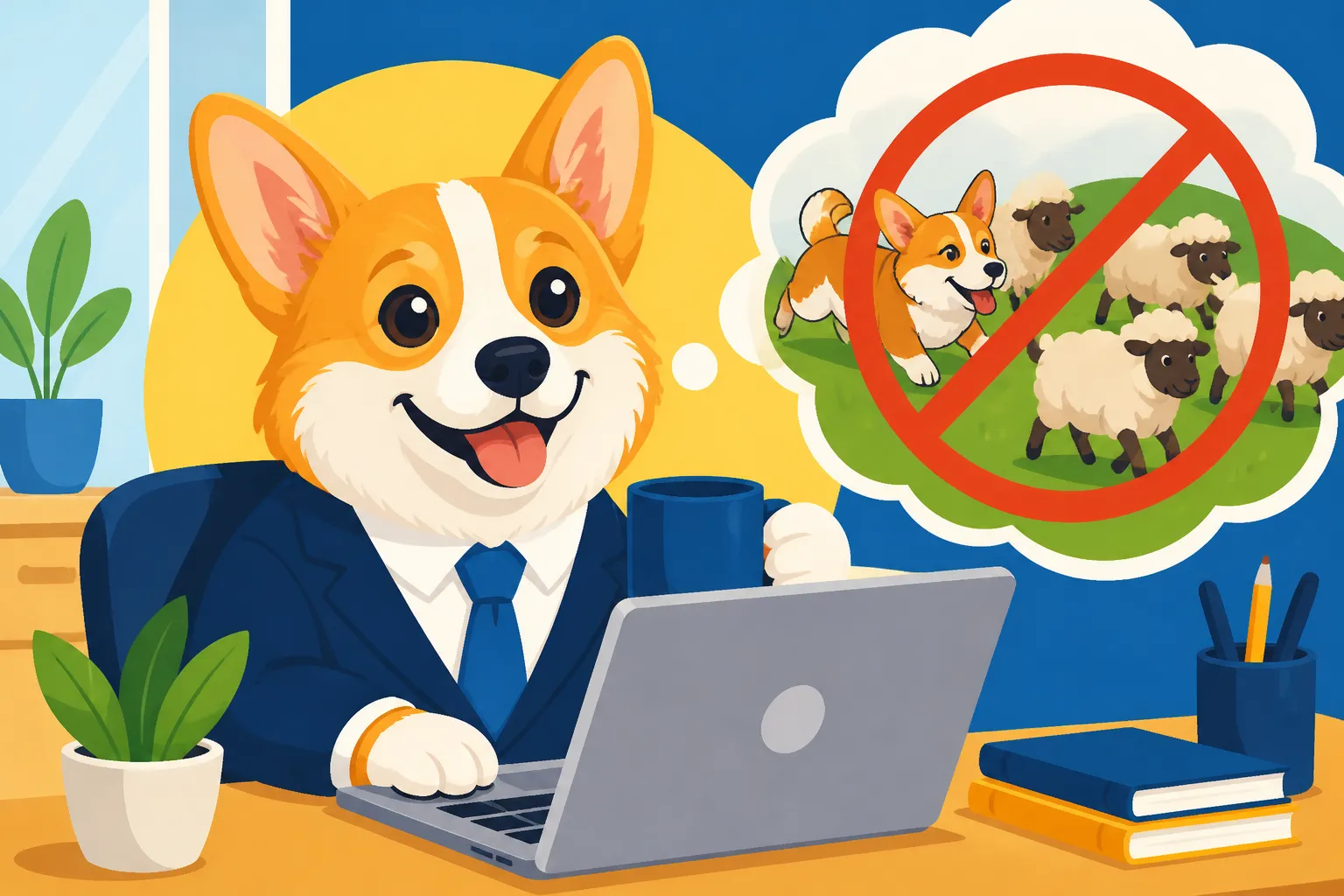
Corgis, both Pembroke and Cardigan Welsh, were bred for centuries to be working dogs, specifically driving cattle. This wasn't a casual stroll; it was a demanding, high-stakes job requiring intelligence, bravery, and a distinct set of physical and behavioral traits. When you bring a Corgi into your home, you're not just getting a cute, fluffy companion; you're adopting a tiny, four-legged CEO with generations of ancestral programming still humming in their DNA. This history is crucial to understanding why they do what they do.
A History of Heels and Herds
Imagine a Corgi in its historical role, weaving through the legs of massive, horned cattle. Their low stature wasn't just for cuteness; it was a survival mechanism. They could nip at the heels of stubborn cows to keep them moving, then duck under a swinging hoof to avoid injury. This required quick reflexes, keen observation, and an unwavering determination to get the job done. Their barking wasn't just noise; it was a communication tool, a way to move the herd, and to alert the farmer. They were independent thinkers, tasked with making on-the-spot decisions about how to best manage their livestock, often with minimal human direction. This deeply ingrained genetic blueprint means that even today's cuddly house Corgi carries the spirit of a highly effective, persistent herding dog.
How Herding Translates to Modern Family Dynamics
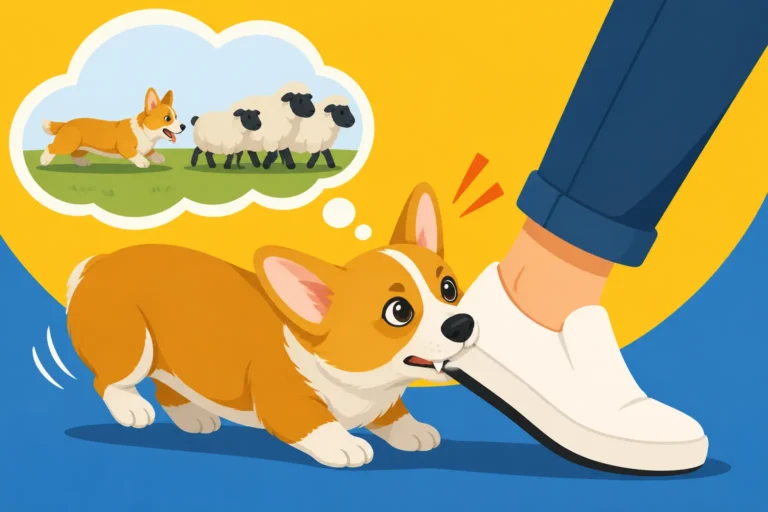
In a domestic setting, without a flock of sheep or a herd of cattle to manage, your Corgi's instincts don't simply vanish. Instead, they often get redirected onto whatever moving objects are available – usually, you, your kids, or other pets. Your Corgi isn't trying to be "bad" or dominant; they're simply trying to perform the job they were literally bred for. When your toddler dashes across the living room, your Corgi's brain might register that as a "stray" needing to be "brought back into the fold." The sudden bark, the quick dash to intercept, the little bump, or even a gentle nip at the heels, are all attempts to fulfill that ancient programming. It's their way of trying to maintain order and control in their "pack."
The Misunderstood Motivation Behind the "Nip"
Many Corgi owners become frustrated by the seemingly random nips or pushes. It's easy to interpret this as aggression or disobedience, but for a Corgi, it's often far from it. It's a communication, a soft "move along now" or "stay with the group." Think of it as a historical job description: must be able to independently direct large, unruly animals using subtle physical cues and vocalizations. The Cattle-Driving Nip a Corgi Still Has is a legacy, not a flaw. They aren't trying to hurt you; they're trying to guide you. Understanding this distinction is the first step towards compassion and effective training. If we misinterpret their actions, we often react with anger or punishment, which only confuses the Corgi and can erode trust, making the behavior worse rather than better.
Spotting the Signs Your Corgi is "Managing" You
It's one thing to know that Corgis can herd; it's another to recognize the subtle (and sometimes not-so-subtle) cues that your furry friend is actively trying to "manage" the household. These behaviors are often dismissed as mere naughtiness, but they are clear indicators that your Corgi is looking for an outlet for its natural drives. Paying close attention to these signals is the first step in successful redirection.
The Classic Heel Nips and Ankle Bumps
This is perhaps the most iconic Corgi herding behavior. You're walking through the kitchen, maybe carrying groceries, and suddenly you feel a gentle (or not-so-gentle) tug or pressure on your ankle or heel. Or perhaps your child is running gleefully across the yard, and your Corgi dashes after them, attempting to grab at their feet or legs. This isn't usually aggressive biting intended to cause harm; it's a precise, instinctual action meant to change direction or stop movement. For a Corgi, it's the canine equivalent of saying, "Hey, you're going the wrong way!" or "Stick with the group!" When you have A Corgi That Nips Running Children, it's important to understand the root cause before you can effectively intervene.
These nips are particularly common with children or other fast-moving family members because their rapid, erratic movements mimic exactly the kind of "stray" animals a Corgi would have managed on the farm. The Corgi's low center of gravity and quick turns make them incredibly adept at this. It's not personal; it's deeply genetic. They see movement, and their brain says, "Job time!" Ignoring it or simply yelling "No!" often doesn't work because the Corgi isn't understanding why this instinctual behavior is suddenly undesirable. The key is to acknowledge the instinct and then provide a suitable alternative.
Circling, Body Blocking, and Directed Movement
Beyond the nips, Corgis also use their bodies to direct and control. Have you ever noticed your Corgi trying to cut you off as you walk, moving in front of you to change your path? Or perhaps they circle around your legs when you're standing still, as if trying to gather you into a tighter group. This body language is a direct carryover from their herding days. They might nudge you with their nose, block a doorway, or even lie down in a strategic spot to prevent you from going a certain way. They are literally attempting to "herd" you.
These actions can feel mildly irritating or even a bit demanding, especially if you're in a hurry. You might perceive it as stubbornness or bossiness, but from your Corgi's perspective, they're simply trying to keep their "herd" (you) together and moving in the "right" direction. They are incredibly observant and will learn your routines, often anticipating your movements and trying to pre-emptively manage them. This can be especially prominent if your Corgi feels that you are "getting away" from the group or entering a space they deem inappropriate.
Persistent Barking and Demand Communication
Corgis are known for being vocal, and their barks are not always just for alerting or expressing excitement. Often, a Corgi's persistent barking can be a form of "demand communication," directly tied to their herding instincts. They might bark at you to move faster, to go into a certain room, or even to pay attention to them. This isn't just about getting attention; it's about trying to exert influence and control over their environment and the behavior of their "flock." Why Corgis Bark More Than Most is often rooted in this historical role as a communicator and director of livestock.
Think of it: on a farm, a Corgi's bark would have been an integral part of moving animals. It signaled direction, urgency, or warning. In a home, that same impulse might manifest as barking at you until you get up to let them out, or until you throw the toy they've decided needs to be played with. They are using their voice to "herd" your actions. It's important to distinguish this from alarm barking or playful barking. Demand barking usually has a very specific, insistent tone, and stops once the desired action (from their perspective) is taken. Learning to recognize these specific herding-driven behaviors is the first step towards teaching your Corgi more appropriate outlets for their powerful drive.
Why Channeling the Herding Drive is a Must-Do
Ignoring or simply punishing a Corgi for its herding instincts is like asking a fish not to swim. It's going against their very nature. Instead of suppressing these powerful, innate drives, channeling them into appropriate activities is not just beneficial, it's absolutely essential for your Corgi's well-being and your household's harmony. It shifts the dynamic from frustration to fulfillment, creating a happier, more balanced dog and a more peaceful home.
Preventing Frustration and Behavioral Escalation
When a Corgi's natural drives are left unaddressed, that energy doesn't just dissipate; it often manifests as problem behaviors. A Corgi that constantly tries to herd children might escalate from gentle nips to more forceful ones if the initial attempts are ignored. A Corgi that feels a constant, unfulfilled urge to "work" might become anxious, destructive, or even reactive in other situations. This internal frustration can lead to excessive barking, chewing inappropriate items, or even resource guarding, as they try to find some way to exert control and expel their energy. Without a constructive outlet, their instincts can turn into disruptive habits that make living with them incredibly challenging.
Imagine a highly intelligent, active person told they can't use their brain or body for anything meaningful. They'd likely become bored, frustrated, and might even act out. The same applies to your Corgi. By providing a "job," you're not just distracting them; you're giving them purpose. This purposeful engagement can significantly reduce unwanted behaviors because their innate need to work is being met in a positive, approved way. It teaches them what to do instead of just what not to do.
Fostering a Stronger, Happier Human-Corgi Bond
When you understand and work with your Corgi's instincts, rather than against them, you build a deeper level of trust and respect. Instead of constantly correcting or scolding, you're becoming a partner in their fulfillment. This shared activity strengthens your bond immeasurably. When you engage your Corgi in an activity like scent work or obedience, you're communicating with them on a level that speaks to their core being. They learn that you are the leader who provides them with engaging, satisfying tasks, rather than just the person who tells them "no."
This partnership transforms your relationship from one of conflict to one of cooperation. A Corgi that feels understood and engaged is a happier, more secure dog. They learn to look to you for guidance and direction, rather than taking matters (and your ankles) into their own paws. This positive reinforcement, built on mutual understanding and shared activity, is far more powerful than any punishment in shaping desired behaviors and creating a joyful companion. When they understand their role and trust your leadership, issues like Training a Corgi That Makes Its Own Decisions become much easier to navigate.
Building Confidence and Mental Well-being
Successfully completing tasks and "jobs" is incredibly beneficial for a Corgi's confidence and overall mental health. Corgis are intelligent dogs; their minds need as much exercise as their bodies, if not more. When they are given a challenge and succeed, it boosts their self-esteem and provides immense mental satisfaction. This mental workout is often more tiring and fulfilling than simple physical exercise, which can sometimes just amp up their herding energy if not properly channeled.
A confident Corgi is less likely to engage in anxious behaviors or feel the need to micro-manage its environment. By engaging their problem-solving skills and rewarding their efforts, you help them develop into well-adjusted, resilient companions. A Corgi with a fulfilling "job" is a Corgi that is not only physically tired but also mentally contented, leading to a calmer and more relaxed demeanor around the house. It truly harnesses their inner worker and turns it into a source of pride and contentment for them.
Engaging "Jobs" for Your Corgi's Herding Brain
So, your Corgi needs a job, but you don't happen to have a herd of cattle in your backyard. No problem! There are plenty of modern, engaging activities that tap into those same instincts for problem-solving, focus, and direction. The key is to find activities that stimulate their minds and bodies in a constructive way, making them feel like they've done an important day's work.
Unleashing the Nose: Scent Work and Tracking
One of the most natural and fulfilling "jobs" for any dog, including Corgis, is scent work. Dogs experience the world primarily through their noses, and engaging this powerful sense provides an incredible mental workout. Scent work, often called "nose work," taps into their natural desire to hunt and locate, requiring intense focus and problem-solving skills. It's also a fantastic low-impact activity, making it perfect for protecting a Corgi's long back. For more on this, you might explore Scentwork as a Sport That Spares a Corgi's Back.
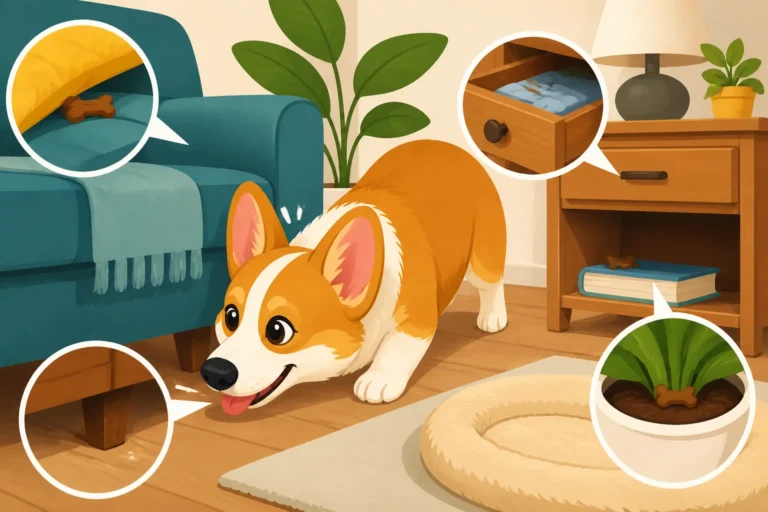
You can start simple at home with hidden treats. Place a few high-value treats around a room and let your Corgi "hunt" for them. As they get better, increase the difficulty by hiding them under cups, behind furniture, or even burying them lightly in a designated sandpit outside. Advanced scent work involves teaching them to find specific odors, much like detection dogs. This isn't just a game; it's a profound mental challenge that leaves them wonderfully tired and satisfied. It's a fantastic way to bond and see their natural abilities shine. You can find many starter scent work kits and puzzle toys on Amazon to get you going.
Precision and Focus: Obedience and Rally
While some Corgis are known for being a bit "opinionated" when it comes to obedience, their intelligence and desire to work mean they can excel in structured training. Formal obedience classes or rally obedience provide a clear framework for them to engage their brains. These activities require focus, attention to detail, and a willingness to follow directions, all of which are excellent for redirecting that herding energy. Instead of trying to direct you, they learn to listen to your directions.
Rally obedience, in particular, can be a great fit. It's a less formal version of traditional obedience where you navigate a course with your dog, performing various exercises at each station. It's engaging, keeps both of you moving, and allows for plenty of positive reinforcement. This kind of work helps them understand boundaries and expectations, fostering that crucial "listen to me" dynamic. It's all about precision and teamwork, which are highly stimulating for a Corgi's intelligent mind. A platform like BAXTER & Bella, for example, offers structured online courses that can guide you through these training principles step-by-step.
Mind-Body Challenge: Agility (with Caution)
Agility can be an incredibly exhilarating and fulfilling sport for Corgis, tapping into their speed, agility, and problem-solving abilities. Watching a Corgi zoom through tunnels and weave poles is a joy! However, due to their long backs and short legs, extreme caution and proper technique are absolutely paramount. The focus should always be on safety and avoiding injuries. If considering agility, always consult with your vet and a specialized trainer who understands Corgi biomechanics. This will help ensure that you approach Agility With a Corgi's Back in Mind in the safest way possible.
If done correctly, with low jumps and emphasis on ground-level obstacles, agility provides an excellent outlet for their energy and intelligence. It requires them to think quickly, respond to your cues, and navigate a course, which mimics the quick decisions they would have made while herding. It's a high-energy mental and physical workout that can leave a Corgi wonderfully tired and content. Remember, the goal isn't to create an Olympic athlete, but to provide a safe, engaging "job" that channels their natural athleticism and brainpower.
Puzzle Solvers and Strategic Play
For times when formal training isn't possible, or simply as part of their daily routine, interactive puzzle toys and strategic games can be fantastic "jobs." These toys are designed to make your Corgi "work" for their food or treats, engaging their minds in problem-solving. This isn't just passive play; it requires them to figure out how to manipulate objects to get a reward, which is deeply satisfying for a Corgi's intelligent brain.
Think about snuffle mats where they have to sniff out hidden kibble, or dispenser toys that require nudging and rolling. Even a simple game of hide-and-seek with their favorite toy can be a great mental challenge. These activities provide a sense of accomplishment and keep their minds active, reducing the likelihood of boredom-induced behaviors. Many Toys That Occupy a Corgi are readily available and can provide hours of engaging "work." Just be sure to rotate them to keep things interesting and always supervise to ensure safe play.
Practical Strategies for Daily Management and Redirection
Once you understand why your Corgi is trying to herd, and you've got some "job" ideas in mind, the next step is to implement practical strategies in your daily life. This involves a combination of setting clear boundaries, managing their environment, and being consistent with your training. These everyday actions are crucial for redirecting their instincts from unwanted behaviors to acceptable, fulfilling outlets.
Setting Clear Boundaries and Expectations
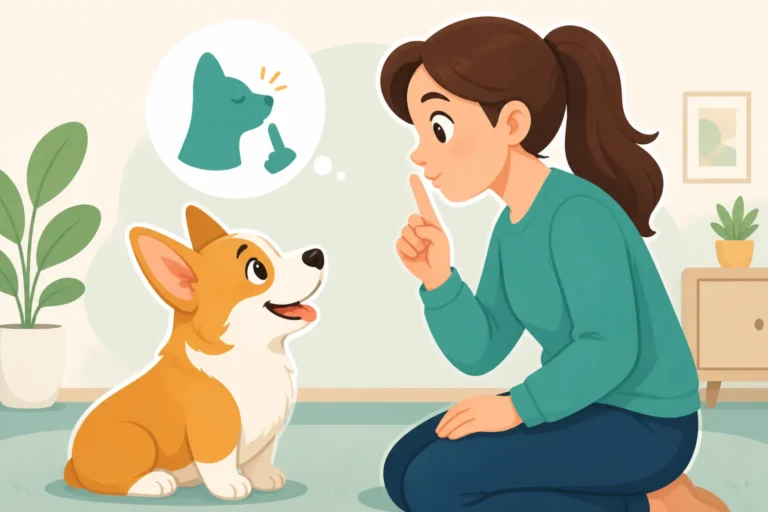
This is foundational. Your Corgi needs to understand that you are in charge of the "herd," and that nipping or pushing humans is not part of their job description. This doesn't mean being harsh, but it does mean being firm and consistent. When your Corgi attempts to herd you or a family member, immediately stop the interaction. If they nip, let out a sharp "ouch!" and turn your back, disengaging completely for a short period. This teaches them that their actions make the fun stop. Consistency is key; every single family member needs to react the same way every time.
Establish clear rules, such as "no nipping," "no jumping on people," and "stay out of the kitchen when I'm cooking." Reward calm behavior and appropriate interactions generously. For example, if they lie down calmly while you're in the kitchen, toss them a small treat. This helps them understand what is acceptable. Structured training, even just a few minutes a day, reinforces your leadership and gives them constructive tasks to focus on. For those moments when they just need to chase, redirect them to a flirt pole or a remote-controlled toy instead of allowing them to chase a running child. You'll find that platforms like BAXTER & Bella offer excellent guidance on establishing these boundaries effectively.
Environmental Management: Gates, Ramps, and Space
Sometimes, the best solution isn't just training but also cleverly managing your environment to prevent problem behaviors before they start. If your Corgi tends to nip at the heels of guests entering your home, consider having them on a leash or behind a baby gate when new people arrive. This prevents the undesirable behavior from happening in the first place, allowing you to gradually introduce them in a controlled manner, rewarding calm greetings.
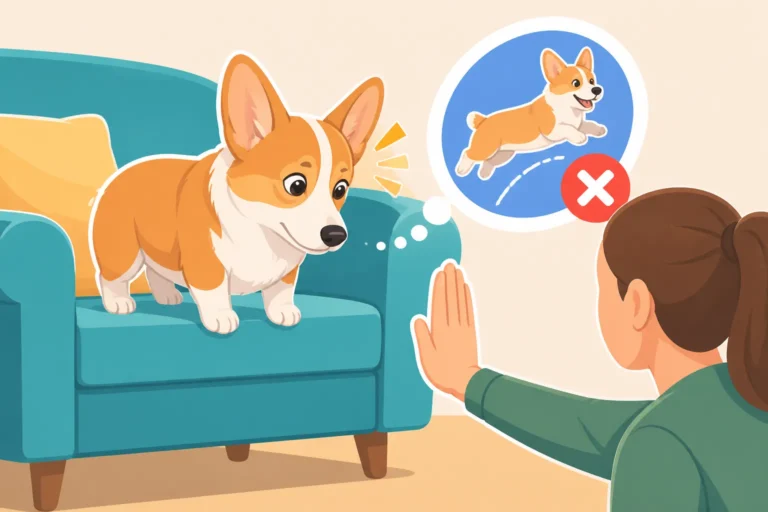
Ramps are also vital, not just for preventing jumping (which can be a huge concern for their backs) but also for teaching them acceptable ways to access elevated surfaces like sofas or beds. Teaching a Corgi Not to Jump Off Furniture is critical for their spinal health and can also curb their impulse to "launch" themselves into situations. Consider placing Ramps and Steps That Save a Corgi's Back strategically around your home. Baby gates can also be invaluable for managing access, especially if you have young children whose movements might trigger herding instincts. Creating designated "safe zones" for your Corgi where they can relax away from the hustle and bustle can also be highly beneficial.
Consistent Training and Positive Reinforcement
This is where the magic really happens. Consistency in training is paramount for a Corgi, which often has an independent streak. Short, frequent training sessions (5-10 minutes, several times a day) are far more effective than one long, tedious session. Use high-value treats and enthusiastic praise to reward desired behaviors. When they offer a polite sit instead of a bark, or walk nicely on a leash without pulling or circling, make sure they know they've done well.
Focus on foundational obedience commands like "sit," "stay," "down," and "come." A strong "leave it" command can be incredibly useful for redirecting their attention away from tempting ankles or fast-moving objects. Practice these commands in various environments to build reliability. Remember, Corgis are intelligent and thrive on mental engagement. Positive reinforcement not only teaches them desired behaviors but also makes training a fun, rewarding experience for both of you, further strengthening your bond. This consistent interaction becomes their job to focus on you, rather than on herding.
Seeking Expert Guidance for Persistent Herding Challenges
Even with the best intentions and consistent effort, some Corgis present more ingrained or challenging herding behaviors. There’s absolutely no shame in seeking professional help; in fact, it’s a sign of a responsible and committed Corgi parent. Experts can offer tailored strategies and a fresh perspective, making a world of difference for both you and your dog.
When to Call a Certified Professional Trainer
If you've been diligently working on redirection, providing outlets, and managing the environment, but still find your Corgi's herding behavior escalating, becoming more intense, or even bordering on aggressive (though true aggression from herding nips is rare, it can happen if misunderstood and mishandled), it’s definitely time to bring in a professional. A certified professional dog trainer (CPDT) or a canine behaviorist can assess your specific situation, observe your Corgi's behavior in context, and develop a customized training plan. They can help you decipher the nuances of your Corgi's communication and teach you advanced techniques for managing and redirecting their instincts.
They might introduce specific exercises, help you fine-tune your timing, or identify triggers you hadn't noticed. Often, simply having an objective pair of eyes observe your interactions can reveal patterns or habits that are inadvertently reinforcing the unwanted behavior. They can also ensure that you're using fair, positive, and effective methods that won't damage your relationship with your sensitive Corgi. Don't wait until the problem feels insurmountable; early intervention is always best.
Online Training Resources and Communities
For those who prefer a flexible learning schedule or don't have access to in-person trainers, online training resources and communities can be incredibly valuable. Many platforms offer comprehensive courses specifically designed for managing common dog behaviors, including those stemming from herding instincts. These resources often include video tutorials, written guides, and sometimes even direct access to trainers for Q&A sessions.
For example, reputable online puppy schools and training platforms like BAXTER & Bella provide structured curriculums that can guide you through everything from basic obedience to more complex behavioral challenges. These programs can be a great way to gain knowledge and confidence from the comfort of your own home, allowing you to work at your own pace. Additionally, online Corgi-specific forums and social media groups can connect you with other owners facing similar challenges, offering a sense of community, shared experiences, and practical tips. Just be sure to vet the advice you receive, always prioritizing science-based, positive reinforcement methods.
Addressing Underlying Factors with Your Vet
While most herding behaviors are instinctual, sometimes there can be underlying medical factors contributing to a dog's overall behavior or a sudden change in temperament. Pain, discomfort, or certain health conditions can make a dog more irritable, anxious, or prone to acting out in ways that might exacerbate their herding tendencies. For instance, an older Corgi experiencing back pain might be more reactive or try to control movement more intensely if they feel vulnerable.
If your Corgi's behavior has suddenly changed, or if you notice any other signs of discomfort or illness, a trip to your veterinarian is in order. They can rule out any medical causes for behavioral changes and ensure your Corgi is healthy. For example, conditions like Disc Disease in a Long-Backed Corgi or even early arthritis could make a Corgi more prone to snapping if they feel threatened or moved improperly. Your vet might also recommend calming supplements or, in some cases, refer you to a veterinary behaviorist who can prescribe medication if anxiety or other psychological factors are significantly impacting their behavior and quality of life. This holistic approach ensures all bases are covered.
The Long-Term Joy of a Fulfilled Corgi
Living with a Corgi that understands its place in the family "herd" and has appropriate outlets for its immense intelligence and drive is a truly joyful experience. It’s about more than just stopping unwanted behaviors; it’s about nurturing their true nature and helping them thrive as balanced, happy companions. This journey requires ongoing commitment, but the rewards are immeasurable.
Balancing Mental Stimulation with Physical Exercise
A common mistake Corgi owners make is assuming that endless physical exercise alone will satisfy their dog. While Corgis certainly need regular activity to maintain a healthy weight and condition, physical exercise without mental engagement can sometimes just create a fitter, more energetic herder! The key is balance. Short, brisk walks are good, but combine them with scent games, puzzle toys, or obedience drills. A 20-minute sniffari in the park, where they get to intensely use their nose, can be far more tiring and fulfilling than an hour of simply walking on a leash.
Think about alternating days: one day might be more focused on a longer walk or a session in a securely fenced yard, while the next focuses on indoor scent work or practicing new tricks. This varied approach keeps their minds sharp and prevents boredom. Regularly introducing new challenges and activities ensures that their powerful brains are always engaged, making them less likely to invent their own "jobs" (like herding you) out of sheer boredom or unfulfilled instinct. This holistic approach caters to both their physical needs and their deeply ingrained mental programming.
Celebrating Their Innate Drives in a Safe Way
Instead of viewing your Corgi's herding instinct as a problem, try to see it as a unique and fascinating aspect of their breed heritage. You can even find ways to safely celebrate and engage these drives! While full-on cattle herding might not be feasible for most, some areas offer "herding instinct tests" or introductory herding lessons with sheep or ducks. This can be an incredible experience for both you and your Corgi, allowing them to truly connect with their ancestral purpose in a controlled environment.
Even if formal herding isn't an option, you can incorporate elements of it into play. Playing fetch where you encourage them to "bring back" the ball or toy, or setting up a fun agility course with low obstacles in your backyard, can tap into their natural desire to gather and direct. Remember to always prioritize their safety, especially considering their backs, so stick to very low jumps if doing any agility work. The goal is to acknowledge and validate their instincts, providing an avenue for expression that is both safe and enjoyable.
A Lifetime of Engagement and Companionship
The relationship you build with your Corgi, especially one founded on understanding and fulfilling their needs, will be a source of immense joy and companionship throughout their life. From their boisterous puppyhood, through their independent adolescence, and into their calmer senior years, providing them with purpose will keep them mentally sharp and emotionally connected to you. As they age, their physical needs might change, but their need for mental engagement will remain. The Corgi Years When the Back End Gives Out can be tough, but continued mental exercise is crucial even then.
By embracing their herding heritage and proactively giving them constructive "jobs," you're not just managing a dog; you're nurturing a truly unique and intelligent being. You're giving them the tools to be a confident, well-adjusted member of your family, turning their powerful instincts into a positive force rather than a source of frustration. This commitment leads to a deeply rewarding partnership, proving that a Corgi with a purpose is truly a happy Corgi, and a joy to live with.
Disclaimer
This article is for general informational purposes only and does not constitute professional advice. Laws, prices and regulations vary by location and change over time. Consult a qualified professional for guidance on your specific situation.